REVIEW · MUMBAI
Dharavi Tour & Pottery Workshop
Book on Viator →Operated by Reality Tours & Travel Pvt Ltd · Bookable on Viator
Dharavi changes how you see Mumbai. This guided walk takes you from Mahim Junction into a part of the city most tourists skip, and it focuses on how everyday work happens there. I like that bottled water is included so you can stay comfortable while walking, and I also like having a local English-speaking guide who’s ready to answer your questions. One thing to consider: it’s still a walking tour in a busy neighborhood, so wear shoes you can trust and keep your expectations flexible.
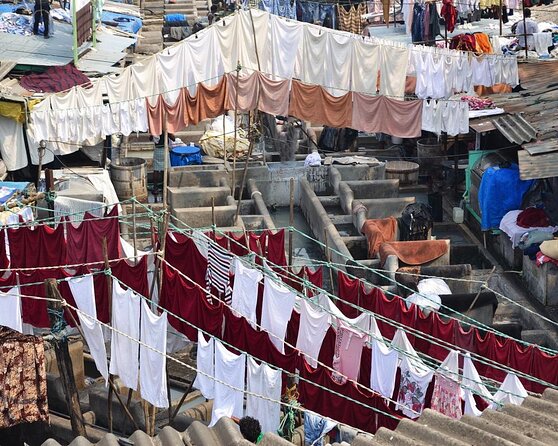
In about 3 hours, you’ll see more than one kind of industry, from recycling and soap-making to pottery-making. You also get time to look at residential streets and the colorful street art that shows up on walls, near temples, mosques, churches, and pagodas. It’s not a lecture-only experience; it’s a route through ordinary life.
This is a small group tour (up to 25 people) with no hotel pickup, and it starts and ends at the same train station. If you rely on convenience transport door-to-door, you’ll need to handle the first and last leg yourself.
In This Review
- Key points at a glance
- Dharavi on foot: getting to the real Mumbai fast
- Stop 1 Dharavi: work streets, recycling, pottery-making, and more
- Why the pottery-making angle is worth your time
- A note on access and safety
- Stop 1 beyond the shops: street art and a microcosm of India
- What you should bring to make this section enjoyable
- Stop 2 Reality Tours and Travel (Dharavi): a community reinvestment stop
- Your 3-hour plan: pacing, group size, and how to ask good questions
- How to get more out of the walk
- Price and value: what $29.09 gets you (and what it doesn’t)
- The trade-off
- Getting there and leaving: Mahim Junction in practice
- Who should book this Dharavi Tour & Pottery Workshop?
- Who might want to skip or rethink
- Should you book it?
- FAQ
- How long is the Dharavi Tour & Pottery Workshop?
- Where do I meet for the tour?
- What time does the tour end?
- Is the tour walking-based?
- What’s included in the price?
- Is hotel pickup and drop-off included?
- What will I see during the Dharavi portion?
- How big is the group?
- Can I cancel for a full refund?
Key points at a glance
- Starts at Mahim Junction Railway Station in Mumbai, then returns there
- Real business stops in Dharavi: recycling, pottery-making, soap factory, and more
- Water and a cold drink included, so you’re not hunting for refreshments mid-walk
- Street art plus places of worship in the same neighborhood blocks
- Small group size (max 25) makes it easier to ask questions
- A short community-focused stop at Reality Tours and Travel with soft drink and reinvestment info
Dharavi on foot: getting to the real Mumbai fast
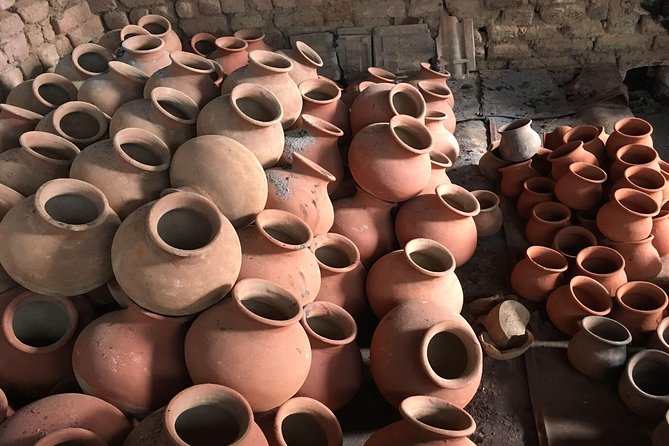
If you’ve only seen Mumbai from the viewpoint of landmarks and hotel lobbies, this tour offers a quicker path to how the city actually runs. The walk is built around a simple idea: go somewhere hard to access on your own, go with a guide, and spend your time looking at how people live and work.
You’ll meet at Mahim Junction Railway Station, which is a smart choice. It ties the experience to Mumbai’s daily rhythm instead of pretending the neighborhood is separate from the rest of the city. Starting and ending at the same station also keeps the logistics simple. When you finish, your guide helps you sort onward transport like a taxi, depending on where you’re headed next.
The other “fast value” piece is time. The overall duration is about 3 hours, with most of that focused on Dharavi itself. That matters because you can get meaningful context without burning an entire day.
You can also read our reviews of more tours and experiences in Mumbai

Stop 1 Dharavi: work streets, recycling, pottery-making, and more
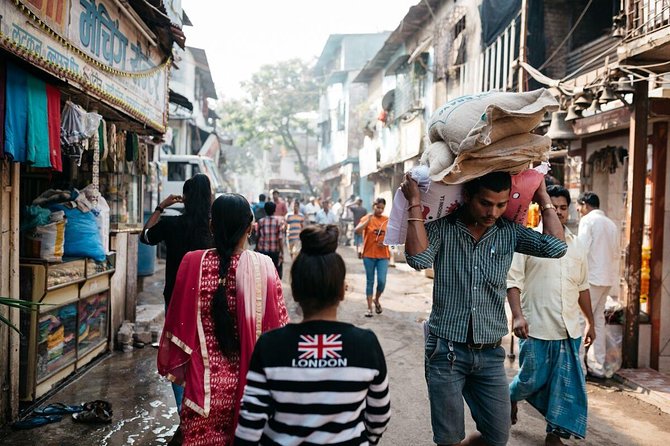
The main event is your time in Dharavi. You’ll spend roughly 2 hours 30 minutes here, walking through a mix of business areas that support the neighborhood. Dharavi is often described as one of the largest slums in Asia, but this route frames it differently: as Mumbai’s beating heart, where jobs and skills keep moving every day.
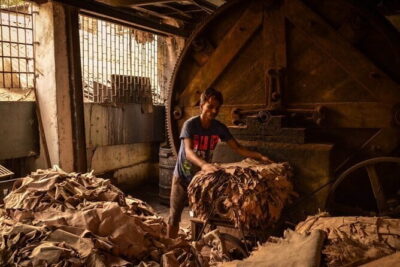
Here’s what you can expect to see based on the tour format. You’ll likely pass or visit a range of small, practical businesses such as:
- recycling-related activity
- pottery-making
- embroidery
- bakery work
- a soap factory
- leather tanning
- poppadom-making
Even if you’re not an industry nerd (I’m not, most days), the point is easy to grasp when you’re standing there: these are not “staged” shops. They’re businesses operating in challenging conditions, and you’ll get explanations for how the work happens and why it matters to locals.
Why the pottery-making angle is worth your time
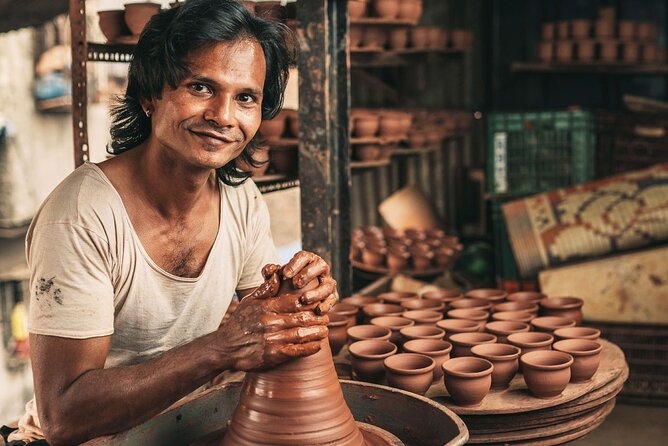
The experience is branded as a Dharavi Tour & Pottery Workshop, and pottery-making is one of the trades included in the tour’s business list. I like this approach because it connects a craft to the reality of daily production. You’re not just hearing the word craft; you’re seeing how ceramics fits into a working economy.
One caution: the provided details don’t spell out whether you’ll make pottery yourself. Plan for watching and learning rather than assuming a hands-on class.
A note on access and safety
The tour is designed to help you access an area you might struggle with independently. That means your guide helps manage the pace and the route, and you’re not wandering without context. It’s not about fear; it’s about making sure you understand what you’re seeing as you go.
Stop 1 beyond the shops: street art and a microcosm of India
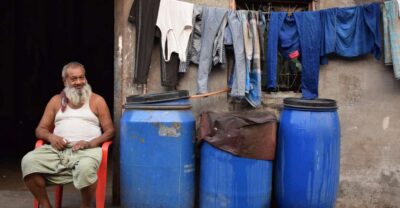
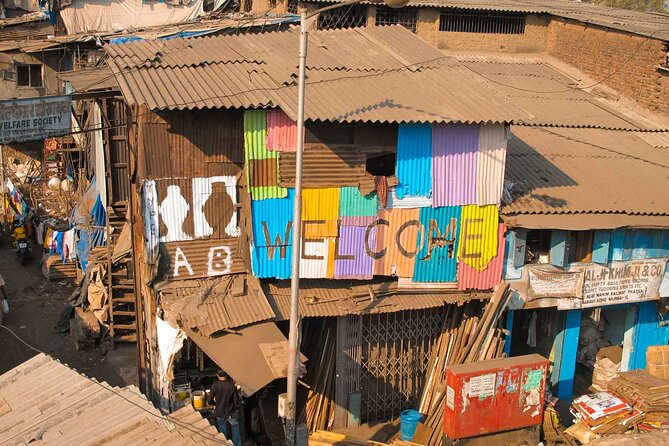
Dharavi isn’t just workshops. You’ll also spend time in residential areas to appreciate street art and the visual mix of everyday places people share. One of the most compelling parts of this style of walk is how it shows diversity in ordinary proximity.
As you move through the neighborhood, you can see murals and examples of community artwork alongside religious spaces. The tour description specifically notes a mix of temples, mosques, churches, and pagodas standing side by side. That’s the kind of detail that changes your mental map of what you thought you knew.
For me, the practical takeaway is this: don’t treat street art as an optional bonus here. In this neighborhood, it’s part of how people communicate identity and pride, and it helps you understand the area as lived-in, not just worked-in.





What you should bring to make this section enjoyable
You’ll be walking, and water is included, but your comfort still depends on your choices. I’d plan on:
- comfortable shoes with grip
- a light layer (Mumbai can feel warm and humid)
- your patience for crowd density and normal city motion
Also, expect the vibe to be real and busy. That’s the point.
Stop 2 Reality Tours and Travel (Dharavi): a community reinvestment stop
After your main Dharavi walk, you’ll shift to a shorter second stop at Reality Tours and Travel (Dharavi). This segment is about 20 minutes, and it includes a soft drink.
This stop adds context that can be easy to miss when you only focus on visible activities. You’ll learn about how funds are reinvested back into the community. It’s the kind of information that helps you connect the experience you paid for with local impact, at least in broad terms.
In other words, it’s a quick “how the machine is funded” moment. It doesn’t replace learning on the streets, but it does round out the story.
Your 3-hour plan: pacing, group size, and how to ask good questions
This tour runs about 3 hours, and the group size is capped at 25 travelers. That’s a meaningful detail. Smaller groups can move with less bottlenecking, and it’s easier for a guide to keep everyone together. It also helps if you like to ask follow-ups, because you’re not shouting over a huge bus crowd.
Your guide is local English-speaking, and the overall review picture puts emphasis on guidance that answers questions clearly. If you’re the type who wants practical context like how businesses operate, what daily life looks like, or what you’re seeing outside the obvious, this is the format that supports it.
How to get more out of the walk
I recommend you keep your questions short and specific. For example:
- What trade is this, and what does production look like day to day?
- How do skills pass on through the community?
- What role does this business play in the neighborhood economy?
You’ll get better answers when you’re not asking a huge, abstract question.
Price and value: what $29.09 gets you (and what it doesn’t)
The price is $29.09 per person, and this is the kind of cost where value comes from what’s included, not from fancy extras. You get:
- a local English-speaking guide
- water during the walk
- a cold drink at the community stop
You’re also not paying for pickup/drop-off, and the itinerary doesn’t suggest you’ll have private car time. Instead, the value is in focused access: walking safely with context in an area that’s complicated to navigate without help.
It’s also booked on average about 9 days in advance, which is a small signal that you should plan ahead if your dates are fixed. If you wait too long, you might find fewer openings.
The trade-off
Because it’s guided walking with a set route, the experience won’t flex into “see what I want” travel style. If you want total control over stops and timing, this might feel structured. If you want a solid introduction to a real neighborhood with minimal guesswork, the structure is the point.
Getting there and leaving: Mahim Junction in practice
The meeting point is Mahim Junction Railway Station in Mumbai, and you end at the same place. That’s helpful because you don’t have to figure out a different return point after your walk.
Also, your guide helps with transport after the tour, such as directing you to a taxi or arranging the way back depending on where you want to go. That small service detail matters more than it sounds when you’ve just spent a few hours walking in a dense city environment.
One missing piece: there’s no hotel or residence pickup and drop-off. So if you’re staying far away, you’ll need to travel to Mahim Junction on your own. Plan your arrival with buffer time.
Who should book this Dharavi Tour & Pottery Workshop?
This tour is a strong fit if you:
- want a guided introduction to Dharavi that focuses on day-to-day work
- enjoy walking tours and can handle a few hours on your feet
- like learning from local guides who can explain what you’re seeing in plain English
- care about craft and industry, including pottery-making as part of a wider set of trades
It’s also a good option if you’re traveling independently and don’t want to figure out a route through the neighborhood without context.
Who might want to skip or rethink
If you hate walking, or you need door-to-door transport, this one will require extra effort. Since hotel pickup isn’t included, you’ll be responsible for getting to and from Mahim Junction.
Should you book it?
I think you should book this tour if your goal is to see Dharavi as lived-in space with real work happening every day. The short length, included drinks, and local English guide make it an efficient use of time. The best part is the combination: business activities you can understand quickly (including pottery-making) plus the residential and street art side that prevents the visit from feeling one-note.
I wouldn’t book it if you’re looking for a fully hands-on pottery class, or if you want a low-walking, low-moving itinerary with pickup and drop-off.
If you can handle walking and you want a grounded Mumbai experience at a realistic price, this one is an easy yes.
FAQ
How long is the Dharavi Tour & Pottery Workshop?
It’s about 3 hours (approx.).
Where do I meet for the tour?
You’ll meet at Mahim Junction Railway Station, Mumbai, Maharashtra.
What time does the tour end?
The tour ends at Mahim Junction Railway Station as well. Your guide helps with transport afterward.
Is the tour walking-based?
Yes, wear comfortable shoes because it’s a walking tour.
What’s included in the price?
A local English-speaking guide is included, along with water (and a cold drink at the community stop).
Is hotel pickup and drop-off included?
No. Hotel or residence pickup and drop-off is not included.
What will I see during the Dharavi portion?
You’ll experience a range of business activities such as recycling, pottery-making, embroidery, bakery, a soap factory, leather tanning, poppadom-making, and more. You’ll also see residential areas and street art.
How big is the group?
The tour has a maximum of 25 travelers.
Can I cancel for a full refund?
Yes. Free cancellation is available up to 24 hours in advance for a full refund. If you cancel within 24 hours of the start time, the amount paid is not refunded.