REVIEW · MUMBAI
Mumbai: Dharavi Slum Tour with Dhobi Ghat (Open-Air Laundry)
Book on GetYourGuide →Operated by Beautiful Bombay Tours · Bookable on GetYourGuide
Mumbai’s laundry runs on people, not machines.
This 3-hour tour pairs a guided walk through Dharavi with a visit to Dhobi Ghat, where hundreds of washermen work in the open. I like that it shows how waste turns into income, not just misery, and that you end with a rare view of hand-washing done at city scale. One thing to keep in mind: you’ll be walking narrow lanes and the tour doesn’t include food, so plan around comfort and timing.
Two things I really like: first, the focus on practical industries—recycling, textiles, pottery, leatherwork, and more—so the neighborhood feels like an economy, not a label. Second, the guide component matters here: guides such as Pooja, Anushka, and Varsha are repeatedly praised for explaining what you’re seeing and for setting clear rules on photos. The main drawback? Dhobi Ghat is mainly observed from a viewing spot, and if you want more than watching from above, you should ask your guide what’s possible on the day.
In This Review
- Key highlights worth your time
- Third Wave Coffee to Dharavi: get your bearings fast
- Dharavi’s industries: why this walk feels more real than a postcard
- What I love about the focus on work
- The market and craft side
- One honest consideration: housing context is limited
- Photography, dignity, and why your guide’s rules matter
- Dhobi Ghat viewing: Mumbai’s open-air laundry in action
- What makes Dhobi Ghat special
- A drawback to plan around
- Walking logistics: what the 3 hours actually feel like
- Who should book this tour (and who should skip it)
- Price and value: why $4.94 is the headline, not the trick
- Tips to make the experience smoother (and more respectful)
- Should you book the Dharavi + Dhobi Ghat tour?
- FAQ
- How long is the Dharavi Slum Tour with Dhobi Ghat?
- Where do I meet the guide?
- Is food included?
- Can I take photos in Dharavi and Dhobi Ghat?
- What should I bring?
- Is the tour wheelchair accessible or suitable for older visitors?
Key highlights worth your time
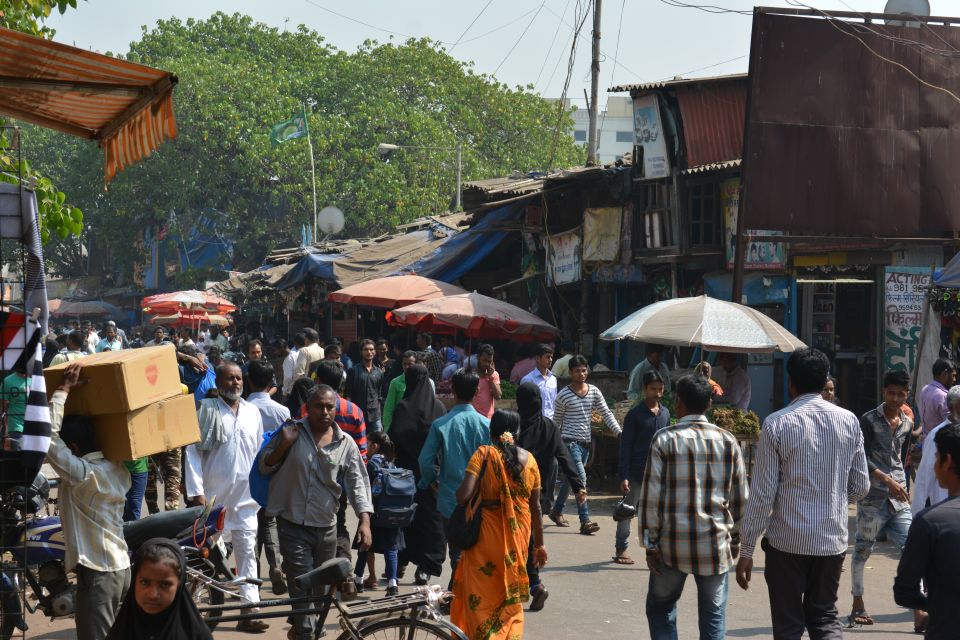
- Dharavi as a working neighborhood: small-scale production and recycling, not a scripted slideshow
- Recycling that turns trash into value: you’ll see how materials get sorted and reused
- Handwork at Dhobi Ghat: clothes washed, dried, ironed, and sorted by hand
- Good explanations from local guides: Pooja, Anushka, and Varsha are named for strong on-the-ground storytelling
- Photo rules that respect privacy: photography is allowed, but you’ll get guidance to keep it dignified
Third Wave Coffee to Dharavi: get your bearings fast
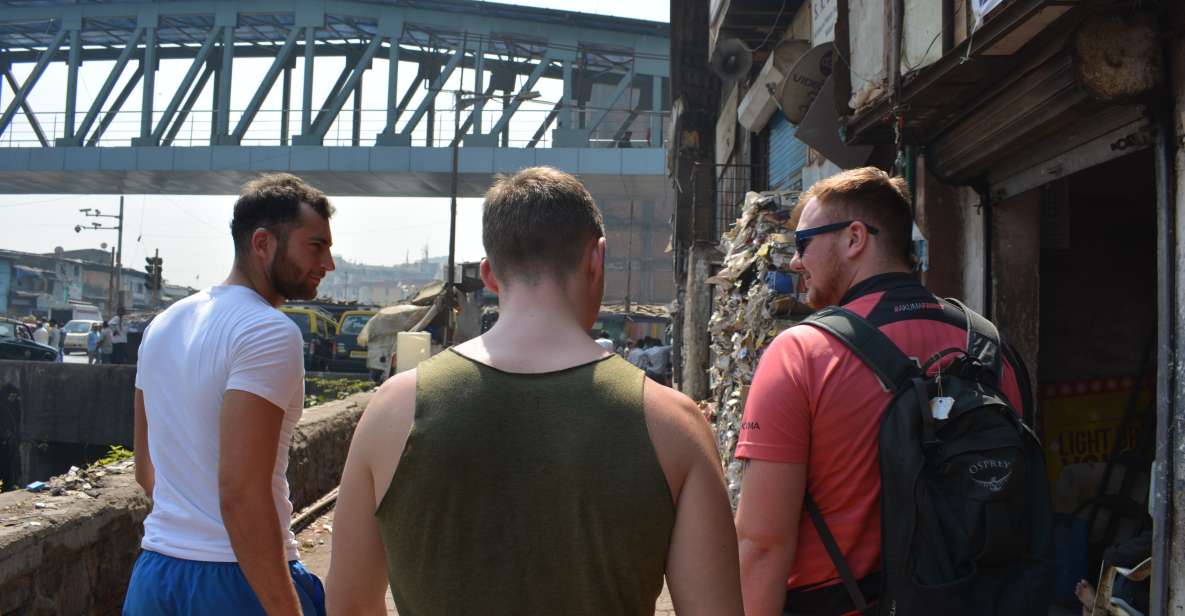
Your tour starts meeting the guide outside Third Wave Coffee, which makes the first step easy. Show up about 15 minutes early so you can settle the group, match faces to names, and get the safety and behavior basics before you hit the lanes.
From the start, the tour has a simple rhythm: walk, talk, look, repeat. In Dharavi, streets can feel tight and busy. Even if you’re comfortable in cities, this is a place where you’ll want to keep your pace steady and your head up—watch for traffic, carts, and people moving fast for work.
I also like the tour’s pacing choice: it gives you 2.5 hours in Dharavi on foot. That time is long enough to connect the dots between different industries and how people earn a living, without turning the day into an all-day slog.
Practical tip: comfortable shoes are non-negotiable here. A hat helps too, especially if the sun is out during your walking portion.
You can also read our reviews of more tours and experiences in Mumbai.

Dharavi’s industries: why this walk feels more real than a postcard
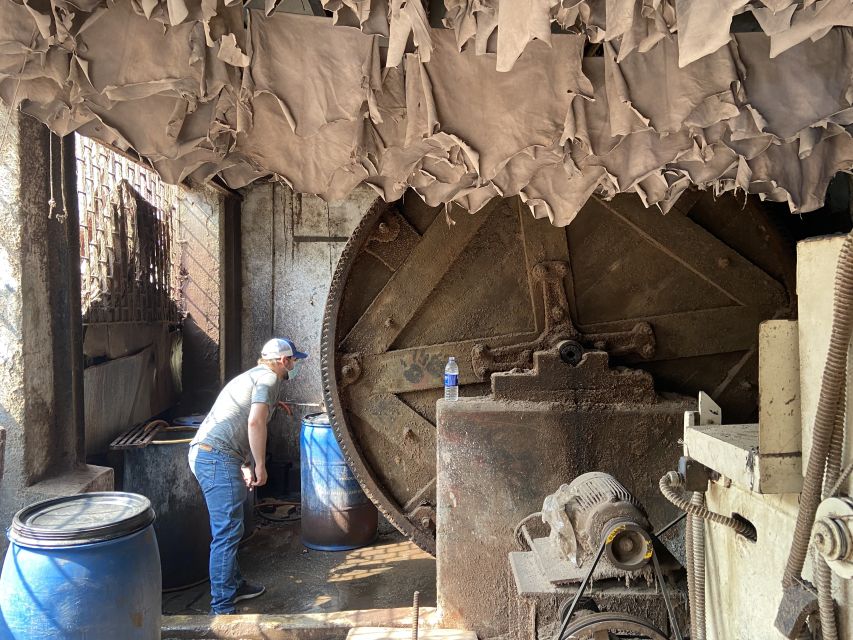
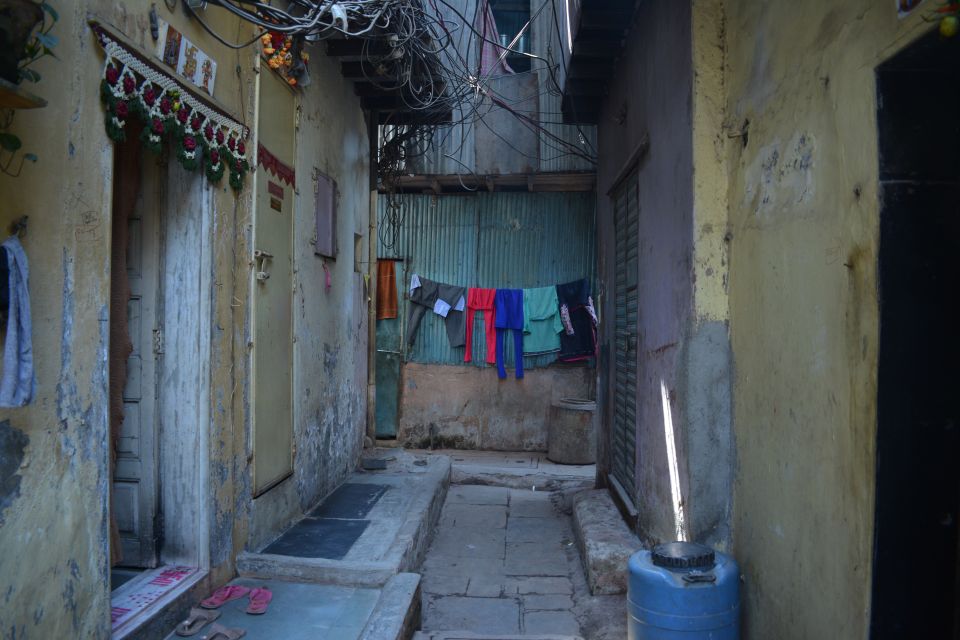
In Dharavi, you’re not touring a museum. You’re moving through a working neighborhood with skilled artisans, small businesses, and communities living side by side. The payoff is that you’ll see how work happens in tight spaces—often using reused materials and making products that people across Mumbai (and beyond) rely on.
What I love about the focus on work
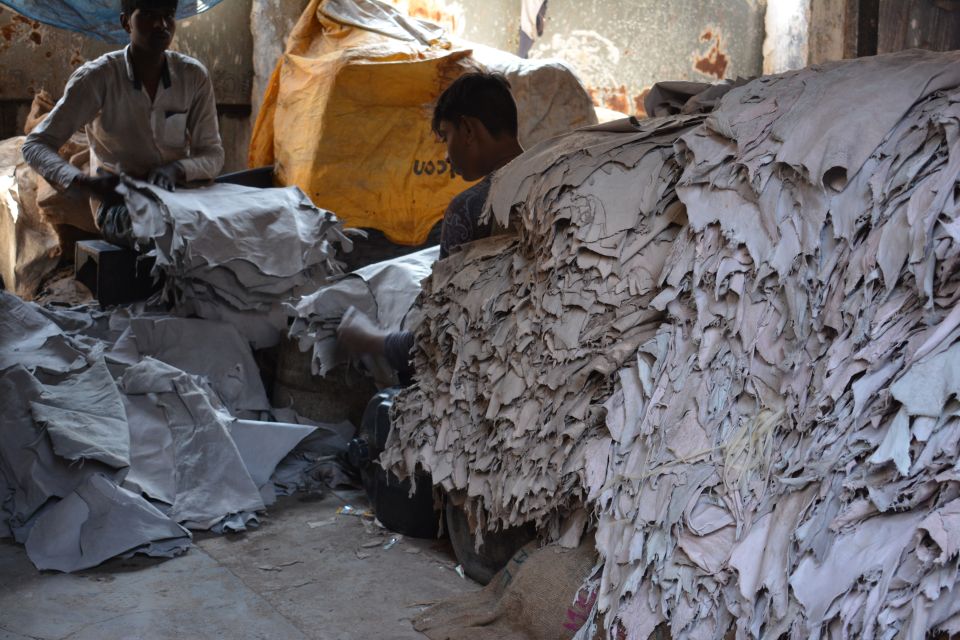
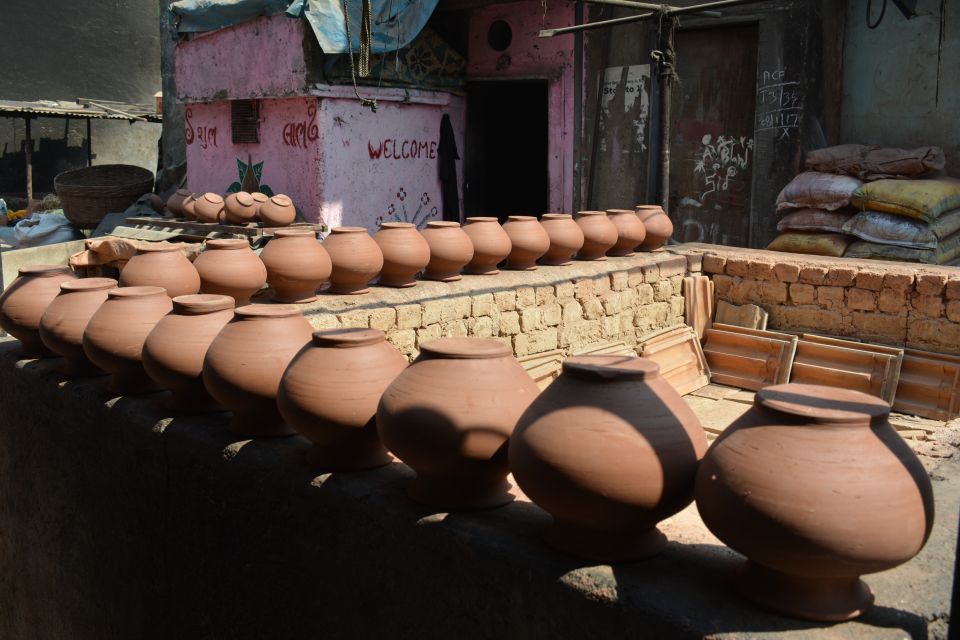
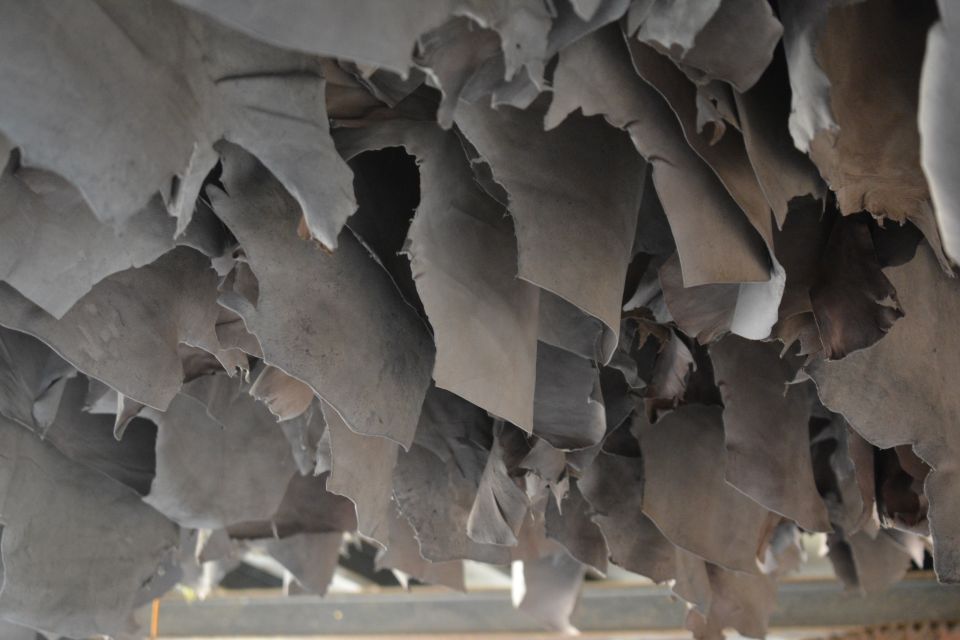
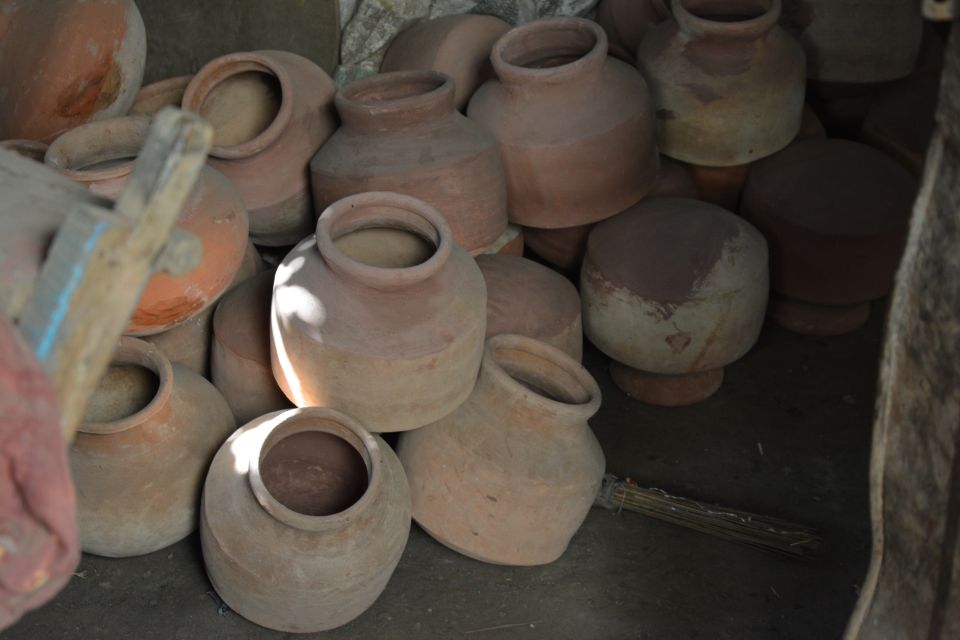
The tour is designed around the economic side of Dharavi: pottery, leatherwork, recycling, bakery units, and more. That angle changes the whole emotional tone. Instead of staying stuck on the word slum, you come away thinking in systems: where materials come from, where labor fits, and how value is created from inputs that other places treat as waste.
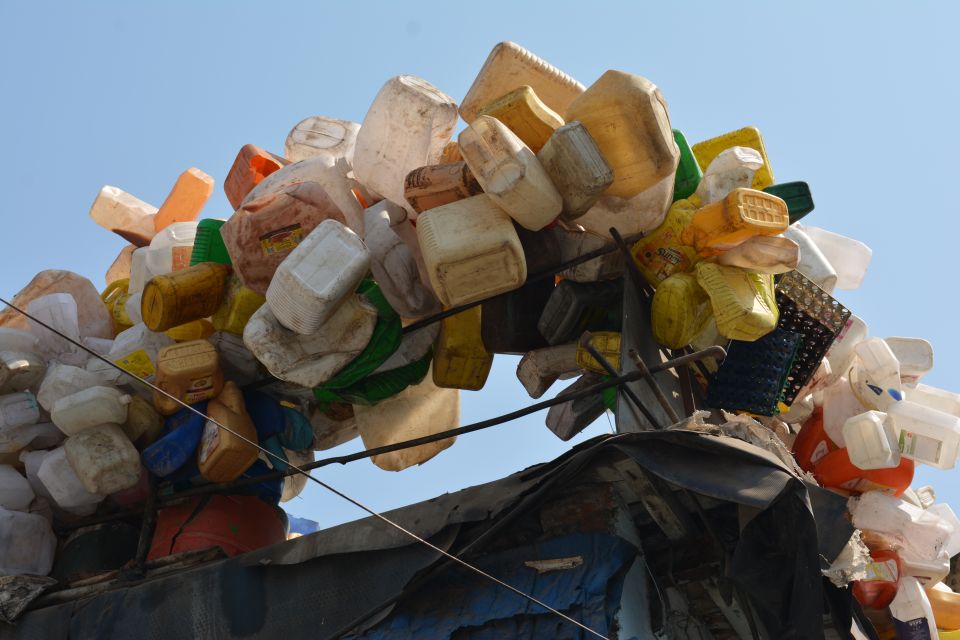
Recycling is one of the most eye-opening parts. You’ll see practices that transform discarded materials into something usable again—turning a pile of trash into an actual supply chain. It’s not a slogan. You’ll watch how the neighborhood keeps materials in motion and how that translates into livelihoods.
The market and craft side
You’ll also spend time around lively lanes where you can spot handicrafts and textiles. Even if you don’t buy anything, the market stop adds texture: you’re seeing what the industries produce and how goods circulate locally.
If you do plan to shop, treat it like a relationship, not a bargain hunt. Ask what something is made from, and let your guide translate the vibe. Your guide’s instructions about respectful behavior apply here too—especially around where people live and work.
One honest consideration: housing context is limited
This is important. Your walk is built around industries and work, and you may not see much of the residential side in detail. That’s not wrong—it’s a focus choice—but it means you should adjust expectations. If you’re hoping for a deep look at home conditions specifically, you might find the tour’s emphasis stays on production and community life rather than housing walkthroughs.




Photography, dignity, and why your guide’s rules matter

Photography is allowed, but you’ll be told when it’s appropriate and when it’s not. That’s crucial in a place where people aren’t acting for your camera. Expect your guide to steer you toward respectful angles, and be ready to put your phone away when the guide asks.
The best tours here are guided tours. Guides such as Pooja and Anushka have a reputation for setting clear photo boundaries, so the experience stays about understanding and not spectacle. You’ll also want to remember that some faces are part of someone’s everyday life—so take fewer pictures, and take them thoughtfully.
If you want a clean approach: ask first if you should photograph, then follow your guide’s pace. The goal is to leave with context, not just images.
Dhobi Ghat viewing: Mumbai’s open-air laundry in action
After Dharavi, you head to Dhobi Ghat, and the tour ends at the Dhobi Ghat Viewing Deck. This is where you switch from small-scale workshops to a city-scale rhythm.
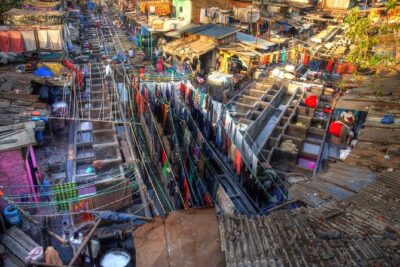
Dhobi Ghat is often described as the world’s largest open-air laundry, with hundreds of washermen working in sync. You’ll watch the full workflow: clothes washed, dried, ironed, and sorted by hand. It looks orderly, but it’s also labor-intensive work done with skill built over time.
What makes Dhobi Ghat special
You’re seeing a tradition that’s still functional. This isn’t heritage as decoration; it’s heritage as a job. Watching the sequence—wash, dry, iron, sort—helps you understand why so many garments must move through a system to stay in circulation.
Also, it’s a rare chance to see people doing craft-level work in public view. You’ll likely notice how much efficiency comes from routine and practiced coordination. The viewing deck perspective means you get a clear look across activity without needing to physically go into every working zone.
A drawback to plan around
Since the tour finishes at a viewing deck, you should assume you’ll mainly observe rather than move deep into the busiest areas. One traveler experience noted frustration when they couldn’t go further into the laundry area. So if you’re hoping for close interaction or a lower vantage point, ask your guide early what is possible on your specific day—and keep your expectations grounded in observation.
Walking logistics: what the 3 hours actually feel like
At 3 hours total, the tour is short enough to fit into a single day plan, but long enough to feel substantial. The Dharavi portion alone is listed as a 2.5-hour walk, so most of the exertion is concentrated upfront.
That matters because you’ll want your energy for the lane-walking portion. Dhobi Ghat is more of a viewing experience, but it can still involve time standing and looking—often outdoors. Bring that hat, and stay hydrated.
You should also assume restrooms might be limited. The tour info encourages using facilities before you go, and that’s sound advice in most street-based walking tours.
Rain or shine: the tour runs in bad weather too. If clouds are rolling in, plan for wet ground and sudden sun breaks. An umbrella can help, but comfortable shoes are still your real insurance.
Who should book this tour (and who should skip it)
This tour is a great match if you:
- want to understand Mumbai through work—recycling, textiles, and everyday production
- prefer real neighborhoods over staged sights
- enjoy guides who explain what you’re seeing as you walk, including how to behave and when photos are okay
- like practical cultural experiences, not just viewpoints
It’s not a great match if you:
- need wheelchair accessibility (the tour is not suitable for wheelchair users)
- have limited mobility that can’t handle narrow lanes and busy streets
- are traveling with baby strollers or large luggage (not allowed)
- are sensitive to the reality of people working in close quarters and living spaces
Age note: it’s not suitable for people over 95 years, so if that applies to you, skip it and look for a different format.
Price and value: why $4.94 is the headline, not the trick
The listed price is $4.94 per person, which is unusually low for a guided, ticketed experience in a major global city. Even if you don’t care about the exact math, the value shows in the structure: you get entry to Dharavi, an English-speaking guide, and access to a major cultural site like Dhobi Ghat within a 3-hour window.
What you should consider is where the value comes from:
- You’re paying mostly for a guide who can explain what you’re seeing and keep the experience respectful.
- You’re paying for a guided route through a place that can otherwise feel chaotic or hard to interpret.
- You’re not paying for meals, transport, or private luxury. That’s why the price can stay low.
So treat this as a walk-and-learn tour. If you come prepared with water, shoes, and patience, the cost feels like a bargain. If you show up needing constant comfort breaks, snacks, or heavy assistance, you may feel the squeeze.
Tips to make the experience smoother (and more respectful)
Here’s how to get the most out of it without slowing the group down:
- Wear comfortable shoes and bring a hat if you run warm.
- Bring a camera if you want photos, but follow the guide’s rules closely.
- Carry a reusable water bottle and sip during the walk, especially in hot or humid weather.
- Use the restroom before you start; facilities may be limited.
- Avoid bulky bags and strollers; they’re not allowed.
- Arrive at the meeting point early so the group can start together.
If you want a small mindset shift: think of this as a chance to understand how people build livelihoods where resources are tight. Your guide’s explanations—often with named context from local perspectives—are a big part of why this tour lands well.
Should you book the Dharavi + Dhobi Ghat tour?
I’d book it if you want a focused, guided look at Mumbai’s working life—especially the way recycling and handwork keep economies moving. The price-to-content ratio is strong, and the structure (Dharavi walk, then Dhobi Ghat viewing) keeps your time efficient.
Skip it if you’re looking for a relaxing, sit-down cultural day, or if you need deep access into the working areas at Dhobi Ghat beyond a viewing deck. Also, if mobility is an issue, this isn’t your best option.
If you do book: come with respect, good shoes, and realistic expectations about what you’ll see at each stop. You’ll leave with a clearer sense of how thousands of hands keep Mumbai functioning—quietly, skillfully, and every day.
FAQ
How long is the Dharavi Slum Tour with Dhobi Ghat?
The tour lasts 3 hours in total, with about 2.5 hours spent in Dharavi on foot.
Where do I meet the guide?
Meet your guide outside the Third Wave Coffee shop.
Is food included?
No. Food and drinks are not included. It’s a good idea to eat before or after the tour.
Can I take photos in Dharavi and Dhobi Ghat?
Photography is allowed, but you must respect the privacy and dignity of residents. Follow your guide’s photography instructions.
What should I bring?
Bring comfortable shoes, a hat, and a camera. It’s also encouraged to carry a reusable water bottle and stay hydrated.
Is the tour wheelchair accessible or suitable for older visitors?
No. The tour is not suitable for wheelchair users. It is also not suitable for people over 95 years.