REVIEW · MUMBAI
Mumbai: Buddhist Kanheri Caves with Golden Pagoda Temple
Book on GetYourGuide →Operated by India Tour · Bookable on GetYourGuide
Rock-cut caves and a golden temple in one day. I love how the Kanheri Caves show Buddhist monastic life carved directly into basalt rock, and I love that the day ends at the Global Vipassana Pagoda with a clear explanation of Vipassana meditation. One thing to plan for: it’s still an active day, and heat can be real when you’re walking between viewpoints and cave areas—plus Kanheri Caves are closed every Monday.
Pickup from your Mumbai hotel helps you start early, and an English-speaking guide turns the site into an actual story, not just photos. People like Hamid and Fahad are specifically praised for pointing out details such as Brahmi inscriptions and the different cave types, which is exactly what you’d otherwise miss while moving at your own pace.
For the pagoda, come prepared for a simple but strict dress expectation (legs covered), and note the trip is not suitable for pregnant women. If you’re hoping for a super relaxed outing, this isn’t the style—it mixes careful sightseeing with walking.
In This Review
- Key highlights at a glance
- Kanheri Caves: Maharashtra’s Rock-Cut Buddhist Classroom
- Sanjay Gandhi National Park Stops: Photos, Shade, and a Breather
- Global Vipassana Pagoda at Gorai Beach: The Calm After the Caves
- How Guides Shape the Day (and Why It’s Not Just Sightseeing)
- Price and Value: Why $28 Can Make Sense Here
- What to Bring, When to Avoid It, and Who Should Skip
- Should You Book This Kanheri Caves and Golden Pagoda Tour?
- FAQ
- How long is the tour?
- Does the tour include hotel pickup?
- Are there tickets included?
- Can I skip the line at Kanheri Caves?
- Is Kanheri Caves open every day?
- What should I wear or bring?
Key highlights at a glance
- Over 100 cave interiors carved from volcanic basalt rock at Kanheri
- Chaityas, meditation cells, viharas, stupas, and residential halls you can actually tell apart
- Brahmi script inscriptions and carvings that make the caves feel lived-in, not decorative
- Hotel pickup option + air-conditioned transport, plus bottled water on board
- Global Vipassana Pagoda near Gorai Beach, built as a symbol of peace and harmony
- A live English guide who helps you understand what Vipassana means and why it matters
Kanheri Caves: Maharashtra’s Rock-Cut Buddhist Classroom
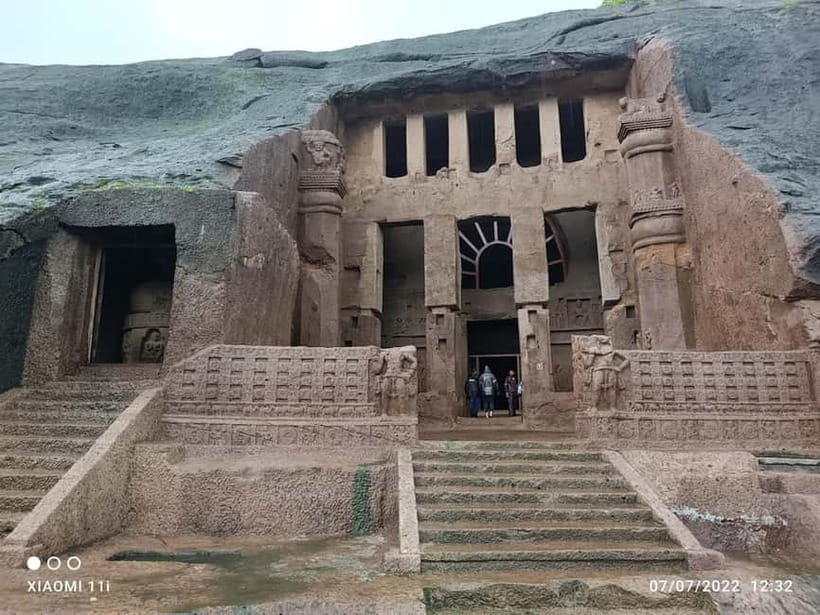
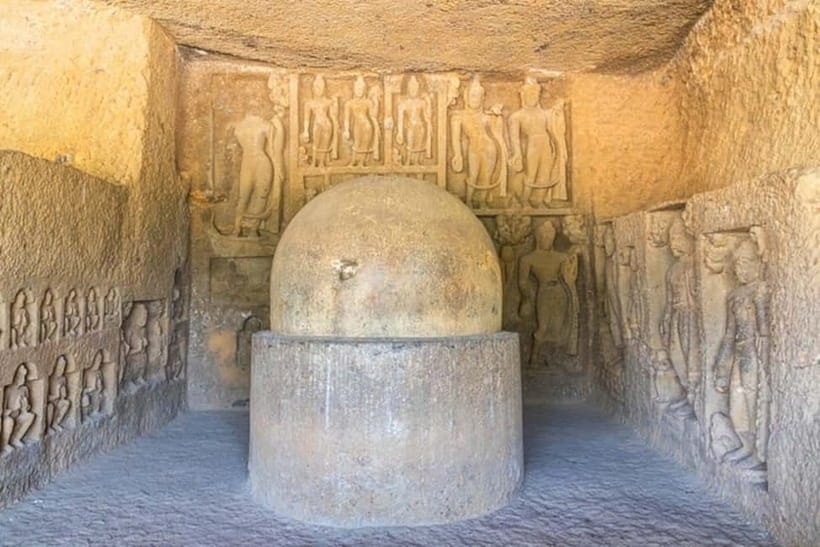
If you want a break from Mumbai’s noise, Kanheri Caves deliver a fast, satisfying change of pace. This is a Buddhist cave complex with origins that go back to the 1st century BCE. You’re walking through rock-cut spaces created for prayer, meditation, teaching, and daily monastic routines—all carved from volcanic basalt, which helps explain why the carvings and interiors feel so solid and weather-resistant.
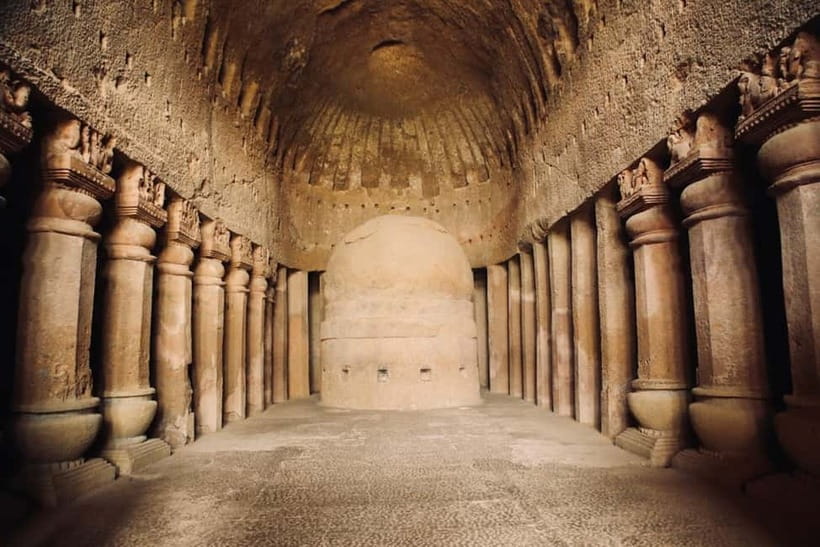
What makes Kanheri special is the variety. This isn’t just one cave temple. You’ll see prayer halls (chaityas), meditation cells, monasteries (viharas), stupas, and residential halls. Those terms sound academic until you’re standing in the spaces and your guide is helping you connect the function to the design.
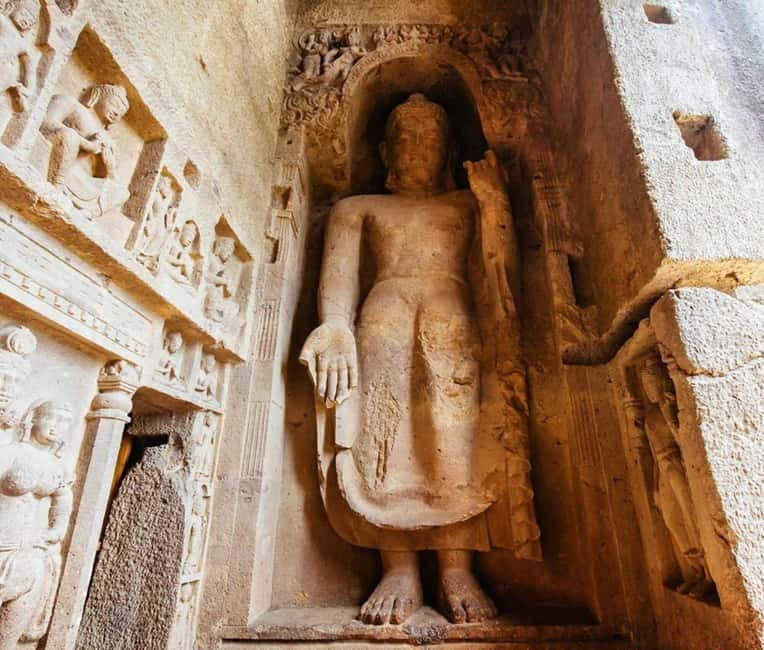
I like that the route is built to make you look closely. Expect intricate carvings, sculptures, and inscriptions, including ancient Brahmi script. The caves also include artistic depictions that reflect how Buddhism spread through Western India—so you’re not only seeing what the faith looked like, you’re seeing how ideas traveled.
Practical note: yes, the caves can feel cool compared to the city, but the day still includes walking. One pattern shows up in feedback often: it can be hot, especially on sections that involve uphill movement and longer stretches at the top or between groupings of caves. Comfortable shoes aren’t optional here—they’re what keep this enjoyable instead of exhausting.
Also, timing helps. The tour is set up with a separate entrance to skip the line, so you’re not spending your energy stuck in delays. Once inside, the best part is that the guide gives you context for what you’re seeing, so you leave with a mental map of the cave complex instead of a handful of random impressions.
You can also read our reviews of more tours and experiences in Mumbai.



Sanjay Gandhi National Park Stops: Photos, Shade, and a Breather
Between the caves and the pagoda, you get a shift in setting through Sanjay Gandhi National Park. This is not a full-day safari-style experience, but the stop matters. It breaks up the schedule and gives you a moment to reset—especially if you’re doing this as a history-and-spirituality double feature.
You can expect a photo stop and sightseeing element here. That matters on a day trip because your brain needs a change of input: rock-cut interiors and carved inscriptions on one side, then open-air views and the calmer visual tone near Gorai on the other.
There’s also a small logistical detail worth knowing. Some drop-off arrangements connect with the national park area (including the ticket counter), which can be handy if you’re continuing your own plans around the park or prefer not to return fully to central Mumbai right away.
Even if you’re not hunting for wildlife, this park portion helps the day feel like a coherent route instead of two disconnected stops forced into one itinerary. It’s also one of those “quiet” parts of the day that make the bigger sights land better.
Global Vipassana Pagoda at Gorai Beach: The Calm After the Caves
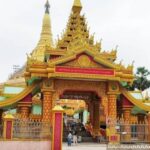
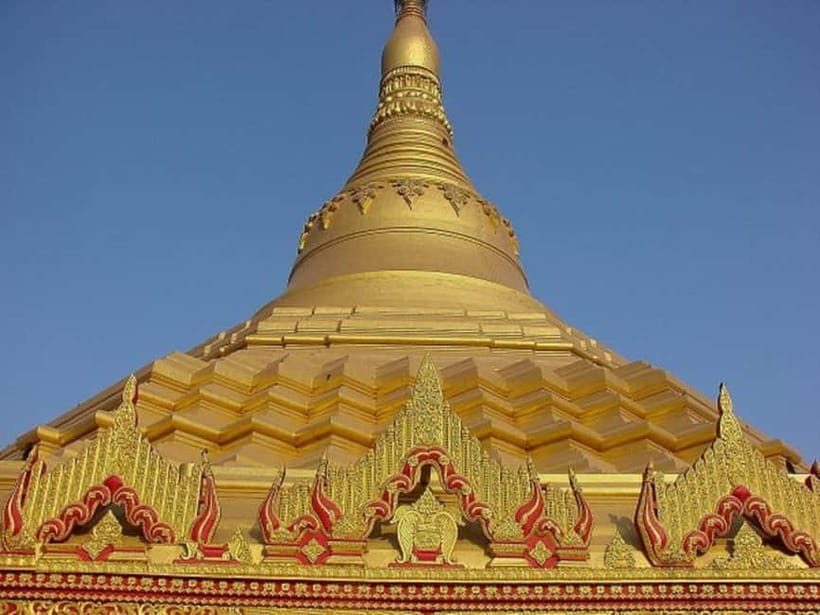
Then you hit the second half of the story: the Global Vipassana Pagoda near Gorai Beach. The architecture is a big part of the experience. This temple is described as Mumbai’s largest Golden Vipassana Pagoda, and it’s built as a symbol of peace and harmony. Even before you learn the philosophy, the atmosphere is designed to slow you down.
What you’re really there for, though, is understanding Vipassana meditation. Your guide explains the philosophy behind it and ties it to its global significance. That’s the difference between seeing a monument and leaving with something you can carry home—especially if you’ve never heard of Vipassana before.
In practical terms, this stop works well because it’s a change from intense detail work. At Kanheri, you’re reading space through carvings, halls, and inscriptions. At the pagoda, you’re reading space through form, quiet, and the meaning your guide gives you. It’s the same Buddhist thread, but it lands differently.
One thing to plan for: the pagoda environment tends to have clear rules about clothing. A piece of advice that shows up clearly is to avoid shorts that expose legs. People have had clothing issues handled by coverage for legs so they could enter. So if you’re aiming for an easy visit, wear something that covers your legs from the start.
You’ll also want to bring the mindset of a visitor who’s ready to listen. This portion is not just a photo session. It’s where the tour’s “why” becomes visible—why Vipassana is taught, what peace and harmony are meant to represent, and how this tradition connects across the world.
How Guides Shape the Day (and Why It’s Not Just Sightseeing)
This tour’s biggest strength is the guide. The day is packed enough that you’d lose details if you did it totally on your own, especially inside Kanheri where the key features are not always obvious just by looking.
In feedback, guides are repeatedly described as friendly, patient, and interactive, with a focus on explaining both history and spiritual meaning. Names like Hamid, Fahad, Abdul, and Hämisch come up often, and the pattern is the same: they help you notice features like Brahmi script and the difference between cave spaces such as chaityas and viharas.
That matters because a site like Kanheri can feel like “wow, cool caves” if you’re not given structure. With a guide, it becomes “this cave group functioned this way” and “this carving shows this idea.” You don’t need to be a Buddhism scholar. You just need someone to translate the stones into human purpose.
The pace also seems to be a real focus. People mention walking time, heat, and the value of moving at a comfort level. One advantage of the private group format is that it can feel less rigid than big group tours, so you’re less likely to rush past the interesting bits or get stuck waiting for late arrivals.
One more practical note: transport helps keep the day sane. You get air-conditioned transport, plus bottled water, and the tour includes all parking and charges. Those are the unsexy details that make a day trip actually work.
Price and Value: Why $28 Can Make Sense Here
$28 per person is the kind of price that feels small until you list what you’re getting. Here, you’re not just paying for a ride. You’re paying for:
- Entry ticket(s) handled as part of the experience
- Live English guide on site for the caves and the pagoda visit
- Air-conditioned transport around Mumbai/park areas
- Bottled water
- All parking and charges
- Pickup and drop-off if you choose the pickup option
That combination is where the value shows up. Kanheri requires more than quick viewing; the meaningful parts are inside, in the carvings, inscriptions, and cave layout. Then the day shifts to the pagoda where the context about Vipassana meditation is central to the experience. Paying for guided interpretation is often what turns a “check it off” day into a “learn something” day.
This price can also be a smart use of limited time. The total duration is listed as 4 to 8 hours, which is a wide range, but it means you’re building a complete day arc: history, then calm, with transport set for you.
If your plans are flexible, the tour also offers free cancellation up to 24 hours in advance for a full refund, and you can reserve now and pay later. That kind of flexibility matters in Mumbai, where weather and schedule changes are common.




What to Bring, When to Avoid It, and Who Should Skip
There are a few straightforward “know before you go” items that can save you from a frustrating day.
Bring:
- Comfortable shoes (expect walking and some uneven or sloped cave-area movement)
Avoid this day trip if:
- You are pregnant (explicitly noted as not suitable)
- You’re traveling with pets (not allowed)
Check the calendar:
- Kanheri Caves are closed every Monday. If your trip falls on a Monday, you’ll want to plan around that, or you may end up missing the central part of the caves experience.
Dress for the pagoda:
- Plan for clothing that covers your legs. Short sleeves are usually fine, but the key point is leg coverage based on how people have had entry issues solved by arranging coverage.
Heat is the other reality you should plan for. Even when the caves offer a cooler break, you’ll likely spend time outdoors—especially when moving between stops or reaching certain viewpoints. If you’re someone who runs hot, it’s worth thinking about timing and slowing down when needed.
Also, double-check that your booking truly includes both Kanheri Caves and the Global Vipassana Pagoda. People have learned the hard way that some packages emphasize one part more than the other. If you want the full “caves plus Golden Pagoda” arc, make sure both are included.
Should You Book This Kanheri Caves and Golden Pagoda Tour?
You should book this tour if you want two big spiritual and cultural sites in one focused day, with a guide who helps you understand what you’re seeing. It’s especially worth it when you care about details: Brahmi inscriptions at Kanheri, the differences among cave spaces, and the meaning behind Vipassana meditation at the pagoda.
I’d also recommend it if you’re short on time and don’t want to puzzle out transport, entrances, and sequencing. The separate entrance to skip the line, the air-conditioned transport, and bottled water are the kind of practical touches that keep the day enjoyable.
Skip it or choose a different plan if you:
- Need very low walking,
- Are visiting on a Monday and can’t reschedule,
- Or you’re not comfortable with the pagoda’s clothing expectations.
If you’re choosing between a do-it-yourself day and a guided one, this is a rare case where the guide is part of the value, not a luxury.
FAQ
How long is the tour?
The tour duration is listed as 4 to 8 hours, depending on the selected starting time availability.
Does the tour include hotel pickup?
Pickup is optional. The tour includes air-conditioned transport, and you can choose pickup and drop-off with your Mumbai hotel.
Are there tickets included?
Yes. Entry ticket(s) are included as part of the experience.
Can I skip the line at Kanheri Caves?
Yes. The tour includes a separate entrance to skip the line.
Is Kanheri Caves open every day?
No. Kanheri Caves are closed every Monday.
What should I wear or bring?
Bring comfortable shoes. For the pagoda, plan to cover your legs, since entry may not be allowed with clothing that exposes legs.