REVIEW · MUMBAI
Mumbai: Dharavi Slumdog Tour -See the real Slum with a Local
Book on GetYourGuide →Operated by Inside Mumbai Tours · Bookable on GetYourGuide
Real Dharavi, explained by people who live it. This tour shows how daily life works in the local industries of Dharavi, plus a visit tied to Slumdog Millionaire. One heads-up: because it’s a real community (not a museum), you may encounter claims that sound oversold, so ask questions if you care about exact details.
You’ll meet your English-speaking guide at Third Wave Coffee in Mahim (opposite Mahim railway junction, west). From there, you’re led through where people live, work, and even relax, with a focus on breaking stereotypes, and you’ll hear stories from guides like Zeeshan and Bharti, who grew up there and understand what visitors need to know. The main drawback to keep in mind is not comfort or safety, but the emotional weight of seeing harsh conditions and work carried out at full speed.
In This Review
- Key things that make this Dharavi tour worth your time
- Entering Dharavi from Mahim: where to meet and what to expect first
- What you’ll actually see: homes, work, play, and the street economy
- The trades that bring the lights on: plastic recycling, textiles, leather, and more
- The laundry and processing moments that change your view of work
- The Slumdog Millionaire filming spot: movie mythology vs. lived reality
- Safety and privacy: what “completely safe” really means in practice
- Price and value: paying $4.99 for insider access
- The guides: why Abishek, Zeeshan, Bharti, and others matter
- How the route can feel: crowds, close quarters, and local transport moments
- Who should book this tour (and who should think twice)
- Should you book the Mumbai: Dharavi Slumdog Tour?
- FAQ
- Where does the tour start and how do I find my guide?
- What language is the tour taught in?
- Is this tour safe to do inside Dharavi?
- What’s included in the price?
- Are pets allowed?
- Can I visit the Slumdog Millionaire filming location?
Key things that make this Dharavi tour worth your time
- Resident guide perspective: You’re hosted by someone from Dharavi, so the tone stays human instead of sensational.
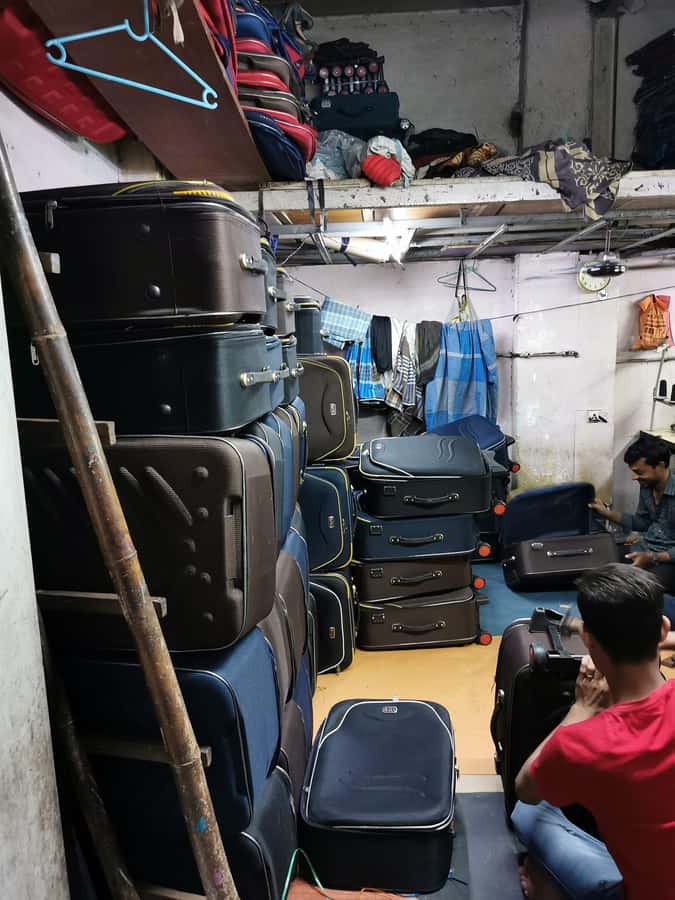
- Work you can see up close: Plastic recycling and other trades like garment/textile and leather show how the economy runs.
- Daily life in full view: You pass areas where families live and children play, not just production zones.
- Movie tie-in with context: You visit the spot associated with Slumdog Millionaire and connect it back to real streets.
- Built to challenge stereotypes: The tour’s goal is to correct the usual fear-and-fantasy picture outsiders carry.
- Cheap price, real access: At $4.99, you’re paying mainly for a guided, insider route—not comfort or luxury.
Entering Dharavi from Mahim: where to meet and what to expect first
Your day starts at a very straightforward meetup: Third Wave Coffee in Mahim, opposite Mahim railway junction (west). When you arrive, just wait outside or sit inside the cafe—your guide should find you easily. This matters more than it sounds. In Mumbai, you want the first 10 minutes to go smoothly, because once you’re moving, you’ll be switching between narrow lanes, busy foot traffic, and quiet moments where a guide is explaining something specific.
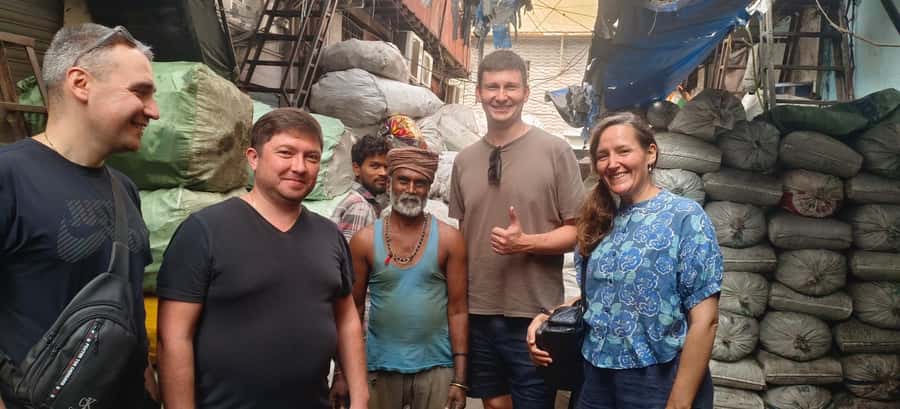
From the beginning, the vibe is practical. You’re not thrown into a lecture; you’re guided street-by-street, and you’ll learn how people structure daily life around work and community needs. Guides such as Abishek and Mohammed are praised for giving the right amount of information and leaving room for questions. That style helps, because Dharavi isn’t one story. It’s many small realities at once.
Also, you should know this is an English-language tour. If English is your comfort zone, it makes the explanations easier to follow while you’re scanning what’s happening around you.
You can also read our reviews of more tours and experiences in Mumbai.
What you’ll actually see: homes, work, play, and the street economy
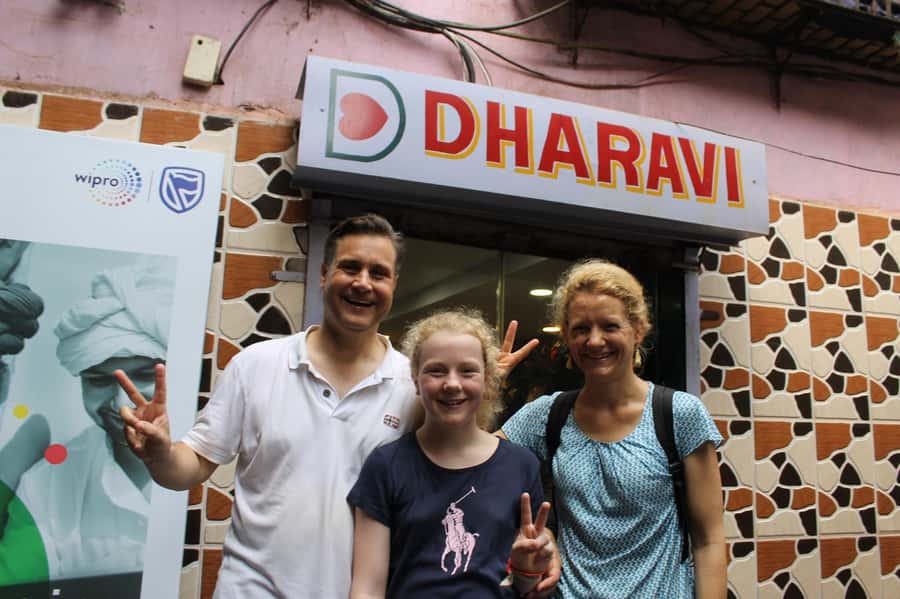
The core promise here is simple: see Dharavi as it is, not as an outsider imagines it. You’ll walk through where people live, where family life happens, and where children play. You’ll also spend time in and around the working areas, so you don’t just hear about “industry”—you watch it.
What stood out to me from the way guides are described is the balance between attention and restraint. This isn’t a tour where you’re encouraged to stare. Guides are known for being sensitive about privacy, which is crucial in a place where people live with real day-to-day visibility.
Here’s the practical picture of what tends to show up:
- Residential zones: you’ll get a sense of how families make space for cooking, living, and shared time.
- Production areas: you’ll see hands-on work tied to local trades.
- Community routines: you’ll notice how people move between tasks and how work is part of the rhythm of life.
And yes, the tour explicitly aims to dispel stereotypical depictions. That goal isn’t just marketing. When your guide is from the neighborhood, they’re often steering you away from the lazy “poverty as spectacle” mindset.
The trades that bring the lights on: plastic recycling, textiles, leather, and more
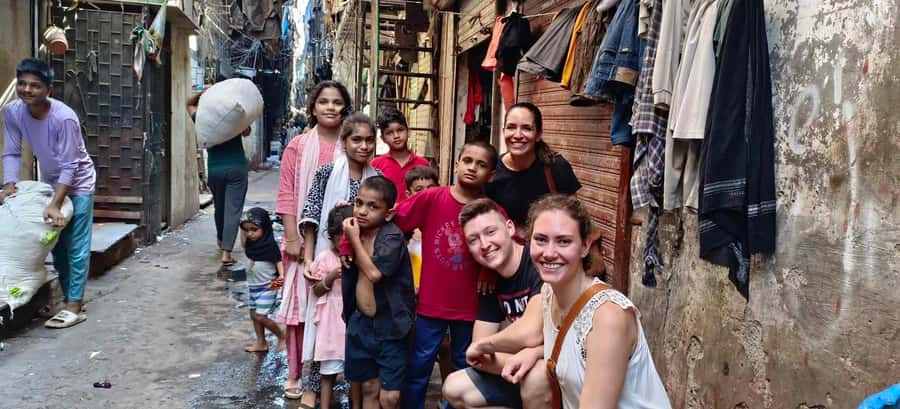
The strongest part of this experience is watching the economy in action. Dharavi’s global reputation is usually reduced to one image, but on this tour you’ll see multiple industries working side-by-side.
You should expect to encounter examples of:
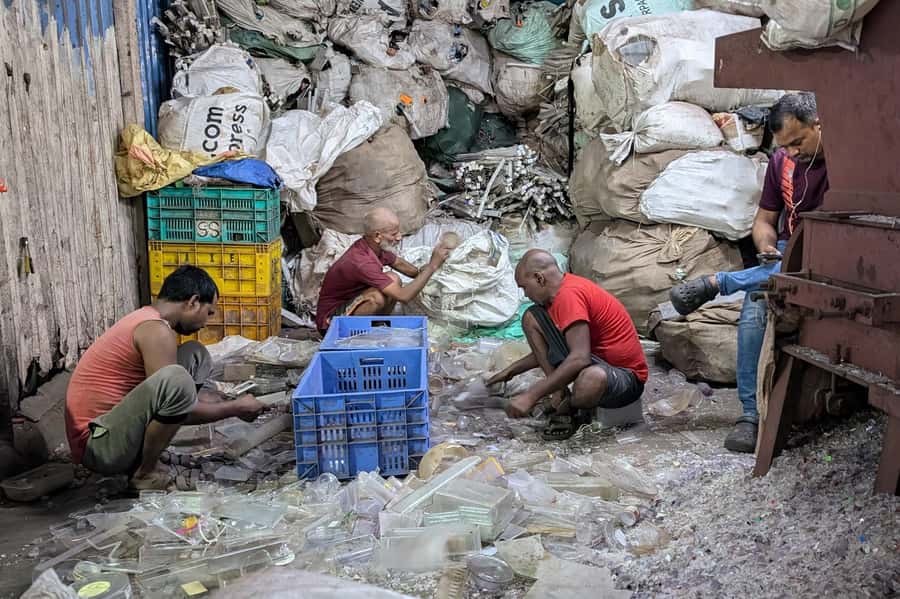
- Plastic recycling
- Garment and textile work
- Leather-related production
- Other trades mentioned in the same breath, including metal industry and similar processes
One reason this part clicks is that it explains why the area has momentum. You’re not just seeing labor; you’re seeing a network of processes, inputs, and outputs—how materials become usable goods again.
A helpful detail: guides often explain complicated systems using simple comparisons, which makes it easier to follow what looks chaotic at first. People mention storytelling that turns heavy topics into something you can understand on your feet.
One small caution, though: in a few cases you might hear bold claims about where certain materials or finished products come from in the global supply chain. If that matters to you, ask a direct follow-up. The work is impressive enough without needing “myths” pasted onto it.
The laundry and processing moments that change your view of work
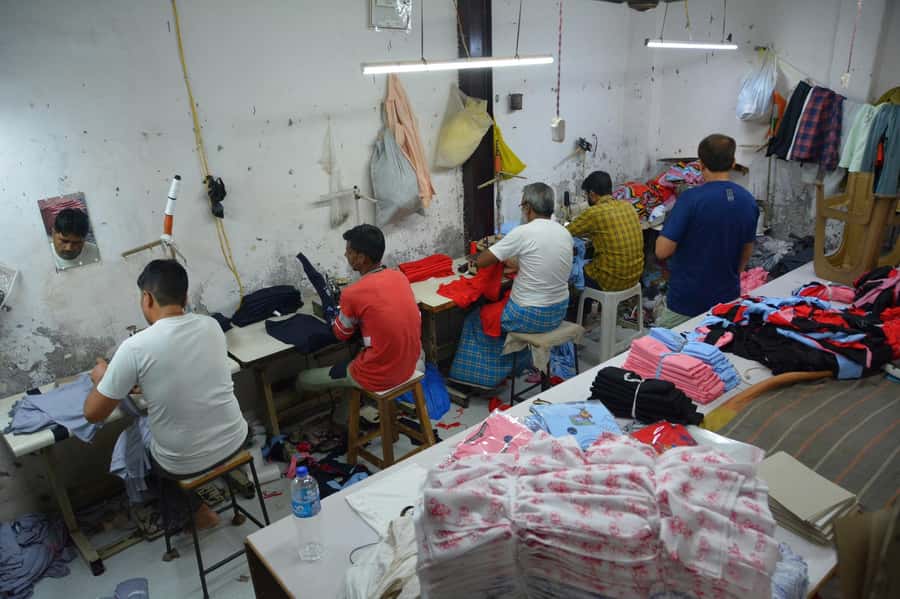
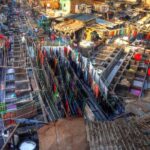
Some routes include a focus on washing and processing—for example, the laundry area is described as a standout because it shows individual steps from collection through delivery back to customers. Even if your specific route doesn’t include the exact same stop, the idea is consistent: you’ll see how products are handled and transformed.
Why this matters: it makes “industry” feel less like an abstract term. Instead, you understand it as repetitive, physical work that supports families and customers beyond Dharavi too. This is where the tour can feel eye-opening in a very grounded way—less about shock, more about comprehension.
Just remember: these scenes are active. People are working. You’ll want to keep your camera use respectful and follow what your guide asks.
The Slumdog Millionaire filming spot: movie mythology vs. lived reality
The tour includes a visit tied to where Slumdog Millionaire was filmed inside Dharavi. That doesn’t mean you’ll experience a movie set. You’re not going for special effects. You’re going for context.
A good way to think about it: the filming spot is a hook that helps you connect what you’ve seen on screen to where people actually walk, work, and live. When you’re standing in the neighborhood, the movie’s framing can start to look simplistic—then your guide’s explanations bring it back to the real story.
If you’re a film fan, this stop is a fun way to link art and geography. If you’re not, it still works because it forces you to confront how outsiders translate places they’ve never lived in.




Safety and privacy: what “completely safe” really means in practice
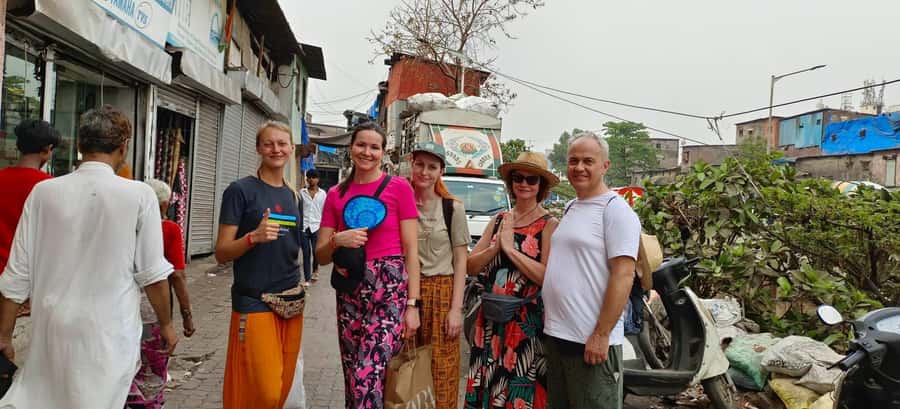
The tour provider states it is completely safe to visit inside and around Dharavi, and that visits are by residents. In real terms, the safety you’ll feel comes from the same place as the respect: your guide knows the flow of the neighborhood and how to handle tight spaces and sensitive moments.
Privacy is also part of the deal. Guides are described as being sympathetic to people’s need for boundaries, and you’ll be shown how to watch without turning people into props.
What you can do to make the experience smoother:
- Keep your questions human, not intrusive.
- Follow your guide’s instructions about where to stand and when to move.
- Be mindful with phones and cameras, especially near families and work zones.
And one more thing: this is not a pet-friendly tour. Pets aren’t allowed, so plan accordingly if you’re traveling with an animal.
Price and value: paying $4.99 for insider access
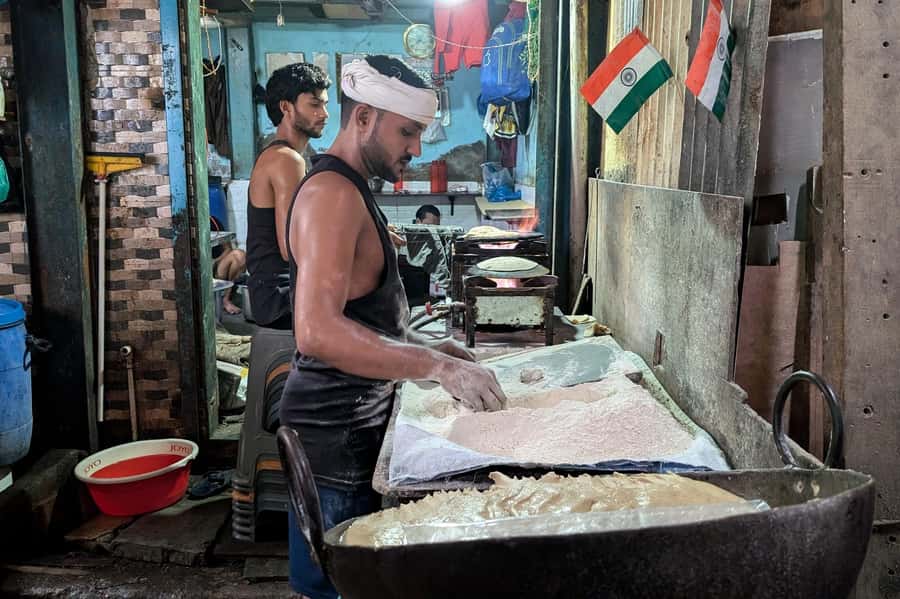
Let’s talk money honestly. At $4.99 per person, this is one of the rare guided experiences that feels like it’s priced for accessibility, not profit.
What does that price actually buy you?
- An English-speaking local guide from the community
- Entry tickets to visit inside Dharavi
- Water
In other words, the value isn’t in comfort or amenities. It’s in permission and interpretation—getting to see inside, and having someone explain what you’re seeing without the usual outsider filter.
Keep your expectations realistic. This isn’t a private chauffeured tour. You’re walking through an active neighborhood with real work happening. But for the price, it’s hard to argue against trying it—especially if you want an education that isn’t from a classroom.
The guides: why Abishek, Zeeshan, Bharti, and others matter
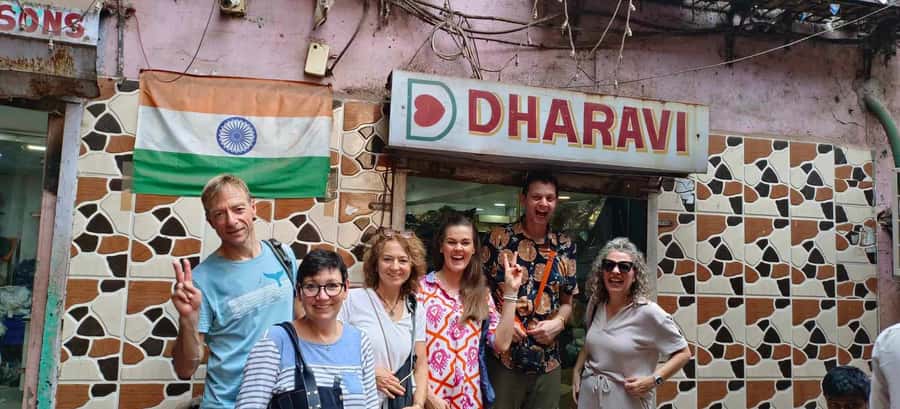
This tour lives or dies by its guides, and the names you’ll hear in the community are a big clue that this is a resident-led operation.
Examples of what people highlight:
- Abishek for being helpful and informative with just enough structure for questions.
- Zeeshan for being an effective storyteller who can explain complicated issues with simple metaphors.
- Bharti for empathy and for understanding privacy, with a perspective that comes from being part of the neighborhood herself.
- Mohammed and Faizan for engaging hosting and clear explanations.
You don’t need to pick a favorite before you go, but you should choose this experience for the style of guidance. When guides grow up there, they don’t just teach facts; they teach context.
How the route can feel: crowds, close quarters, and local transport moments
Dharavi is dense and active, so you should expect some moments that feel busy. One person describes experiencing a packed train ride as part of the route—exact details can vary, but the general idea is consistent: you’ll get more than just walking. You may share movement with locals on public transport as part of the day.
This is where having a guide helps again. In tight spaces, it’s not just physical logistics; it’s knowing where to go and when. If you’re easily overwhelmed by crowds, take it slowly and stick close to your group.
Who should book this tour (and who should think twice)
This experience is a strong fit if you want:
- A real local perspective rather than a distant photo-op
- Hands-on understanding of how multiple trades work
- An opportunity to rethink stereotypes with real, human context
It may be less ideal if:
- You’re sensitive to visible poverty and intense labor conditions
- You expect a polished, scripted narrative with no variation day to day
- You’re hoping for luxury comfort (this is practical and street-level)
If you’re the kind of traveler who likes asking questions and watching systems at work—recycling chains, textile routines, processing steps—this tour will probably feel worth your time.
Should you book the Mumbai: Dharavi Slumdog Tour?
Book it if you want a guided walk that’s intentionally built to show Dharavi as a functioning community—not as a fear story. The low price plus resident-led access is a standout deal, and the focus on where people live, work, and play is exactly what makes the experience more than “tourism with poverty photos.”
Skip it or go with extra mental preparation if you need everything to be perfectly “myth-free” and strictly verifiable. Some guides may use big, simplified explanations, and you might also notice a retail stop in the general area tied to leather goods. Just ask questions, stay respectful, and remember the point is understanding life in Dharavi, not shopping for a bargain.
If you come curious and grounded, you’ll leave with a better map of Mumbai—and a clearer sense of how local industry can survive, adapt, and keep moving under hard conditions.
FAQ
Where does the tour start and how do I find my guide?
The meetup is at Third Wave Coffee in Mahim, opposite Mahim railway junction (west). After arriving, you can stand outside the cafe or sit inside. Your guide should meet you easily there.
What language is the tour taught in?
The tour is available in English.
Is this tour safe to do inside Dharavi?
The tour information states it is completely safe to visit inside and around Dharavi, and that visits are led by local residents.
What’s included in the price?
The tour includes a local Slum resident English guide, entry tickets to visit inside Dharavi Slum, and water.
Are pets allowed?
No, pets are not allowed.
Can I visit the Slumdog Millionaire filming location?
Yes. The tour includes visiting the place where Slumdog Millionaire was filmed inside Dharavi.