REVIEW · MUMBAI
Mumbai Dharavi Slum Tour With Local English Guide
Book on GetYourGuide →Operated by Cityscape Mumbai Tours · Bookable on GetYourGuide
Two hours in Dharavi changes your mental map. This 2-hour walk with an English guide takes you into Dharavi’s everyday lanes and the small industries that keep it running. You won’t just look at buildings from the outside—you’ll get context through conversation and guided stops inside working areas.
I love two parts most. First, the tour includes interactive workshop moments where you can see work like pottery with spinning wheels, leather craft, tiny bakeries, and recycling units. Second, the guides keep it respectful and practical—names like Sharon, Ruba, Ruqaiyya, Jawwad (Jay), and Chirag come up often, and a consistent theme is privacy and dignity.
One thing to consider: the area is busy, loud, and tight. That can mean it’s hard to hear every detail in between turns, and you’ll want to keep things simple—comfortable clothes, no big bags.
In This Review
- Key highlights at a glance
- Entering Dharavi With a Local English Guide Who Sets the Tone
- Meeting at Third Wave Coffee or Ram Mahal (and Why It Helps)
- The 2-Hour Walk: What the Route Typically Feels Like
- Pottery Wheels, Leather Craft, Tiny Bakeries, and Recycling Units
- The Human Stories: Entrepreneurship and Daily Life Explained Clearly
- Respect, Privacy, and Photo Rules in Tight Lanes
- Price and Value: Why $7 for Two Hours Can Actually Make Sense
- Who This Tour Fits Best (and Who Might Want a Different Plan)
- Should You Book Cityscape Mumbai Tours for Dharavi?
- FAQ
- How long is the Dharavi slum tour?
- Is the tour led by an English-speaking guide?
- Where do I meet the guide?
- Is food included?
- Are large bags or luggage allowed?
- Is there a private group option?
Key highlights at a glance
- Hands-on industry stops: pottery, leather work, small bakeries, recycling units
- Local English guidance: stories explained clearly and with care for privacy
- Real conversations: learning through interactions with residents and workers
- A short, focused route: 2 hours on foot with start/end points you can find
- Private group option: useful if you want a quieter pace with your own people
- Respect-first approach: photo and personal space awareness comes up often
Entering Dharavi With a Local English Guide Who Sets the Tone
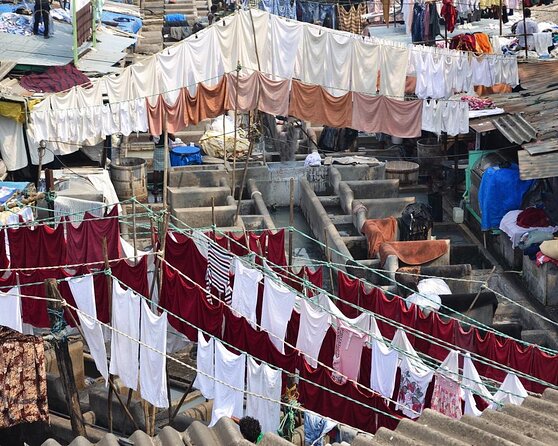
Dharavi can feel intimidating if you’ve only seen it through headlines. This tour works because it’s guided by people who understand what visitors should notice—and what visitors should handle gently.
The best thing is the tone. Multiple guides named in bookings—like Sharon and Ruba—are praised for being warm, sensitive to the community, and clear about what you’re there to learn. That matters, because this isn’t a theme park or a “watch from a distance” experience. It’s a working neighborhood, and your behavior (questions, photos, attention) changes how the whole visit feels.
You’ll also get the kind of context that makes the place make sense fast: how daily life is organized, how livelihoods function, and why small-scale entrepreneurship is such a big deal here. Guides explain the human side, not just the facts.
You can also read our reviews of more guided tours in Mumbai



Meeting at Third Wave Coffee or Ram Mahal (and Why It Helps)
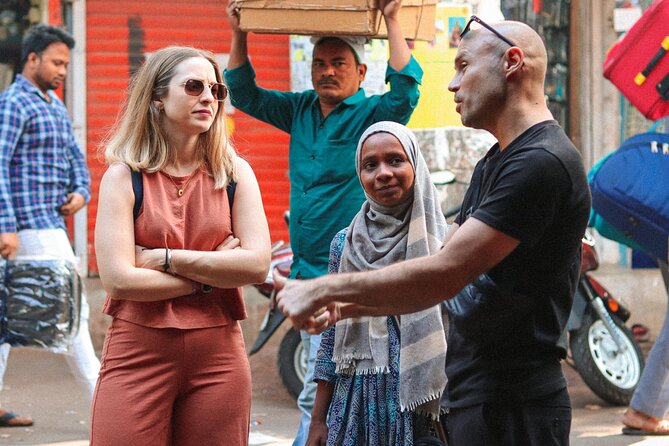
The tour gives you two start options: Third Wave Coffee (Ram Mahal is also listed as an option) and the meeting point may vary depending on what you book. It’s a small detail, but it’s the kind that can save stress in a city like Mumbai.
You’ll be walking for two hours, so showing up ready to move matters. If you’re using public transport, build a little buffer; the neighborhood streets are lively and you’ll want time to check in and meet your guide without rushing.
You should expect the group to be practical in how it moves—tight lanes, frequent turns, and workshop stops where people are working. If you’re trying to “tour” the whole city at the same time, consider this as its own focused block.
The 2-Hour Walk: What the Route Typically Feels Like
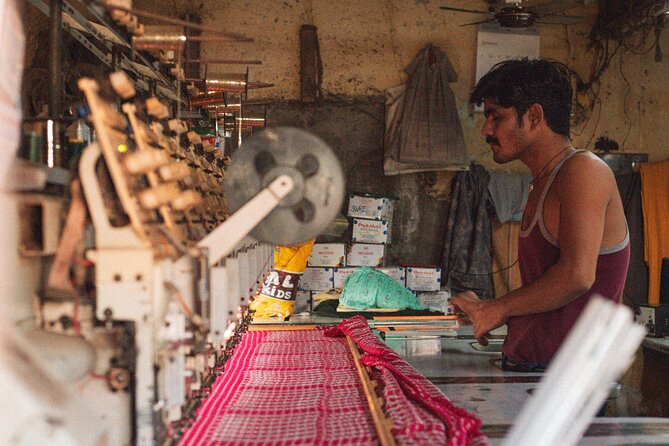
Even with just two hours, the tour doesn’t feel like a drive-by. The pace is built around on-foot exploration and guided visits to key areas, including workplaces and workshops.
Here’s what that means for you moment by moment:
- You start moving right away, so you begin learning while the sights are still new.
- You spend time at small production points rather than only passing storefronts.
- You get time for questions, because the guide’s job is to translate what you’re seeing into everyday meaning.
Some groups also mention a viewpoint moment—one guide’s group highlighted a rooftop perspective over the dense roofs with Mumbai’s skyline in the background. That kind of pause can help you “reset” after absorbing a lot at street level.
If you’re the type who loves asking follow-ups, this format works well. If you prefer “quiet sightseeing,” you can still enjoy it, but you’ll likely be listening more than you’re just photographing.
Pottery Wheels, Leather Craft, Tiny Bakeries, and Recycling Units
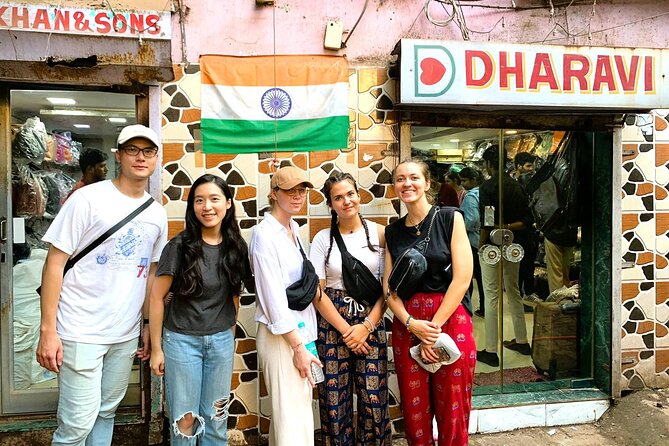
The most consistently praised stops are the hands-on industry moments. These are the places that show you why Dharavi is economically active in ways people often don’t expect.
What you may see during your walk:
- Pottery workshops, including spinning wheels used in the making process
- Leather artisans producing goods with real skill and pride
- Tiny bakeries, where small-scale production is part of daily work
- Recycling units, showing how waste becomes material and livelihoods
What I like about these stops is that they connect the dots. Instead of treating Dharavi as only a story about housing, the tour frames it as an ecosystem of production—families, tools, routines, and markets all tied together.
And because these are workshop-style stops, you’re not just hearing a lecture. You’re watching hands at work and learning what goes into the products and the process. That’s the kind of learning that sticks.
The Human Stories: Entrepreneurship and Daily Life Explained Clearly
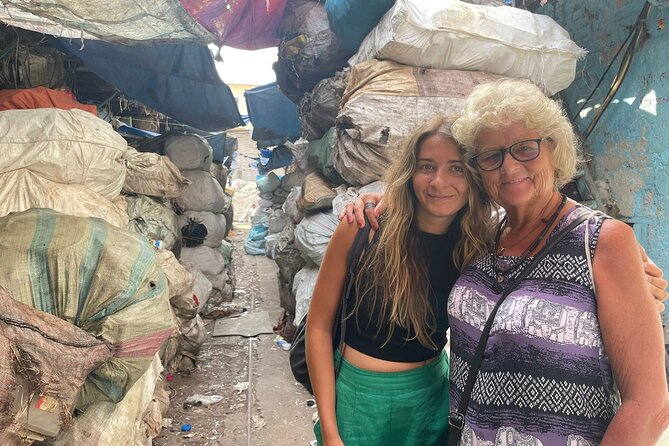
Dharavi’s economy isn’t run by big factories. It’s run by people making things, trading, repairing, and adapting—often with impressive persistence.
This is where the guides’ approach really matters. Guides named in bookings—like Ansh, Sharon, Ruba, and Jawwad (Jay)—are frequently described as giving strong explanations while staying respectful. In other words, you’ll get the “why” behind what you’re seeing.
You’ll also learn how community members understand their own lives: where people come from, how work fits into the day, and what challenges exist alongside resilience. One guide, Ruqaiyya, was specifically mentioned as being based in Dharavi for 20 years, which helps explain the depth of local familiarity.
This human focus is also why the tour can feel meaningful rather than shocking. You’re not there to measure someone else’s hardship. You’re there to understand a city-within-a-city that’s built on work, family networks, and enterprise.



Respect, Privacy, and Photo Rules in Tight Lanes
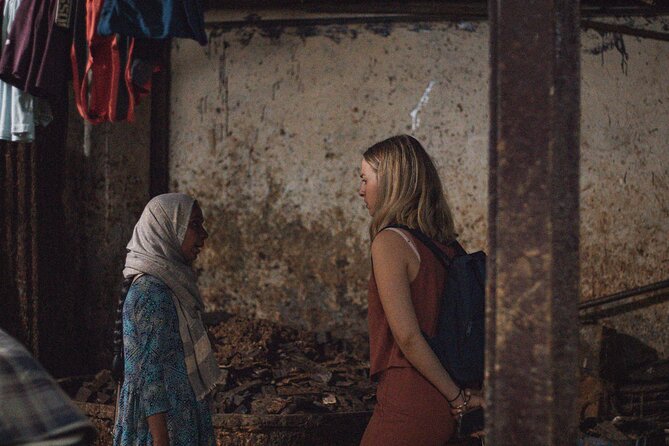
A slum tour can go wrong fast if the energy turns voyeuristic. This experience is repeatedly described as staying on the respectful side, with guides prioritizing privacy and sensitivity.
Here’s the practical part for you:
- Wear comfortable clothes so you can move easily.
- Don’t bring luggage or large bags; you’ll be in crowded lanes where bulky items are just in the way.
- Treat workshop areas like workplaces, not like backdrops.
In places like Dharavi, even a well-intended photo can feel invasive if it’s done without awareness. The guides’ role is to keep you aligned with what’s appropriate, and that’s a big reason many people rate this tour 5 stars.
And yes—noise is real. Some groups mention Mumbai’s general sound level, and that can make it harder to catch every detail. The fix is simple: be patient, stay close to your guide, and ask questions when there’s a gap.
Price and Value: Why $7 for Two Hours Can Actually Make Sense
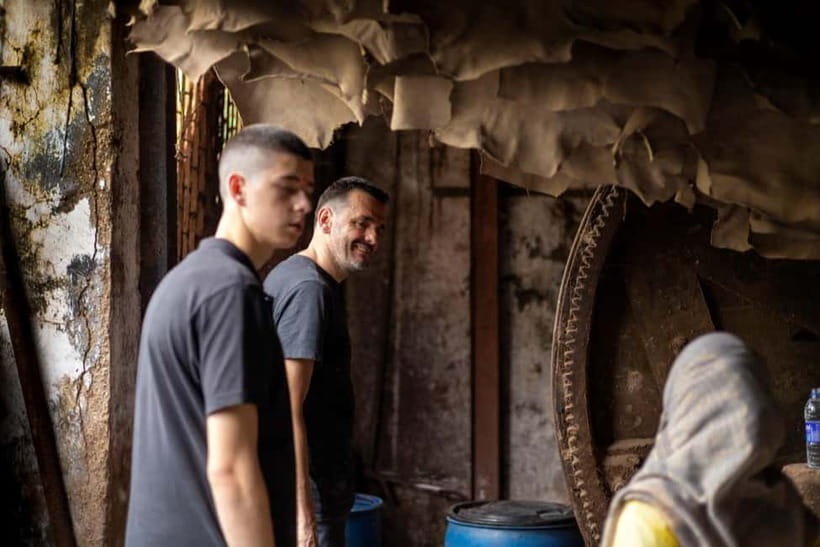
At $7 per person for a guided, on-foot tour, this is priced like a budget experience. But it doesn’t feel cheap because what you’re paying for is local guidance plus access to working areas and guided workshop stops.
Think of value in terms of:
- Time: two hours is long enough to see multiple types of work, not just one quick stop.
- Guidance: English explanations (with real back-and-forth questions) can turn what you see into understanding.
- Local connections: multiple guides are praised for creating a safe, comfortable atmosphere and for knowing the area well.
Is it “luxury”? No. But for the kind of learning you get—industry examples like pottery wheels, leather work, small bakeries, recycling units—this price is genuinely strong.
If you’re on a tight itinerary and want one experience that adds real context to Mumbai, this is a cost-effective choice.
Who This Tour Fits Best (and Who Might Want a Different Plan)
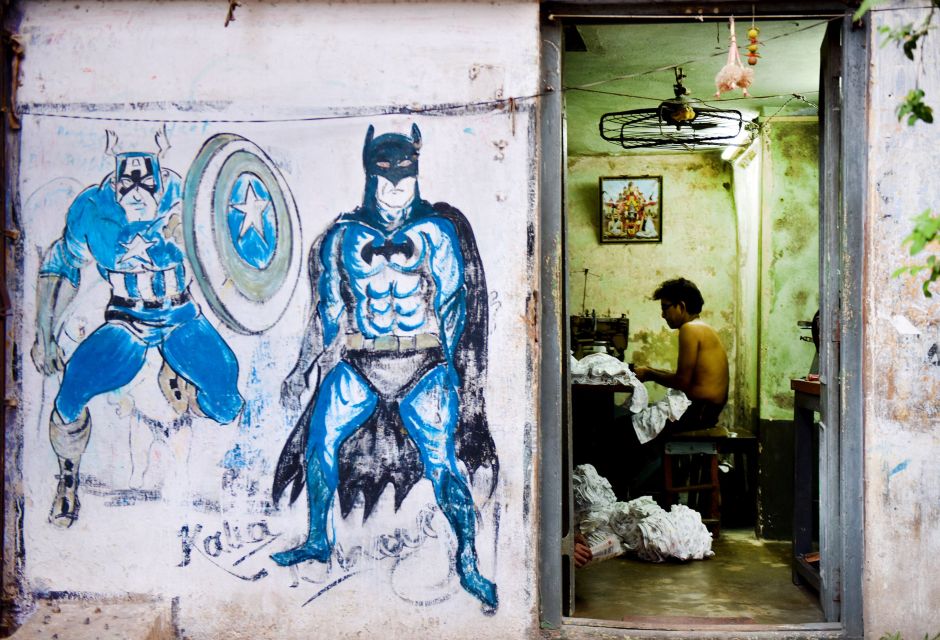
This tour is a strong match if you:
- Want a local perspective on how an urban neighborhood works
- Like learning through real conversations and workplace visits
- Are comfortable walking and staying attentive in a busy, dense setting
- Prefer English guidance and question-friendly explanations
It may feel less ideal if you:
- Want a classic sightseeing vibe with minimal talking
- Struggle with frequent walking in crowded conditions
- Need lots of quiet or guaranteed silence
Also, if you’re the kind of person who carries everything “just in case,” adjust your packing. The tour is not set up for luggage or large bags.
Should You Book Cityscape Mumbai Tours for Dharavi?
If you want a short, affordable way to understand Dharavi as a neighborhood of work and entrepreneurship—not just an image—this is the kind of tour that delivers.
I’d book it if you care about respectful access, guided explanation in English, and seeing specific industries with workshop-style stops. Based on the repeated praise in guide names like Sharon, Ruba, Ruqaiyya, Jawwad (Jay), and Chirag, the experience quality seems heavily tied to who leads your walk—and those guides are consistently highlighted for professionalism and care.
If you’re expecting a perfectly silent museum tour, you’ll be disappointed. But if you’re okay with real streets, real sounds, and learning through human contact, this is a memorable use of two hours in Mumbai.
FAQ
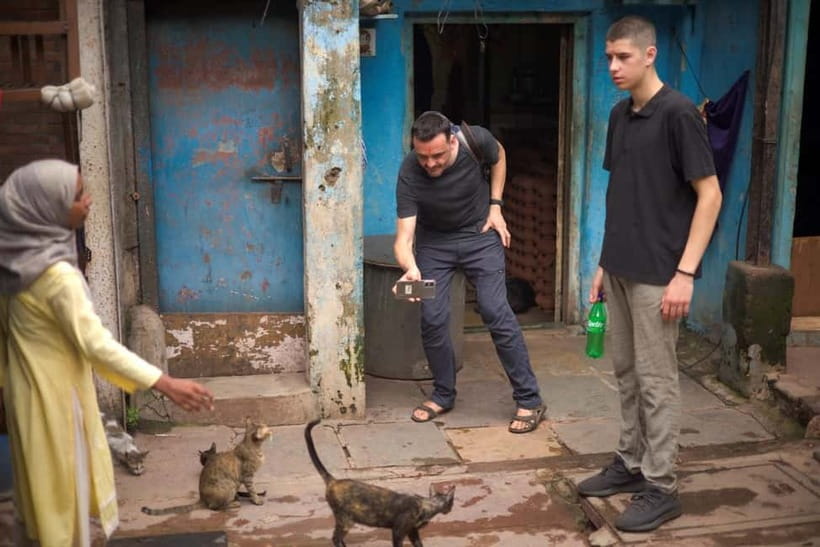
How long is the Dharavi slum tour?
The tour lasts 2 hours.
Is the tour led by an English-speaking guide?
Yes. The live tour guide is available in English.
Where do I meet the guide?
Meeting points can vary depending on the option booked, with listed start locations including Third Wave Coffee and Ram Mahal.
Is food included?
No. Food and beverages are not included, so you’ll need to plan for your own water/snacks if you want them.
Are large bags or luggage allowed?
No. Luggage or large bags are not allowed.
Is there a private group option?
Yes. Private group availability is offered.