REVIEW · MUMBAI
Dharavi Slum Tour in Mumbai
Book on Viator →Operated by Mystical Mumbai · Bookable on Viator
A walk through Dharavi changes your view. This 2-hour Mumbai tour pairs a Dharavi resident college guide with a practical look at daily life and local work in the neighborhood made famous by Slumdog Millionaire. You’re not just passing by scenes. You’re hearing the story from the inside.
Two things I like right away: first, you get context from someone who lives there and can handle real questions with a calm, human touch, with guides such as Rajesh and Samir often praised for their Q-and-A style. Second, the walk is anchored in local industries you can actually see, from plastic recycling to pottery and soap production.
The main thing to consider is comfort level. You’ll be walking for about two hours in narrow lanes, and this is a conservative area, so wear modest clothing that covers shoulders and knees and bring solid walking shoes.
In This Review
- Key Points Worth Your Time
- Starting at Mahim Railway Station: the tour’s easy-to-find launch
- Walking With a Dharavi Resident College Guide
- Slumdog Millionaire Context Without the Theme-Park Feel
- Plastic and Metal Recycling Yard of 13th Compound: the first real window
- What You’ll See Next: recycling-linked trades and small manufacturing
- Schools and Churches: the community side that people forget
- The $70 Question: is this good value?
- Practical Tips: dress, shoes, and how to avoid awkward moments
- Who Should Book This Dharavi Tour, and Who Might Skip It
- Should You Book This Dharavi Experience With Mystical Mumbai?
- FAQ
- How long is the Dharavi slum tour?
- Where does the tour start?
- Who will guide me through Dharavi?
- Is pickup included?
- What’s the group size?
- Is lunch included?
- What should I wear?
Key Points Worth Your Time
- Resident college student guides in Dharavi: you learn directly from people living and studying there.
- A real walking tour: you see the work, not just the headlines.
- Stop at a major recycling yard: plastic and metal work is part of the opening segment near Mahim.
- Community visits with sensitive commentary: you’ll also pass schools and churches to understand everyday life.
- Small-group format (up to 2 travelers): easier pace, more questions, less awkwardness.
- Value at $70: guided access plus the structure of a focused 2-hour experience, with lunch if you choose that option.
Starting at Mahim Railway Station: the tour’s easy-to-find launch

This tour is designed to be straightforward to start. It begins at Mahim Railway Station, which is helpful if you like using Mumbai’s public transport instead of relying on a car. The meeting point also reduces stress. You’re not trying to guess a hotel lobby or wander around side streets looking for a sign.
Pickup is offered, and there are options depending on what you book (group or private). Still, having Mahim as a clear starting anchor is a smart touch. And because it’s near public transportation, you can plan your other sightseeing without feeling locked into a single transport plan.
One more practical detail: the experience has a cap of 2 travelers maximum. That matters in Dharavi because space can feel tight. With fewer people, your guide can keep the pace and routing sensible and you can ask questions without holding up a larger group.
You can also read our reviews of more tours and experiences in Mumbai.


Walking With a Dharavi Resident College Guide
The heart of this experience is the guide. You’ll travel with a college student who lives in Dharavi, and that changes the tone immediately. The commentary tends to be personal but not performative. Instead of vague “this is tough” statements, the guide can connect daily routines, work, and challenges in a way that feels grounded.
You may get different guides, but names show up again and again in the way groups describe the experience. Rajesh is mentioned for thoughtful explanations and an open, question-friendly vibe. Samir comes up for being kind and helpful. Anton (and Anthony) also appear in positive feedback for making the tour feel comfortable from start to finish.
I like this model because it keeps the power dynamic more balanced. You’re not just watching. You’re learning how people navigate their real world. That’s also why you’ll often feel encouraged to ask things and take photos when appropriate, instead of being rushed along like a stop on a checklist.
A quick mindset tip: keep your questions respectful. If you’re trying to understand the work and the community, you’ll be in the right zone. If your plan is mostly “take photos of poverty,” you’ll feel friction fast. This tour works best when you treat it like a human conversation, not an attraction.
Slumdog Millionaire Context Without the Theme-Park Feel
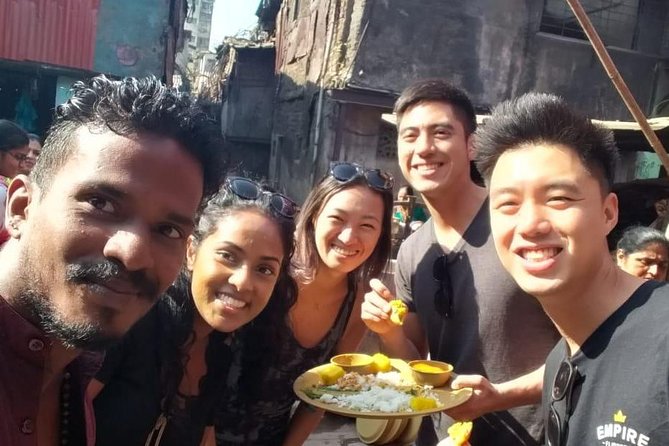
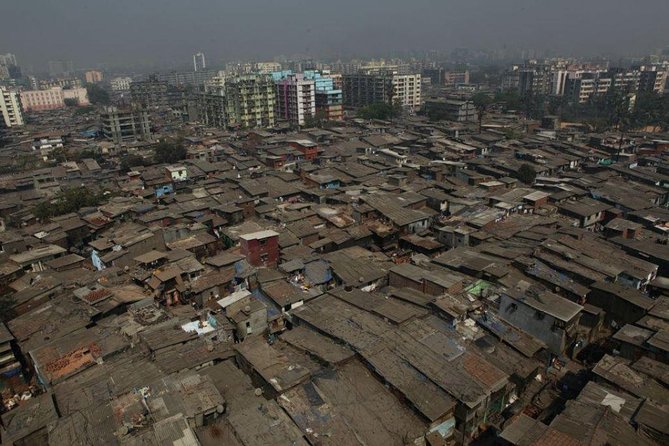
Dharavi has been seen through a movie lens, and this tour acknowledges that. The neighborhood is famous internationally because of the 2008 film Slumdog Millionaire, and your guide uses that context to help you make sense of what you’re seeing now.
That’s valuable because the film can leave people with a simplified mental picture. On this walk, you get the update: the reality of industries, community institutions, and the day-to-day systems people rely on. Instead of chasing movie scenes, you’re learning how the same geography supports work and family life.
The best part is that the guide doesn’t treat the film as a gimmick. You’re more likely to come away thinking in terms of livelihoods and community structure, not cinematic drama.
Plastic and Metal Recycling Yard of 13th Compound: the first real window
The tour’s first movement takes you directly into production and recycling work. After starting at Mahim Railway Station, you head to the Plastic and Metal Recycling yard of 13th Compound.
This is the kind of stop that makes the rest of the tour click. You’ll see small-scale industrial activity—melting and molding plastic, along with related metal work. It’s also where you can understand the “why” behind so many of the other trades you’ll spot later. When recycling and manufacturing are part of everyday survival, the neighborhood’s economy becomes easier to grasp.
One detail that stands out in the description: you’ll get a close look at how plastic items are shaped, including small-sized products like toy-style manufacturing and buttons for popular consumer items. That kind of specificity matters. It stops the story from staying abstract.
Also, admission is listed as free for this activity. So you’re paying for the guide and access to the walking experience, not a separate set of museum-style entry fees.
The practical downside? This is active work. Depending on how the site is running that day, you’ll want to stay aware of your footing and be ready for a “work zone” feel. Move slowly. Follow your guide’s cues.
What You’ll See Next: recycling-linked trades and small manufacturing

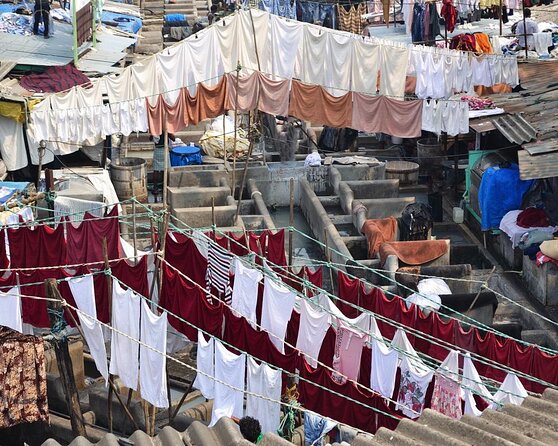
After the recycling yard, the tour becomes a walking chain of trades. The description highlights seeing how residents make their living, including plastic recycling, soap production, pottery, and other methods. Reviews add even more texture, mentioning industries like paint cans, cardboard work, and leather.
Here’s how I’d frame it: you’re not just learning names of activities. You’re learning how materials travel through the neighborhood. Cardboard and metal become packaging and parts. Plastic becomes manufactured items. Craft work turns into saleable goods. Soap production and pottery add another layer: not everything is purely recycling—some work is closer to finishing, shaping, and making.
In the best moments, your guide connects the dots between what you see and what it takes to keep things running: basic supply chains, tools, skill, and the daily rhythm of families living inside the same spaces where work happens.
It can feel surprising, especially if your mind has only seen Dharavi through outside media. The tour’s structure nudges you toward a different takeaway: industriousness and organization exist even in hard conditions. Dignity is not a slogan here. It shows up in how people work and interact.
One consideration: this walk is about observation, not shopping. If you’re tempted to treat it like a market tour, you’ll miss the point. The goal is understanding how a community sustains itself.




Schools and Churches: the community side that people forget
A key part of the experience is stopping by local schools and churches. That’s not a random detour. It’s how you get a fuller picture of community life beyond work.
The tour includes guided commentary about the challenges and issues residents face, and those stops help you see how families plan for the future and build community support. You also get a sense of the social fabric that makes a neighborhood function day after day.
I especially like that the tour doesn’t flatten the story into either tragedy or inspiration. It aims for balance: the work is real, the challenges are real, and the community systems that exist are real too.
One detail that shows up in feedback: part of the tour proceeds are described as going to local school children in Dharavi. That matters because it adds a “why” to your participation. You’re not just consuming information; you’re supporting community-linked outcomes connected to education.
You’ll still want to approach these stops with care. Keep voices low, ask before taking photos, and don’t assume access. If your guide says something is sensitive, follow that guidance.
The $70 Question: is this good value?
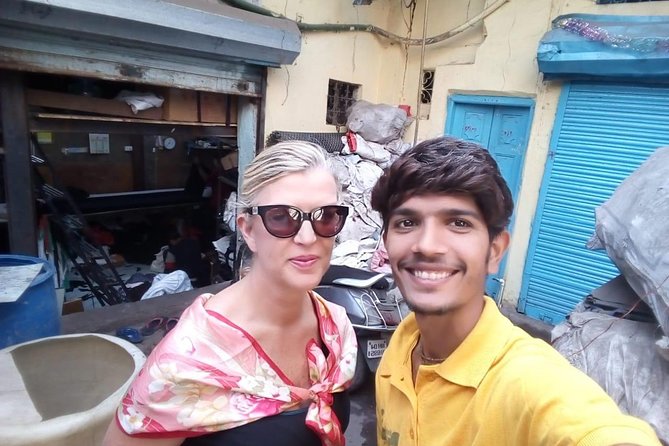
At $70 per person for an approximately 2-hour walk, the price might look steep if your mental model of a slum tour is “cheap and fast.” But the structure here is not the same as a short photo walk.
You’re paying for:
- a resident college student guide (plus a professional guide component is listed),
- a focused route with commentary,
- a walking format that actually connects work and community spaces,
- and access that’s designed to be respectful and informative.
Lunch is included only if you select the tour option that includes it. Food and drinks are listed as not included, so plan on buying something yourself unless your package specifies otherwise.
Also, admission is noted as free for the activity, so you’re not layering on extra sight tickets. If you’re comparing this to paid “guided experiences” elsewhere in Mumbai, the value calculation gets easier. You’re essentially buying time with someone who can explain the neighborhood’s inner workings in a way you can’t replicate on your own.
My take: it’s a fair price if you treat it as education and if you go in with the right expectations. If you want a relaxed stroll with minimal questions and zero chance of feeling uncomfortable for a moment, pick a different plan.
Practical Tips: dress, shoes, and how to avoid awkward moments
This is one of those tours where your comfort choices affect how the whole thing feels.
Dress code: conservative and respectful. You’re advised to cover shoulders and knees. That’s not just about rules. It’s about blending into a community space where everyday behavior matters.
Shoes: you’ll want solid walking shoes. Narrow lanes and uneven surfaces are common in dense neighborhoods, and the tour notes a moderate physical fitness level. You don’t need to be an athlete, but you do need to be ready for real walking.
Photo behavior: the experience encourages photo-taking with your guide’s support, and some feedback notes a comfortable feeling while asking for photos. Still, the safest approach is simple: ask first, keep photos respectful, and avoid photographing people in a way that feels intrusive.
Pace and group size: maximum 2 travelers helps. You’ll likely get more time for questions and fewer interruptions. It also makes it easier to step aside when needed.
Who Should Book This Dharavi Tour, and Who Might Skip It
This tour is a strong match if you want:
- a walking tour that connects industries to everyday community life,
- a resident perspective from a college student guide living in Dharavi,
- and a guided explanation that helps you look beyond stereotypes.
It’s also a good choice if you like structured learning. The tour has clear stops, and you won’t be guessing what to look at next.
I’d think twice before booking if:
- you’re uncomfortable with close-up views of daily life and active work spaces,
- you dislike walking for around two hours,
- or you don’t want to follow a conservative dress expectation.
If you fall into those categories, you may still find the experience meaningful, but your comfort level might take a hit.
Should You Book This Dharavi Experience With Mystical Mumbai?
Yes, if your goal is to understand Dharavi as a living, working neighborhood—not a movie set and not a charity photo moment. The combination of a resident college guide, the focused walk through recycling and manufacturing-linked trades, and the community stops at schools and churches creates a more complete picture than most short “drive-by” alternatives.
Book it if you can handle modest clothing rules, solid walking shoes, and a conversation-based tour. Skip it if you want something purely relaxing or if you’re only interested in quick visuals.
Also consider your timing and transport comfort. Starting at Mahim Railway Station makes it easier to fit into a Mumbai day without needing complex logistics.
If you’re ready to learn with respect, this is one of those experiences that stays with you for the right reasons.
FAQ
How long is the Dharavi slum tour?
The tour is listed as approximately 2 hours.
Where does the tour start?
The tour begins at Mahim Railway Station.
Who will guide me through Dharavi?
You will have a guide who is a college student and lives in Dharavi, along with a professional guide component.
Is pickup included?
Pickup is offered, but hotel pickup and drop-off are listed as not included (they can be arranged if you want).
What’s the group size?
The tour has a maximum of 2 travelers.
Is lunch included?
Lunch is included if you select the tour option that includes lunch. Food and drinks are otherwise not included.
What should I wear?
Dress code is conservative throughout India. Modest and respectful clothing that covers shoulders and knees is recommended.