REVIEW · MUMBAI
Mumbai: Dharavi Slum 2-Hour Walking Tour
Book on GetYourGuide →Operated by Mystical Mumbai · Bookable on GetYourGuide
Two hours in Dharavi feels like a city lesson. This small-group walking tour takes you through narrow lanes where work, faith, and neighborhood life all overlap in one place. You’ll get an insider view of how a “mini-city” keeps moving.
I especially love how the guide turns the spotlight from stereotypes to real trades: you’ll see industries like recycling and hands-on making. You’ll also pass a Slumdog Millionaire filming-related stop, which helps the story stick without turning it into a theme park.
One thing to consider: the rules are strict. You should expect no cameras/photos and modest dress, and it’s not suitable for wheelchair users.
In This Review
- Key things that make this tour worth it
- Entering Dharavi from Mahim: a smart starting point
- A two-hour walking tour that connects work, home, and community
- The narrow alleyway reality: how to see the neighborhood without turning it into a spectacle
- The Slumdog Millionaire stop: pop culture meets on-the-ground context
- Workshops and trades: what you’ll actually see (and why it matters)
- Faith and education you can spot on the walk
- Safety and comfort: how the tour manages a sensitive place
- Price and value: is $65 worth it?
- Practical advice: how to be comfortable and respectful
- Where it ends: Mahim Junction and your next step
- Who should book this Dharavi walk?
- Should you book this tour?
- FAQ
- Where is the meeting point?
- How long is the tour?
- What does it cost?
- Is the tour guided, and what language is it in?
- How big is the group?
- Are cameras or photos allowed?
- What should I bring and wear?
- Is this tour wheelchair accessible?
- What’s the cancellation and payment policy?
Key things that make this tour worth it
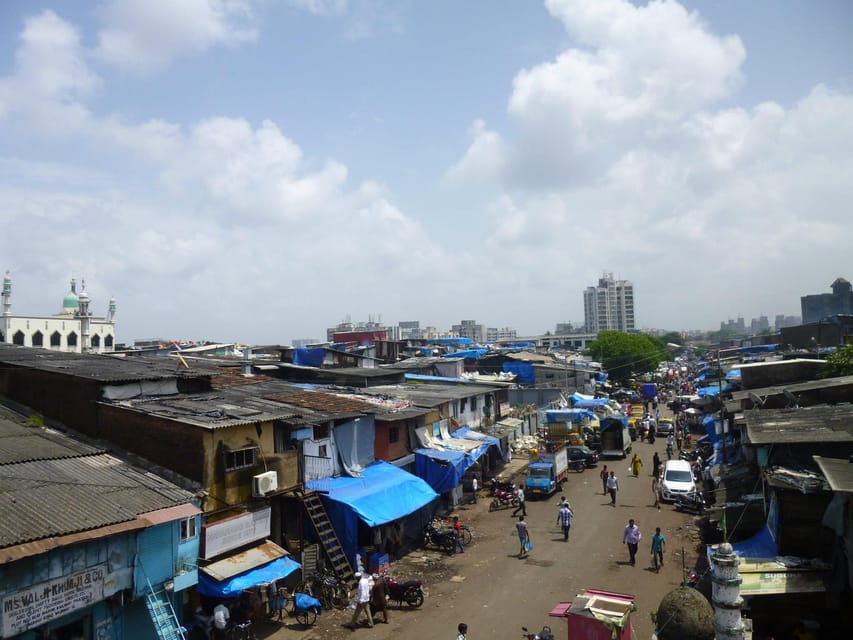
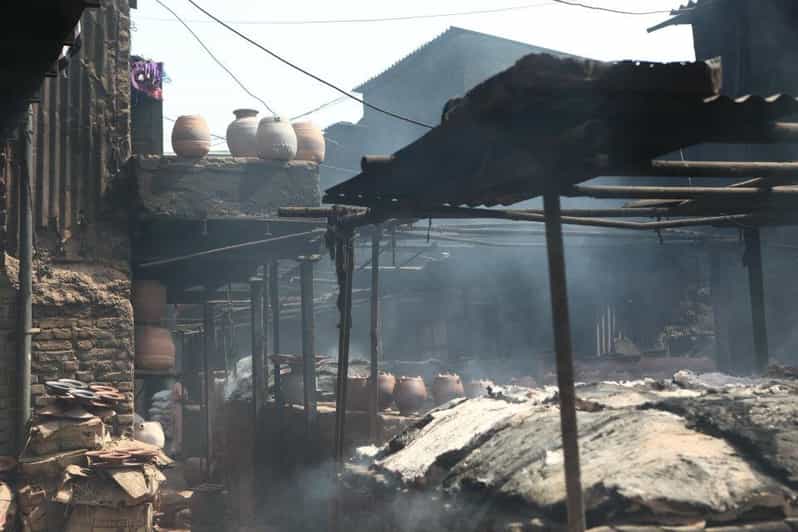
- Dharavi’s lived-in trades: recycling, dye production, leather work, pottery, papadum baking, and soap making
- A Slumdog Millionaire filming stop for pop-culture context you can connect to real life
- Local guidance from Dinesh, who grew up in the slum and can explain what you’re seeing
- Community landmarks in motion: schools and churches used by residents
- A manageable group size (max 10) so questions feel normal, not rushed
- Clear on-the-ground boundaries like when photos are not allowed
Entering Dharavi from Mahim: a smart starting point

The experience starts at a very Mumbai kind of meeting place: Cafe Coffee Day opposite Mahim Railway Station on Tulsi Pipe Road. It’s easy to find, and that matters here because you’re stepping into a working neighborhood, not a fenced attraction.
From there, you’ll move with your guide through the Dharavi area for about two hours. The route is designed to give you variety, so you don’t just see one slice of life and assume you’ve seen everything. This is also why the group stays small, capped at 10 participants.
Your guide will be in a purple shirt with a footprint logo, so you won’t spend your time hunting. If you’re the type who hates awkward meet-ups, you’ll appreciate that the matching is clear.
You can also read our reviews of more walking tours in Mumbai


A two-hour walking tour that connects work, home, and community
Dharavi is often described in extremes, but on this walk the point is different. You’ll get a feel for the community spirit and the practical systems people use to live and earn day to day. The neighborhood is said to house 700,000 to a million people, so the scale alone makes you slow down and look.
As you walk, you’ll notice how busy and purposeful spaces are, even when the buildings feel crowded. The guide focuses on what makes the neighborhood work: people sharing information, skills moving from one workshop to another, and the way daily needs show up right where you are.
This tour also pushes back gently on the “only poverty” narrative. That doesn’t mean hardship is ignored. It means you’ll be shown what’s also true: organization, trade, and community life continuing in plain sight.
The narrow alleyway reality: how to see the neighborhood without turning it into a spectacle
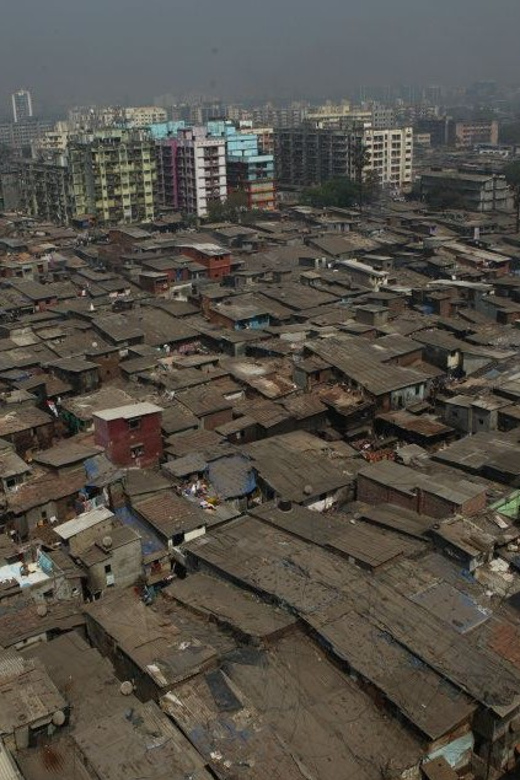
Expect tight lanes and close-up street scenes. This is not a wide-boulevard stroll where you can do easy sightseeing from a comfortable distance. Your feet will do the sightseeing, and comfortable shoes are non-negotiable.
The tour’s rules help keep things respectful and practical. No cameras and strictly no photos means you focus on conversation and observation instead of selfies. It also keeps the pace more human. You’re less likely to slow people down while trying to frame the perfect shot.
Dress for the reality of being in a working neighborhood: modest clothing and no short skirts. You’ll be more comfortable, and you’ll fit the social expectations you’re walking into.
The Slumdog Millionaire stop: pop culture meets on-the-ground context
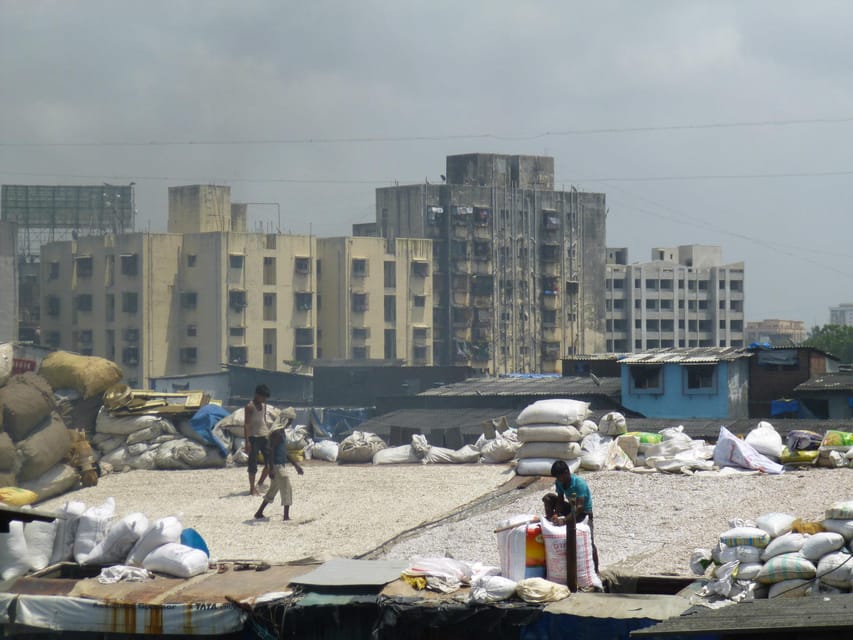
One highlight is a visit to the place linked to the filming of Slumdog Millionaire. The movie made Dharavi famous far beyond India, but the tour’s value is how it connects film memory to something real.
Instead of treating the filming location like a photo backdrop, your guide uses it as context for understanding the area beyond the screen. You’ll likely get explanations about what filmmakers focused on and how that view compares to daily life.
Even if you already know the movie, you’ll benefit from seeing how it sits inside a neighborhood where people continue working, teaching, trading, and praying. That contrast is the point.
Workshops and trades: what you’ll actually see (and why it matters)
This tour is built around the idea that Dharavi is a functioning urban economy. And it shows through hands-on trades that blur the line between industry and everyday life.
You may encounter:
- Recycling-related work, including the kind of vegetable-oil can recycling described for the area
- Dye production, which connects chemistry to craft and product needs
- Leather work and other manufacturing steps tied to local supply chains
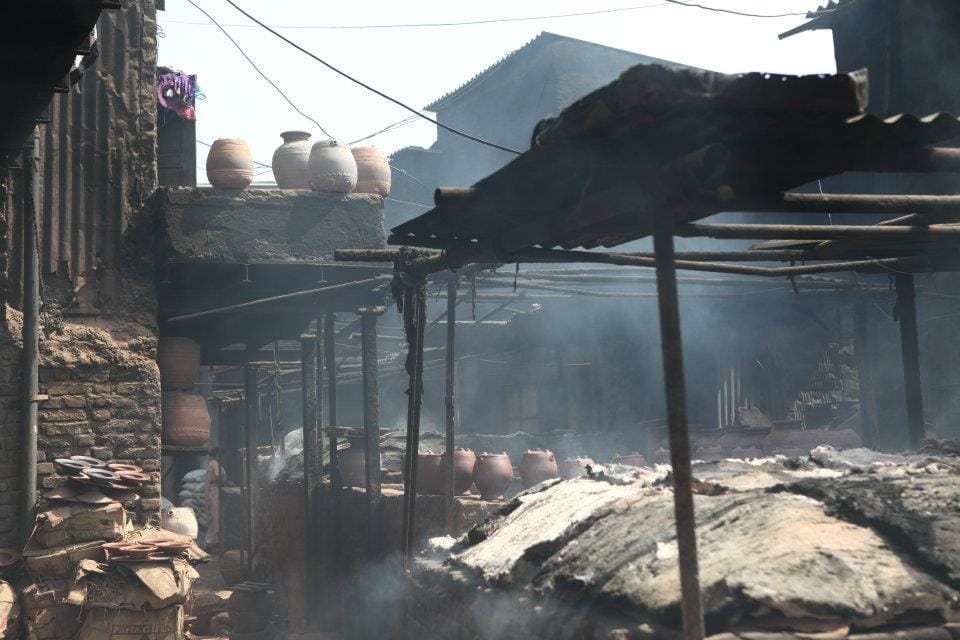
- Pottery workshops, where shaping and firing are part of the workflow
- Papadum baking, because food processing belongs in the same neighborhood map as everything else
- Soap making, another everyday product with a maker behind it
A key value here is how the guide explains the logic. You’re not just staring at activity—you’re learning how one trade feeds another, how materials move through the neighborhood, and how people solve problems with the resources they have.
This is also where your perspective can change fast. If you’ve only ever heard abstract descriptions of Dharavi, seeing the trades up close makes the neighborhood feel like a place with systems, not just a headline.
You can also read our reviews of more tours and experiences in Mumbai




Faith and education you can spot on the walk
The tour doesn’t limit itself to workshops and alleyways. You’ll also see community institutions like schools and churches that residents use.
That matters because it shows Dharavi is not only an economic machine. It’s also a place where kids learn and families gather. These are the kinds of details that help you understand why the neighborhood has staying power despite big-city pressure.
If you’re the type who likes human-scale facts—who uses what space, where people gather, and how routines keep going—this portion delivers.
Safety and comfort: how the tour manages a sensitive place
You’ll be walking through an area where outsiders can easily feel out of place. The tour keeps you grounded through structure and clear communication. You’ll have time to ask questions, and the guide directs you on when the rules require extra attention.
A small group helps a lot. With no more than 10 people, it’s easier to hear explanations and easier for your guide to keep an eye on everyone’s pace in narrow lanes.
Also, the “no photos” approach reduces awkward moments. When you’re not photographing, you’re simply there to learn. It changes the vibe from watching to listening.
Price and value: is $65 worth it?
At $65 per person for a 2-hour tour, this isn’t a bargain deal. But it’s also not priced like a generic sightseeing bus tour.
You’re paying for a few things that add up:
- A live English-speaking local guide who grew up in the area and can explain what you’re seeing
- A structured walk through multiple kinds of spaces: industrial work, residential lanes, and community landmarks
- Access to context around film fame without turning it into a photo stop
- A small group setup, which usually means less waiting and more actual interaction
- Transportation on request included, which can help you manage the jump between the end point and your wider Mumbai plan
If your travel style is “I want to understand how people live, not just where they live,” this price starts to make sense.
If your style is mostly photos and quick stops, the strict no-camera rule may lower the value for you.
Practical advice: how to be comfortable and respectful
Before you go, plan around three things: walking comfort, dress, and sun/water.
Bring:
- A water bottle
- A hat/cap
- Comfortable shoes with good grip
Wear:
- Modest clothing and avoid short skirts
Remember:
- Cameras are not allowed, and taking photos is strictly prohibited
One more practical tip: expect lots of motion and close quarters. If you like to stop constantly to check your phone, this isn’t that kind of tour. Keep your focus up and your pace steady.
Where it ends: Mahim Junction and your next step
The walk finishes at Mahim Junction. Ending here is convenient because it helps you connect back into the city’s transport flow without being stuck far from transit.
If you arranged transportation on request, this is the moment it matters most. You’ll want a plan for how to get back to your hotel, especially after two hours of walking in heat and crowd energy.
Who should book this Dharavi walk?
Book it if you want:
- A guided, human-scale look at Dharavi
- Trade-focused context: recycling, dyeing, leather work, pottery, papadums, and soap making
- A movie-famous stop explained in real neighborhood terms
- A small group experience with space for questions
It’s probably not your best match if:
- You rely on photos for your memories
- You need wheelchair accessibility
- You prefer wide, easy walking routes and minimal rules
Should you book this tour?
I think you should book it if you’re curious about how a dense city neighborhood runs on community work and practical systems. The $65 price feels fair when you factor in the local guide, the small group size, and the fact that you’re learning across multiple aspects of daily life—not just taking a quick look.
Skip it only if the no camera policy and modest dress requirements would make you uncomfortable. If those rules don’t bother you, this is one of the more thoughtful ways to understand Mumbai up close.
FAQ
Where is the meeting point?
Meet at Cafe Coffee Day opposite Mahim Railway Station, Tulsi Pipe Road, Mumbai.
How long is the tour?
The tour runs for 2 hours.
What does it cost?
The price is $65 per person.
Is the tour guided, and what language is it in?
Yes. It includes a live tour guide speaking English.
How big is the group?
The group is small, limited to 10 participants.
Are cameras or photos allowed?
No. Cameras are not allowed, and taking photos is strictly prohibited.
What should I bring and wear?
Bring a water bottle and a hat/cap, and wear modest clothing. Short skirts are not allowed. Wear comfortable shoes.
Is this tour wheelchair accessible?
No. It is not suitable for wheelchair users.
What’s the cancellation and payment policy?
You get free cancellation up to 24 hours in advance for a full refund, and you can reserve now & pay later (pay nothing today).