REVIEW · MUMBAI
Dhobi Ghat (Open Air Laundry) with Dharavi Slum Guided Tour
Book on Viator →Operated by Shreeji Tours n Travels · Bookable on Viator
Laundry workers and entrepreneurs share one Mumbai road. This tour pairs the 138-year-old Mahalaxmi Dhobi Ghat open-air laundry with a guided walk through Dharavi’s small industries, so you see how work happens in real time. I especially like the chance for great photos and the way guide Rakesh keeps explanations clear, but you should plan for heat and crowds, and the tour depends on good weather.
You start with washer-men called dhobis working in the open, cleaning and drying linens from hotels and hospitals. Then you head into Dharavi by foot for a focused walk through workshops and homes, with a water break in between so you’re not running on fumes.
In This Review
- Key highlights worth planning for
- Mahalaxmi Dhobi Ghat: 1890 laundry built for the open air
- The Dharavi walk: seeing small industries inside cramped spaces
- Recycling area and plastic pellets: the process you can actually trace
- Rooftop visit: tin hutments, long views, and a reality check
- Community center and the context that turns photos into understanding
- Where pickup and A/C fit into a 5–6 hour day
- Price and value: when $30 feels fair for this route
- Etiquette and expectations: how to get the best out of Dharavi
- Should you book this Dhobi Ghat and Dharavi tour?
- FAQ
- How long is the tour?
- What’s included in the price?
- Are meals included?
- Where does the tour start and what time does it begin?
- Is this tour private?
- Do I need good weather?
- Who should consider booking this tour?
Key highlights worth planning for
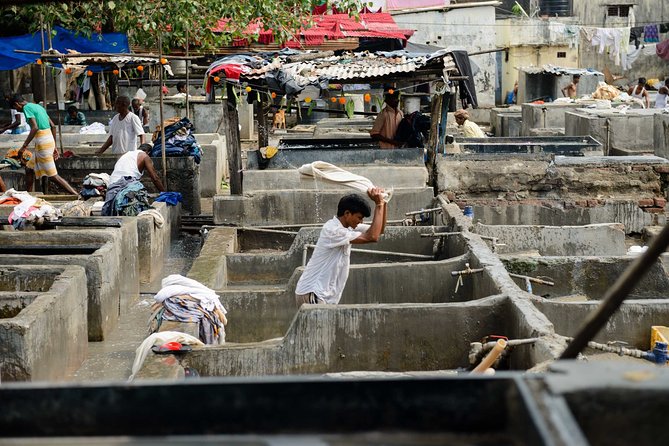
- Open-air dhobi work at Mahalaxmi Dhobi Ghat, built in 1890 and still functioning as a traditional commercial laundry
- A guided Dharavi walking route through both commercial and residential areas, with a clear focus on how small industries survive and export
- Recycling as a full process, including metal/plastic sorting and finished plastic pellets
- A rooftop visit to see tin hutment rows stretching out as far as you can see
- Community stops that add context beyond the alley-and-workshop photos
Mahalaxmi Dhobi Ghat: 1890 laundry built for the open air
Dhobi Ghat is one of those places that feels both ordinary and unbelievable at the same time. You’re watching a working laundromat, not a museum. In Mahalaxmi Dhobi Ghat, the laundry operation dates back to 1890, and it’s one of the few surviving traditional commercial laundries in Mumbai.
What makes it special is the setting. The washers work in the open—clothes and linens are cleaned and dried outdoors—so you see the full rhythm of the operation. Dhobis are the washer-men, and the clothes they handle come from major city services like hotels and hospitals. That’s a big clue for what you’re looking at: this is not just community washing. It’s commercial work built around speed, volume, and consistency.
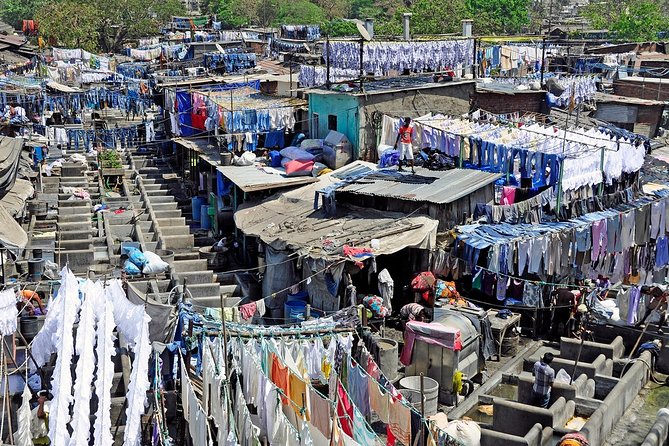
If you care about photography, this is one of your strongest stops. The lines of drying fabric, the brick-and-water layout, and the movement of workers create instant visual layers. Just keep your camera manners in check. People are working. Ask before you zoom in close, and use your zoom lens rather than getting into someone’s space.
Time-wise, plan on about an hour here. That’s enough to understand what’s happening and to notice the details—without dragging you through a long, repetitive loop. If you want extra time for photos, you might feel a little rushed, because the schedule then moves you toward Dharavi.
One more thing: the term Dhobi Ghat is used all across India for places where many washers work. This tour picks Mahalaxmi, so you get the benefit of a specific location with a deep legacy—but the lesson is broader: open-air laundry is still part of how cities function.
You can also read our reviews of more guided tours in Mumbai



The Dharavi walk: seeing small industries inside cramped spaces
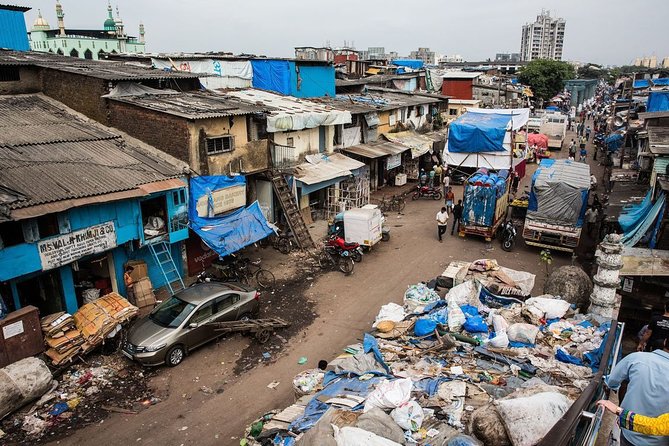
Then you shift worlds—same city, totally different scale. Dharavi is described as Asia’s largest slum area, but the framing that matters on this tour is extreme entrepreneurship. You don’t get a lecture about poverty. You get a guided look at how many small-scale industries operate day to day in tight quarters.
The walk is about two hours, and you cover both commercial and residential areas. The goal is to understand the whole ecosystem: workshops, production, and the way goods move into domestic and international markets. The list of trades you might encounter during the route is wide: plastic recycling, leather goods, pottery, embroidered garments, soap making, bakery work, color dye, and more.
You’ll also hear cultural texture as you go. The tour mentions Muslim artisans preparing a shrine for Hindus, along with schools, hospitals, and housing. That kind of detail matters because it shows how communities share space and responsibility. It’s not just an economic story. It’s a living community story.
And yes—this is also a place associated with a major film shoot. That can make the first few minutes feel like you’re stepping into a familiar set. But the real payoff is when you stop thinking about a movie and start looking at the practical systems: people turning small rooms into production floors and routing waste into new materials.
This part is best for you if you like real working neighborhoods and you’re comfortable walking. You’re on foot, so the experience is as much about pacing and observation as it is about any single “must-see.” Wear comfortable shoes, and bring patience for narrow lanes and busy corners.
Recycling area and plastic pellets: the process you can actually trace
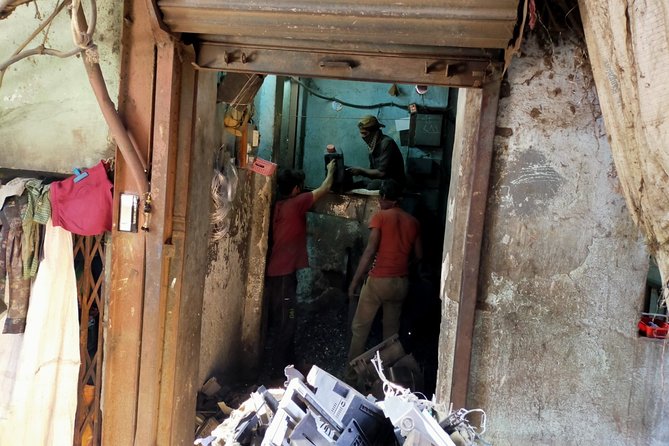
One of the most specific—and most memorable—parts of Dharavi on this tour is the recycling focus. The itinerary highlights a dedicated recycling area where metal and plastic arrive from all over the world. You can see how materials are sorted and processed until you reach finished plastic pellets.
That’s a big deal. Lots of tours point at recycling and stop there. Here, the emphasis is on the full chain: sorting to output. Seeing pellets at the end helps you connect the dots between raw waste and actual industrial inputs. It turns recycling from a vague idea into a measurable production stage.
If you’re the type who likes cause-and-effect, this is where you’ll feel it most. You start to understand how labor, space, and organization create value from materials others might consider trash. It’s not only about making something new. It’s also about turning a supply stream into a predictable product.
Practical note: during the walk, you may be surrounded by working areas where movement is constant and space is tight. Keep your hands clear, avoid bumping into workstations, and don’t stand in doorways. A calm approach lets your guide keep the group moving and keeps you out of the way of production.
Rooftop visit: tin hutments, long views, and a reality check
Then comes the rooftop moment. The tour includes a visit to view tin hutments that stretch on as far as you can see. Even if you’ve seen dense housing from street level, rooftops give you a different scale. It’s not just “houses close together.” It’s a layered view of how many lives are stacked in a small footprint.
This is where the tour becomes emotional for many people. You get a sense of how vertical space functions, and how people adapt housing to limited ground area. The itinerary even frames the rooftop view as unforgettable, and that makes sense—because it’s the first time you can step back and compare patterns across a wider area.
For you, the key is how you handle the moment. Don’t treat it as a sightseeing deck. Think of it as a viewpoint provided because the guide wants you to understand the geometry of everyday life there. A few quiet seconds of looking can do more than a hundred quick photos.
Weather also matters here. Rooftops can be exposed, and the overall experience is noted as requiring good weather. If the day is wet or unusually windy, the rooftop part could be adjusted or not run as planned. That’s worth keeping in mind.
Community center and the context that turns photos into understanding
A good tour doesn’t only show what a camera likes—it shows what the place needs you to know. This one includes a community centre stop, which helps fill in gaps.
As you move from workshop areas to residential streets, context matters because Dharavi includes schools, hospitals, and places where daily life continues alongside production. The community centre stop acts like a bridge. It helps you move from seeing activities to understanding why those activities happen in that specific way.
If you’re coming from an area where services and industries are separated by zoning, this stop is especially helpful. Dharavi compresses everything into the same neighborhood. So the “why” can be harder to grasp unless someone points out how the community organizes its resources.
Guides also make a difference in how comfortable you feel. In the experience notes you’ll find that the guide team focuses on clear communication, including adapting to different English levels. One highlight from past participants is how guide Rakesh uses simpler words and explains at a comfortable pace, with some humor along the way. That kind of pacing isn’t just nice—it helps you actually process what you’re seeing.



Where pickup and A/C fit into a 5–6 hour day
This is a 5 to 6 hour tour, and the duration matters because it includes two very different environments. The transport segment helps a lot. You get pickup and drop, plus an air-conditioned vehicle.
That A/C isn’t just comfort; it’s also time management. You don’t want to arrive at an open-air laundry in full heat exhaustion, then spend two hours walking on top of that. The vehicle and water break help you stay functional.
The tour start time is 10:00 am, with the end back at the meeting point. The meeting point is at Third Wave Coffee, Tip Road, Unit no.58, Ground, Ram Mahal, Senapati Bapat Marg, Marinagar Colony, Station, Mahim, Mumbai, Maharashtra 400016, India. Clear meeting instructions are also mentioned as part of the experience quality, which is what you want in a city where street-level landmarks can be confusing.
You’ll also get mineral water included, and the tour description notes refreshments between the two parts. I’d treat that as your hydration checkpoint. If you’re the type who forgets to drink until you feel thirsty, set a small reminder in your mind before you reach Dharavi.
One logistical note: this is a private tour/activity, meaning your group participates. That matters for your comfort and question time. In a place like Dharavi, a good guide flow prevents you from getting separated or stalled at bottlenecks.
Price and value: when $30 feels fair for this route
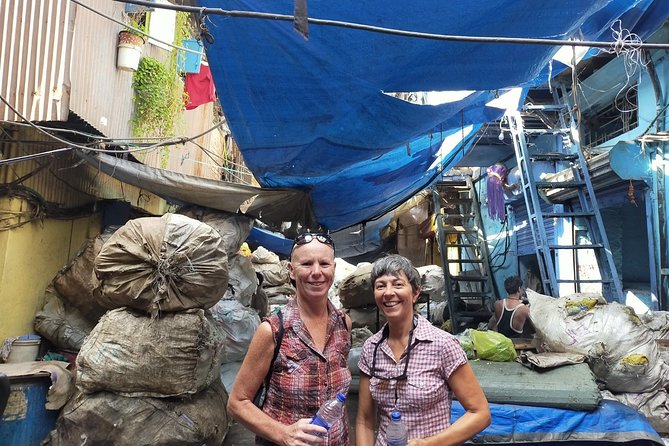
At $30 per person, this tour sits in a “budget day” range, but the value is in what you’re paying for. You’re not just getting a walking tour. You’re also paying for guided entry into Dhobi Ghat, plus pickup and drop, plus the air-conditioned vehicle, plus mineral water and included admission tickets.
Here’s the practical way to think about the price: you’re buying convenience (transport and pickup), time efficiency (you spend dedicated hours at the right places), and local interpretation (a guide who can explain the working process you’re seeing). For many visitors, Dharavi tours can be hard to organize on your own without losing time. This setup saves you that mental load.
Group discounts are also mentioned, and because the tour is private for your group, you’re less likely to get the uncomfortable experience of being squeezed into random pacing.
What you should consider is what you want emotionally from the day. If you’re only after “nice views” and quick photos, this may feel intense. If you like seeing how labor, reuse, and small enterprise connect, the pricing makes more sense because it covers both the industrial and human layers of the day.
Etiquette and expectations: how to get the best out of Dharavi
Dharavi requires a different travel mindset than a typical sight-seeing circuit. You’re walking through working spaces and homes, and the tour description even mentions you’ll visit commercial and residential areas. That means you should plan to be respectful and low-impact.
Camera tips for you:
- Ask before photographing people up close.
- Avoid blocking entrances, narrow walkways, or workshop flows.
- Take a few wider photos, then step aside to let your guide keep the group moving.
Question tips:
- Your guide can explain the industries and the steps in recycling. Ask questions, but keep it focused. In tight spaces, long back-and-forth can slow everything down.
- If you’re unsure about language barriers, this tour’s communication style is noted as adaptable. Rakesh in particular is described as using simpler words for people with lower English comfort levels. That’s a real benefit.
Behavioral expectations:
- Expect movement, smells, sounds, and the fact that this isn’t curated for tourists.
- Keep your tone calm. Your goal is respectful curiosity, not shock.
If you come with that attitude, you’ll likely walk away with a clearer sense of how systems work when space is limited and recycling supplies are constant.
Should you book this Dhobi Ghat and Dharavi tour?
I’d book this if you want two real working scenes in one day: open-air laundry that’s been running since the 1890s, followed by a guided walk through how tiny industries turn waste and skill into export-level products. The price is reasonable when you factor in pickup, transport, admission, and a guide who explains with enough clarity that you can actually connect the dots.
Skip it or choose another option if you hate walking, dislike being in crowded neighborhoods, or you’re sensitive to weather exposure because rooftops are part of the experience and the tour requires good conditions.
If you like practical, human-scale travel—where you come away understanding daily work—this is a strong choice.
FAQ
How long is the tour?
The Dhobi Ghat visit takes about 1 hour, and the Dharavi guided walking tour takes about 2 hours. The full experience runs about 5 to 6 hours.
What’s included in the price?
Included items are a local English-speaking guide, mineral water, pickup & drop, toll tax and parking fees, and air-conditioned vehicle transportation, plus admission tickets for both parts.
Are meals included?
No meals are included. Water and refreshments between the two parts are mentioned, but you should plan food on your own if you need it.
Where does the tour start and what time does it begin?
The tour starts at Third Wave Coffee, Tip Road, Unit no.58, Ground, Ram Mahal, Senapati Bapat Marg, Marinagar Colony, Station, Mahim, Mumbai, Maharashtra 400016, India, at 10:00 am. It ends back at the meeting point.
Is this tour private?
Yes. It’s described as a private tour/activity, with only your group participating.
Do I need good weather?
Yes. The experience requires good weather. If it’s canceled due to poor weather, you’ll be offered a different date or a full refund.
Who should consider booking this tour?
It’s suitable for most travelers, especially if you want a guided look at traditional open-air laundry and a focused walking tour through Dharavi’s industries and community areas rather than a quick photo stop.