REVIEW · MUMBAI
Dharavi Slum Tour
Book on GetYourGuide →Operated by Linda Tour Mumbai · Bookable on GetYourGuide
Dharavi changes the way you think about cities. This Dharavi Slum Tour focuses on real work, real trade, and the everyday systems that keep thousands of households moving forward. I like that it swaps stereotypes for specifics, so you come away with facts you can actually repeat.
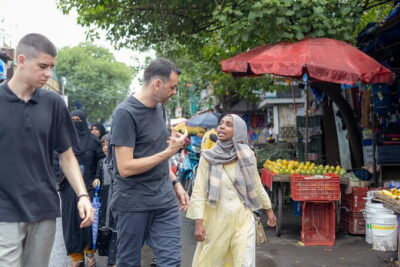
Two things I’m especially drawn to are the guided walkthrough and the recycling-based sights. A local guide helps connect the dots as you pass through the plastic and metal recycling areas, including hands-on processes linked to items made for well-known brands. The main consideration: it’s a walk in close quarters, so comfortable shoes matter more than you might expect.
Also, this is not a sit-and-watch show. You’ll be moving through active neighborhoods where rules like no alcohol and no nudity are taken seriously—so keep expectations grounded and act like you’re visiting someone’s home.
In This Review
- Key highlights worth clocking before you go
- Dharavi in real life: what you see (and why it matters)
- Getting there from Mahim Railway Station: pickup and timing that actually work
- The 2-hour guided walk: what the neighborhood route feels like
- The recycling yard visit: plastic, metal, and the step-by-step “how it’s made”
- Daily life angles: more than housing, more than need
- Where you’ll end up: Third Wave Coffee and Dhobi Ghat drop-offs
- Guides and value: what makes this tour earn 5-star praise
- What to bring, what not to do, and how to stay comfortable
- Who should book the Dharavi Slum Tour (and who might not love it)
- Should you book this tour?
- FAQ
- How long is the Dharavi Slum Tour?
- Where does the tour start?
- How do hotel pickup and drop-off work?
- What are the drop-off locations?
- Are entry fees included?
- Is a meal included?
- Is bottled water provided?
- What language is the guide?
- Are there any restrictions on what I can bring or do?
Key highlights worth clocking before you go
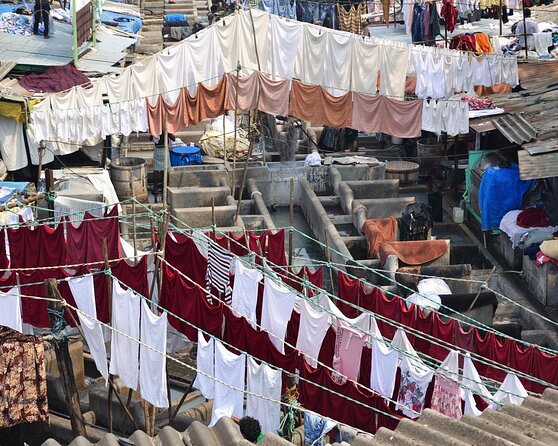
- Strong local guiding: Guides like Ruqaiyya, Neha, and Rihanna (spelled that way in feedback) are praised for clarity and friendly answers.
- Recycling you can see: You’ll visit the plastic and metal recycling yard tied to the 13th compound.
- Work that connects globally: You learn how small-scale shops make products that reach Indian and international markets.
- Two-hour walk format: The core tour is a guided 2-hour walk, with longer options depending on pickup/vehicle time.
- Thoughtful ending points: Drop-offs can include Third Wave Coffee and Dhobi Ghat.
- Good value: At about $8 per person, the price-to-time ratio is hard to beat.
Dharavi in real life: what you see (and why it matters)
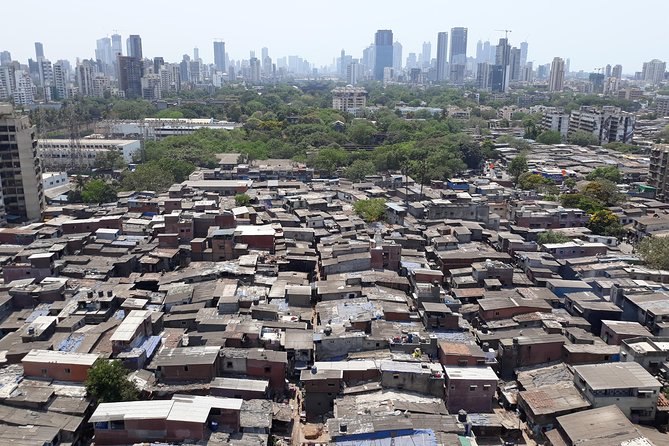
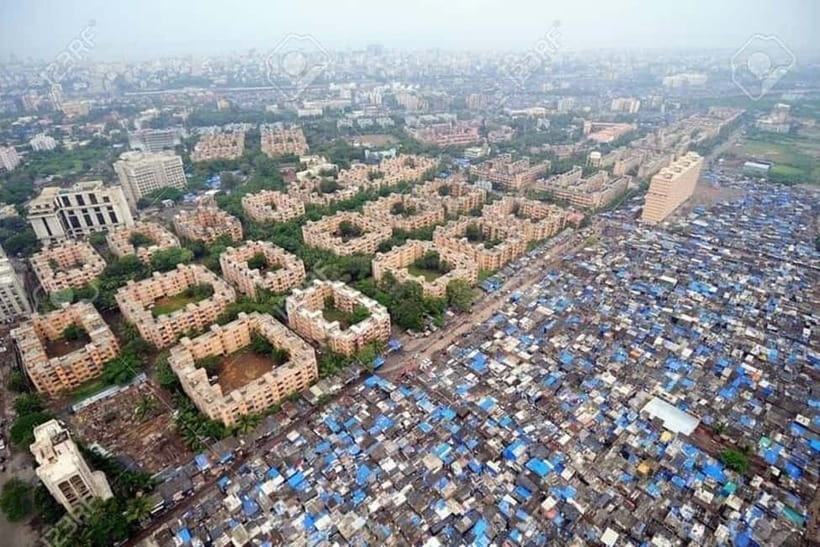
Dharavi is often described as a slum from the outside. This tour tries to flip that lens. It frames Dharavi as a city within a city—full of people doing jobs, trading materials, and building livelihoods.
You’re also given hard numbers to anchor the story. The tour explains that Dharavi is home to an estimated 20 million hardworking residents and is associated with an annual economic output often cited at about $1 billion. Whether you take every statistic as exact or not, the intent is clear: this neighborhood isn’t only about need. It’s also about production, skill, and supply chains.
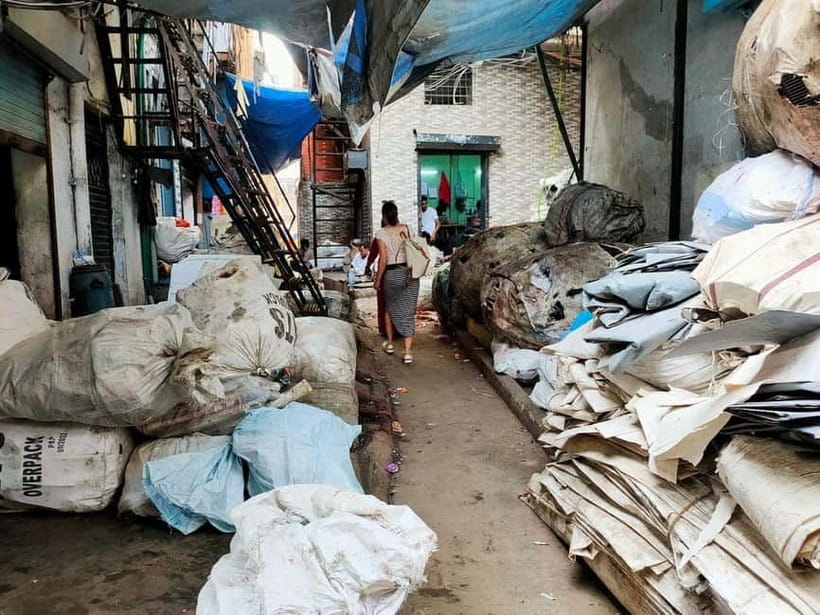
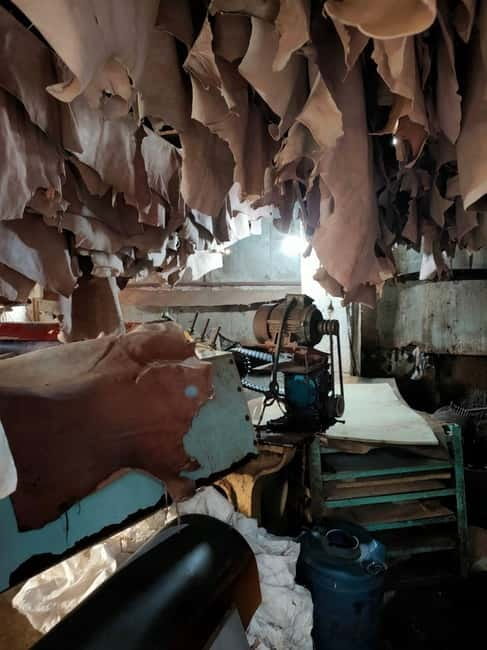
The emphasis is on industries that run at human scale. You’ll hear about work tied to plastic recycling, leather goods, ceramics, embroidered garments, and other trades. The point isn’t to romanticize hardship. It’s to show how ordinary rooms and shared spaces can become working workshops—sometimes making high-quality items in surprisingly compact setups.
That matters because it changes your questions. Instead of asking what you should feel, you start asking how things operate: Where do materials come from? Who buys them? How does the work move from one step to the next? This tour encourages you to notice the systems.
You can also read our reviews of more tours and experiences in Mumbai.


Getting there from Mahim Railway Station: pickup and timing that actually work
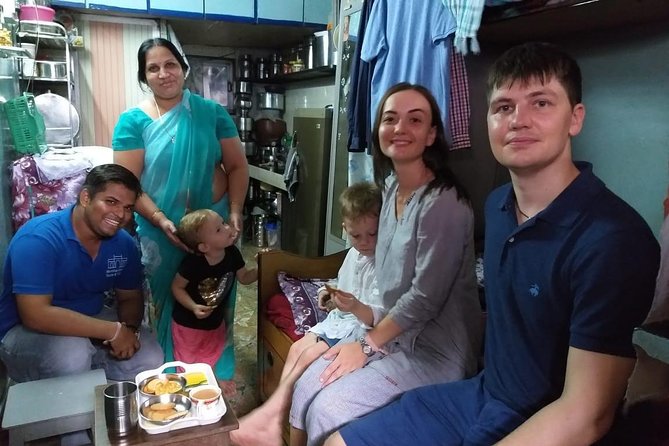
Tours like this live or die by logistics. Here, the structure is pretty straightforward.
The tour starts at Mahim Railway Station. From there, you’re guided through the neighborhood on foot. Depending on the option you choose, your total time can run from 2 to 7 hours, which usually covers pickup and transport time in addition to the walk.
Pickup is optional, and if you opt in, you’ll be picked up from your hotel/port area and dropped off afterward. The practical instruction is simple: if pickup is included, you should wait in the hotel lobby about 10 minutes before your scheduled time. That one detail can save you stress.
Meeting points can vary by option. You’ll want to double-check the specific landmark or point given when you book, because the tour doesn’t promise one single universal start spot. Once you’re at the agreed location, you’re in good shape.
One more practical note: bottled water is included, and you travel by an air-conditioned vehicle for the transfer parts. In Mumbai’s heat, that’s not a luxury—it’s what keeps the afternoon from turning into a survival mission.
The 2-hour guided walk: what the neighborhood route feels like

The core experience is a 2-hour guided walk through Dharavi. That time window is big enough to see how places function, but short enough that you’re not stuck for hours in conditions you didn’t plan for.
What makes the route meaningful is the way it’s organized around industry. You’re not just moving past houses; you’re moving through work areas and learning how materials transform. Your guide keeps the story anchored so you don’t feel lost in the maze.
The walk is designed for clarity. You’ll get context on what you’re seeing, plus explanations of how residents produce goods and how those items reach wider markets. Even if you’re not a commerce nerd, the comparisons help—because they show you that these are real businesses with real buyers, not just background poverty.
Still, there’s a consideration: Dharavi is active and close. This is why comfortable shoes are recommended. Plan for uneven surfaces and plenty of foot traffic. Don’t wear anything you’d regret if it got scuffed.
The tour is also guided in multiple languages—English, Hindi, and Marathi—so you’re not stuck relying on gestures if you’re not fluent in English. A strong guide can make a huge difference here, and the feedback on that point has been consistently high.
The recycling yard visit: plastic, metal, and the step-by-step “how it’s made”
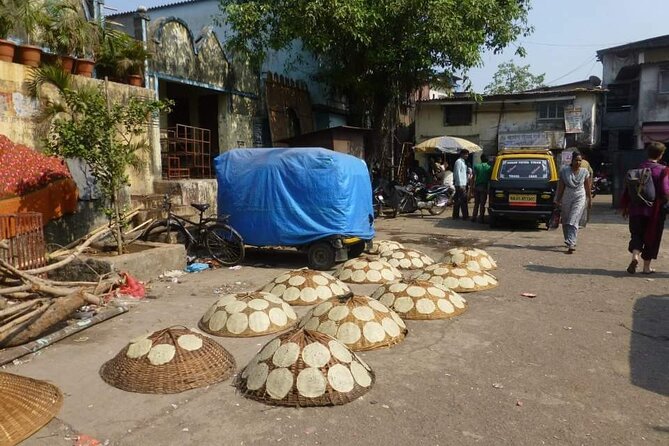
One of the most concrete parts of the tour is the visit to the plastic and metal recycling area in the 13th compound. This is where the tour earns its money—not by being dramatic, but by being specific.
You’ll see the processes connected to melting and molding plastic toys and making items like buttons. The tour description also ties this work to production linked to well-known brands in India, including Barbie dolls in India. The takeaway is bigger than one brand name. It’s about showing how international-grade consumer items can start from reused materials and local expertise.
Watch for how the guide explains sequence. Recycling isn’t one moment—it’s a chain. Materials get sorted, processed, shaped, and then moved onward. When a guide talks through that chain, you start to understand how waste becomes input and how labor turns into finished goods.
It’s also a chance to notice scale. Some of the work happens in tight, busy spaces where everything has to function close together. That’s why the tour stresses that many products are made creatively in compact areas. The creative part isn’t about art class. It’s about engineering and problem-solving under constraints.
You should go in with the right mindset: you’re learning, not judging. The goal is to see the effort and the logistics, even if it’s very different from what you’re used to. If you can keep that frame, the recycling yard stop becomes one of the clearest “aha” moments of the day.
Daily life angles: more than housing, more than need
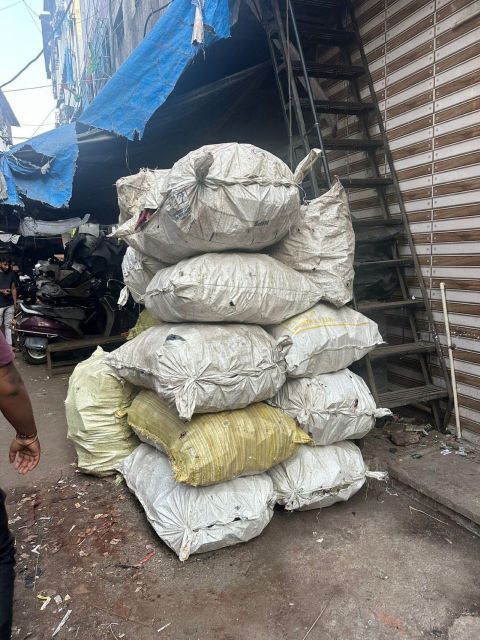
This tour keeps steering away from the usual “only poverty” narrative. It presents Dharavi as a place where people from various walks of life coexist, and where residents have built economic activity across multiple trades.
That matters because many visitors arrive with a single mental picture. This tour introduces a second one: neighborhoods can be difficult and still be productive. Dharavi is presented as resilient, with residents working hard and running small industries that support families.
The tour also points out that Dharavi has historical roots reaching back to the British colonial era, with a founding date given as 1883. You don’t need to become a history student to appreciate why this comes up. It frames the neighborhood as something that evolved over time rather than appearing overnight as an urban problem.
In practical terms, this daily-life angle helps your guide answer questions you didn’t plan to ask. People naturally want to know how jobs work, how goods get made, and what daily routines look like. A strong guide will connect the dots without turning the tour into a lecture.
This is where the standout feedback matters. Guides such as Ruqaiyya are repeatedly praised for depth, clarity, charm, and excellent English, with a special emphasis on how well they answer questions. Another praised guide is Neha, noted for showing multiple interesting daily-life spots. Rihanna is also mentioned as a very good guide, with recycling highlighted as important for employment.
When the guiding clicks, the neighborhood starts to feel less like a spectacle and more like a place with logic.




Where you’ll end up: Third Wave Coffee and Dhobi Ghat drop-offs
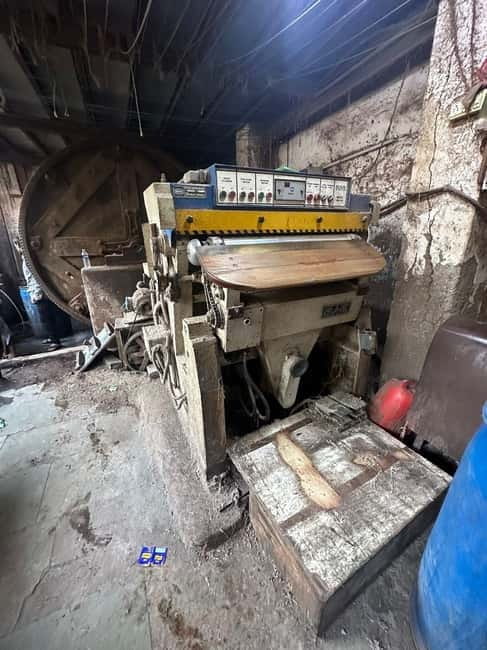
At the end, you don’t just vanish back into the starting point. The tour includes drop-off locations that can include Third Wave Coffee in Mumbai and Dhobi Ghat.
That choice is practical. Third Wave Coffee is a clear, easy-to-find reference point for many visitors. Dhobi Ghat is also a known area name in Mumbai, which can help you plan what to do next without guessing.
If you’re thinking ahead—shopping, a quick snack, or moving on to another sight—you’ll appreciate having a named endpoint. It prevents that annoying moment where everyone wonders where the “end” actually is.
Also remember: your total tour time depends on the option you pick, so even if the walking portion is about two hours, the full day can stretch longer. The vehicle time and your pickup/drop-off route can add to that window.
Guides and value: what makes this tour earn 5-star praise
The most consistent praise you can take seriously here is about the guides.
Names that show up in the feedback include Ruqaiyya and Neha, both described with a focus on being friendly, helpful, and clearly able to explain what you’re seeing. Ruqaiyya gets credit for depth of knowledge and delivery that stays clear and engaging. Neha gets credit for helpfulness and showing many interesting parts of daily life. Another guide, Rihanna, is also mentioned for being very good.
The reason this matters for you is simple: in a place like Dharavi, a guide isn’t optional. Without guidance, you’ll just see a scene. With guidance, you understand the story behind the scene—how work fits together, why recycling is central, and why stereotypes don’t match the lived reality.
Now about money. The price is listed at $8 per person. For a two-hour guided experience with entry fees covered, bottled water included, and transport in an air-conditioned vehicle, that’s strong value. It’s especially good if you’re on a tight schedule and want one focused, high-impact outing rather than a long, expensive half-day.
Also, the tour notes a private group option. If you’re traveling with friends or want less crowding during the walk, that’s worth considering. Private doesn’t automatically mean better, but it can make asking questions and moving at your pace easier.
What to bring, what not to do, and how to stay comfortable
This tour gives you the basics, and you should follow them.
Bring:
- Comfortable shoes for the walk
Not allowed:
- Alcohol and drugs
- Nudity
That’s it. No complicated gear list. No requirement to dress up. Just be ready to walk in an active neighborhood and follow the guide’s lead.
If you’re sensitive to crowds or close walking conditions, plan accordingly. The tour is designed around seeing work and daily life, which means you’ll be surrounded by normal neighborhood activity rather than a controlled tourist zone.
Also, remember the experience is meant to be respectful and educational. If you go in treating it like a photo challenge, you’ll miss half the point. Go in ready to learn and ask questions.
Who should book the Dharavi Slum Tour (and who might not love it)
I’d send this tour to you if:
- You want an industry-based look at Dharavi, not just general sightseeing
- You like guided explanations that connect what you see to how the place works
- You’re curious about recycling and small-scale manufacturing
- You appreciate a low-cost outing with a clear itinerary and named stops
I’d think twice if:
- You expect a traditional “attraction” with viewpoints and clean lines
- You strongly prefer quiet, low-traffic settings
- You’re uncomfortable walking in close quarters
For most people, the key is expectations. This isn’t a theme park. It’s a guided look at how people live and work in a tight urban economy.
Should you book this tour?
Yes, if you want maximum learning in minimal time—and you value a good guide. The strongest signal here is the repeated praise for guides like Ruqaiyya, plus the fact that you’ll get a guided walk focused on recycling and small industries rather than vague descriptions.
It’s also an unusually good value at $8, with entry fees, bottled water, and hotel/port transport options included. Add that up and you get a practical outing that fits into a Mumbai itinerary without draining your budget.
Book it if your goal is understanding how Dharavi functions. Skip it if you’re looking for a polished tourist show. Dharavi is real. The tour keeps it that way.
FAQ
How long is the Dharavi Slum Tour?
The duration is listed as 2 to 7 hours depending on the selected option. The guided walk portion is 2 hours.
Where does the tour start?
The tour begins at Mahim Railway Station.
How do hotel pickup and drop-off work?
Hotel/port pickup and drop-off are optional and depend on the option you choose. If pickup is included, wait about 10 minutes in your hotel lobby before the scheduled start time.
What are the drop-off locations?
Drop-off locations can include Third Wave Coffee, Mumbai, and Dhobi Ghat.
Are entry fees included?
Yes. All places entry fees are included.
Is a meal included?
No. Meals are not included.
Is bottled water provided?
Yes. Bottled water is included.
What language is the guide?
The live tour guide is available in English, Hindi, and Marathi.
Are there any restrictions on what I can bring or do?
Alcohol and drugs are not allowed, and nudity is not allowed. Comfortable shoes are recommended.