REVIEW · MUMBAI
Mumbai Private Cultural Tour with Lunch and Transport
Book on Viator →Operated by World of Bollywood Tours · Bookable on Viator
Mumbai looks different with a local guide. This private 5–6 hour cultural run shows work and worship side by side, plus real food stops and an included lunch with hotel pickup and drop-off. I love the behind-the-scenes feel, especially the Dhobi Ghat laundry scene and the way the guide explains everyday customs around eating, prayer, and travel. I also like the pace—this doesn’t feel like a speed-walk through photo stops. The one thing to consider: most sights are quick hits (often 5–15 minutes), so you’ll need to be ready to move and get your photos early.
The strongest draw is the private guide. In the reviews, guides like Sho, Tiger, and Devu get called out for being accommodating, relaxed, and genuinely helpful with explanations in clear English. You’re not just seeing monuments; you’re seeing how Mumbai functions, from markets to the city’s transit rhythm.
If you’re the type who likes street-level details and don’t mind some crowds and local bustle, this tour fits well. You should also have a moderate fitness level since you’ll be walking between stops and making your way through active neighborhoods.
In This Review
- Key highlights you’ll actually feel
- Price and logistics: what you’re buying for $130
- The route: a day that mixes monuments with working Mumbai
- Stop 1: Crawford Market and the wholesale hustle
- Stop 2: Bandra Fort for local views and easy photos
- Stop 3: Bandstand Promenade, where people walk with purpose
- Stop 4: Mount Mary Basilica, faith in the middle of the city
- Stop 5: Juhu Beach and Mumbai street food energy
- Stop 6: Gateway of India, quick monument stop
- Stop 7: Jogger’s Park on Carter Road for local routine
- Stop 8: The dhabbawala tribute statue and lunchbox logistics
- Stop 9: Khar Danda fish market and the sellers’ viewpoint
- Stop 10: Dhobi Ghat, the open-air laundry that changes how you see the city
- Stop 11: CSMT Heritage Museum and India’s train-station energy
- Lunch at this pace: why the meal matters more than you’d think
- What this tour gets right (based on the best feedback)
- Who should book this private Mumbai cultural tour
- Practical tips before you go
- Should you book? My take
- FAQ
- Is hotel pickup and drop-off included?
- How long is the tour?
- What’s included in the price?
- Is there a vegetarian lunch option?
- Are admission tickets included for the stops?
- Does the tour run in bad weather?
- Is alcohol included?
Key highlights you’ll actually feel
- Private guide, local context for work, travel, eating, and prayer, not just “where is it” facts
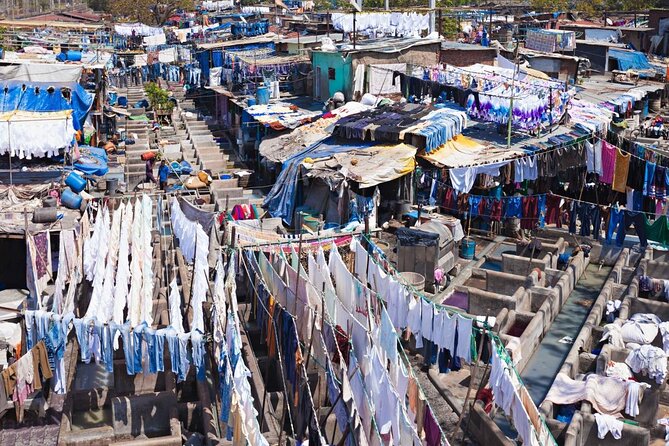
- Dhobi Ghat open-air laundry and other working areas that most standard tours skip
- Dhabbawala tribute stop that shows how lunchboxes move with serious efficiency, even without tech
- Market-to-sea route including Crawford Market, Khar Danda fish market, and Juhu Beach food stalls
- No rush energy—the day is structured, but it doesn’t feel like you’re being herded
- Lunch is part of the plan with light refreshments and bottled water included
Price and logistics: what you’re buying for $130
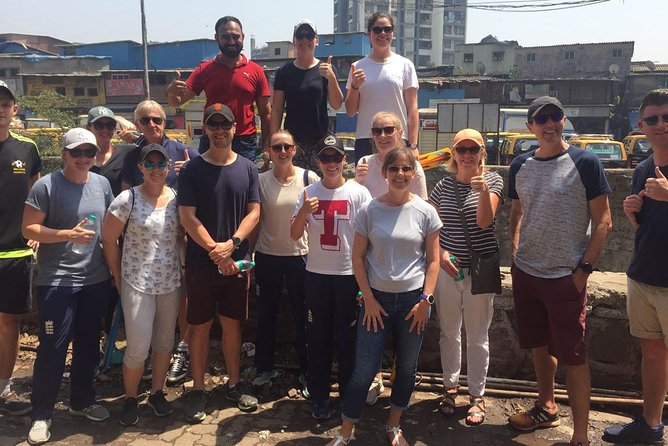
At about $130 per person for a private 5–6 hour experience, the value comes from stacking several things that are usually separate bookings in Mumbai.
You get:
- hotel pickup and drop-off
- private vehicle transport during the route
- a driver/guide plus a local guide
- lunch plus bottled water and light refreshments
- free admission at each listed stop
That’s a lot of “friction” removed. You don’t have to figure out transit, negotiate for a driver, or lose time hunting for the lunch spot. And because it’s private, the guide can adjust the pace to your interests—food, photos, or people-watching.
One more practical note: alcohol isn’t included (you can buy it). If you care, plan to keep drinks separate from the tour lunch.
You can also read our reviews of more private tours in Mumbai


The route: a day that mixes monuments with working Mumbai
This tour is built like a loop through Mumbai’s everyday life. You’ll start in the market world, shift into coastal and religious landmarks, then land back in the “people at work” zones—laundry, fish selling, and the lunchbox delivery system.
Because each stop is short, your goal is not to “master” every location. It’s to get the story behind what you’re looking at, then move on before the day turns into a long haul of waiting.
Stop 1: Crawford Market and the wholesale hustle
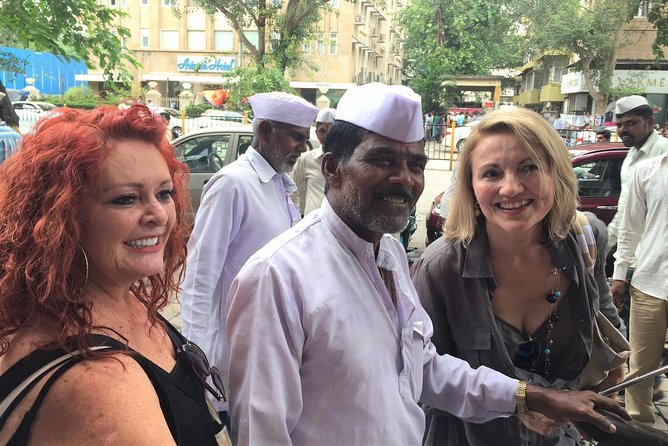
Crawford Market is the kind of place that shows you Mumbai’s supply chain in real time—fruits, vegetables, and lots of practical household items. Even with limited time, you can learn a lot just watching how the market operates and how people move through it.
What to do in your 15 minutes: take a quick scan, then zoom in on details like how stalls are arranged and how workers and shoppers flow. If your guide suggests a specific area to focus on, follow that—it’s usually where the best local context sits.
Potential drawback: markets can be busy, and navigating quickly isn’t always the easiest. Wear comfortable shoes and keep your phone secure.
Stop 2: Bandra Fort for local views and easy photos
From markets, the day shifts to Bandra Fort, a popular spot among locals. It’s well suited for pictures, but more importantly, it gives you a breather from the market rhythm.
What to do in your 10 minutes: find a vantage point, then use your guide’s commentary to understand what locals like about the place. The “why” matters more than the “wow.”
Potential drawback: if it’s crowded, photo angles can be shared quickly. Go early in the stop window to avoid standing around.
Stop 3: Bandstand Promenade, where people walk with purpose
Bandstand Promenade is where people come to take a walk, jog, stroll, and hang out. This is less about landmarks and more about daily life on display—routine in motion.
What to do in your 10 minutes: slow down and watch. Your guide can point out local habits around timing, clothing, and what people do in different parts of the promenade.
Potential drawback: it’s a walk-and-watch stop. If you’re expecting a “tourist attraction” feeling, manage expectations and treat it like a window into the neighborhood.
You can also read our reviews of more historical tours in Mumbai

Stop 4: Mount Mary Basilica, faith in the middle of the city
Mount Mary Basilica is a church in Bandra, and it gives the tour a clear religious anchor. Even if you’re not visiting for worship, a stop like this helps you understand how faith is woven into everyday movement.
What to do in your 5 minutes: be respectful, dress appropriately (smart casual is requested), and listen to your guide’s explanation of local customs.
Potential drawback: short stop length means you’ll want to keep your focus on the guidance rather than trying to see everything.
Stop 5: Juhu Beach and Mumbai street food energy
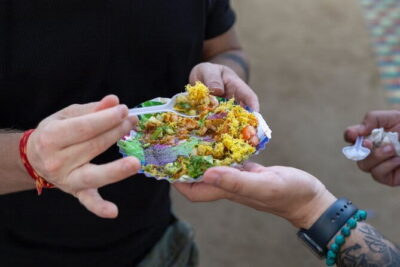
Juhu Beach is a classic coastline moment—plus, it comes with food stalls where people try local Mumbai food. This is where the tour turns more sensory: smells, snack culture, and the way casual food becomes a social habit.
What to do in your 15 minutes: sample if you’d like, but keep it light. Your lunch is included, so treat the beach food as a taste, not a meal replacement—unless your guide suggests otherwise.
Potential drawback: beach food areas can get crowded. If you don’t love lines, tell your guide you’d rather watch first.
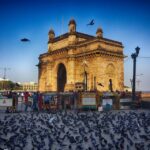
Stop 6: Gateway of India, quick monument stop
Gateway of India is a famous monument, and it gets your eye back on Mumbai’s “big picture” history without turning the day into a history lecture.
What to do in your 5 minutes: get one good view, then let your guide connect the monument to present-day city life—why this kind of landmark still matters.
Potential drawback: it’s brief. If you’re the type who could spend an hour at one famous sight, this stop will feel too short. The tradeoff is you gain time for the working-city stops later.
Stop 7: Jogger’s Park on Carter Road for local routine
Jogger’s Park on Carter Road is another people-watch stop. It’s described as very popular, which makes sense: you’ll see locals using the space for exercise and daily walks.
What to do in your 5 minutes: stand back for a minute. Watch the flow of walkers and runners, then decide where you want your photo.
Potential drawback: if you arrive at a busy moment, getting a clear shot can take patience.
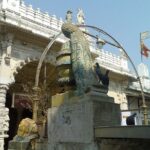
Stop 8: The dhabbawala tribute statue and lunchbox logistics
This is one of the most interesting stops on the route. Dhabbawalas are known for lunchboxes delivered with remarkable efficiency, and this stop focuses on how the system works without using any technology.
Even without a long visit, the story is the payoff: this is about organization, repetition, and trust—things that run quietly in the background of a massive city.
What to do in your 15 minutes: ask your guide how the system operates day to day and why it’s so reliable. If your guide is Sho, Tiger, or Devu, you’ll likely get a clear explanation in good English, based on the way those guides are described in the feedback.
Potential drawback: if you want hands-on demonstrations, you might wish this time were longer. It’s still a strong “concept stop.”
Stop 9: Khar Danda fish market and the sellers’ viewpoint
Khar Danda is a local fish market, and the tour includes time to experience how fisher women sell fresh fish. This is a powerful contrast to the beach snacks earlier in the day.
What to do in your 10 minutes: keep your eyes open for the selling rhythm—how items are shown, priced, and handed off. Your guide can help you interpret the flow and what’s typical here.
Potential drawback: seafood markets can be intense. If you’re sensitive to smell or prefer calmer environments, go slow and focus on the interaction rather than the details you don’t enjoy.
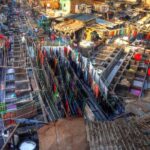
Stop 10: Dhobi Ghat, the open-air laundry that changes how you see the city
Dhobi Ghat is the tour’s biggest “working Mumbai” moment: it’s an open-air laundry and is described as the biggest open-air laundry in the world.
Even with only about 10 minutes, this stop tends to land emotionally. You see daily labor on full display, and you understand that Mumbai runs on systems built by people who know the work deeply.
What to do in your 10 minutes: follow your guide’s cues about where to stand and what to look for. If you’re photographing, ask about the best spots first so you don’t block others.
Potential drawback: it’s an active work area. Plan for discomfort from close-up realities—so keep your expectations realistic.
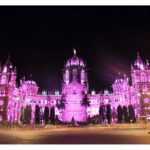
Stop 11: CSMT Heritage Museum and India’s train-station energy
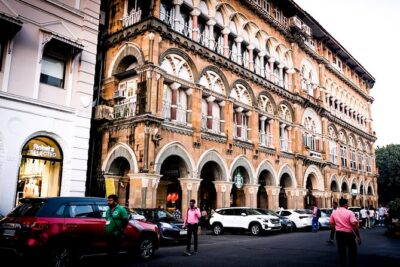
CSMT Heritage Museum is tied to the big train station experience. It’s described as the biggest train station in India, with the note that it’s beautiful.
This finale is a reminder that Mumbai’s transit is part of the culture. Even if you’re not taking the train yourself, the station environment helps you connect how people move across the city.
What to do in your 5 minutes: look up and take in the station feel quickly. Let your guide explain what makes CSMT a key node.
Potential drawback: five minutes is short. It’s a snapshot, not a full visit.
Lunch at this pace: why the meal matters more than you’d think
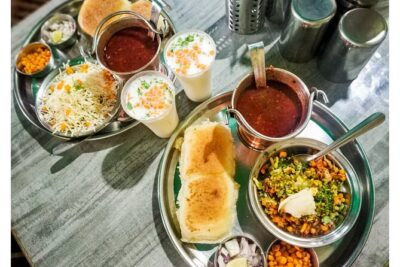
Lunch is included, and the day is designed so you don’t have to choose between “see sights” and “eat.” In one of the standout feedback notes, a favorite lunch suggestion was Cafe Metro, with orders like chicken nargisi and garlic naan.
Here’s how to use the lunch time well:
- If you have dietary needs, mention vegetarian when booking (a vegetarian option is available).
- If you’re excited about food, ask your guide what’s a safe, classic Mumbai order for you.
- Keep it relaxed. If you eat too fast, you’ll miss the chance to chat and learn about local customs—exactly the kind of context guides like Tiger and Sho are praised for.
What this tour gets right (based on the best feedback)
The reviews point to a few consistent strengths, and they match the structure of the itinerary.
1) The guide makes it feel personal.
People describe guides like Sho and Devu as accommodating and informative, with a laid-back style that keeps the day from turning stressful.
2) It’s not rushed.
Even though the stops are short, the overall experience doesn’t feel like a checklist sprint. That pacing matters when you’re dealing with crowds, stairs, and quick transitions.
3) You get the story behind daily life.
From the open-air laundry to the dhabbawala concept, the tour helps you interpret what you’re seeing instead of just pointing at it.
4) Food shows up in the right places.
You get lunch included, and the route supports food culture at Juhu Beach with local stalls—plus the chai culture gets a thumbs-up in the feedback too.
Who should book this private Mumbai cultural tour
You’ll likely enjoy it if:
- you want local-life context more than “postcard only” sightseeing
- you like a route that mixes markets, faith, coast, and transit
- you prefer a private guide who can explain customs in plain English
- you’re okay with short time at multiple stops in exchange for variety
You might pass if:
- you want long stays at major monuments
- you dislike active work areas like Dhobi Ghat
- you need a very low-walking, fully seated day
Practical tips before you go
- Wear smart casual shoes you can walk in comfortably.
- Bring sunglasses and a hat if you use them; the tour runs in all weather, so dress appropriately.
- Keep a little flexibility in mind for crowds at markets and promenade areas.
- If you’re vegetarian, confirm the option when booking.
Should you book? My take
If your goal is to understand Mumbai as a living city—markets, labor, lunch logistics, faith, and transit—this private tour is a strong value. The price makes sense because you’re getting transport, lunch, and guided context for a full half day, and each stop has a job in the story.
Book it when you want a day that feels like it has a point, not just a list of sights. Skip it if you prefer slow museum-style visits or if you can’t handle the intensity of working public spaces like Dhobi Ghat.
FAQ
Is hotel pickup and drop-off included?
Yes. The tour includes hotel pickup and drop-off as part of the service.
How long is the tour?
It runs for about 5 to 6 hours.
What’s included in the price?
The tour includes bottled water, light refreshments, lunch, a driver/guide, a local guide, and transport by private vehicle.
Is there a vegetarian lunch option?
Yes. A vegetarian option is available. You should advise the provider at booking if you need it.
Are admission tickets included for the stops?
The listed stops are marked as free admission, so you should not need separate tickets for them.
Does the tour run in bad weather?
Yes. It operates in all weather conditions, and you should dress appropriately.
Is alcohol included?
No. Alcoholic drinks are not included, though you may be able to purchase them separately.