REVIEW · MUMBAI
Mumbai Kanheri Caves & Golden Pagoda – A Buddhist Settlement
Book on GetYourGuide →Operated by Navigate Mumbai Tours · Bookable on GetYourGuide
Caves in Mumbai feel unreal. This guided visit mixes Buddhist rock-cut artistry with a real national-park day, not a theme-park stop. I love how the guide turns the carvings, inscriptions, and paintings into a story you can actually follow, step by step.
What I especially like is the human touch from guides such as Ravi, who keeps things professional and fluid even when plans change. Another win is the payoff: you get both the caves and the panoramic city view from higher up on the mountain area, so the outing doesn’t feel one-note. The one drawback to plan for is time and effort: you’ll be walking on uneven ground with some stairs, and the tour may run longer if you choose extra options (or if the caves are affected).
If you’re okay with a warm, active day in the park, this is a smart value way to see a major piece of Mumbai’s spiritual past without feeling rushed.
In This Review
- Key Things I’d Book This For
- Kanheri Caves in Sanjay Gandhi National Park: Spiritual Stops Inside Mumbai’s “Lungs”
- Where You Start: Main Gate Meet-Up and a Straightforward Day Flow
- The Park Bus Ride: Wildlife Chances and a Change of Pace
- Kanheri Caves: What to Look For in the Rock-Cut Buddhist World
- The Mountain View Stop: Why the Walk Is Worth It
- Golden Pagoda as a Plan B (and Sometimes More)
- Price and Value: Is $23 Enough for This Much Site Time?
- What the Guide Adds: From Facts to Flow
- Who Should Book This Tour (and Who Might Not Love It)
- Practical Tips I’d Use Before You Go
- Should You Book Kanheri Caves & Golden Pagoda?
- FAQ
- Where is the meeting point?
- How long does the tour take?
- What’s included in the price?
- Are meals included?
- Are pets allowed?
- Is the tour suitable for pregnant women?
Key Things I’d Book This For
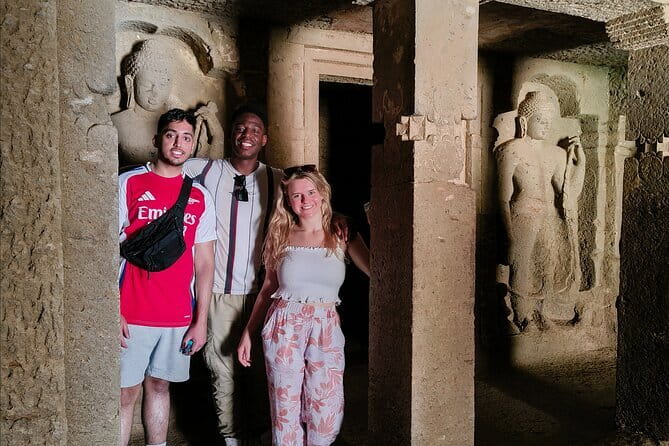
- Kanheri’s Buddhist art span: carvings, sculptures, inscriptions, and paintings dated from 100 BCE to 1000 CE
- Guides who explain the why: they connect the site to meditation, shelter, meetings, and learning
- Park wildlife factor: you may spot deer, monkeys, and other animals while traveling inside the park
- City views from the mountain: a quick visual reward after the cave walking
- Plan B with the Golden Pagoda: if Kanheri Caves are closed, your guide can pivot
- Skip-the-ticket-line focus: you spend more time at the site and less time waiting
Kanheri Caves in Sanjay Gandhi National Park: Spiritual Stops Inside Mumbai’s “Lungs”
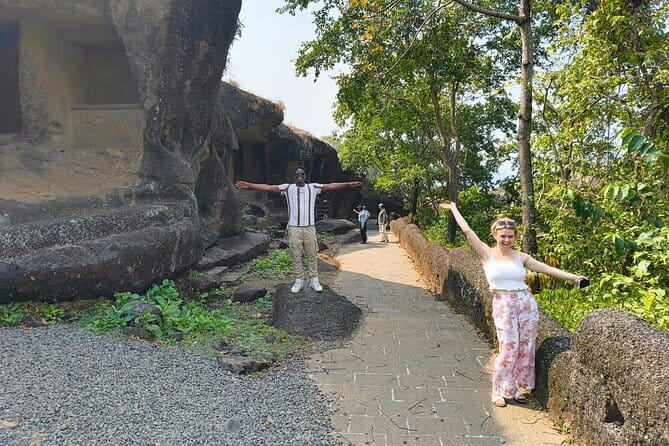
Sanjay Gandhi National Park is one of the easiest ways to feel how big Mumbai really is beyond the sea wall and traffic lanes. You go from the city’s pace to a quieter pocket of greenery, with local bus travel inside the park that helps you ease into the setting.
The star is Kanheri, a Buddhist rock-cut settlement carved into the landscape over a long span, from about 100 BCE to 1000 CE. I like that this isn’t presented as random cave rooms. You’re guided to see how the spaces relate to daily needs and spiritual practice—meditation, shelter, gatherings, and study—so the site feels functional, not just decorative.
And yes, you’re still in Mumbai. That’s the cool tension of the day: ancient stone works against a modern city backdrop, and the view from the higher point gives you proof that you’re right near one of the world’s biggest urban areas.
You can also read our reviews of more tours and experiences in Mumbai.


Where You Start: Main Gate Meet-Up and a Straightforward Day Flow
You meet at the main gate of Sanjay Gandhi National Park. From there, the day runs on a simple rhythm: park transfer, cave visit, then return the same way.
If you select pickup and drop-off, it adds convenience because you don’t have to figure out the last-mile logistics yourself. If you don’t, you’ll still have clear guidance on where to show up—main gate is the key anchor point.
The “small but important” detail I appreciate is that entry tickets and transport fees are handled for you, and you get skip the ticket line. That helps if you’re dealing with heat and daylight hours, which in Mumbai can make waiting feel extra long.
The Park Bus Ride: Wildlife Chances and a Change of Pace
Once you’re inside the park, you travel about 8 km from the main gate to the caves. The transfer is done by local bus, roughly 20 minutes each direction, so it doesn’t drag.
This is also where the day can surprise you. The experience is designed around the idea that you might see animals like deer and monkeys while moving through the park area. I wouldn’t bank your whole day on a leopard sighting, but the park atmosphere is real, and even smaller wildlife sightings can add life to the trip.
Practical note: because the transport is public, even private tours may use public-style seating and timing. That keeps things affordable, but it also means you’ll want to be okay with typical local transport quirks.
Kanheri Caves: What to Look For in the Rock-Cut Buddhist World
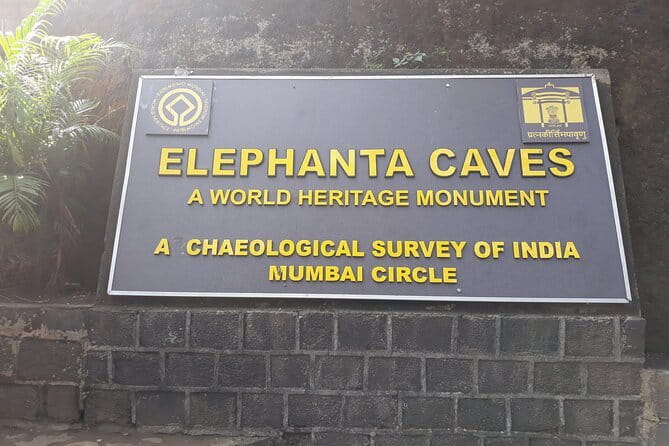
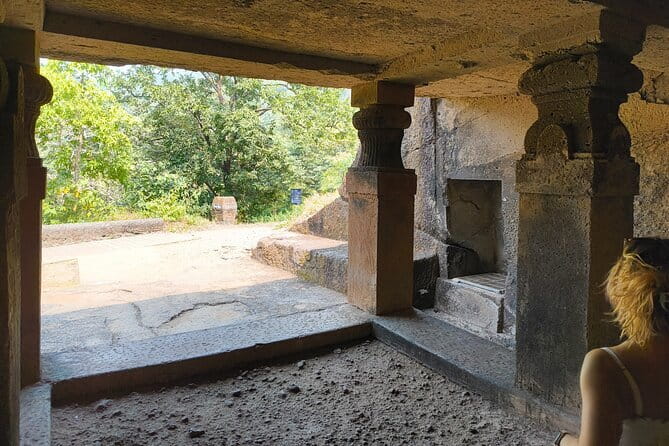
At the cave entrance, your guide leads you through the complex and keeps the visit structured. The guided cave portion is about 2 hours, which is a comfortable amount of time to see a lot without turning it into a marathon.
What makes Kanheri worth your time is the mix of artistic forms:
- rock-cut sculptures and reliefs
- inscriptions
- paintings
- and the overall layout that supported meditation, shelter, meeting, and learning
The guide’s job here matters. If you’ve ever looked at ancient sites and thought, I’m sure this means something, but I don’t know what, this tour style helps. Guides such as Ravi are praised for sharing many fascinating facts and answering questions without rushing you.
Here’s how I’d focus your attention while walking:
- When you see a carved figure or panel, pause just long enough to let the guide explain what it likely represented or how it connected to Buddhist practice.
- If you notice inscriptions or faded paint areas, don’t treat them as decoration. Ask what they say or what they indicate about the site’s age and use.
- Keep an eye out for how the spaces feel like rooms with purpose—again, meditation and shelter aren’t “themes,” they’re the logic behind the carvings and layout.
Also, this is a photo-friendly stop. You’ll have time to capture memories, but the best shots usually come when you stop moving briefly and let the guide reposition you around the most interesting panels.
The Mountain View Stop: Why the Walk Is Worth It
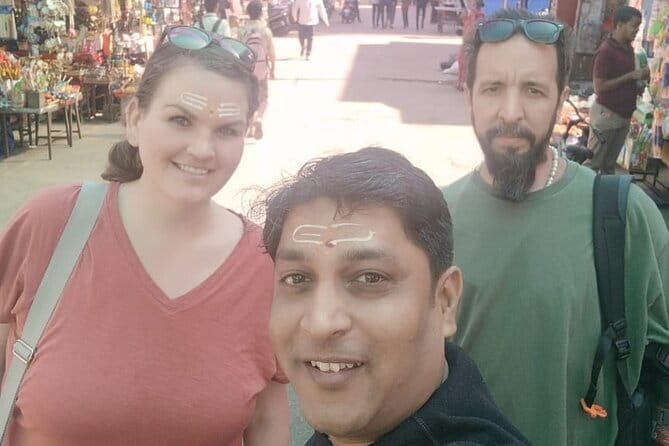
One of the highlights is the panoramic view from the top of the mountain area. Even if you’re more into architecture and art than scenery, that viewpoint gives your brain a reset after the cave walking.
This is where you get the “I’m really in Mumbai” moment—the scale of the city compared to the ancient stone under your feet. It’s also a good place to cool down a bit and rehydrate if you need it.
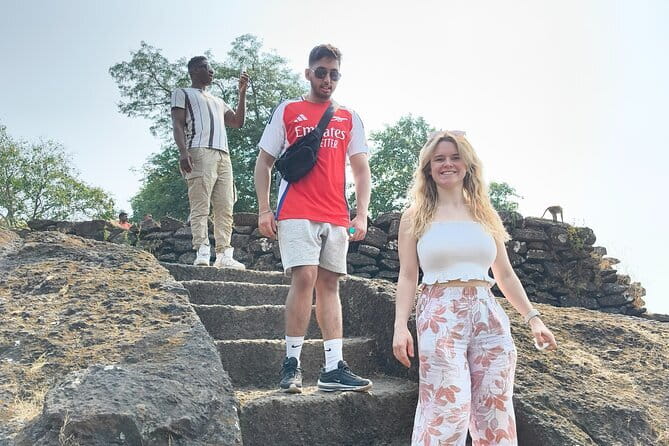
Just plan for the physical side: comfortable shoes are strongly recommended because you’ll be on uneven, historic terrain. If you don’t love stairs or long walks in warm weather, keep your pace steady and tell your guide if you want more frequent pauses.




Golden Pagoda as a Plan B (and Sometimes More)
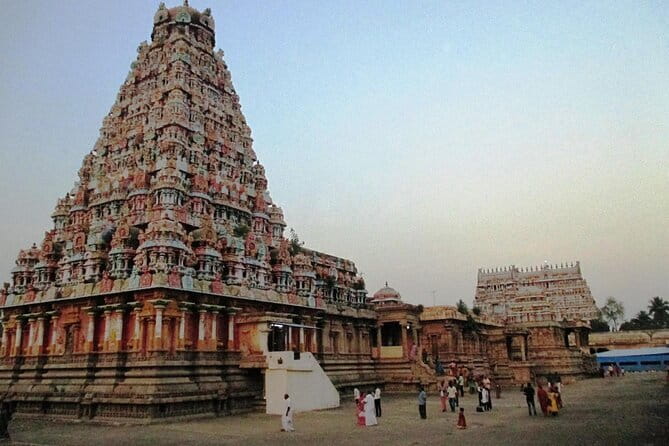
There’s a smart practical element to this experience: if Kanheri Caves are closed due to a major cause, your guide may let you choose an alternative experience such as the Golden Pagoda. You won’t be left standing at the gate with nothing to do.
In at least one reported instance, the guide was flexible and pivoted from Kanheri to Golden Pagoda, then kept the day rich by sharing useful information and ending at a local vegetarian street food stand for a more grounded local taste.
That last part is worth noting carefully: meals are not included in the standard package, but some guides may recommend or even help arrange local food moments at no extra charge. Treat that as a bonus, not a guarantee, and plan to buy your own meal if you need full coverage.
Price and Value: Is $23 Enough for This Much Site Time?
At about $23 per person, this tour can feel like a bargain for what you’re getting. The value comes from the combo of:
- an English-speaking live guide (plus Hindi offered for explanation)
- entry tickets and transport fees handled
- packaged water bottles
- and skip-the-ticket-line support
Meals aren’t included, so you’ll still budget for lunch or snacks. But you do avoid the “hidden cost” feeling because core admission and transit are already part of the deal.
Also, the duration range—about 2.5 to 7 hours—can be a big value factor. If everything runs smoothly, you’ll get a cave-focused day. If you opt for alternatives like Golden Pagoda (or if conditions affect Kanheri), the tour can flex without turning into a wasted afternoon.
If you’re traveling on a reasonable budget and you want guided context for Kanheri rather than just wandering, this price point is hard to beat.
What the Guide Adds: From Facts to Flow
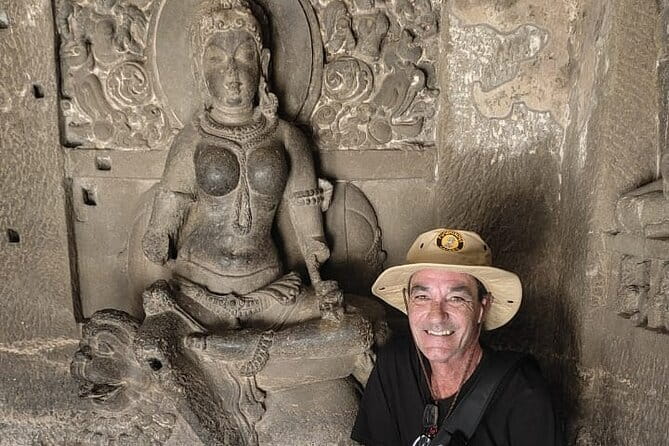
Guides can make or break cave tours, and the best thing here is that the guide role is active, not passive. You’re not just handed audio and left to guess what you’re seeing.
Ravi, in particular, comes up often for professional pickup, careful handling of the group, and strong English. Another name that appears in the experience is Kavitha, praised for being a great photographer. That matters because good cave photos often require guidance on where to stand and how to frame carved areas without losing your group.
Your guide also sets the pace. In a site like Kanheri, where you might have questions about symbolism, chronology, and use of different spaces, the ability to slow down and answer is the difference between a quick visit and a genuinely memorable one.
Who Should Book This Tour (and Who Might Not Love It)
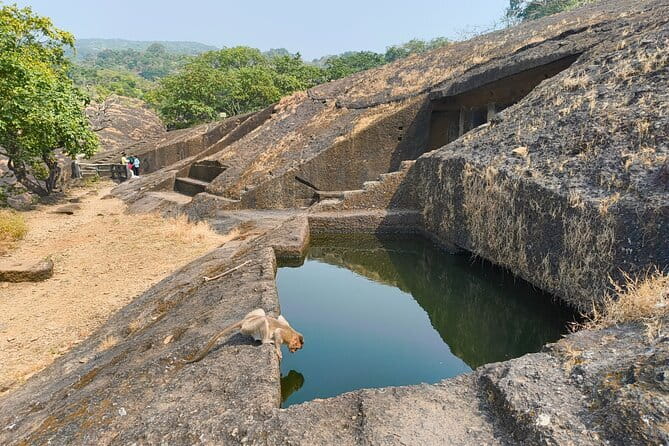
This tour fits best if you:
- like Buddhist history and want the art explained in plain language
- want a structured visit to Kanheri rather than trying to self-navigate
- enjoy a mix of culture and nature inside a national park
- care about the viewpoint payoff, not only carvings
It may not be ideal if you:
- are pregnant (the experience states it’s not suitable)
- don’t handle stairs and uneven ground well
- expect a long, sit-down museum-style pace
If you’re traveling with kids, the guided approach can help keep things from feeling like a “sit and listen” lecture, but you’ll still be walking and moving through a real site.
Practical Tips I’d Use Before You Go
A few practical moves make this day smoother:
- Wear comfortable shoes with grip. This is the #1 must-have.
- Bring a light layer and plan for warmth. You’ll be outdoors in the park and moving between cave areas.
- Keep water in mind even though bottles are provided. Use the breaks to sip often.
- If you want Golden Pagoda as a fallback option, be ready to choose quickly if Kanheri can’t open. Flexibility is part of the value here.
Also, expect the schedule to be calm but not silent. You’ll be in an active public environment inside the park, and wildlife sightings, even small ones, can affect timing slightly.
Should You Book Kanheri Caves & Golden Pagoda?
Yes, I’d book it if you want Kanheri with real context and a guide who connects the artwork to how people used the space for meditation, shelter, meetings, and learning. The combination of ancient carvings plus a national-park day plus a viewpoint makes this more than a checklist stop.
I’d think twice only if walking on uneven ground would ruin your day, or if you need a fully sedentary experience. Otherwise, this is a smart-value way to see a major Buddhist rock-cut site right at the edge of modern Mumbai.
FAQ
Where is the meeting point?
Meet at the main gate of Sanjay Gandhi National Park.
How long does the tour take?
Duration ranges from about 2.5 to 7 hours, depending on the selected starting time and how the day runs.
What’s included in the price?
An English-speaking live guide, entry tickets and transport fees, pick-up and drop-off if you choose that option, and packaged water bottles.
Are meals included?
No, meals are not included.
Are pets allowed?
No, pets are not allowed.
Is the tour suitable for pregnant women?
No, it is not suitable for pregnant women.