REVIEW · MUMBAI
Vibrant Markets of Mumbai (2 Hours Guided Walking Tour)
Book on GetYourGuide →Operated by Yo Tours · Bookable on GetYourGuide
Mumbai’s markets teach you fast.
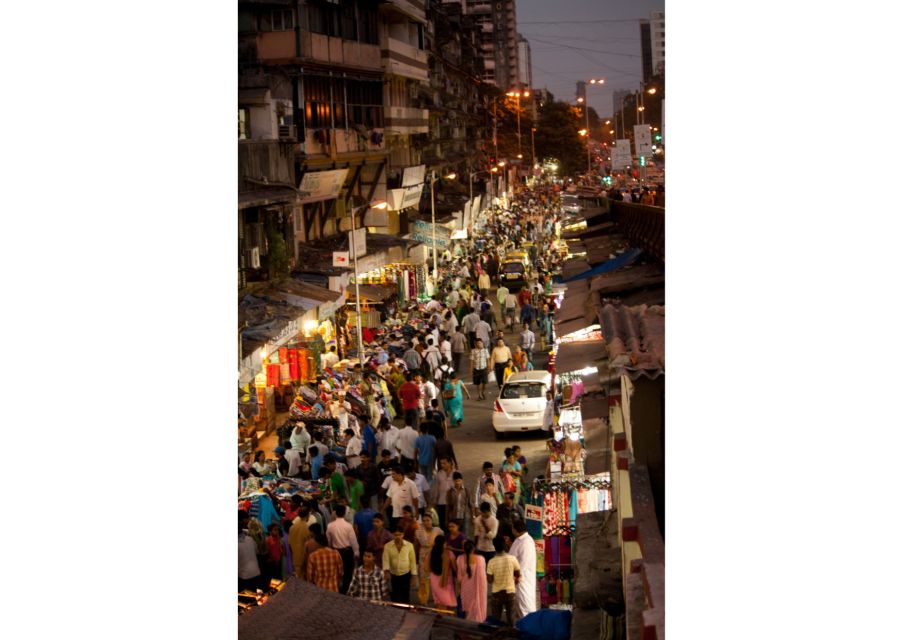
This 2-hour guided walk strings together some of the city’s best-known shopping lanes with real street-level context, so you don’t just wander—you understand what you’re seeing. I love the storyteller-style guidance that connects markets, temples, and street names. I also love the food setup, from clay-pot masala chai to Market snacks that actually feel like Mumbai life, not a tourist buffet. One thing to consider: you’re moving through crowded, narrow lanes, so comfy shoes matter, and you may want to go in with a realistic sense of how intense these areas can feel.
A good guide is the difference between random looking and meaningful browsing. In the feedback I’m seeing, guides like Nisar are praised for keeping people safe around heavy traffic and for answering tons of questions without rushing you. Other guides—like Maze, Giriraj, and Hisar Shaikh—show up with the same theme: clear routes, thoughtful pacing, and plenty of room to tailor the experience to your interests.
The only real drawback is the walking itself. This tour covers about 2 hours on foot, and it runs in all weather, so you’ll want an umbrella in monsoon and a plan for crowds on weekends or festivals.
In This Review
- Key Highlights You’ll Actually Feel
- From BAPS Shri Swaminarayan Mandir to Market Mode
- BMC Market and the Value of a Crowd-Proof Route
- Mumba Devi Temple: The City Name Behind the Stalls
- Bhuleshwar, Kalbadevi, and Chor Bazaar: Shopping Lanes with a Purpose
- Zaveri Bazaar: Jewelry Market Intensity, Explained
- Mangaldas Market Since 1893: Silk, Cloth, and Tailor Energy
- Crawford Market: Cheese, Homemade Chocolates, and Street-Food Rhythm
- Clay-Pot Masala Chai with Mumbai Views, Then a Sweet Finish
- Price and What $14 Buys in Real Value
- Practical Notes for a Smooth Walk Through Narrow Lanes
- Who Should Book This Market Walk (and Who Might Not)
- Should You Book Vibrant-Market Mumbai Walks?
- FAQ
- Where do I meet for the tour?
- Where does the tour end?
- How long is the guided walking tour?
- How much does it cost?
- What languages does the guide speak?
- Is food included?
- Do I need to budget for extra purchases?
- How much walking should I expect?
- Does the tour run in bad weather?
- Is pickup from my hotel included?
Key Highlights You’ll Actually Feel
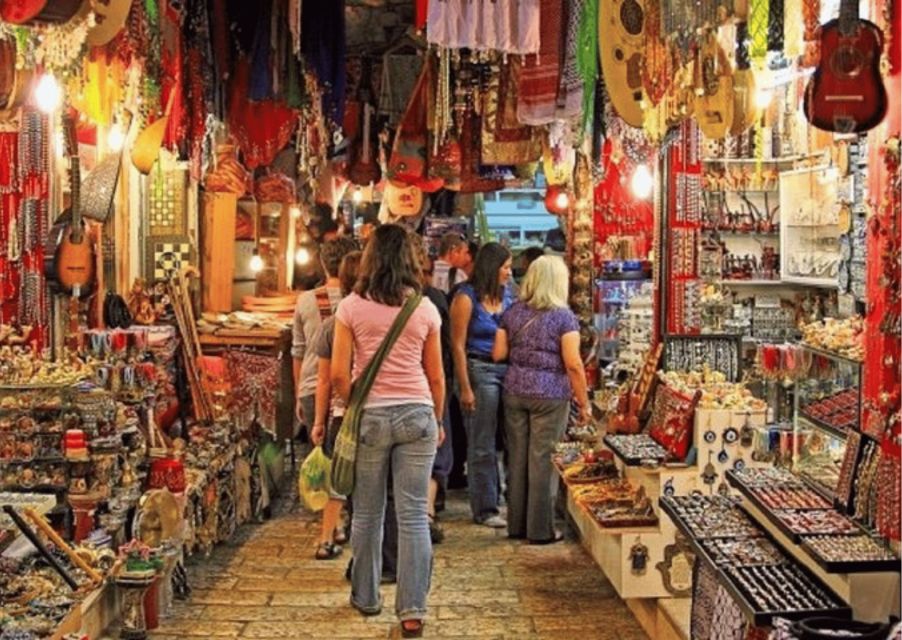
- Zaveri Bazaar: Jewelry-market intensity, explained so you know what you’re looking at
- Mangaldas Market (since 1893): Silk and cloth shopping with tailors and fashion-focused stalls
- Crawford Market food stops: Imported cheese and homemade chocolates, plus other tastings
- Masala chai in a clay pot: A warm break with a Mumbai view moment built in
- Desserts and mouth fresheners: A sweet landing that’s part of the route, not an afterthought
From BAPS Shri Swaminarayan Mandir to Market Mode
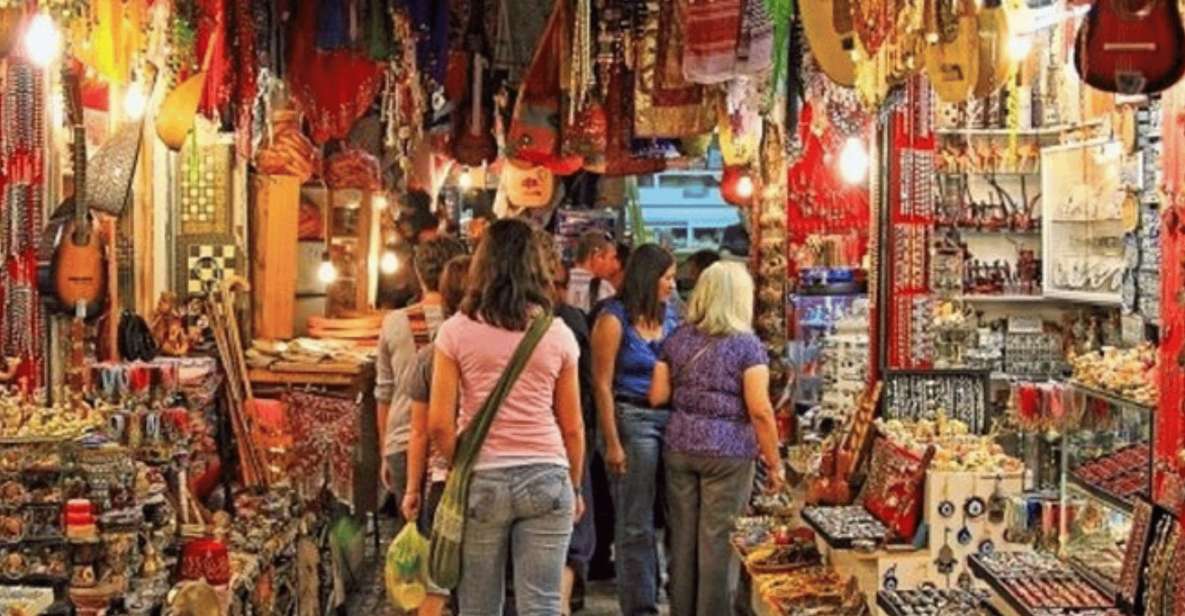
Most city walks in India start with a landmark and end with you still wondering how anything works. This one starts at BAPS Shri Swaminarayan Mandir, Mumbai, which is a strong choice because it gives you a calm reference point before you hit the noise. From there, the tour moves straight into commerce—quickly—so you can feel how markets shape daily life.
The early part matters because it sets your rhythm. You’ll pass through the BMC Market area, then continue onward into places where you’ll see products that range from everyday essentials to items that people save for or trade within their community. It’s not just shopping. It’s a lesson in how people navigate dense, high-energy retail streets.
If you’re the type who gets overwhelmed easily in crowded places, this is where a good guide helps most. The strongest feedback I see is about guides taking control of the walking flow—especially around busy zones—so you spend energy looking instead of dodging.
You can also read our reviews of more walking tours in Mumbai



BMC Market and the Value of a Crowd-Proof Route
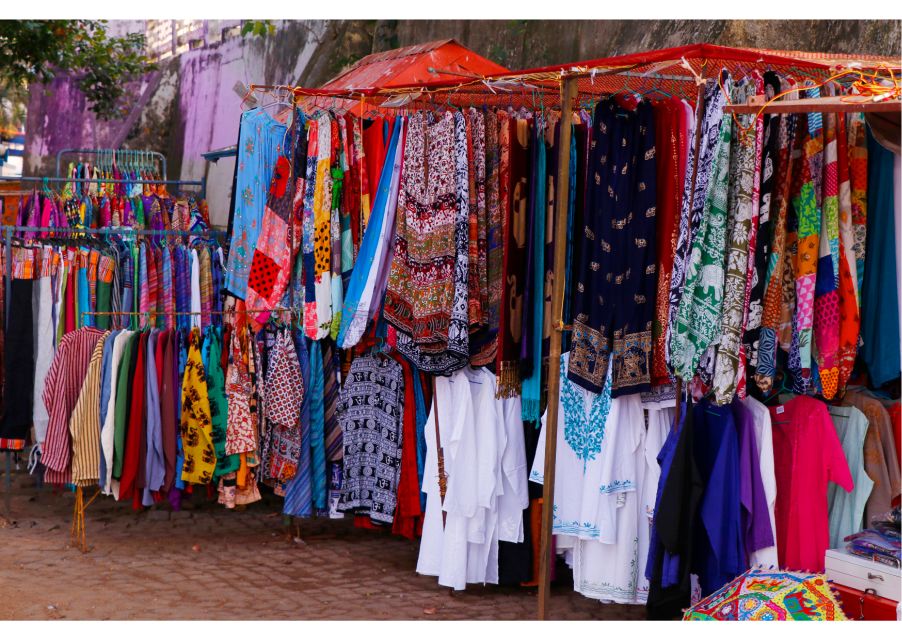
That first market segment is short, but it’s useful. You’re given a guided orientation, plus time to get your bearings before the bigger stops. In dense areas like this, your brain needs early cues: what streets lead where, where the main lanes are, and how the flow of people changes as you move from one cluster of shops to another.
You’ll also get the practical benefit of a guide who can speak English and Hindi. That matters here because market talk is fast, and even if you only understand part of it, you’ll still catch key points like what a stall sells, what materials are common, and why certain places are famous.
And yes, you’ll likely spot items you didn’t even think to look for—metal crafts, jewelry styles, cloth, spices, fruits and vegetables, religious supplies, and all the little daily goods that keep a city running. The guided route helps you avoid the classic problem of walking in circles.
Mumba Devi Temple: The City Name Behind the Stalls
A major shift happens when the tour reaches Mumba Devi Temple. This isn’t a long church-of-the-hour type stop. It’s more like a grounding moment: you pause amid shopping streets and connect with the story of how the city got its name.
Why I like this placement: it happens while you’re still fully in Mumbai mode. You don’t reset and then go back later. You connect the spirituality to the commercial energy, which is how many neighborhoods here actually feel in real life—faith and daily trade side by side.
You’ll walk through the temple area with a guided component and then move on. It’s a good reminder that these markets are not separate from the city’s culture. They’re woven into it.
If you’re sensitive to crowds in sacred spaces, go slowly and follow your guide’s cues. You may find the lane conditions tight, especially if there are worshipers moving through the same passages.
Bhuleshwar, Kalbadevi, and Chor Bazaar: Shopping Lanes with a Purpose
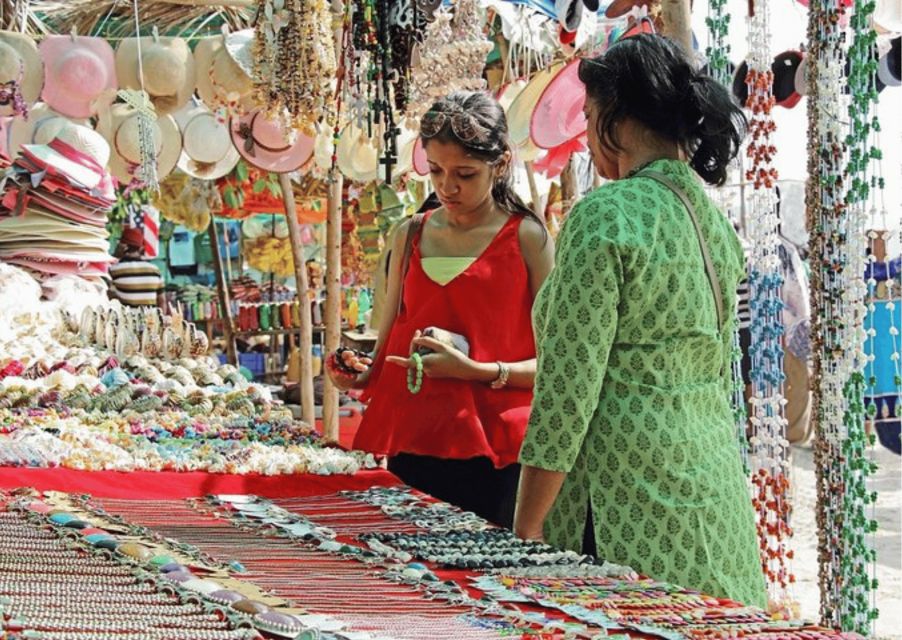
After the temple, the route keeps steering you through the city’s retail geography. You’ll pass through areas connected with big shopping themes, including Bhuleshwar Market—known for everything from produce and pooja materials to imitation jewelry and rose petals.
Then comes Kalbadevi, a key name for anyone who wants to understand Mumbai’s market layout. It’s one of those places you’ll hear mentioned again and again because it represents how neighborhoods organize their retail specialties. Even if you don’t buy anything, you’ll start reading the street like a map.
Next is Chor Bazaar, famous for antiques and older goods. This is where browsing becomes a skill. You’ll likely see furniture, older pieces, and curiosities alongside everyday market items. The guide’s job here is to help you sort what’s worth pausing for, and what’s simply noise.
If you like walking tours that include context, this section is satisfying because it helps you understand why each market exists. And there’s typically a pass-by route connected to Mumbai’s famous flower street, which adds a strong sensory contrast to jewelry and cloth lanes.
Zaveri Bazaar: Jewelry Market Intensity, Explained
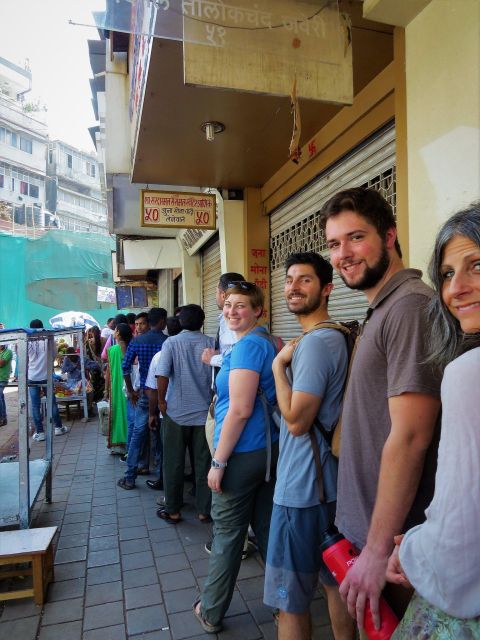
Let’s be honest: walking into Zaveri Bazaar, one of Mumbai’s largest jewelry markets, can feel like your eyes need a reset button. The stalls are packed with sparkling ornaments, gold, and glittering stones. It’s gorgeous, but it can turn into sensory overload fast.
This is where the guide becomes essential. The best part isn’t just seeing jewelry—it’s knowing what makes Zaveri Bazaar such a magnet for buyers. You get guided time through the market, plus free time so you can look slowly, ask questions, and decide what style you actually like instead of rushing for the first shiny thing.
This is also a place to watch how people shop. You’ll see how the market works for different budgets and preferences—because not everyone is shopping for the same end goal. If you’re considering jewelry purchases, treat the market like a conversation with the city: ask what you’re looking at, compare what catches your eye, and don’t expect every stall to show the same range.
One practical note: this area is busy, so keep your personal items secure. Your guide will help with flow, but it’s still a market with lots of movement.
You can also read our reviews of more guided tours in Mumbai






Mangaldas Market Since 1893: Silk, Cloth, and Tailor Energy
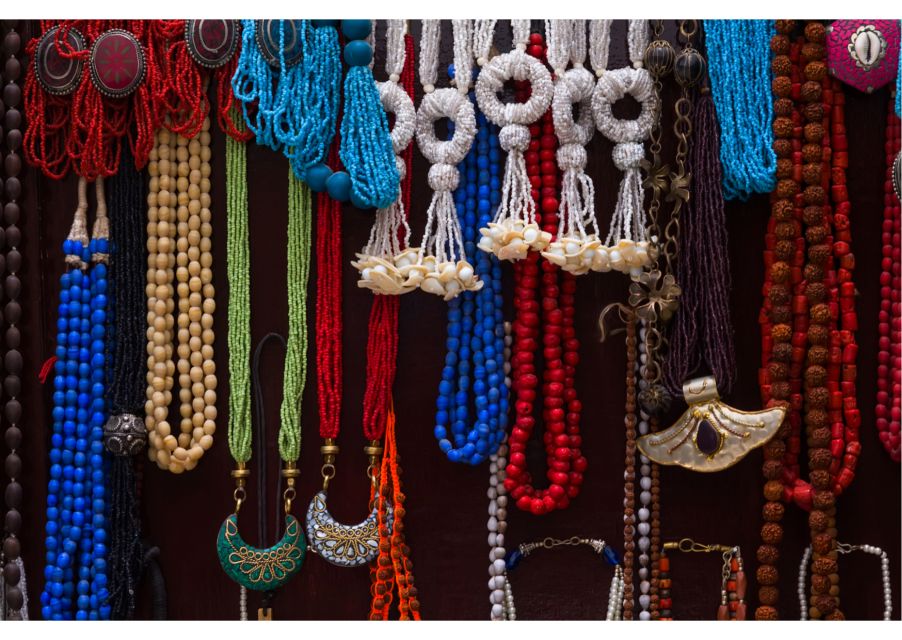
Mangaldas Market is a highlight for anyone who loves fabrics. Opened in 1893, it’s known for silk and cloth, with tailors, fashion-focused stalls, and spaces where you can see how material and design connect.
What I like about this stop is the shift in texture—literally. Instead of glitter and metal surfaces, you get cloth talk: drape, color, stitch, and the kind of detail you can’t fake with photos. Even if you aren’t buying, it’s the best section for learning how Mumbai’s garment world works.
You’ll get guided exploration plus time to browse. If you’re shopping for sarees, scarves, or outfit pieces, this is the portion where you’ll probably feel the most inspired. And if you’re not shopping, it still gives you a more respectful view of what’s behind the sales—tailoring culture and fabric craft.
Expect crowds. Expect narrow movement paths. If you hate shopping heat and noise, come with patience.
Crawford Market: Cheese, Homemade Chocolates, and Street-Food Rhythm
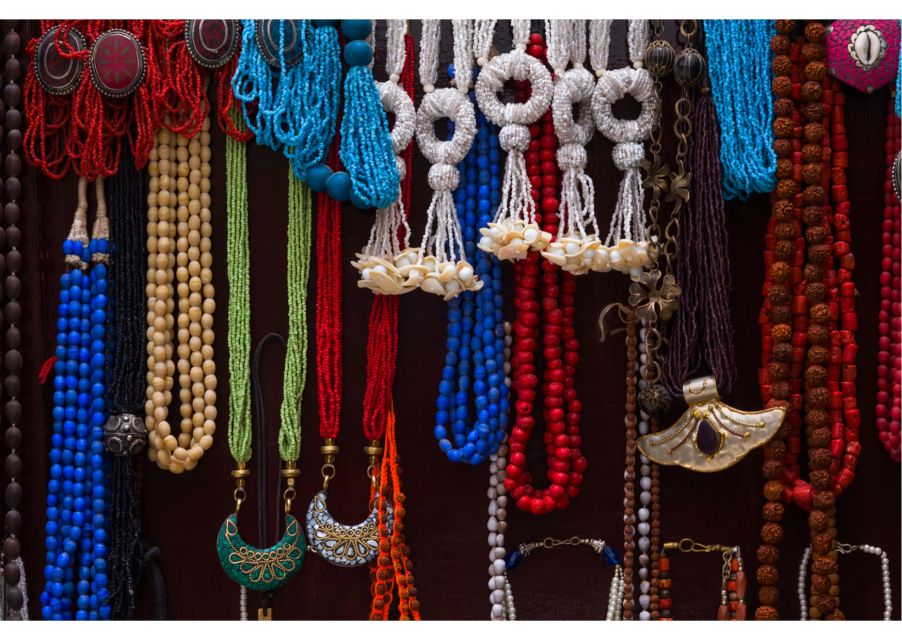
The route finishes at Crawford Market, and the food stops here are a big reason why. Crawford Market is known for fruits and vegetables, plus imported cheese, and—yes—homemade chocolates.
You’ll savor tastings that fit the local rhythm of the market: small portions, quick bites, and a guide who helps you understand what you’re sampling. This isn’t a sit-down meal. It’s street-level food logic, which means you should go in with an open mind and a willingness to eat as you walk (or at least sample in market areas).
I also like that the food is built into the route, not added as a random detour. That means you’re eating in the same zones where you’re shopping, which keeps the tour feeling cohesive.
If you have allergies, tell your guide ahead of time. Food items served are street-food style, and you’ll want clarity before you try anything.
Clay-Pot Masala Chai with Mumbai Views, Then a Sweet Finish
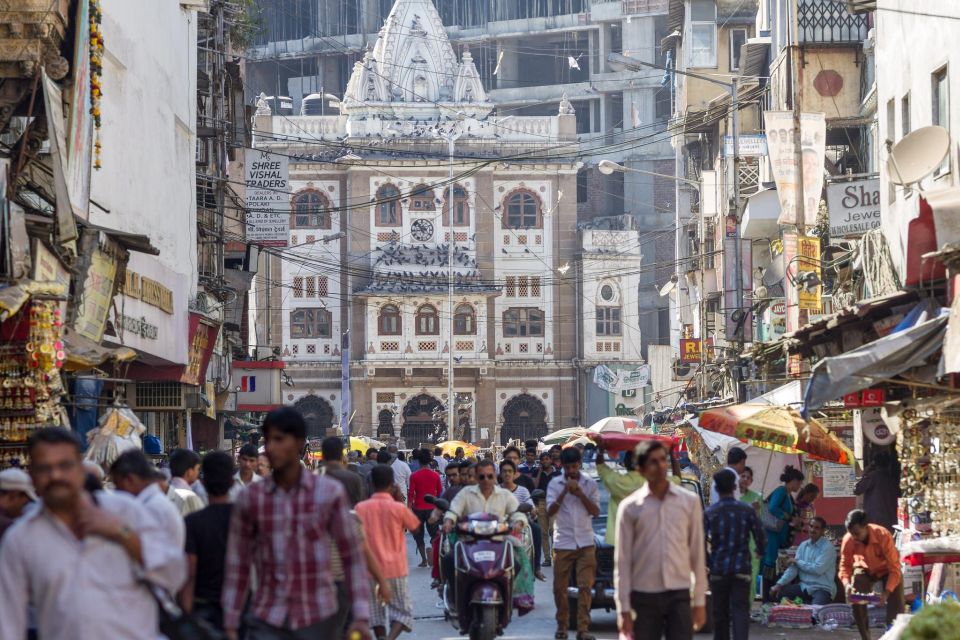
One of the best breaks in the itinerary is masala chai tea served in a clay pot, paired with a view moment of Mumbai. That combo works: the chai gives you warmth and a reset for your feet, while the view helps you re-situate yourself in the city beyond the stalls.
Then the tour ends with desserts and mouth fresheners, which is a pleasant way to close the loop. Markets can tire you out. A sweet finish keeps it from feeling like you just pushed through 2 hours of walking.
Even if you’re not a huge dessert person, this ending is useful because it signals that the tour is done in a way that feels thoughtful. You’re not left hungry, not left overstimulated, and not rushed out the door.
Price and What $14 Buys in Real Value
At about $14 per person for a 2-hour guided walking tour, the value is less about paying for entrance tickets and more about paying for three things you’d struggle to recreate alone:
- Route + context across multiple market zones
- Food tastings (not just a single snack) that anchor the experience
- A guide who can manage crowds and answer questions, which is a real skill in these lanes
This price point also makes the tour a great choice for a first visit. If you’re unsure which markets matter most, a guided walk compresses your learning curve. You get to see major names like Zaveri Bazaar and Mangaldas Market without needing to figure out logistics on day one.
Private group options are available too, which is helpful if you want quieter pacing or a focus on shopping categories. (Even with a normal group, the overall plan is designed to keep moving without feeling frantic.)
Practical Notes for a Smooth Walk Through Narrow Lanes
This is a walking tour, and you should be comfortable walking for about 2 hours. The streets are busy, and routes can be narrow. That’s not a reason to skip—it just means you should prepare like you’re entering a working part of the city, not a theme park.
A few simple moves make a big difference:
- Wear comfortable clothes and shoes you trust.
- If you’re visiting around festivals or weekends, expect extra crowds.
- In monsoon, bring an umbrella because the tour runs in all weather.
- Tell the guide about allergies before food tasting.
- Remember that personal shopping is not included—tasting is included, but extra purchases are on you.
If you get a guide like Nisar, the feedback highlights the safety-and-flow focus. Other guides like Maze and Giriraj are also praised for organized routes and patient pacing, which is exactly what you want in market traffic.
Who Should Book This Market Walk (and Who Might Not)
This tour is a strong fit if you want:
- A first taste of Mumbai’s market culture without getting lost
- Shopping inspiration that comes with context (jewelry, silk, cloth, antiques)
- Food sampling built into the walk—chai, cheese, homemade chocolates, desserts
It might be less ideal if:
- You hate crowds or narrow spaces
- You have limited comfort with walking for about 2 hours
- You’re very strict about food ingredients and can’t manage street-food tasting risks
If you’re traveling with kids, this could work only if your group can handle busy lanes and you’re prepared to move at the pace of a market walk. For mobility-limited travelers, it’s hard to know how comfortable it would be because the route details here emphasize walking through market areas.
Should You Book Vibrant-Market Mumbai Walks?
If you want an efficient, real-world introduction to Mumbai’s shopping neighborhoods, I’d say yes. This is one of the better ways to connect big market names with the human systems behind them—how streets specialize, how people buy, how cloth and jewelry culture show up on the sidewalk, and how food fits into the day.
Book it if:
- You like markets and want guided context
- You want tastings that feel part of the route (chai, cheese, chocolates, desserts)
- You’d benefit from a guide managing crowd flow and street-level navigation
Skip it if:
- You’re looking for mostly sightseeing landmarks with wide open space
- You want zero crowds and a slow, relaxed pace
- Walking 2 hours through busy lanes would be uncomfortable
FAQ
Where do I meet for the tour?
You meet at BAPS Shri Swaminarayan Mandir, Mumbai.
Where does the tour end?
The tour finishes at Crawford Market.
How long is the guided walking tour?
It lasts about 2 hours.
How much does it cost?
The price is $14 per person.
What languages does the guide speak?
The live guide speaks English and Hindi.
Is food included?
Yes. The tour includes food tasting of multiple authentic Mumbai street dishes plus masala chai in a clay pot, and it ends with desserts and mouth fresheners.
Do I need to budget for extra purchases?
Any personal expenses or additional food items beyond the tastings are not included.
How much walking should I expect?
You should be comfortable walking for about 2 hours.
Does the tour run in bad weather?
Yes, it operates in all weather conditions, and you should carry an umbrella during monsoon.
Is pickup from my hotel included?
No. Hotel pickup and drop are not included.