REVIEW · MUMBAI
Mumbai Spice Markets and Bazaars Tour with Guide and Transport
Book on Viator →Operated by No Footprints · Bookable on Viator
A spice market in Mumbai hits fast. This guided route helps you make sense of the sensory chaos and shop with confidence, while adding a surprisingly fun detour to Chor Bazaar. I like that the tour is truly private (just your group), and I also love how the guide explains what you’re smelling and seeing instead of tossing you into crowds. One thing to consider: markets can feel tight and busy in places, so expect close quarters and plan to move at a local pace.
You’ll cover two big stops—Chor Bazaar and the Lalbaug spice market—plus some additional bazaars along the way, all in a relaxed 3–4 hour window. Hotel pickup and drop-off plus a driver mean you’re not spending energy figuring out transport or route changes. The guide’s job is to get you oriented fast, share local flavor culture, and help you find items worth carrying home.
In This Review
- Key highlights worth your time
- Entering Mumbai’s spice-scented world (and why a guide matters)
- Hotel pickup and a relaxed 3–4 hour rhythm
- Chor Bazaar: The Thieves Market for vintage lovers and curious browsers
- Lalbaug spice market: Chili varieties you’ll actually remember
- The other bazaars between stops (what to expect in the gaps)
- Guides make or break the market experience
- Price and value: $91.02 for a guided market tour with transport
- Who should book this Mumbai markets tour (and who should skip it)
- Practical shopping tips for Chor Bazaar and the spice stalls
- Should you book this Mumbai Spice Markets and Bazaars Tour?
- FAQ
- FAQ
- How long is the Mumbai Spice Markets and Bazaars tour?
- What markets do you visit?
- Is hotel pickup and drop-off included?
- Are admission tickets required for the stops?
- Is this a private tour?
- What age limits apply for children?
- Can I cancel, and is there a full refund?
Key highlights worth your time
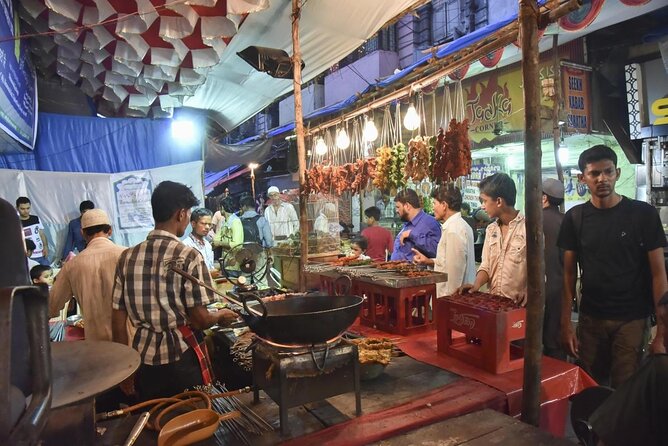
- Chor Bazaar’s collector scene: from Raj-era furniture to vintage electronics and film posters
- Lalbaug spice market details you can use: chili varieties named like Guntur, Bedki, Reshampatti, and Kashmiri
- See, smell, and learn: a guide helps you connect spice blends to everyday Indian cooking
- Pickup, driver, and private vehicle: less logistics stress, more time in the markets
- Local guide talent: memorable guides like Batul and Heer, plus Aman Wallia (with team support)
Entering Mumbai’s spice-scented world (and why a guide matters)
Mumbai spices don’t just sit on shelves. They fill the air, color the stalls, and signal what’s cooking nearby. The goal of this tour is to help you read that world quickly—what you’re looking at, why people buy it, and how it fits into Indian culinary culture.
I like that the experience is built around the basics: spice blends are the backbone of so many dishes, and a good guide makes them understandable in plain terms. Instead of you guessing what each bag is for, you get help interpreting the varieties and mixes you see on the spot.
Also, the markets are not designed for slow sightseeing. Even if you love wandering, it’s easy to lose your bearings. Having someone walk you through the lanes saves time and keeps your shopping from turning into random impulse buying.
You can also read our reviews of more guided tours in Mumbai



Hotel pickup and a relaxed 3–4 hour rhythm
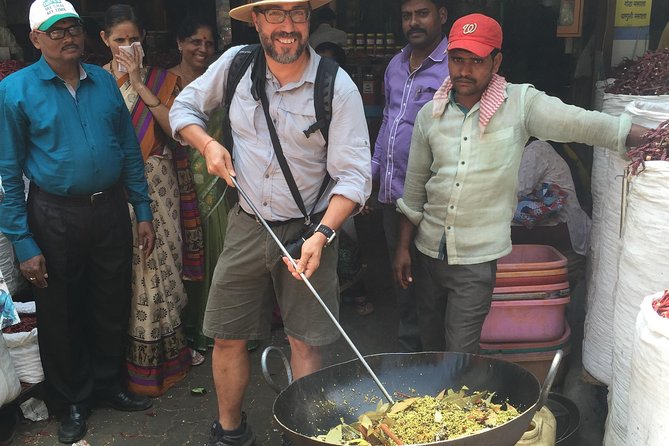
This tour is scheduled for about 3 to 4 hours, which is a sweet spot for market time without turning it into an all-day mission. You get hotel pickup and drop-off, plus transport by private vehicle with a driver. That matters in Mumbai because travel between neighborhoods can eat up your energy.
The flow is designed for a smooth pace rather than a sprint through every stall. You’ll spend about 1 hour at Chor Bazaar and 1 hour at Lalbaug spice market, with extra time for moving between stops and exploring additional bazaars along the route.
One more practical note: the order of stops can be adjusted based on what the guide decides on the ground. That’s usually a good sign—guides can react to crowds or timing—just know you might not follow a rigid script.
Chor Bazaar: The Thieves Market for vintage lovers and curious browsers
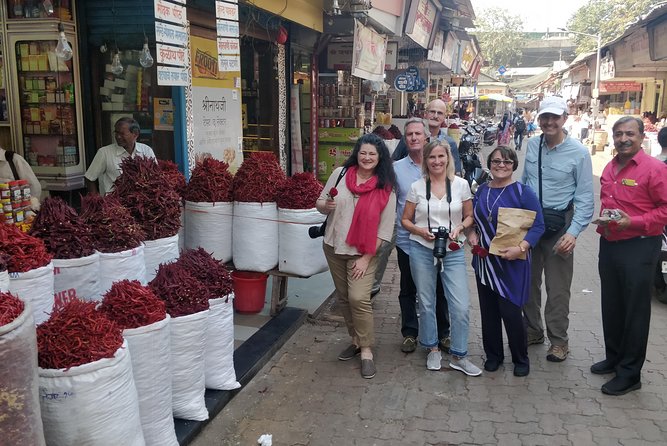
Chor Bazaar is famous enough that the name alone pulls people in. The literal translation is Thieves Market, but the area’s story connects to an older idea of Shor Bazaar, meaning noisy market. Historically, the place housed mechanics and their repair garages, which helps explain why it has a workshop-styled feel in the way goods are stacked and displayed.
What makes it special is the collector angle. You might find furniture associated with the Raj era, rare electronics like vintage gramophones, out-of-print LPs, and even hand-made film posters. If you enjoy hunting for specific eras or styles, this stop can feel like browsing a physical memory bank.
That said, Chor Bazaar isn’t a polished shopping mall. It’s a dense market environment, so keep your expectations grounded. If you hate crowded aisles or get overwhelmed by clutter, go in ready to browse rather than compare product after product.
Also, if you plan to buy anything fragile or heavy, think ahead about how you’ll carry it and protect it on the way back to your hotel. The guide can help point you toward what people typically look for, but you’re still buying from a real market—conditions can be imperfect.
Lalbaug spice market: Chili varieties you’ll actually remember

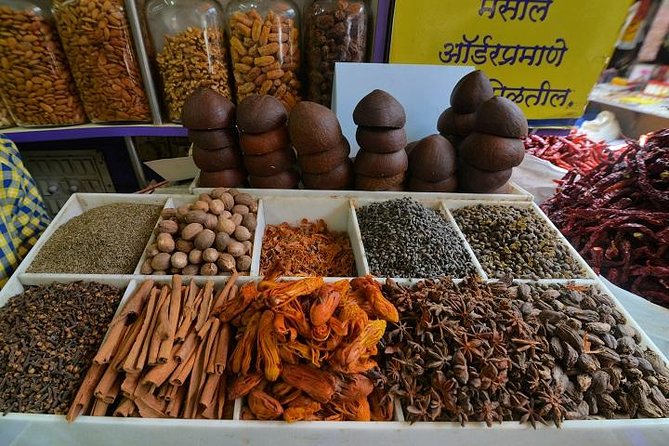
Then comes the sensory payoff: Lalbaug spice market. This stop is built around Indian spice culture, but the interesting part is that you learn by looking at real products. The market features chili varieties such as Guntur, Bedki, Reshampatti, and Kashmiri. Even if you don’t cook professionally, those names give you a hook for understanding heat level and flavor character later.
It’s also a great place to see how spice mixes are sold. The focus isn’t just single spices; it’s blends that aim to taste right in common Indian dishes. That’s useful because most home cooks don’t want twenty separate jars for one meal. You want combinations that behave well.
Practically, this is where your guide earns their keep. Guides can explain what a blend is meant for, and they can help you shop more intelligently, especially if you’re trying to buy gifts. In the best moments, you’re not just walking past colors—you’re connecting smell and label to a real cooking use.
One consideration: spice shopping can get addicting fast. It’s easy to end up with too many bags. I suggest you decide what you want first (curry base? chili heat? a general all-purpose mix?) and let the guide steer you from there.
The other bazaars between stops (what to expect in the gaps)
You’ll also visit a handful of eclectic bazaars after the two main anchors. The exact sequence can be guided by what the guide plans on the ground, so don’t expect a perfectly predictable checklist of every lane.
Even so, the value is consistent: these added market stretches help you see Mumbai’s trade culture beyond just spices and vintage odds-and-ends. You get to compare how goods are displayed, how people shop, and how the market rhythm shifts block to block.
If you’re the type who enjoys context—why something is sold in this area, how the market feels different at different times—those in-between bazaar moments are often where the trip becomes memorable. If you’re only there for one category of shopping, you might feel like the extra time could have gone to more spice or more Chor Bazaar browsing. But with a guide, the goal is usually to keep things efficient and relevant to your interests.




Guides make or break the market experience
The biggest repeat theme here is guides. I’d happily come back just for that part. Names you might encounter include Batul, Heer, and Aman Wallia, with additional support from team members like Kinjal. There’s also an experienced driver, with examples like Abhijeet mentioned in guide-and-transport feedback.
What stands out is the way the guide connects three dots:
- history and local culture (so the market names make sense),
- the sensory side (so you know what you’re smelling),
- and practical shopping help (so you’re not guessing at the counter).
You also get a relaxed pace. That sounds small, but it changes everything. Markets can be loud, crowded, and fast-moving. A guide who keeps the tone friendly and conversational helps you slow down enough to actually enjoy it and make better buying decisions.
If you want to shop, ask questions. A good guide can help you narrow choices and avoid wasting money on items that look interesting but aren’t what you need.
Price and value: $91.02 for a guided market tour with transport
At $91.02 per person, this tour sits in the mid-range for a private market experience. The value comes from what’s bundled: professional guide, driver, hotel pickup and drop-off, and transport by private vehicle. You also get GST and local taxes included, which reduces the end-of-tour surprise math.
It’s not just a walk-through. This is organized market time with real logistics support. For many people, that alone justifies the cost because you’re not paying separately for rides or negotiating your way across neighborhoods while your senses are overloaded.
There’s also mention of a hop-on hop-off element included. The details aren’t spelled out here, so I’d treat it as an added perk rather than the centerpiece. The centerpiece is the guided market route and the access to Chor Bazaar and Lalbaug spice market with a knowledgeable person beside you.
One more value point: private means you’re not squeezed into a crowded group with strangers. If you like questions, want time to browse, or prefer a calmer pace, this private format is worth paying for.
Who should book this Mumbai markets tour (and who should skip it)
This tour is a great fit if you:
- love food culture and want spice knowledge you can use,
- enjoy markets but don’t want to fight for navigation,
- want a guided shopping experience with help choosing items,
- or simply want a shorter, efficient market plan in a city that can feel overwhelming.
I’d be more cautious if you:
- hate dense crowds and tight lanes,
- plan to rush through shopping and dislike guided explanations,
- or have a very limited time window and prefer only one specific market category.
Also check your calendar. The tour isn’t run on the day of the Mumbai Marathon, so you’ll want an alternate plan if you’ll be in town for that weekend.
Practical shopping tips for Chor Bazaar and the spice stalls
You’ll likely come away with a bag of spice knowledge and maybe some items to carry home. Here’s how to keep the experience smooth without overthinking it.
First, go in with a small plan. Decide whether you’re buying for yourself, for cooking, or for gifts. In the spice market, having a target (general blend vs. chili-focused heat vs. mix for everyday cooking) keeps you from buying too much.
Second, protect your time. Markets move fast. If you find something you love, ask your guide what it is and how it compares to nearby options. That turns your browsing into a guided selection process instead of guessing.
Third, be realistic about bulky or fragile purchases at Chor Bazaar. Vintage items and electronics can be heavy or delicate. If you spot something you really want, think about how you’ll transport it before committing.
Finally, bring patience. A market tour works best when you accept that the lanes, counters, and displays are part of the experience. Your guide is there to help you stay comfortable and keep the pace sane.
Should you book this Mumbai Spice Markets and Bazaars Tour?
Yes, I think you should book it if your idea of a great Mumbai day includes food culture and markets you can actually understand with a guide. The combination of Chor Bazaar’s collector-style finds and Lalbaug’s spice education makes the route feel balanced, not one-note.
I’d especially recommend it if you value convenience: pickup and drop-off, private vehicle transport, and a guided explanation of spices are all practical wins. At $91.02, the money feels reasonable because you’re paying for organization and interpretation, not just walking around.
Skip it only if you know you hate busy market conditions or you want a purely self-directed shopping trip with zero guidance. Otherwise, this is a smart way to see two Mumbai market worlds in a few hours and leave with both memories and usable spice knowledge.
FAQ
FAQ
How long is the Mumbai Spice Markets and Bazaars tour?
It runs about 3 to 4 hours.
What markets do you visit?
You visit Chor Bazaar and the Lalbaug Spice Market, with the order and additional bazaar stops handled at the guide’s discretion.
Is hotel pickup and drop-off included?
Yes. Hotel pickup and drop-off are included, along with transport by private vehicle.
Are admission tickets required for the stops?
Admission tickets are free for Chor Bazaar and the Lalbaug Spice Market based on the tour details.
Is this a private tour?
Yes. It’s a private tour, so only your group participates.
What age limits apply for children?
Children age 9 and below can do the tour free of cost.
Can I cancel, and is there a full refund?
Free cancellation is available. You can cancel up to 24 hours in advance for a full refund.