REVIEW · MUMBAI
Private Dharavi Slum Photography Tour With Pickup
Book on Viator →Operated by Young Tours And Travel · Bookable on Viator
Dharavi is not what you think. A camera helps, but the real magic here is having someone from inside the neighborhood guiding your eye—so you notice daily work, tight spaces, and community life instead of just the word slum. I especially like that it’s a private photo tour with pickup, which makes the logistics feel easy and the experience feel personal.
What I like next is the mix of big-picture scale and craft detail. Dharavi is treated like a city-within-a-city (about 1 million people in roughly 2.7 sq km), then you shift gears to Kumbharwada, a pottery area tied to Gujarati migrant families. One guide named Sahil earned standout praise for showing people with clarity and care.
One drawback to consider: the tour length is listed as 3–4 hours, but there are reports of it ending after about an hour for some bookings. If you’re paying for a longer private photo session, confirm timing clearly before you go.
In This Review
- Key points to know before you book
- Why a Dharavi photo walk needs a local guide (and a careful eye)
- Stop 1: Dharavi in about 2 hours—city scale, real routines, photo-ready moments
- Stop 2: Kumbharwada pottery village in ~20 minutes—how craft shapes space
- Pickup, meeting point, and how the tour actually starts/ends
- Safety and respect: how to photograph without being a distraction
- Price and value: $14 per person versus the timing red flag
- The guide factor: Sahil’s name shows what “good” looks like here
- Who this tour suits best (and who might want a different option)
- Should you book this private Dharavi photo tour with pickup?
- FAQ
- How long is the Dharavi slum photography tour?
- Is the tour private?
- Do you get pickup?
- Where do you meet and where does the tour end?
- What stops are included?
- Are admission tickets required?
- How far in advance should I book?
- What’s the cancellation policy?
- Is this tour near public transportation?
Key points to know before you book
- Private by design: only your group participates, so you can ask questions and move at a photo-friendly pace.
- Local guides from Dharavi: you get local context, not just facts on a sign.
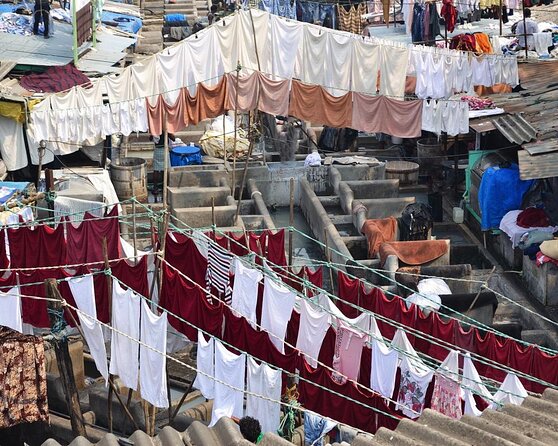
- Dharavi in city-size detail: you’re shown it as a functioning area with schools, clinics, factories, and public spaces.
- Kumbharwada pottery process in short time: you get a quick look at how pots are made and how work shapes the spaces.
- Pickup + a clear meeting/end point: practical if you’re staying in central areas.
- Double-check duration match: the 3–4 hour promise is the big thing to verify up front.
Why a Dharavi photo walk needs a local guide (and a careful eye)
Dharavi has a reputation people repeat without seeing the place. That’s why this kind of tour works better than a quick drive-by: you’re there on foot, talking to people through your guide’s lens, and framing your photos around real life.
I like the fact that the guides are described as being from Dharavi themselves. That matters because you’ll hear context you can’t read on a brochure. You also feel a different kind of respect in the way the tour is handled—especially since the operator says they prioritize safety and visitor comfort.
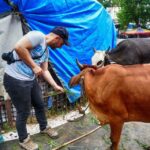
The other thing you’ll notice is how fast your camera strategy changes. In a neighborhood with many tiny spaces and crowded streets, you’ll start thinking less about perfect “travel shots” and more about honest storytelling: hands at work, narrow corridors, small signs of community routines. It’s a different photography mission, and it’s one you’ll likely enjoy more if you came with curiosity rather than expectations of dramatic scenery.
You can also read our reviews of more private tours in Mumbai
Stop 1: Dharavi in about 2 hours—city scale, real routines, photo-ready moments
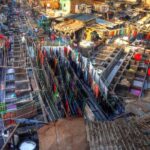
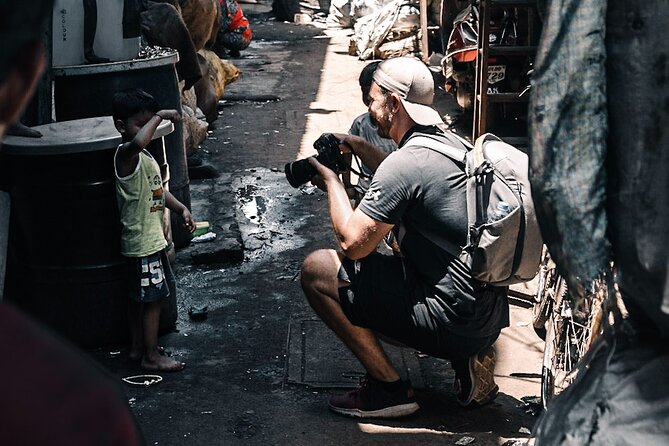
This is the heart of the tour. You spend about 2 hours in Dharavi, and the way it’s presented is useful: it’s not treated like one big poverty photo backdrop. Instead, it’s described as a city in itself—with more than 7 schools, public and private hospitals, playgrounds, theatres, and over 1,500 single-room factories—all concentrated in an area of around 2.7 sq km.
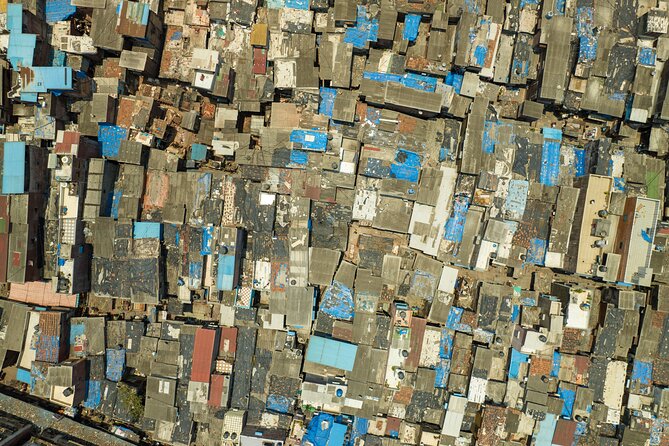
For photography, that density is both the challenge and the payoff. The streets and lanes can feel tight, and you’ll want to keep your movement smooth so you don’t block people. But the same density gives you plenty to shoot: micro-workspaces, everyday transportation flow, and people in motion through doorways and shared paths.
A practical way to enjoy this stop:
- Plan for short bursts of photography. Don’t try to shoot everything nonstop. Pause, look, then shoot.
- Watch for human-scale details: tools, materials, production steps, and the little routines that show how the neighborhood functions.
- Use your guide to understand what’s okay to photograph and when to step back. The tour operator’s message about safety and respectful visits is a hint that you should move thoughtfully.
There’s also a big emotional reality here. You’ll likely find it easier to hold nuance when you remember that you’re not just seeing hardship—you’re also seeing resilience, skill, and local organization. One reason the tour gets praise is that it aims to give visitors a true understanding of life in Dharavi, including both challenges and the everyday beauty of how people adapt.
Stop 2: Kumbharwada pottery village in ~20 minutes—how craft shapes space
Kumbharwada is the shorter follow-up stop, about 20 minutes. It’s known as a pottery village within the wider Dharavi area, with roots tied to Gujarati migrant communities who arrived in the late 19th century. The focus here is on the stages of making pots and how each stage affects the spaces around the work.
In plain terms: you’re not just seeing the end product. You’re getting a quick sense of the workflow—how materials get handled, how workspaces support the steps, and how practical design grows around a craft. Even with the short time, this stop can change your photo perspective. Instead of “documenting a neighborhood,” you begin “documenting a process.”
Because the stop is brief, treat it like a targeted photo mission:
- Photograph the workflow elements you can see clearly (tools, materials, hands at work).
- Aim for shots that show cause-and-effect: what tools look like at each stage and how the space supports them.
- Don’t assume you’ll get long explanations. With only 20 minutes, you’re likely there for focused observations.
One caution: if you’re expecting Kumbharwada to be a longer craft demonstration, it might feel short. The itinerary makes it a quick stop, so match your expectations to the timing.
Pickup, meeting point, and how the tour actually starts/ends
If you hate complicated transit plans, this is one of the reasons the tour can feel good value. Pickup is offered, and that can save you time—especially if you’re not already comfortable navigating Mumbai on your own.
Your start point is at Third Wave Coffee, Tip Road, Unit no. 58, Ground, Ram Mahal, Senapati Bapat Marg, Marinagar Colony, Station, Mahim, Mumbai, Maharashtra 400016. The end point is Young Tours & Travel, 90 Feet Rd, Muslim Nagar, Kumbhar Wada, Dharavi, Mumbai, Maharashtra 400017.
You’ll also be glad the listing says the end area has local transportation nearby. That means you’re not stuck at some far-off corner with no easy way to continue your day.
One more practical note: this is an area where you’ll want to plan for slow, careful walking. Private tours help because the guide can shape the route around your pace and photo needs—but the neighborhood itself still sets the rhythm.
Safety and respect: how to photograph without being a distraction
Photography in a working community requires a different mindset than sightseeing. The operator frames safety as the first priority and mentions taking necessary precautions, which you should treat as a reminder that rules exist even if you’re not seeing them written down.
Here’s how to make your photos feel respectful and also make the tour smoother for everyone:
- Ask before shooting close-up portraits or images that might identify people. If your guide suggests you step back, listen.
- Keep your camera use steady. Sudden movement, loud actions, or blocking narrow lanes can create friction quickly.
- Think about angles. In dense areas, sometimes stepping aside for a better line is more helpful than squeezing past someone.
- Be flexible. If the guide steers you away from a spot, it may be about safety, access, or community comfort.
A slightly humorous truth: your best photos in Dharavi may come from patience, not from speed. The neighborhood’s energy is in daily routines. If you hover and watch for moments, your photos often improve.

Price and value: $14 per person versus the timing red flag
At $14 per person, this tour looks like serious value for a private experience with pickup and a local guide. For many photography-focused tours in major cities, you’d expect a much higher baseline before you even add local context and neighborhood access.
But there’s a reality check you should take seriously. Even though the experience is advertised as 3–4 hours, there is at least one warning sign: a booking that ended after a little more than an hour, with the person describing it as poor value compared with what they paid. The same comment mentions a much higher cost than the $14 figure—so the takeaway isn’t the exact number. The takeaway is mismatch risk between what you think you’re buying and what you actually get.
My practical advice:
- Before you confirm, make sure your message includes the exact duration you’re expecting and whether the tour will cover Dharavi plus the Kumbharwada stop within that time.
- If the quote you’re shown is much higher than $14, ask why. Pricing can vary by platform, group size, or season, but you still want clarity.
When everything lines up, the value proposition is strong: private time, local insight, and focused photo stops. When timing is short, the value drops fast, because photography sessions only work if you have enough walking time.
The guide factor: Sahil’s name shows what “good” looks like here
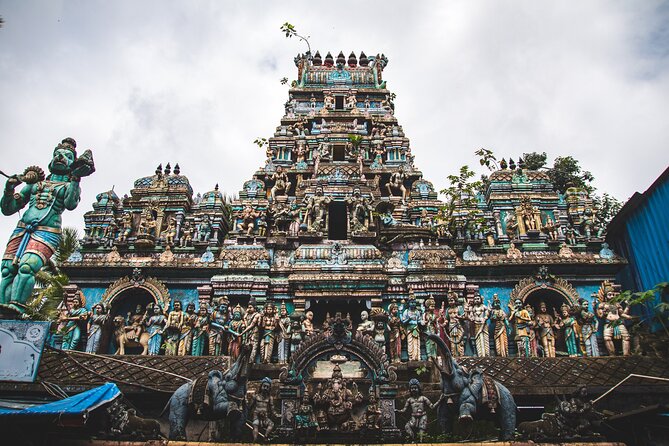
One of the strongest signals from the feedback data is guide quality. A guide named Sahil received special praise, including a note calling out his excellence even when the overall experience felt problematic for timing.
That matters because in a neighborhood like Dharavi, the guide isn’t just leading you physically. They’re interpreting what you’re seeing, helping you ask questions the right way, and guiding your photography choices so your pictures make sense.
When you book, look for wording that signals guide-led learning rather than a quick walk. This tour’s descriptions lean toward education and understanding daily life, including the challenges and the beauty in how people build community. That’s the kind of framing that usually comes from a guide who cares about communication, not just moving guests from point A to B.
Who this tour suits best (and who might want a different option)
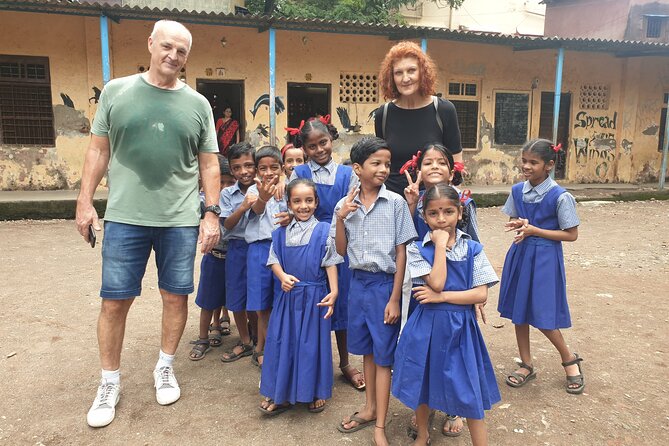
This experience fits you if:
- You like photography with context, not just “take pictures, move on.”
- You want to understand Dharavi as a functioning neighborhood with schools, factories, and community spaces.
- You prefer a private group where you can ask questions and adjust your pace.
It may feel less ideal if:
- You need a strictly long, guaranteed session for a specific photo project.
- You expect a major craft demo at Kumbharwada. The stop is short by design.
- You’re sensitive to the discomfort some people feel around slum stereotypes. You’ll want to approach with empathy and realism.
If you’re a first-time visitor to Mumbai and you want a “real life” encounter early in your trip, this can work—just go with the right mindset: respectful, curious, and ready to see a place that doesn’t match media headlines.
Should you book this private Dharavi photo tour with pickup?
I’d book it if you’re clear about what you’re getting: a private, guide-led photography walk focusing on Dharavi’s day-to-day city scale and a quick craft stop at Kumbharwada. The price makes it easy to justify, and the guide-based learning angle is the part that most often creates meaningful results.
Before you hit confirm, do one simple check: ask for clarity that your tour duration will actually cover both Dharavi (about 2 hours) and Kumbharwada (about 20 minutes) within the promised 3–4 hour window. If the operator confirms that clearly, you’re likely in for an experience that helps you see Dharavi as more than a label.
If you want, tell me what date/time you’re considering and what city neighborhood you’re staying in. I can help you plan a low-stress arrival and where to pick up local transportation after the tour ends.
FAQ
How long is the Dharavi slum photography tour?
It’s listed as about 3 to 4 hours in total.
Is the tour private?
Yes. It’s a private tour/activity, and only your group participates.
Do you get pickup?
Pickup is offered.
Where do you meet and where does the tour end?
You start at Third Wave Coffee on Tip Road in Mahim. The tour ends at the Young Tours & Travel office on 90 Feet Rd in Muslim Nagar, Kumbhar Wada, Dharavi.
What stops are included?
You’ll visit Dharavi first, then Kumbharwada.
Are admission tickets required?
The listing says admission ticket is free for Dharavi and Kumbharwada.
How far in advance should I book?
On average, it’s booked about 16 days in advance.
What’s the cancellation policy?
Free cancellation is available if you cancel up to 24 hours in advance for a full refund.
Is this tour near public transportation?
Yes, it’s marked as near public transportation.