REVIEW · MUMBAI
Private Dharavi Slum and Sightseeing Tour
Book on Viator →Operated by Reality Tours & Travel Pvt Ltd · Bookable on Viator
Dharavi feels real, not staged. This private tour lets you walk through Dharavi homes and businesses with a local English guide, then rolls into classic Mumbai landmarks. I also like the built-in hotel pickup and drop-off, so you spend your energy sightseeing instead of fighting traffic.
The trade-off is a 9-hour day with quick stops, so come with steady energy and comfy shoes. A few parts of the city can feel crowded and noisy, and you may want to take a breath whenever you need one.
In This Review
- Key things to know before you go
- Why this Dharavi + Mumbai route makes sense for first-timers
- Entering Dharavi: what you’re really there to understand
- Dhobi Ghat: a short stop with a big visual payoff
- Jain Temple and the Malabar Hill viewpoints: quick calm in between
- Banganga and Haji Ali: old water stories and a sea-side setting
- Crawford Market and Chor Bazaar: food you can sniff out (and souvenirs you can actually buy)
- Chhatrapati Shivaji Terminus and Gateway of India: landmarks with built-in stories
- Marine Drive and Sassoon Dock: finish with sea air and working waterfront views
- Price and value: what $87.23 buys you in a real city day
- What to expect from the pacing (and how to prepare)
- Guides you might meet: Chetan and Sabina
- Should you book this Private Dharavi Slum and Sightseeing Tour?
- FAQ
- How long is the Private Dharavi Slum and Sightseeing Tour?
- Is this tour private?
- What’s included in the price?
- Is food included?
- Are entrance tickets required for the stops?
- How does pickup work?
- What is the cancellation policy?
Key things to know before you go
- Dharavi access you can’t easily DIY: A guided walking approach that helps you understand what you’re seeing.
- Real work, not just photos: Dhobi Ghat and markets show how Mumbai actually runs day to day.
- A big-hits route with short time windows: You’ll see a lot, but each stop is brief.
- Free entry at all listed stops: Your guide handles the flow; you’re paying mainly for people and transport.
- English guide plus driver the whole day: Less stress, more time looking.
- Food isn’t included: You’ll want a budget for snacks or a meal of your own.
Why this Dharavi + Mumbai route makes sense for first-timers
Mumbai can overwhelm you fast. The city is huge, the neighborhoods feel different from each other, and it’s hard to know what’s worth your time on a first visit. This tour is built to solve that problem with a single, guided route that starts with Dharavi and then sweeps through major landmarks and neighborhoods.
I like that the day isn’t only about “must-see” photos. You also get context for how people live and work, which makes the famous sights snap into focus. And because it’s private, your pacing is steadier. You’re not squeezed into a giant group with strangers elbowing for a better angle.
You can also read our reviews of more private tours in Mumbai


Entering Dharavi: what you’re really there to understand
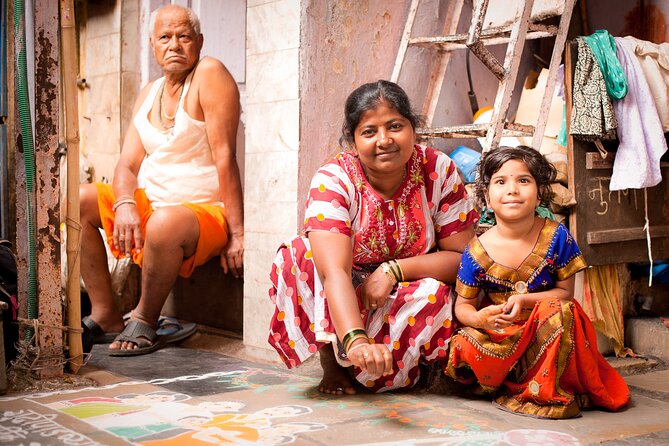
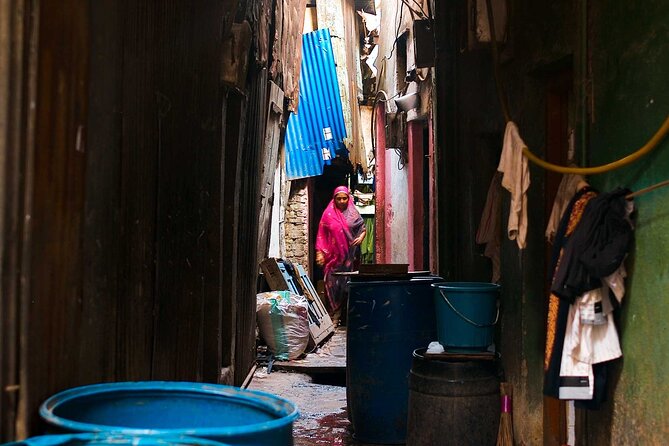
Dharavi is often discussed from far away. Here, the point is to help you see it up close in a respectful way: you visit homes and businesses inside the settlement as part of a walking tour.
Expect a street-level education. The guide’s job is to connect what you’re seeing—workshops, everyday spaces, and local industries—to the lives of the people who make Dharavi function. This is the part that benefits most from having an English-speaking guide. You won’t just “look,” you’ll understand the why behind the activity.
Practical reality: a walking tour means you should be mentally ready for close quarters and normal neighborhood energy. This is not a museum vibe. It’s a working community. I’d treat it like a conversation: listen more than you talk, ask sensible questions, and give people space.
Dhobi Ghat: a short stop with a big visual payoff
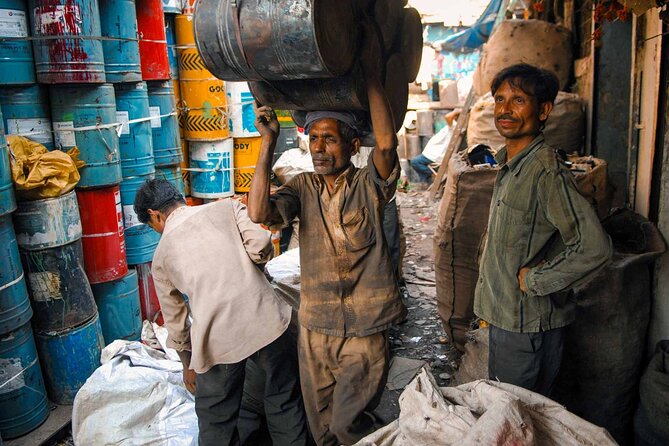
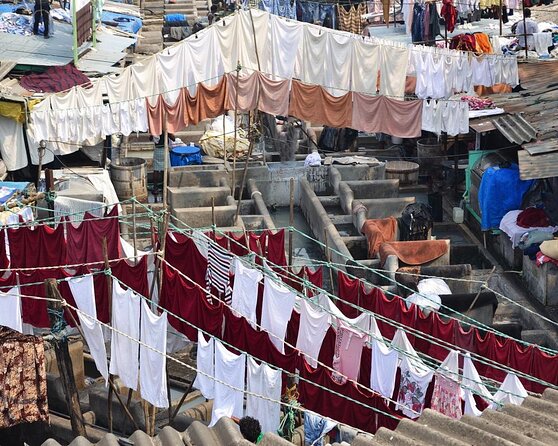
After Dharavi, the day quickens with Dhobi Ghat, described as the world’s largest outdoor laundry. Even with only about 10 minutes here, the visual impact is immediate: dhobiwallahs scrub and clean linens tied to major hospitals and hotels.
The value of this stop isn’t just the spectacle. It’s what it shows about Mumbai’s supply chains and service work. Laundry is one of those “invisible” systems most visitors never think about—until you stand near it.
Because your time is tight, go in with a simple plan: watch first, then let your guide explain what you’re seeing. If you’re the type who likes to photograph everything, set limits. You’ll miss the story if you turn the camera on every second.
Jain Temple and the Malabar Hill viewpoints: quick calm in between
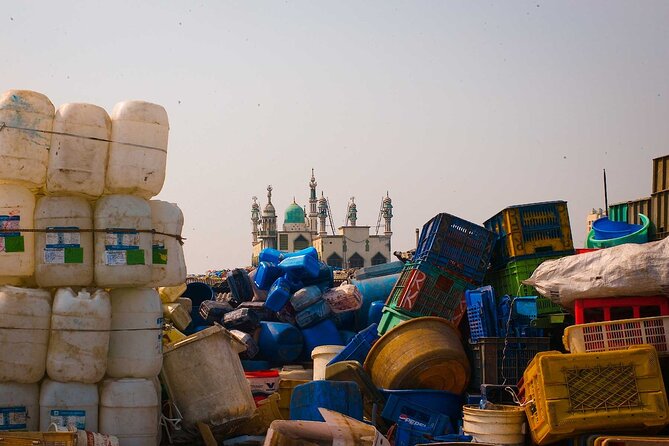
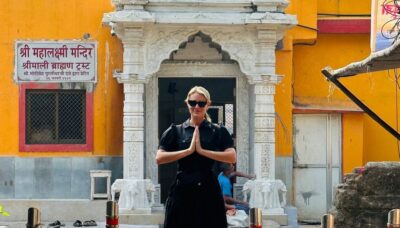
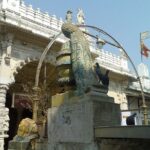
The itinerary slows in small bursts, starting with a Jain Temple in Mumbai. You’ll get a brief visit (around 20 minutes) to see one of the city’s most intricately decorated temples, along with Jainism’s emphasis on peacefulness and non-violence. This stop works as a reset between louder, more active streets.
Next comes Kamala Nehru Park on top of Malabar Hill, also about 20 minutes. This is one of the city’s greener, calmer breaks, and it comes with an eye-catching view over Marine Drive and the Arabian Sea. If you’ve been stuck on busy roads all morning, this is where you can finally look out instead of forward.
What to watch for: even short temple and park stops can be crowded at peak times. Keep your phone away for a moment and take in the details your guide points out. The view is the prize, but the surrounding explanation makes it land.
Banganga and Haji Ali: old water stories and a sea-side setting
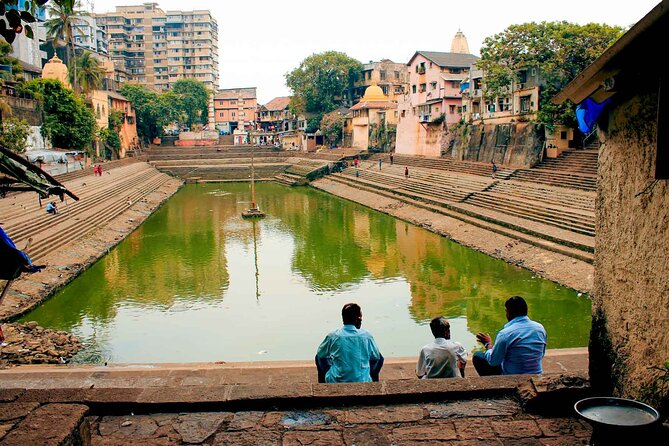
Banganga is a famous 12th-century tank surrounded by Hindu temples, with a belief attached to healing powers. You’ll hear that rumor about its spring connecting to the holy Ganges. It’s a brief visit (around 20 minutes), but it’s one of those stops that adds a different kind of Mumbai flavor—faith, legend, and place all wrapped together.
Then you head to Haji Ali Mosque, where time is closer to 30 minutes. This mosque sits at the end of a long causeway that reaches into the sea, and it’s tied to the tomb of Saint Haji Ali. The story includes his renouncing of the world and his journey to Mecca. Standing there, you’ll get why this spot became famous: it feels separated from the busy city by water and distance.
Practical tip: dress respectfully for religious sites. Even without special rules listed, you’ll feel better if you keep shoulders and knees covered and keep your behavior calm and low-key.





Crawford Market and Chor Bazaar: food you can sniff out (and souvenirs you can actually buy)
Now you get into the market-energy part of Mumbai. Crawford Market is one of the city’s major wholesale fruit, vegetable, and meat markets. It also has a standout claim: it was the first building in India to get electricity. Your stop is about 30 minutes, which is just enough time to feel the scale without getting lost.
Then comes Chor Bazaar, sometimes called the Thieves Market. This is a large, busy flea market where you can find almost anything. You’ll also have time to taste local sweets, and you can pick up homemade-style pickles and chutneys if that’s your kind of souvenir. The stop is around 45 minutes, which is generous for something as chaotic as a market.
A small reality check: markets are sensory overload. If you’re prone to shopping impulsively, it helps to set a target first: one snack stop, one small gift, then move on. With a guided day, you’ll lose time if you wander endlessly.
Chhatrapati Shivaji Terminus and Gateway of India: landmarks with built-in stories
The route includes Chhatrapati Shivaji Terminus, also known as CST. This is a UNESCO World Heritage Site and one of the busiest railway stations in the country at rush hour. You’ll have about 20 minutes here—enough to see why it’s so important and to understand how trains shape daily life.
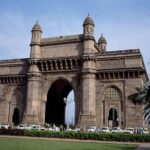
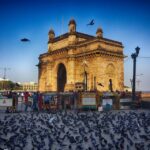
The day also includes Gateway of India, built in 1911. You’ll hear how British troops marched under the Gateway of India in 1948 to mark the end of the British Raj. It’s a quick stop (around 20 minutes), but this is one of Mumbai’s most iconic framing points for the harbor area.
For photos, I’d pick one or two “real” shots and then listen to what your guide is explaining. Otherwise, it’s easy to treat these sites like background scenery. The short time windows mean the story matters.
Marine Drive and Sassoon Dock: finish with sea air and working waterfront views
Marine Drive is next, with about 25 minutes. It’s often called the Queen’s Necklace, and no trip feels complete without a stroll here. The walk works best when you slow down. Let the guide point out what to look for, but don’t rush. This is your chance to shift from “checklist sightseeing” to a relaxed city moment.
Finally, Sassoon Dock brings the working waterfront into the mix. You’ll spend around 30 minutes watching fishermen bring in the catch. It’s a strong close to the day because it returns you to the theme you started with: Mumbai isn’t just attractions. It’s labor, commerce, and everyday movement.
If you want a practical souvenir, this is also a good time to plan your final meal nearby afterward, since food isn’t included on the tour.
Price and value: what $87.23 buys you in a real city day
The price is $87.23 per person for an approximately 9-hour private tour. That number can look high or fair depending on what’s included.
Here’s what you’re getting for the cost:
- Hotel/residence pickup and drop-off
- A local English-speaking guide and driver for the day
- Water or a cold drink
- Access to the listed stops with admission tickets listed as free
- A private group setup (only your group participates)
The big value piece is the combo of transport + guide + a route that’s hard to stitch together on your own, especially for Dharavi. Even if each stop is short, you’re effectively buying time and context, not just sightseeing.
What’s not included is food. That matters. Plan a budget for at least snacks, and likely a meal on your own during or after the route.
What to expect from the pacing (and how to prepare)
This tour packs a lot into one day, with many stops running 20 to 30 minutes. The pacing can feel fast, especially if you’re not used to city wandering or if you’re sensitive to crowds.
To set yourself up:
- Wear comfortable shoes. You’ll be on foot for the Dharavi part and walking around other sites.
- Keep a flexible attitude. Some moments are quiet and reflective, others are noisy and practical.
- Bring a realistic plan for food. Water is included, but you’ll want to handle meals yourself.
- If you’re traveling with anyone who gets tired quickly, tell your guide early. This is a private tour, and your guide can often help you manage the rhythm.
Also, having an English-speaking guide throughout helps you move faster through confusion. You’re not left figuring out what you’re seeing, which is half the battle in Mumbai.
Guides you might meet: Chetan and Sabina
Two guide names show up strongly in the experience’s history: Chetan and Sabina. The common thread in how they’re described is that they keep the day structured and the explanations clear, connecting the landmarks to what’s happening in the city around them.
You can use this as a cue for how to approach the tour: ask questions that go beyond where things are. Ask how and why. That’s what makes the stops feel less like stamps and more like a story.
Should you book this Private Dharavi Slum and Sightseeing Tour?
Book it if you want a first-visit Mumbai day that goes beyond the usual postcard route. This is the right choice when you care about context—how Dharavi functions, what services like outdoor laundry look like, and how major landmarks tie into the city’s everyday movement.
Consider a different option if you hate fast pacing. Many stops are brief, and the day is long enough that you’ll want stamina.
If you do book, I’d treat it like a guided day trip with a purpose: come curious, keep your questions respectful, and plan to eat on your own. You’ll get a fuller Mumbai picture than you would from a basic checklist.
FAQ
How long is the Private Dharavi Slum and Sightseeing Tour?
The tour runs about 9 hours.
Is this tour private?
Yes. It’s a private tour/activity, so only your group participates.
What’s included in the price?
Included items are hotel/residence car pickup and drop-off, a local English-speaking guide and driver for the entire tour, and water/cold drink.
Is food included?
No. Food isn’t included.
Are entrance tickets required for the stops?
Admission tickets are listed as free for the stops on the route.
How does pickup work?
Hotel or residence car pickup and drop-off are included.
What is the cancellation policy?
You can cancel for a full refund up to 24 hours in advance. If you cancel less than 24 hours before the experience starts, the amount paid is not refunded.