REVIEW · MUMBAI
Mumbai Market Tour
Book on GetYourGuide →Operated by Mumbai Dream Tours · Bookable on GetYourGuide
Mumbai’s markets hit you before the monuments do. This Mumbai Market Tour is built around the street life you see in South Mumbai, where colonial facades share the block with temples, mosques, and vendors calling out over carts of fruit, spices, flowers, and snacks.
I especially like the way the best guides turn this into more than a walk past shops. Guides such as Kieran and Dinesh are praised for explaining what to look for and teaching you how to bargain in the textile and market setting, so you can shop with less guesswork.
One thing to think about first: depending on the guide and the day, the experience can feel shopping-heavy rather than temple-and-heritage focused, with early time spent in stalls for items like pashmines, spices, and clothing.
In This Review
- Quick hits on the Mumbai Market Tour
- Why South Mumbai Markets Feel Like the Main Event
- Crawford Market: A One-Stop Mix of Fruit, Candles, Spices, and Party Stuff
- Mangaldas Market: Textiles and Cloth Shopping With Less Guessing
- The Spice Market Moment: Look First, Smell, Then Ask
- Jewelry Market: Old Energy, Fast Sales, and Real Bling Choices
- Flower Market: Where Color Is the Point, Not the Bonus
- Jama Masjid, Mumba Devi Temple, and Madhav Baugh: Faith Stops on the Route
- Walking Through Colonial Buildings With Market Noise in the Background
- Price and Value: What $23 Buys You (and What It Might Not)
- Who Should Book This Tour, and Who Should Pick Something Else
- Should You Book Mumbai Market Tour?
- FAQ
- FAQ
- How much does the Mumbai Market Tour cost?
- What markets and sights are included?
- Is the tour conducted in English?
- Does the tour include Crawford Market?
- What kind of spices are highlighted on the tour?
- Is there a reserve and pay later option?
- What is the cancellation policy?
- How is the tour rated?
Quick hits on the Mumbai Market Tour
- Crawford Market first impressions: candles, exotic fruit, cake molds, party wear, and accessories under one roof
- Real bargaining practice: you get pointers on how to negotiate in textiles and markets
- Five-market hit list: cloth, spices, jewelry, and the massive flower market all in one route
- Smells and flavors, not just photos: expect strong spice aromas and plenty of snack-and-cart energy
- Faith stops are included: Jama Masjid, Mumba Devi Temple, and Madhav Baugh sit on the route
- Price vs. expectations: $23 can be great value if you want markets and shopping guidance
Why South Mumbai Markets Feel Like the Main Event
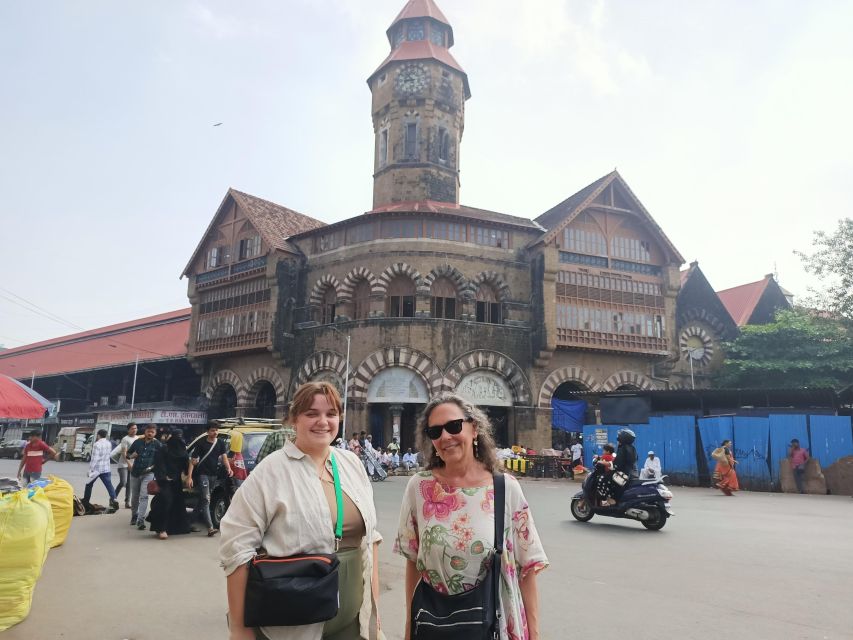
South Mumbai has a special rhythm: wide roads for traffic, then narrow lanes where activity compresses fast. On this tour, you’re not trying to “collect sights.” You’re watching how people actually shop, talk, compare, and move through the day.
That’s why the markets matter here. The tour is built on the idea that Mumbai’s essence lives in its bazaars—what’s sold, how vendors present it, and what you learn when you ask questions in the middle of the action.
If you like travel that’s equal parts visual and practical—seeing how things work and how locals buy—this tour fits. If you’re expecting a strictly cultural, museum-style outing with long temple time, you’ll want to calibrate your expectations because some market routes do shift toward stores.
You can also read our reviews of more shopping tours in Mumbai

Crawford Market: A One-Stop Mix of Fruit, Candles, Spices, and Party Stuff
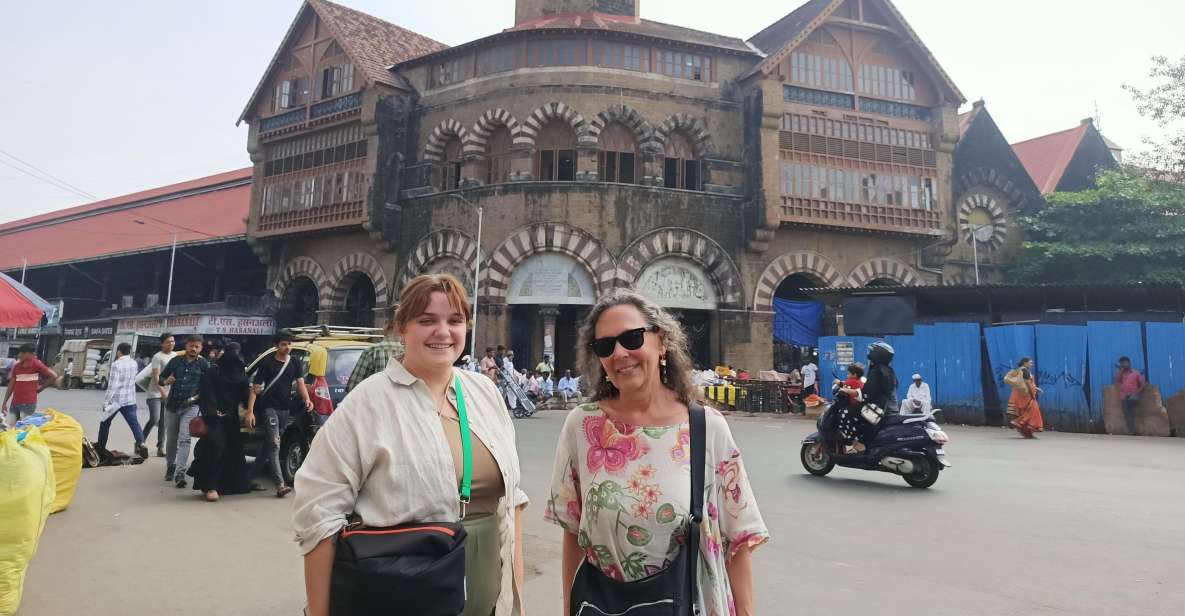
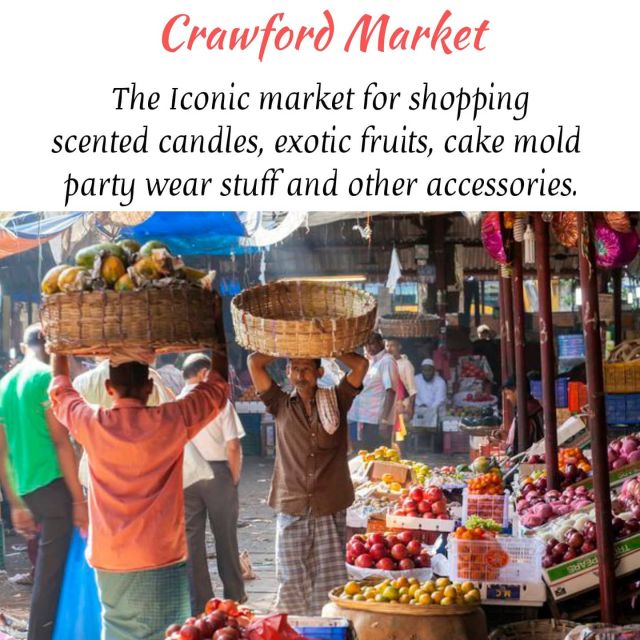
Crawford Market is one of the most iconic market stops on the list, and it covers a lot of ground quickly. You’re likely to see a grab-bag of goods that feels very Mumbai: scented candles, exotic fruit, and even items like cake molds and party wear, plus the kind of accessories that make you stop and browse even if you didn’t plan to buy.
You’ll also get the spice thread that runs through the markets. The tour includes spice market coverage tied to Crawford Market’s role as a major produce and spice hub. In practical terms, that means you’re not just hearing about spices—you get to look at stacks and varieties up close.
What makes this stop work: it’s colorful, intense, and full of sensory cues. What to watch for: it can be easy to get overwhelmed. If you want deeper conversations, keep your eyes open for the guide’s cues about what’s worth asking.
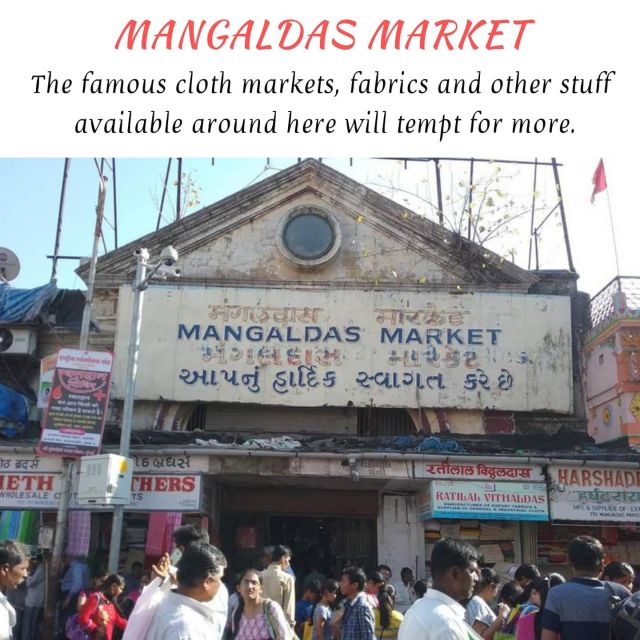
Mangaldas Market: Textiles and Cloth Shopping With Less Guessing
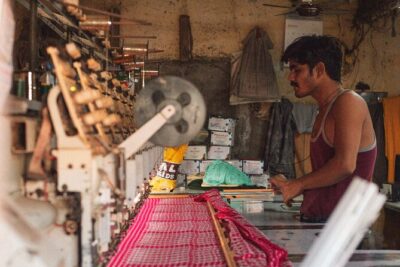
Mangaldas Market is the cloth-and-fabrics stop. This matters because textiles in India are not just fabric; they’re the system behind how people dress and how stores price and position quality.
The positive feedback here is clear: guides are credited with being patient in the textile market and helping you navigate the shopping flow. That’s a big deal if you don’t have prior experience comparing weaves, finishes, and pricing.
The value for you: if your goal is to leave with something you actually understand—rather than just impulse-buying—Mangaldas gives you a structured way to look around. The reality check: textiles markets move fast, and you’ll need to be comfortable spending time among stalls and sales talk.
The Spice Market Moment: Look First, Smell, Then Ask
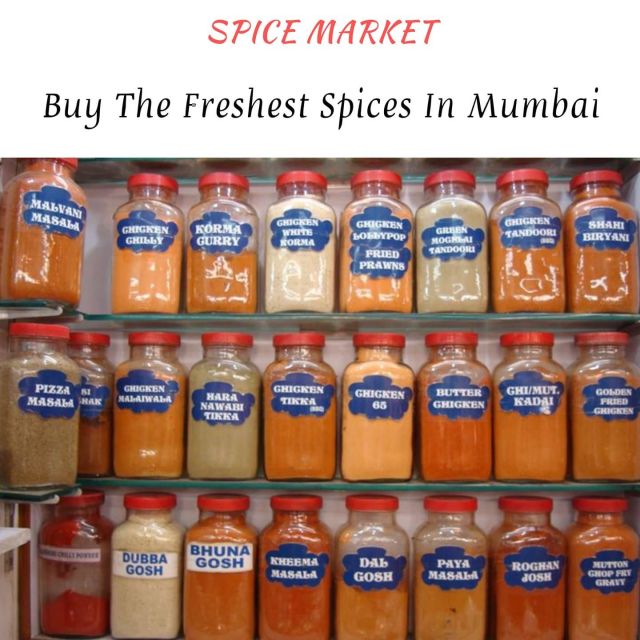
The tour includes a spice market stop centered on Crawford Market’s reputation for fresh produce and spices. Expect a clear focus on everyday staples like cumin, coriander, turmeric, and cardamom.
This is where you get one of the most useful travel skills: learning to identify what’s what from the outside. Spices are often sold in small labeled portions, but in a loud market you can miss details unless you slow down. A guide can help you slow down without turning the stop into a lecture.
My favorite way to use this stop: treat it like a tasting and learning station for aromas. Even if you don’t buy, you’ll leave better at recognizing the building blocks of Indian cooking—and you’ll understand why spice counters feel like their own world.
Jewelry Market: Old Energy, Fast Sales, and Real Bling Choices
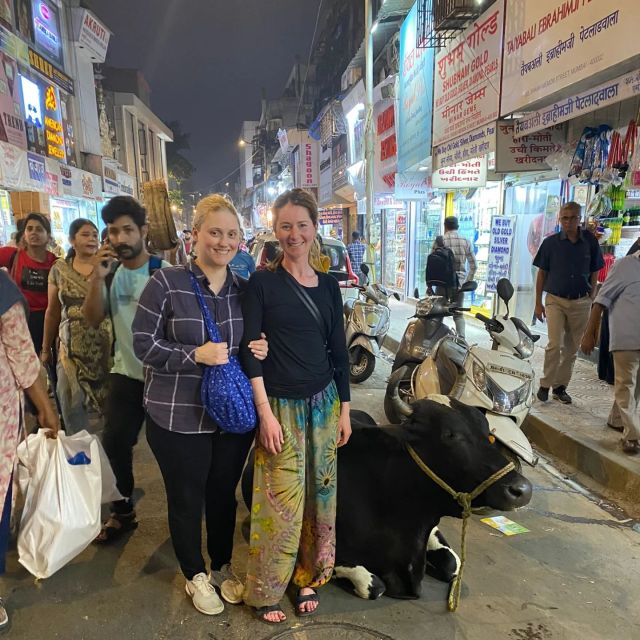
The jewelry market is listed as one of the oldest and busiest in Mumbai, and that description doesn’t feel exaggerated when you’re standing inside. You’ll find a wide range of jewelry styles and materials, with offerings that include gold, silver, and diamond jewelry, plus precious and semi-precious stones.
This stop is not just about shine. It’s about how people value materials, how sellers talk about stones, and how buyers compare without turning it into a slow, polite museum visit.
Who this works for: anyone who likes market craftsmanship and wants to see jewelry commerce up close. Who should pace themselves: if you get stressed by intense sales energy, set a simple goal in your head—look only, or compare two or three cases—so you don’t burn the whole day in one aisle.
You can also read our reviews of more tours and experiences in Mumbai




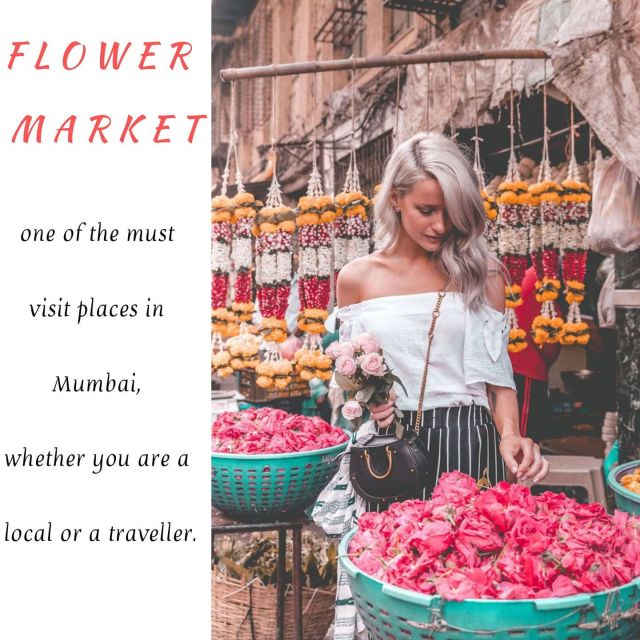
Flower Market: Where Color Is the Point, Not the Bonus
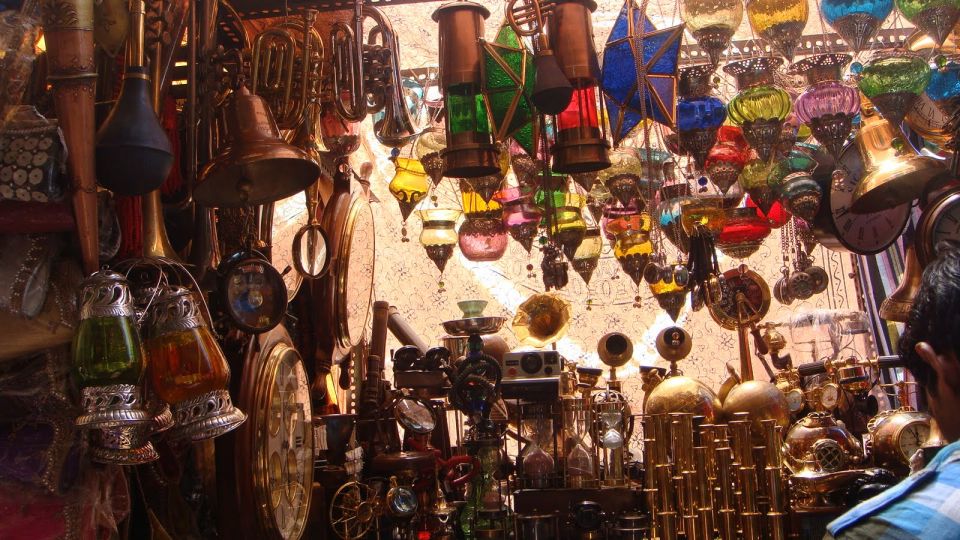
The flower market is described as Mumbai’s largest, with a focus on color and variety. Think marigolds, roses, lilies, and orchids, all presented in a way that makes the market feel almost theatrical.
This is a great stop because it changes the sensory profile from spices and textiles. Flowers soften the noise into something more visual—bright stacks, layered colors, and the quick rhythm of people buying for daily use and special occasions.
Why it’s worth your time: even if you never buy flowers, you’ll understand why markets like this are daily infrastructure, not just a tourist detour. A practical note: expect lots of movement and close spaces, so keep your phone tucked until you’re steady.
Jama Masjid, Mumba Devi Temple, and Madhav Baugh: Faith Stops on the Route
The tour list includes Jama Masjid, Mumba Devi Temple, and Madhav Baugh, alongside colonial buildings and the general presence of temples and mosques in the lanes.
This part of the tour is valuable because it links the commerce to the city’s spiritual geography. You’re not just walking through “shopping streets.” You’re seeing how religious spaces and markets coexist, share foot traffic, and shape neighborhood life.
That said, here’s the key caution from real-world experience: not every market tour allocates the same time to these faith stops. If your must-have is meaningful time at temples and mosques, check what the guide plans to cover and how much walking time is reserved for cultural moments.
Walking Through Colonial Buildings With Market Noise in the Background
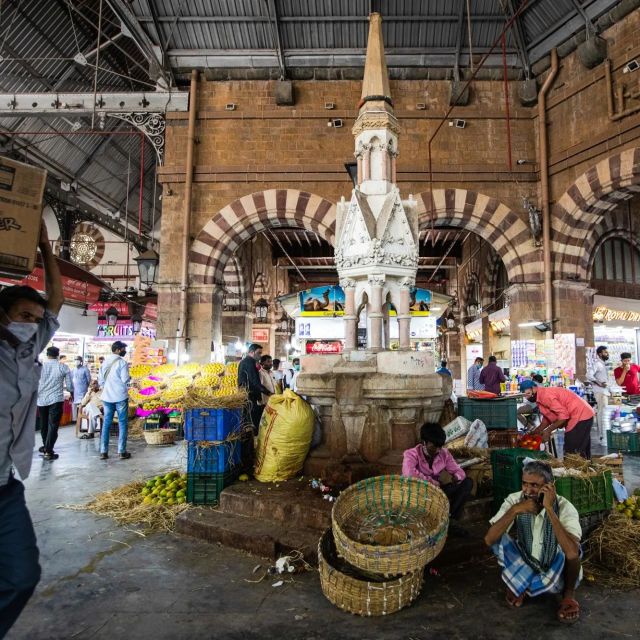
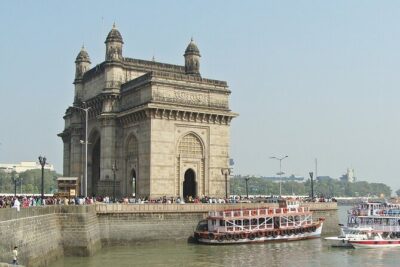
One reason the route feels distinct is the pairing of colonial-era building presence with today’s market life. You get that contrast immediately: old facades, new signage and sales counters, and lanes that look historic but function as active commercial streets.
This contrast is where the tour becomes more than a list of markets. You start to understand Mumbai as a layered city: layers of architecture, layers of languages, and layers of commerce built into one daily route.
If you want photos, you’ll get them. But the better “souvenir” is your understanding of how a neighborhood works at human speed—vendor to customer, question to answer, bargain to decision.
Price and Value: What $23 Buys You (and What It Might Not)
At about $23 per person, this tour can be a standout value if your priorities are markets, shopping context, and street-level guidance. The price makes sense because the included stops are serious hitters: Crawford Market, Mangaldas Market, a spice focus, a jewelry market, a flower market, and multiple religious landmarks.
Where value can wobble is expectations. One common disappointment signal is when the tour feels like a store circuit with limited cultural explanation, especially if the day leans heavily into shopping counters (pashmines, spices, women’s clothing) without the temple time you expected.
Here’s how I’d decide if it’s worth it for you:
- If you want help learning the market language (including how to bargain) and you’re happy to spend time browsing and comparing, the price looks strong.
- If your main goal is heritage and religious-site viewing as the core of the trip, you may feel shorted unless your guide keeps those stops central.
Who Should Book This Tour, and Who Should Pick Something Else
This tour is a good fit if you:
- enjoy hands-on shopping culture and want guidance, not just photos
- like market education: spices, textiles, jewelry, flowers
- want a route that includes Jama Masjid and Mumba Devi Temple rather than a pure shopping walk
It may be a mismatch if you:
- want a slow, sightseeing-first itinerary where markets are just background
- dislike sales pressure and sales patter, especially in the textile and jewelry zones
- expect a consistent emphasis on temples and mosques throughout the whole walk
Should You Book Mumbai Market Tour?
I’d book it if you’re the kind of traveler who enjoys learning by watching and asking questions—and you’re open to browsing. The best versions of this tour sound like a smart mix: a guide who knows how markets work, time spent in multiple top stops, and practical pointers like bargaining help in the textile market.
I’d skip or adjust expectations if you only want cultural time at religious landmarks and would feel frustrated by a shopping-led flow. If that’s you, ask for a clear emphasis plan before you go so you’re not left hoping the schedule changes mid-route.
FAQ
FAQ
How much does the Mumbai Market Tour cost?
The price is listed at $23 per person.
What markets and sights are included?
The included stops listed are Crawford Market, Mangaldas Market, the Spice Market, the Jewelry Market, the Flower Market, Jama Masjid, Mumba Devi Temple, and Madhav Baugh.
Is the tour conducted in English?
Yes, the tour language is listed as English.
Does the tour include Crawford Market?
Yes. Crawford Market is specifically listed and described with items like scented candles, exotic fruits, cake mold party wear, and other accessories.
What kind of spices are highlighted on the tour?
The spice market focus includes spices such as cumin, coriander, turmeric, and cardamom.
Is there a reserve and pay later option?
Yes. The listing states Reserve & Pay Later, meaning you can book your spot and pay nothing today.
What is the cancellation policy?
Cancellation is listed as free up to 24 hours in advance for a full refund.
How is the tour rated?
The rating shown is 4.6 based on 12 reviews.