REVIEW · MUMBAI
Best of Dharavi Slum with Market Tour
Book on Viator →Operated by Trip Mumbai Tours · Bookable on Viator
One walk here turns your ideas upside down. This Dharavi slum and market tour shows how daily work, small industries, and neighborhood trade fit together in Mumbai—fast, practical, and human.
I especially liked how the stops focus on real production: open-air laundry at Dhobi Ghat, plus hands-on crafts and recycling in Mahim. I also like the way the guide keeps it respectful and organized, so you can ask questions without feeling like you’re in the way.
The main consideration: this is a working neighborhood with narrow lanes and uneven footpaths, so you’ll want moderate physical fitness and patience for a busy, close-up experience.
In This Review
- Key things to look forward to
- Dharavi plus the market: why this tour works
- Stop 1: Dhobi Ghat and the open-air laundry world
- Stop 2: Kumbharwada (Mahim) and the neighborhood context
- Stop 3: Mahim lather work—leather craft you can picture
- Stop 4: Recycling in Mahim—turning waste into value
- Stop 5: Local people in Mahim and the “whole neighborhood” feel
- Markets and food smells: what you’ll notice as you walk
- Guide energy: how Hakim’s style improves the experience
- Price and value: $39.72 for 3 hours that feel focused
- Timing, pickup, and how to prepare for the walk
- Safety and respect: what good behavior looks like here
- Who should book this Dharavi slum and market tour
- Final verdict: should you book it?
- FAQ
- How long is the Dharavi slum and market tour?
- What’s the price per person?
- Does the tour include pickup?
- Is there an admission ticket included?
- How big are the groups?
- Where is the meeting area in relation to transportation?
- What if the weather is bad?
Key things to look forward to
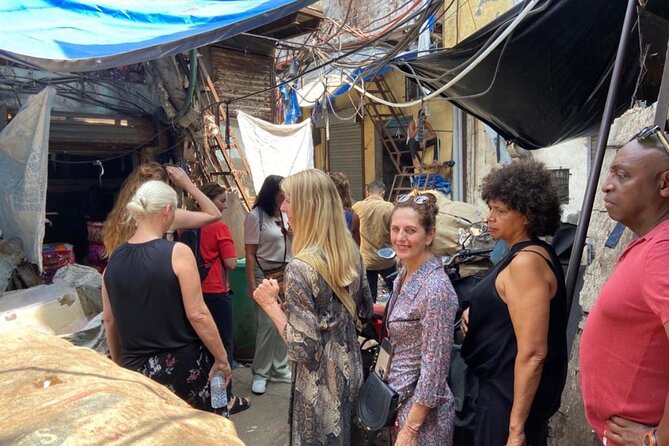
- Dhobi Ghat, an open-air laundromat where dhobis clean hotel and hospital linens
- Mahim’s lather work, making leather goods like bags and wallets
- Recycling in Mahim, where plastic and paper collection feeds local reuse
- Small group size (max 15), which keeps the walk manageable and questions possible
- A guide-led, non-pushy vibe, with a calm style that helps you feel safe and grounded
Dharavi plus the market: why this tour works
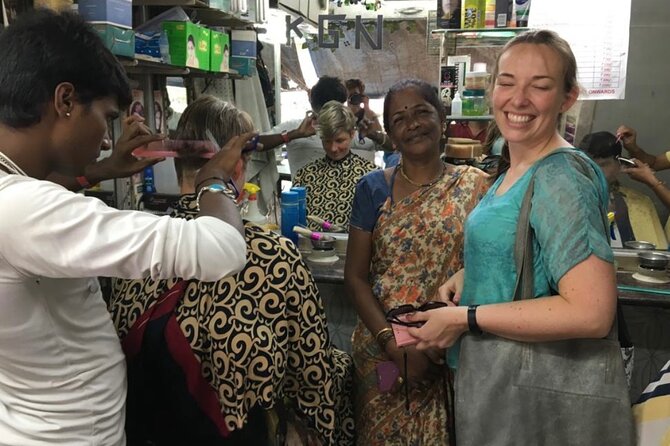
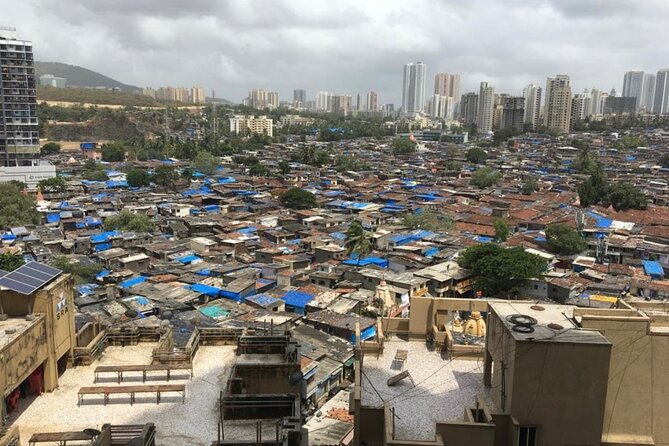
Dharavi can sound like just one big word. On this tour, it becomes a set of clear, visitable work scenes—laundry, craft, recycling, and the neighborhood trade that keeps people moving each day.
What makes it satisfying is the structure. You’re not just staring at poverty or taking photos. You’re learning how the community solves problems through skill, making, sorting, and selling. And because the tour also moves through market areas, you get the wider Mumbai picture: where items come from, who buys them, and why the same streets can feel like a workshop and a shop at the same time.
This is also the kind of experience where your guide matters more than usual. In the feedback I kept seeing the same name—Hakim—and the consistent theme was calm, detailed storytelling with attention to safety and respectful behavior. That’s a big deal in a place like this.
You can also read our reviews of more shopping tours in Mumbai

Stop 1: Dhobi Ghat and the open-air laundry world
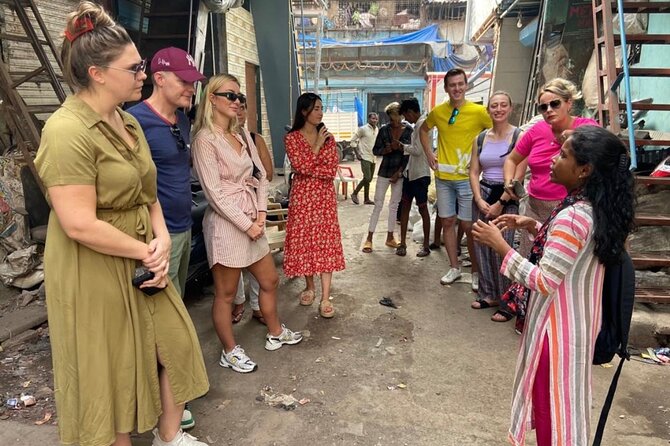
You start at Dhobi Ghat, Mumbai’s famous open-air laundromat. Here, the dhobis (laundry workers) do the cleaning in the open—cleaning clothes and linens used by Mumbai hotels and hospitals.
The value of Dhobi Ghat is that it’s easy to understand once you’re standing there. Even if you’ve never thought about laundry as an industry, you’ll quickly see the workflow: washing, handling, drying, and repeating at scale. The whole system runs with a mix of routine and skill. You can feel why Mumbai has this kind of labor hub—because big cities need reliable services that work with local reality.
Practical tip: you’ll spend about 20 minutes here, and an admission ticket is included. Since it’s outdoors, keep an eye on the weather and sun. If it’s hot, wear breathable clothing and expect that you’ll get close to the action.
A note on comfort: the senses hit you in a real way. It’s working laundry with activity all around—so come ready to observe, not just photograph.
Stop 2: Kumbharwada (Mahim) and the neighborhood context
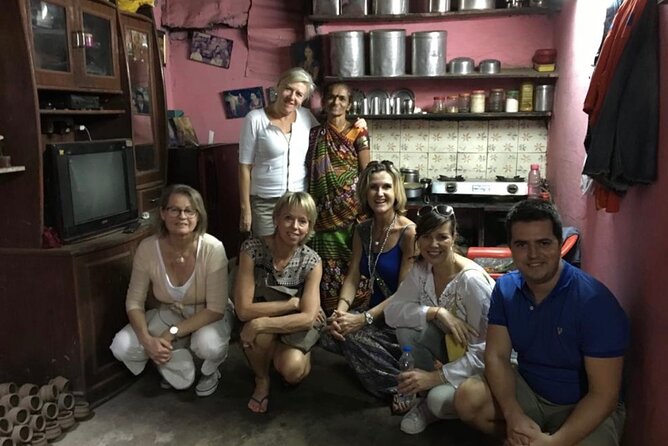
Next you shift into Kumbharwada, linked with Mahim, a locality known for cultural and historical importance. This isn’t presented as a museum stop. It’s more like a quick orientation—helping you understand how this part of Mumbai functions as a lived-in neighborhood with many communities.
This part lasts about 30 minutes, and there’s no admission fee listed here. So the time is mostly about walking, listening, and picking up context: how areas connect, how people move through daily life, and how the same streets can host both tradition and trade.
Why I like this step: it helps prevent the “single-story” mistake. Dharavi isn’t isolated from the rest of Mumbai. You’re seeing a web of places where skills and commerce travel from one street to another.
Stop 3: Mahim lather work—leather craft you can picture
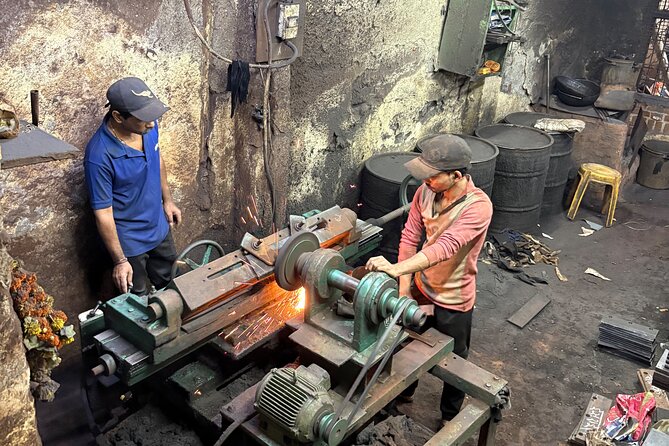
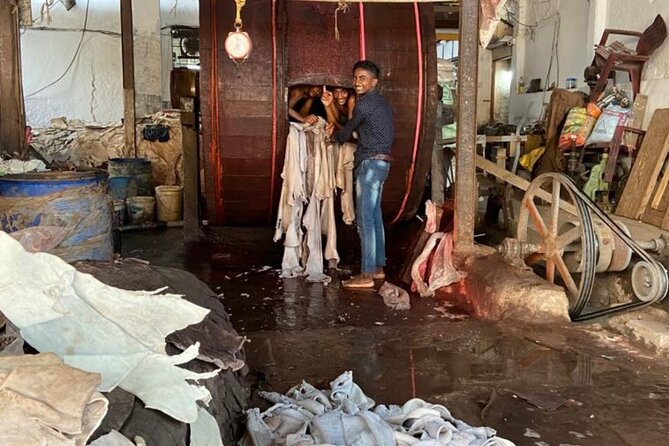
Then you get into Mahim’s lather work, a local craft focused on making and selling leather goods—items like bags, wallets, and other accessories. The word might sound vague until you’re watching the workflow and hearing how the products are produced and sold.
This is where the tour turns from “what’s happening” to “what people make with their hands.” Even if you’re not a craft-collector, it’s satisfying to see the logic of production: materials, cutting/finishing, shaping, and the final product that gets used every day.
This stop also runs about 30 minutes, with no admission ticket required. You’ll probably notice the difference between seeing a product on a shelf and seeing the community behind it. The tour gives you that link.
Practical tip: if you’re shopping later, treat this as your mental reference point. You’ll have a better sense of what a finished leather item represents—effort, skill, and the local market chain behind it.
Stop 4: Recycling in Mahim—turning waste into value
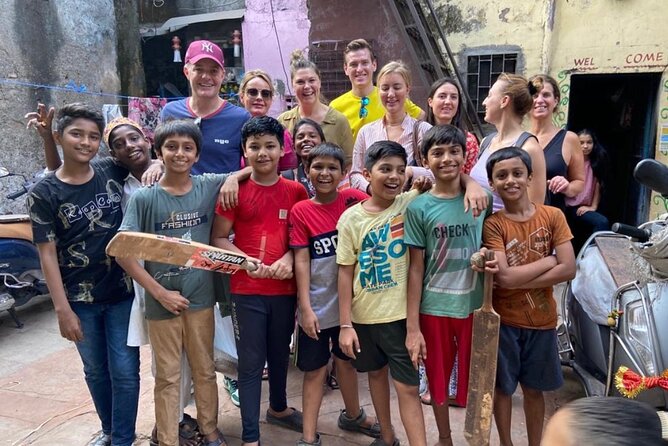
After craft, the tour shifts to recycling efforts in Mahim. You’ll see how local initiatives collect materials such as plastic and paper, feeding reuse and work that supports livelihoods.
This part matters because it reframes what “waste” means. In a place like this, recycling is not a side project—it’s part of the local economy. The tour helps you see the hand-to-material-to-product logic: someone gathers materials, others sort or process, and then those materials return to use.
This stop is again about 30 minutes, and there’s no admission ticket noted. It’s a walking-and-learning segment: you’ll come away with a clearer picture of why Dharavi’s industries are connected to Mumbai’s broader consumption and supply chains.
A consideration: recycling areas can be visually intense—lots of sorting, movement, and people working. Keep your camera away until you know where it’s appropriate. If you’re unsure, just watch how your guide positions the group.
You can also read our reviews of more tours and experiences in Mumbai






Stop 5: Local people in Mahim and the “whole neighborhood” feel
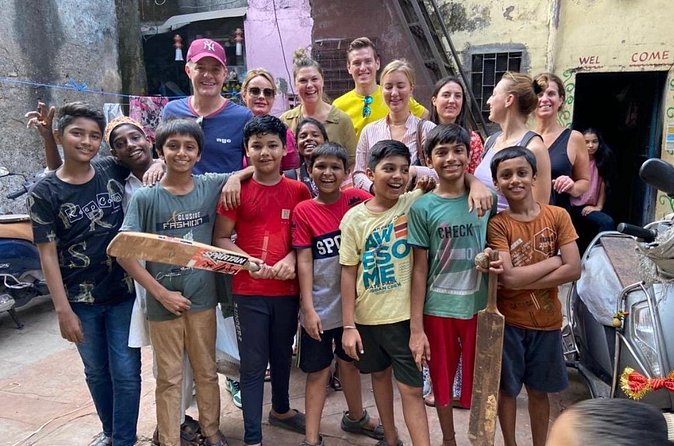
The final neighborhood stop gives you a human snapshot of local people in Mahim, highlighting the area’s mix of backgrounds—often including Marathi, Gujarati, and South Indian communities.
This segment is shorter, about 20 minutes, and it’s positioned to leave you with a sense of the area as more than work sites. People live here. They trade here. They belong here. That’s the part that tends to stick after you’ve left—because it makes the tour less about an exhibit and more about a real place with real routines.
If you want one takeaway, it’s this: Mumbai isn’t just skyline and shopping streets. It’s also neighborhood economies, where culture and work overlap every day.
Markets and food smells: what you’ll notice as you walk
Even though the tour centers on work scenes, the vibe along the route is market-close. You’ll likely notice the small stalls and local street trade that make Dharavi’s story spill into the wider city—plus the aroma of street food mentioned in the tour overview.
I like this kind of route because you don’t feel like you’re trapped in one topic. Markets make the “why” visible. When you see how items get made and then how they get sold, the whole system makes more sense.
About eating: the tour data doesn’t list specific tastings. So if you want street food, keep it simple—ask your guide what’s a good, safe-looking option when you’re actually there.
Guide energy: how Hakim’s style improves the experience
One strong theme in the feedback is the guide—especially Hakim. The comments point to a calm approach, with clear explanation of history, people, and culture, not just basic facts. There’s also a strong mention of safety: the tour is described as safe, and the guide takes care of the group.
Another detail I found useful: several people said they weren’t pressured into buying things. That matters because in some “local experience” tours, shops can take over. Here, the focus stays on the places and the stories.
One more practical note from the feedback: Hakim has a reputation for finding small local pauses—one person even described getting an ice-cold beer among locals. I can’t promise a specific drink stop, but the bigger point is this: the guide seems to understand how to keep it comfortable and normal, so you’re not just trudging from one busy corner to another.
Price and value: $39.72 for 3 hours that feel focused
At $39.72 per person for about 3 hours, the value mainly comes from three things:
First, you get a guided walk that ties together multiple work themes—laundry at Dhobi Ghat, then craft and recycling in Mahim. Many short tours only show one angle. This one changes scenes, without dragging out the day.
Second, the pricing includes an actual ticket: Dhobi Ghat admission is included. The other stops list no admission fee, so a chunk of what you pay supports entry and guiding rather than only logistics.
Third, the group stays small—max 15 travelers. With this kind of route, small is not a luxury. It’s what makes questions possible and helps keep you from turning into a slow-moving traffic jam inside narrow lanes.
Timing, pickup, and how to prepare for the walk
This tour offers pickup, and you’ll receive a mobile ticket. It’s also described as near public transportation, which is helpful if you want flexibility before and after.
The schedule is fairly tight: about 20 minutes at Dhobi Ghat, then 30-minute segments in Mahim for Kumbharwada, lather work, and recycling, finishing with about 20 minutes on the local people segment. In practice, that means you should plan to be present mentally. You’re not doing a long, leisurely amble—you’re doing a guided, concentrated circuit.
You should also consider the physical reality. The tour asks for moderate physical fitness, which makes sense for a working-area walk: uneven ground, crowding at times, and lots of close observation.
My prep checklist:
- Wear comfortable shoes you trust on uneven pavement
- Bring water, especially in warm weather
- Keep valuables secure and avoid flashy gear
- Be ready to pause and watch—this is a working neighborhood
Also: the experience is said to require good weather. If conditions are poor, the tour can be rescheduled or refunded, so check the forecast close to departure.
Safety and respect: what good behavior looks like here
Let’s be honest. People can feel uncomfortable visiting a slum area. The key is how you behave.
Based on the tone from the guide feedback, the tour’s approach is to keep it respectful and safe—no pushing, no forcing purchases, and a calm explanation that helps you understand what you’re seeing. That reduces the chance you’ll feel like you’re intruding.
I’d also suggest you do your part:
- Don’t treat people like props
- Ask questions calmly and wait for answers
- Use a light footprint (walk where your guide indicates, avoid blocking work)
- If you want photos, ask first—especially in crowded craft or recycling areas
This isn’t a theme park. The value comes from your attitude as much as the route.
Who should book this Dharavi slum and market tour
You’ll probably love this tour if you:
- Want a work-focused look at Dharavi’s industries (laundry, leather craft, recycling)
- Like guided stories with clear context rather than random wandering
- Prefer a small group and a respectful pace
- Are curious about how markets connect to production in Mumbai
You might choose another option if you:
- Struggle with lots of walking on uneven surfaces
- Prefer purely scenic sightseeing with minimal crowding
- Get anxious in active, working areas (even with a safety-focused guide)
The sweet spot is people who want to understand the city beyond the usual tourist postcard.
Final verdict: should you book it?
If you want a Mumbai experience that feels real and organized, I’d book it. The biggest reason is the balance: you get Dhobi Ghat’s open-air industry, then Mahim’s craft and recycling logic, plus market life that ties the whole picture together. With pickup, a mobile ticket, and a small group capped at 15, it’s also a practical way to fit this into a tight schedule.
My call: book if you’re open-minded, comfortable walking in a working neighborhood, and you want your questions answered in a calm, respectful way—ideally with a guide like Hakim who’s known for that style.
FAQ
How long is the Dharavi slum and market tour?
It lasts about 3 hours.
What’s the price per person?
The price is $39.72 per person.
Does the tour include pickup?
Yes, pickup is offered.
Is there an admission ticket included?
Dhobi Ghat includes an admission ticket. The other listed stops do not include admission tickets.
How big are the groups?
The tour has a maximum of 15 travelers.
Where is the meeting area in relation to transportation?
It’s near public transportation.
What if the weather is bad?
This experience requires good weather. If it’s canceled due to poor weather, you’ll be offered a different date or a full refund.