REVIEW · MUMBAI
Mumbai Morning Market Tour of Flowers, Fish, and More
Book on GetYourGuide →Operated by Cityscape Mumbai Tours · Bookable on GetYourGuide
Smell the fish before Mumbai wakes up. This 3-hour morning market tour takes you through Sassoon Dock fish stalls, the Dadar flower-and-vegetable markets, and Dhobi Ghat laundry yards, with a local train ride and a Chhatrapati Shivaji Maharaj Terminus stop. I like the sensory payoff of fresh seafood and flowers, and I like how English-speaking guides (like Subhan and Jawwad) keep the route easy to follow with real-life explanations. One drawback: it starts early and the fish market can be smelly and a bit wet, so wear shoes you do not mind.
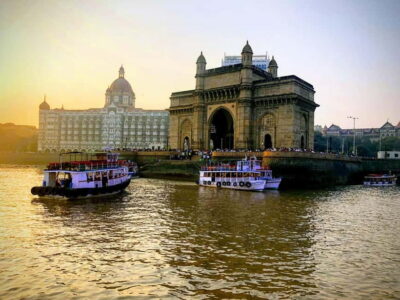
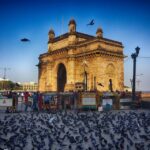
You meet at Pizza Express Colaba near the Gateway of India, or you can choose optional hotel pickup. The tour costs $19 and includes the guide, pickup/drop-off, and transport, but food and drink are not included, so plan a little extra for chai or snacks.
In This Review
- Key things to know before you go
- Why this tour starts so early (and why that matters)
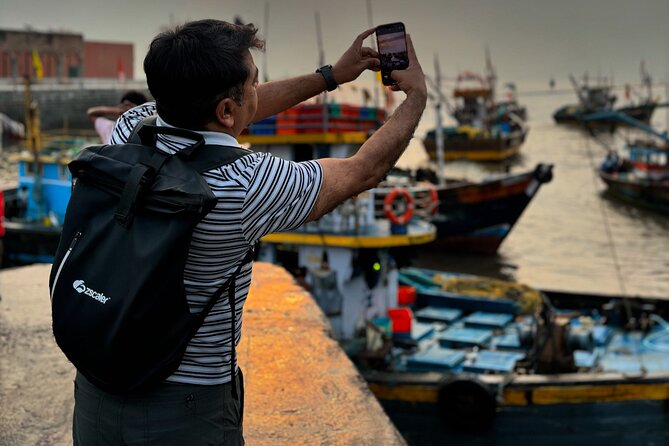
- Sassoon Dock fish market: the daily catch in full motion
- Churchgate station and the local train ride: learning Mumbai on the move
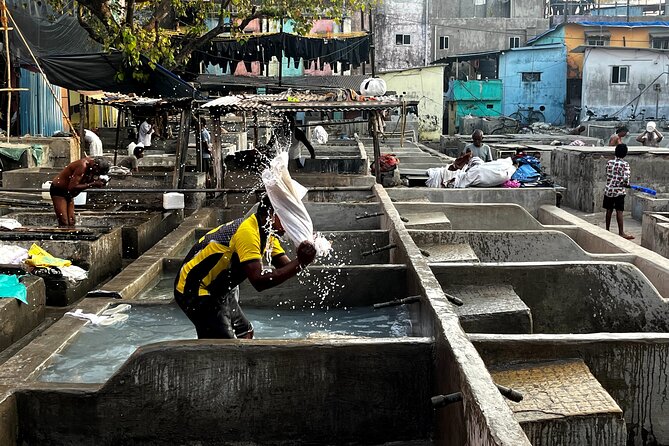
- Dhobi Ghat laundry yards: 2,000 clothes a day, up close
- Dadar fruit and vegetable market: pricing, coriander, and daily rhythm
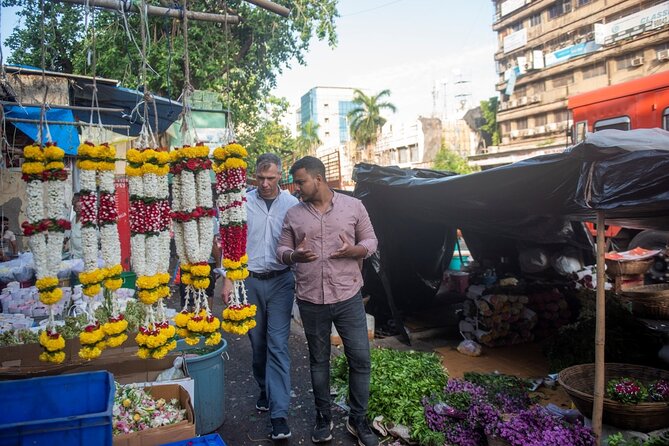
- Dadar flower market photo stop: where color becomes commerce
- CSMT and the architecture pause: a break from the market noise
- How price, time, and included transport fit together
- Who this tour is best for (and who should skip it)
- Tips that make the morning easier
- Should you book this Mumbai Morning Market Tour?
- FAQ
- How long is the Mumbai morning markets tour?
- Where do I meet the guide, and is pickup included?
- What major places does the tour include?
- Do we ride a local train?
- Is the guide English-speaking?
- Are food and drinks included?
- Is it refundable if I cancel?
Key things to know before you go
- Sassoon Dock at the start of the day: watch women selling fish, men displaying the daily catch, and vendors handling auction-style selling.
- Dhobi Ghat’s scale: you get a photo stop and a guided look at a laundry operation that processes over 2,000 clothes daily.
- A real local train ride: you are not just observing Mumbai from the sidewalk; you learn how to ride and time it.
- Dadar markets in short blocks: fruit and vegetables, then a flower market photo stop and walk—fast enough to see lots, not so long you get worn out.
- CSMT stop with a ticket-line shortcut: the package includes a visit to Chhatrapati Shivaji Maharaj Terminus, with a skip-the-line perk.
- Bring your comfort plan: solid shoes matter, because market conditions can get wet and smelly near seafood.
Why this tour starts so early (and why that matters)
Mumbai makes a strong first impression, but the daytime is where the city gets heavy with traffic and noise. This tour flips the script by starting in the early morning, when markets are already working and before crowds thicken.
That timing does two things for you. First, the fish and flower markets look more like a workplace than a show. Second, your guide can take you through transport connections when it is easier to move and breathe.
The tour lasts 3 to 3.5 hours, which is a sweet spot if you want an authentic taste of daily life without losing half a day. It also helps with jet lag, since you get your morning out of the way quickly and can relax later.
You can also read our reviews of more shopping tours in Mumbai

Sassoon Dock fish market: the daily catch in full motion

Sassoon Dock is your first stop, and it sets the tone fast. You start with a guided walk and about 40 minutes of time to watch how the seafood trade works on a working morning.
Here’s what makes it interesting beyond the obvious smell. Women are selling fresh fish, while men display the daily catch, and you can see the energy of sales in real time. You may also spot auctions happening in the market flow, which is a good reminder that this is an active economy, not a static attraction.
You are likely to see cleaning and preparation happening too—prawns and shrimp being handled for the day’s work. If you are the type who likes understanding how things get from sea to plate, this part rewards you.
Practical note: you will be walking, and the area near fish can feel wet. Wear robust shoes and avoid light fabric that you would hate if it picks up odors.
Churchgate station and the local train ride: learning Mumbai on the move
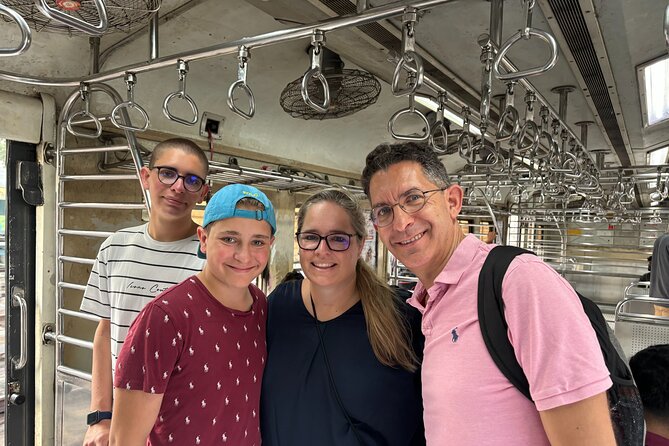
After the fish market, you head to Churchgate Railway Station for about 15 minutes, then you experience a local train ride as part of the tour. This is one of the best value pieces in the package because it gives you transportation confidence in a controlled, guided way.
The point is not to ride for fun. It is to see how Mumbai’s commuter system works in real conditions and to understand how timing matters. Guides on this tour are known for helping you get your bearings fast—especially around when trains are less crowded.
A train ride also changes your sense of distance. Mumbai feels enormous, but you start to understand it by moving through it. Even if you only ride for a short stretch, the experience can make the city feel more navigable later.
If you worry about language or getting lost, you will likely appreciate that the guide stays focused on what you need right then—where to stand, when to move, and how to cross into the next stop.
Dhobi Ghat laundry yards: 2,000 clothes a day, up close
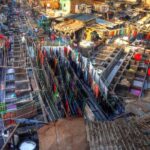
Next comes Dhobi Ghat, with a mix of photo time and a guided visit around 30 minutes. This stop is famous for a reason: you can literally see the system of laundry work that serves hotels, hospitals, and private homes.
The most useful detail to know before you arrive is the scale. The laundry operation processes over 2,000 clothes daily, which makes the place feel more like an ongoing service than a one-off spectacle. You will also get context about what is happening as workers move through their routines.
Because this is an active working site, it can feel intense. But that is also the point: you are not watching a reenactment. You’re seeing labor, planning, and daily demand.
I’d recommend setting expectations accordingly. This is less about pretty photos and more about understanding how a city runs behind the scenes.
Dadar fruit and vegetable market: pricing, coriander, and daily rhythm
Then you shift from seafood to what powers everyday meals: produce. The Dadar Fruit And Vegetable Market stop runs about 30 minutes, with a guided walk and explanation.
This is where the tour becomes practical. You see how vendors present vegetables and how pricing works in a high-speed marketplace environment. You also get a sensory hit: the air is filled with the aroma of fresh vegetables and spices like coriander and chili.
You do not need to be a food expert to enjoy this stop. The guide’s job is to translate what you are seeing—who sells what, how sellers move through their morning, and how quickly things change.
One nice bonus: fruit and vegetable markets are often less visually overwhelming than fish markets. If you are sensitive to smell, this is a helpful mental reset while still staying in the real working world.
You can also read our reviews of more tours and experiences in Mumbai



Dadar flower market photo stop: where color becomes commerce
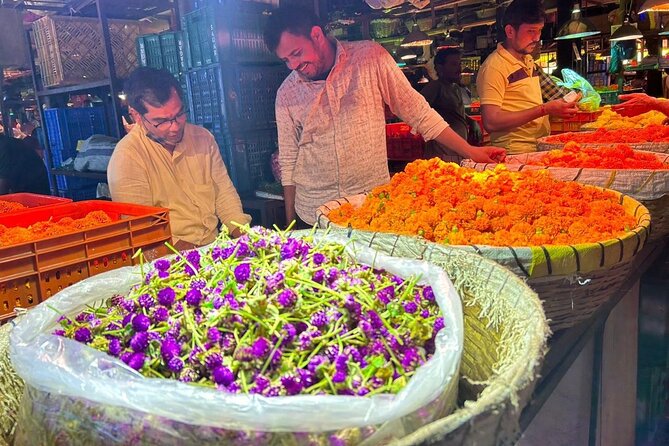
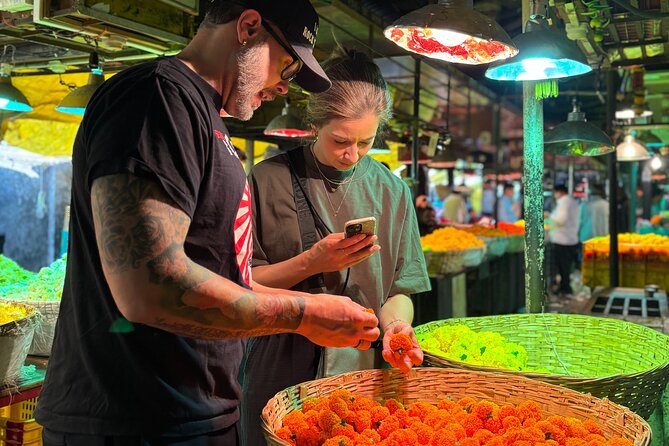
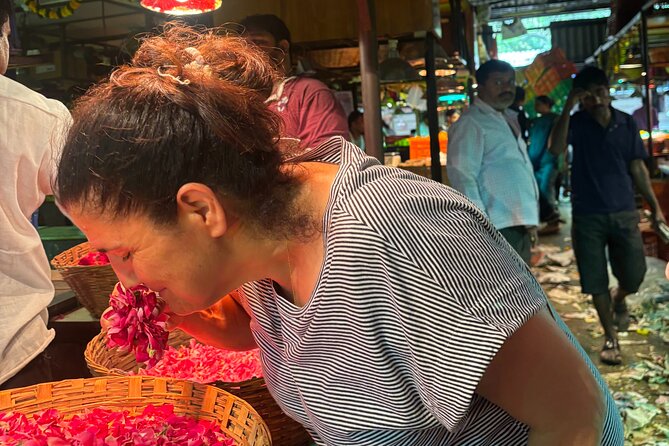
After the produce, you head to the Flower Market Dadar area, including a photo stop and about 30 minutes of guided exploration. If you like scent as much as sight, this market can feel like a palate cleanser after fish and spices.
Flowers here are sold by the bunch, by the arrangement, and by the mood of the moment. The strongest takeaway is how many flowers move through the market so quickly—and how important fresh, fragrant options are for everyday life and ceremonies.
Expect plenty of color and plenty of interaction. You may find it easier to ask questions here too, since flower sellers often explain what they use, how they package items, and what buyers typically want.
If photography is your thing, this is a great stop. Just keep in mind you’re in a working market, so be polite with space and avoid blocking sellers.
CSMT and the architecture pause: a break from the market noise
The tour includes a visit to Chhatrapati Shivaji Maharaj Terminus (CSMT), and you get a ticket-line shortcut. You won’t linger for a long museum-style visit, but the stop gives you a different Mumbai angle—one of big-statement architecture and city planning.
This matters because otherwise the tour can feel like a straight line of smells and stalls. CSMT adds a sense of scale and history to your morning without derailing your schedule.
Think of it as a quick reset: you move from everyday commerce to a landmark that anchors the city’s identity. Even if you only see parts of the building up close, you’ll come away with better context for where Mumbai’s energy comes from.
How price, time, and included transport fit together
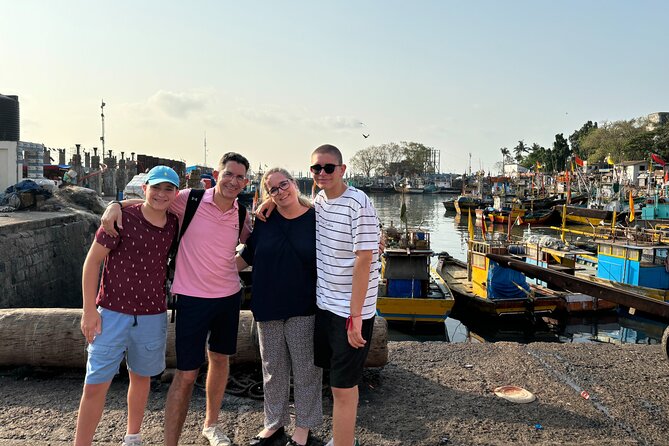
At $19 per person, the value is strongest because the tour bundles several costs you’d otherwise have to juggle yourself: hotel pickup and drop-off, an English-speaking guide, market time at multiple locations, and a local train ride.
To be fair, food is not included. The tour does include a small chai break as part of the experience, but if you want a full breakfast or additional snacks, you’ll pay extra. This is still a reasonable tradeoff: you get the market experience first-hand, rather than paying a premium for a sit-down meal.
Duration is tight: about 3 to 3.5 hours, which means you won’t have time for long detours or big shopping sprees. If you love buying gifts, you’ll want to prioritize what matters most and keep your hands free for photography and walking.
One more thing: the tour includes transport, which helps a lot in Mumbai. Getting from place to place on your own early in the morning can mean wrong turns and wasted time.
Who this tour is best for (and who should skip it)
This is a great fit for you if you want a working-morning Mumbai experience and you like markets that feel real, not staged. You’ll probably enjoy it most if you’re curious about daily jobs—seafood handling, laundry work, and the produce-and-flower supply chain.
It also suits travelers who want guided confidence with the local train system. Multiple guides reported staying on top of timing and helping with the practical parts of moving around.
Skip it—or choose a different plan—if you hate early starts or you are very sensitive to strong food smells. Also, if you want a relaxed sightseeing day with low walking, this may feel too much like moving through active spaces.
Tips that make the morning easier
Here are the small things that tend to improve the experience fast:
- Wear robust shoes. The fish market area can be wet and smell-heavy.
- Dress for early morning movement. You’ll be walking between stops for a few hours.
- Bring your patience for crowd moments. Markets are active places, and timing is part of the value.
- Keep expectations practical. This is about how Mumbai works, not a sit-and-stare photo tour.
- If you want to add to the day, plan it after you wake up. This tour already does the heavy lifting early.
Should you book this Mumbai Morning Market Tour?
I think you should book it if you want one reliable, guided morning that hits several real market worlds—Sassoon Dock, Dhobi Ghat, Dadar fruit and vegetables, and Dadar flowers—plus a local train ride and a CSMT landmark moment. The $19 price feels fair because transport and guided access are built in, and the route is short enough to keep your energy.
You might pass if you can’t handle early starts or you’re not comfortable around wet, fish-scented areas. For most people, though, this is exactly the kind of Mumbai morning that gives you more understanding than another generic checklist day.
FAQ
How long is the Mumbai morning markets tour?
The tour lasts 3 to 3.5 hours.
Where do I meet the guide, and is pickup included?
You meet your guide at Pizza Express Colaba near the Gateway of India. Hotel pickup is optional, depending on the selected option.
What major places does the tour include?
The tour includes Sassoon Dock, Churchgate Railway Station, Dhobi Ghat, Dadar Fruit And Vegetable Market, Flower Market Dadar, and a visit to Chhatrapati Shivaji Maharaj Terminus (CSMT).
Do we ride a local train?
Yes. A local train ride experience is included.
Is the guide English-speaking?
Yes. The live tour guide speaks English.
Are food and drinks included?
Food and drink are not included.
Is it refundable if I cancel?
Yes. You can cancel up to 24 hours in advance for a full refund.