REVIEW · MUMBAI
Mumbai: Kanheri Caves and The Golden Pagoda Temple
Book on GetYourGuide →Operated by Mumbai Excursions · Bookable on GetYourGuide
Caves and gold, far from Mumbai’s noise. This guided day pairs Kanheri Caves inside Sanjay Gandhi National Park with the Golden Vipassana Pagoda, adding guided explanations plus a chance to slow down with meditation. You get hotel-area pick-up options, an air-conditioned vehicle, and a day that moves from ancient stone to a bright, modern spiritual center.
I really like two things about this experience. First, the Kanheri site is a true rock-cut puzzle of Buddhist chaityas and viharas, with carved details and inscriptions that make the place feel real, not staged. Second, the Golden Pagoda experience ties the architecture to practice, so you’re not just looking at gold—you’re hearing how Vipassana meditation is taught and why it matters.
One thing to plan for: the day can stretch, and you’ll be climbing. Even in a private group, there’s a lot of steps and warm sun time, so comfortable shoes and a realistic sense of stamina help.
In This Review
- Key highlights to know before you go
- Kanheri Caves inside Sanjay Gandhi National Park
- The drive, the ride up, and how you’ll actually move
- Kanheri cave time: what to look for on the walk
- Golden Vipassana Pagoda: gold dome, quiet hall, big views
- What the meditation component is like (and how to use it)
- Timing, heat, and comfort: the day’s real physical side
- What you’re paying for: the $43 value check
- Guides and drivers: why the human factor matters here
- Should you book the Kanheri Caves and Golden Pagoda tour?
- FAQ
- How long is the tour?
- How much does it cost?
- Do I need to buy tickets in advance?
- Where do I meet the guide?
- Is hotel pickup included?
- What language is the tour guide?
- Will I be able to do meditation at the pagoda?
- What should I bring?
- What is the cancellation policy?
Key highlights to know before you go
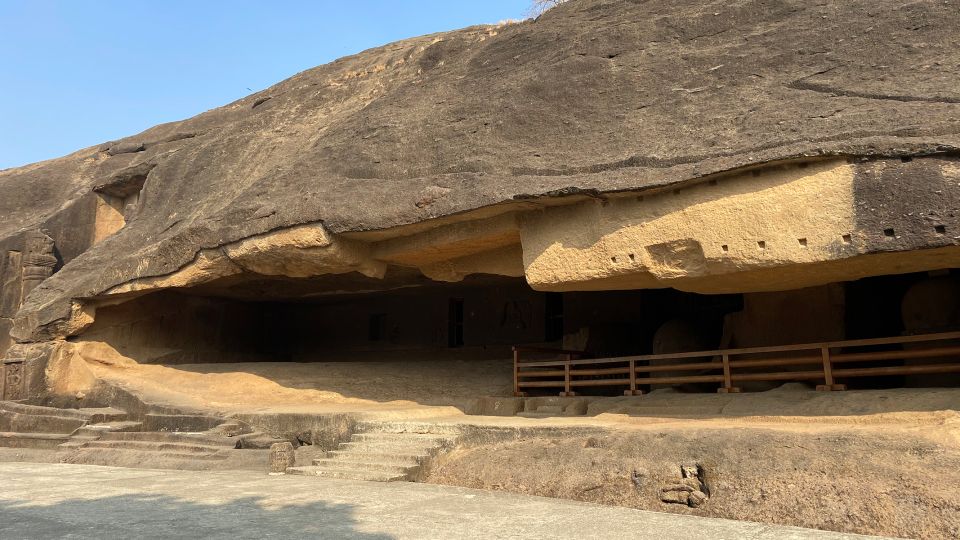
- Ancient Kanheri stonework: rock-cut prayer halls and monastic cells dating back to the early Buddhist era
- A park escape from traffic: Sanjay Gandhi National Park puts you in greenery fast
- Golden Vipassana Pagoda views: summit-level panoramas over the Arabian Sea and Mumbai skyline
- Meditation as part of the visit: you can enter the meditation hall, and some days include a short guided session
- Guides who tell the story: many guides (like Aryan, Nikhil, Shivam, and Kavita) focus on clear, site-by-site explanations
- Skip-the-line entry: tickets are handled as part of the guided package
Kanheri Caves inside Sanjay Gandhi National Park
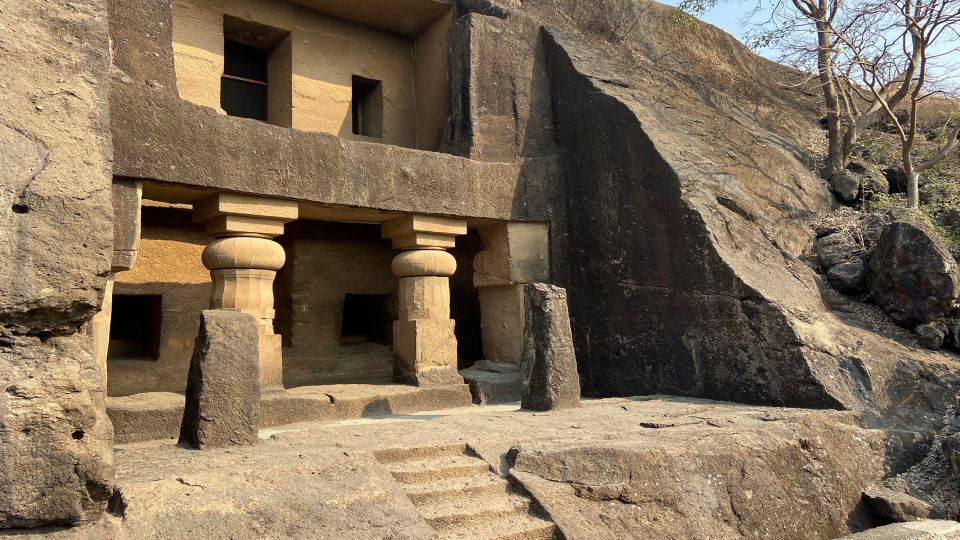
Kanheri Caves feel like a quiet world tucked behind Mumbai. You start by leaving the city rhythm and heading into Sanjay Gandhi National Park, where the drive alone already changes the vibe—more shade, greenery, and space around you. The caves sit in a hilly, protected area, so you’re not just visiting a monument. You’re visiting a place where nature and spirituality sit side by side.
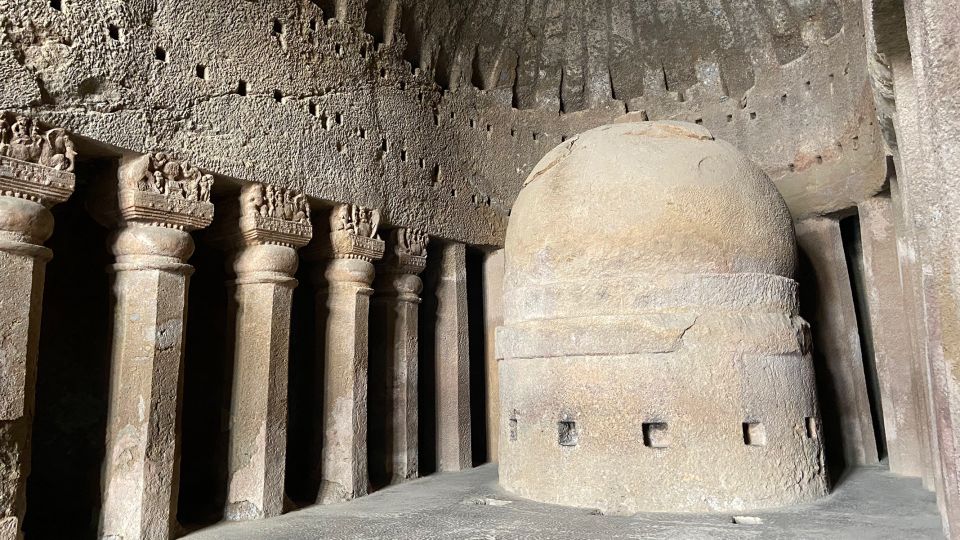
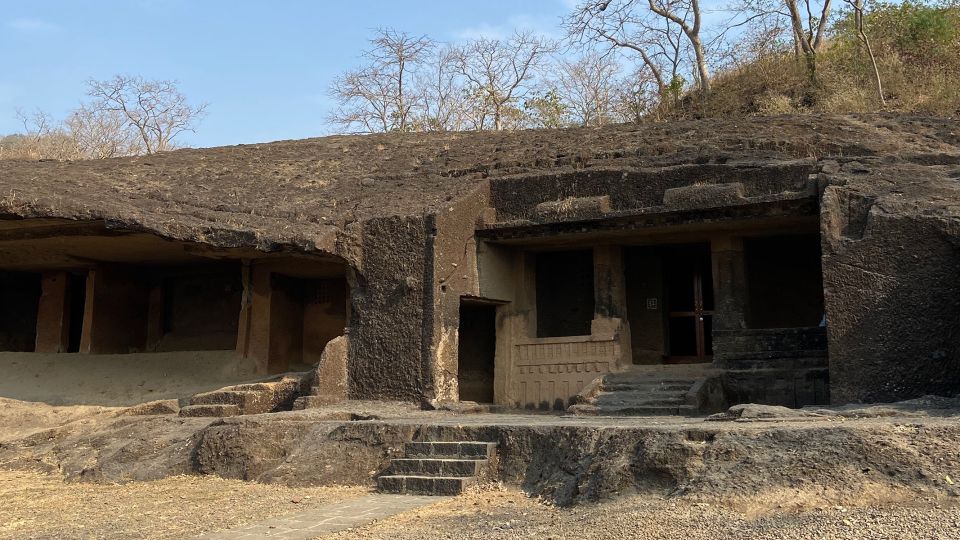
Then the stonework starts. The Kanheri complex includes rock-cut spaces carved from basalt, with prayer-hall areas (chaityas) and monastic cells (viharas). You’ll see intricate sculptural details and ancient inscriptions, and a good guide helps connect what you’re seeing to how Buddhists lived, practiced, and learned here long ago. The result is a “readable” site, not random chambers.
If you like cultural context, this is where the tour earns its keep. The guide’s narration matters because Buddhist cave sites can look similar at first glance. When your guide explains what each cave type was for—worship versus monastic life—the carvings stop being decoration and start acting like clues.
You can also read our reviews of more tours and experiences in Mumbai.



The drive, the ride up, and how you’ll actually move
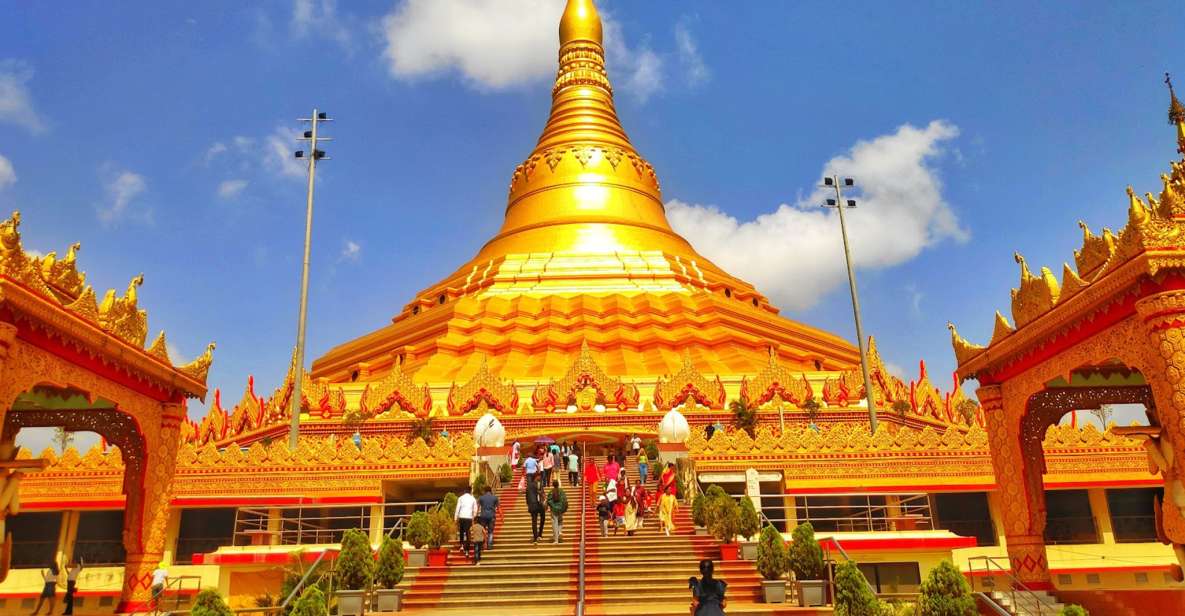
The day isn’t just walking in one straight line. The route is built for getting you from Mumbai’s streets to hilltop viewpoints and temple access points. The basic format uses an air-conditioned vehicle, plus scenic stops on the way.
Some days add extra transport steps that make sense locally. You might take a short, older-style bus ride up to the caves. You might also ride in a different vehicle (including a tuk-tuk on some departures) during parts of the day. And reaching the Golden Pagoda can involve a short river cruise, followed by walking. The point isn’t the “vehicle variety.” It’s that these sites are accessed through the local geography, and the tour helps you do it without figuring it out yourself.
A practical note: people often underestimate how much hill terrain changes your pace. Even when the itinerary sounds simple on paper, expect slopes and steps at both sites. If you’re planning a second activity that evening, keep it light.
Kanheri cave time: what to look for on the walk
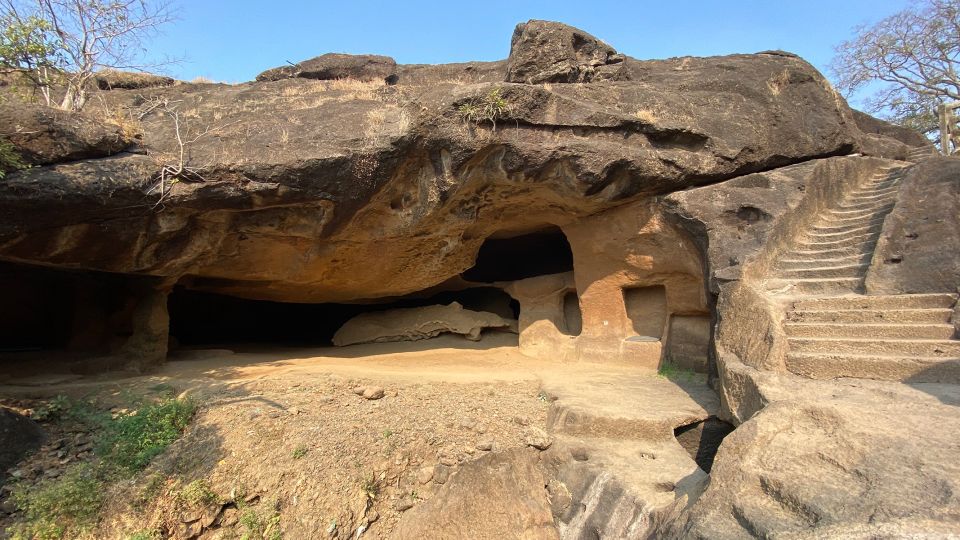
Your Kanheri stop is the longer one in the day, and it’s timed for you to actually wander through the complex with explanations. Expect guided sightseeing that takes you through multiple cave areas rather than one quick photo stop.
Here’s what helps you enjoy it more while you walk:
- Watch how the space is carved, not just what’s carved. The basalt rock shapes the feeling of each room.
- Listen for the difference between prayer halls and monastic cells. That one detail makes the whole site click.
- Take in the inscriptions and sculptural panels. Even if you can’t read everything, your guide can translate the significance.
One small tip that comes up in the tone of the feedback: guides often tailor the pacing. I’d choose this tour if you want a guided interpretation of Buddhist spirituality and regional history tied directly to each cave you pass.
Also, expect a bit of physical effort. One solid review highlighted that there are enough steps and slopes to feel like an all-day outing, even if the route is managed well.
Golden Vipassana Pagoda: gold dome, quiet hall, big views
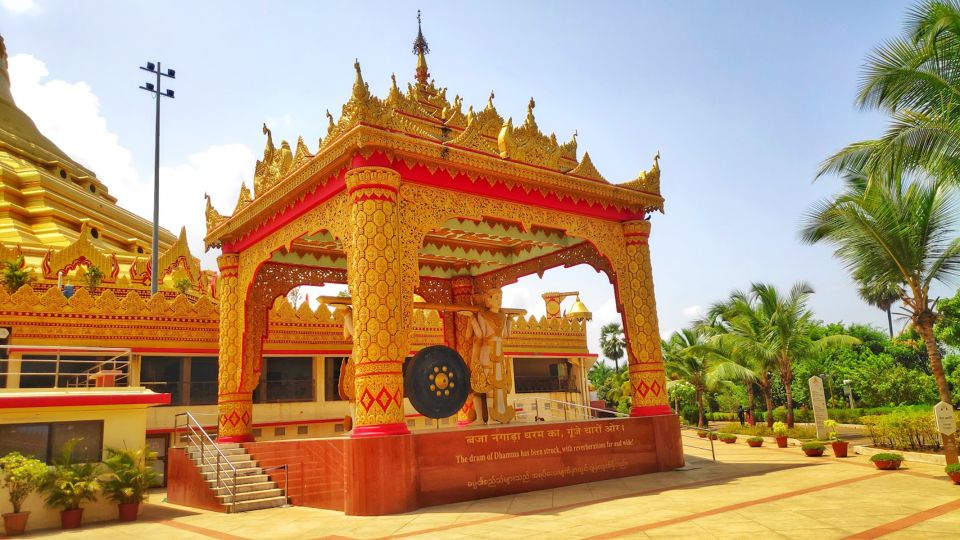
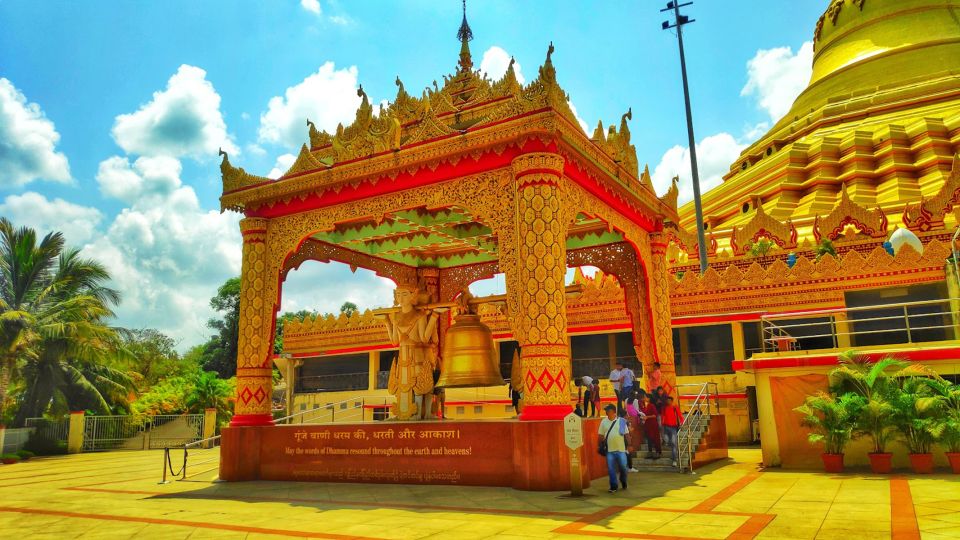
Then you shift from old cave spirituality to a modern, functioning meditation center: the Golden Vipassana Pagoda. The outside is the headline. You’ll see the large golden dome catching daylight, and the place has an instant feeling of calm. It’s not a noisy tourist trap type of calm. It’s closer to a “pause” you can feel.
The pagoda also rewards you for climbing. From higher points, you get panoramic views over the Arabian Sea and Mumbai’s skyline. That view is the kind of payoff that makes the steps feel worth it—especially because Mumbai itself can be hard to see from above when you’re stuck in traffic all day.
Inside, the architecture keeps the focus on practice. The meditation hall has stone carvings and a towering golden idol of Lord Buddha. The guide’s job here is to connect the building to Vipassana meditation: self-awareness, inner harmony, and the idea that meditation isn’t just for tradition—it’s something taught as a discipline for daily life.
What the meditation component is like (and how to use it)
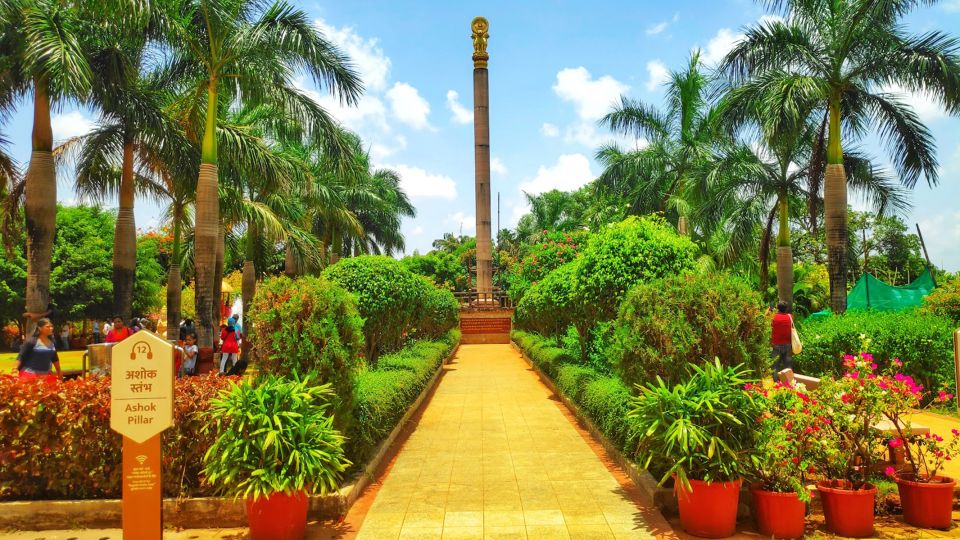
You’re not just observing meditation as a concept. The tour is built to give you access to the pagoda’s spiritual side. You enter the meditation hall and hear what Vipassana is and why it’s taught. That matters because many visitors arrive with curiosity but no framework.
Some days include a short guided meditation experience, mentioned as around 10 to 15 minutes in feedback. If that’s included on your date, treat it like a chance to reset your attention. Don’t rush it for photos. Sit, listen, breathe, and let the setting do what it’s designed to do.
Even if you only do the guided explanation plus time inside the hall, the bigger value is the guided meaning. You’ll leave understanding how Vipassana is presented as a practical path, not just a symbol.



Timing, heat, and comfort: the day’s real physical side
This tour moves between two sites that both involve walking and climbing. That’s the main “consideration,” not the cultural content. It’s the body part.
A key tip from feedback: go early if you can, because the pagoda area can be in direct sun. That doesn’t mean you can’t go later. It just means your comfort depends on timing and your heat tolerance.
Wear comfortable shoes. This is clearly recommended, and I agree with the logic. Steps at the pagoda plus uneven terrain at the caves add up. If your feet get unhappy easily, this is not the kind of outing to do in lightweight slip-ons.
Also, keep in mind vehicle comfort can vary. One review mentioned limited legroom in the back of the vehicle. If you’re taller or want more space, ask to sit more comfortably at the start, or plan for a standard private-car leg stretch.
What you’re paying for: the $43 value check
At about $43 per person, the deal is less about “cheap sightseeing” and more about reducing hassle. You’re paying for:
- an English-speaking guide who interprets both sites
- transport coordination between locations
- entry tickets handled for you
- an air-conditioned vehicle for the road segments
- a private-group experience (so you can keep your pace)
This is why it can feel like good value if you want structure. Going independently would likely mean dealing with tickets, route planning, and finding someone local enough to explain what you’re seeing at Kanheri and the Vipassana practice behind the pagoda.
That said, there’s a fair argument that it’s expensive compared to a do-it-yourself approach. If your budget is tight, you could theoretically use local transport to reach the areas and then spend less on the guide. But you’d lose the guided site-by-site interpretation and the smooth coordination that makes this day work.
So I’d frame it like this: if you want a guided spiritual-cultural day with minimal stress, this price is easier to justify. If you want lowest-cost logistics, you’ll compare alternatives.
Guides and drivers: why the human factor matters here
This kind of day succeeds or fails on communication. The best part of the feedback is consistent: guides spend time explaining, answer questions, and keep the flow moving so you get real value at each stop.
Names that show up in feedback include Aryan, Nikhil, Shivam, Akshay, Sameer, Kavita, Ravi, and Shuaib—often paired with drivers like Hassan, Hussain, Ismail, Shamsher, Jainul, and others. Some guides are praised not just for facts, but for making the day feel safe and well-run in Mumbai traffic.
In practical terms, that means:
- You’re less likely to get lost between sites.
- You can ask what each cave area represents without guessing.
- You can take photos without feeling rushed.
- You’re more likely to end up with the right timing for views and meditation space.
It’s also worth noting that some departures include extra touches like a short meditation class and even a home-style meal with a local host on certain routes. That’s not guaranteed in your booking data, but it shows the operator concept: turning a day trip into an actual cultural encounter.
Should you book the Kanheri Caves and Golden Pagoda tour?
I’d book it if you fall into any of these groups:
- You want two very different spiritual settings in one day: ancient rock-cut caves plus a living meditation center.
- You like when someone explains what you’re seeing instead of letting you wander in silence.
- You’re short on time in Mumbai and want a structured outing away from heavy traffic.
- You prefer a private group format with an English-speaking guide.
I’d think twice if:
- You hate stairs and long walking days. This route clearly involves climbing and uneven terrain.
- Your schedule is tight and you can’t handle the possibility of a longer day (durations can run up to the longer end).
- You’re chasing the lowest possible price and would rather build your own route.
If you’re okay with a solid walking day and you want meaning with your sightseeing, this tour is a very strong use of time. You’ll come away with images of gold and stone, but also with a clearer idea of how Vipassana meditation connects to the spiritual traditions you’re seeing at Kanheri.
FAQ
How long is the tour?
It runs about 3.5 to 7 hours, depending on the selected starting time and your day’s schedule.
How much does it cost?
The price is listed at $43 per person.
Do I need to buy tickets in advance?
No. Entry tickets are included, and you skip the ticket line as part of the tour.
Where do I meet the guide?
Meet at the main gate of Sanjay Gandhi National Park near the ticket counter.
Is hotel pickup included?
Hotel pickup and drop-off are optional. If you choose pickup, you’re collected from your accommodation and the guide and driver meet you at your car pickup point.
What language is the tour guide?
The guide speaks English.
Will I be able to do meditation at the pagoda?
You can enter the meditation hall and learn about Vipassana meditation during your visit. Some departures include a short guided meditation experience.
What should I bring?
Wear comfortable shoes, since you’ll be walking and climbing at both sites.
What is the cancellation policy?
You can cancel up to 24 hours in advance for a full refund.