REVIEW · MUMBAI
Mumbai: Full Day City Sightseeing with Lunch, Car & Guide
Book on GetYourGuide →Operated by Flamingo Luxury Tours · Bookable on GetYourGuide
Mumbai reveals itself in one packed day. This full-day sightseeing tour strings together Chhatrapati Shivaji Maharaj Terminus and Dhobi Ghat, and it does it with a live guide and an AC car so you’re not just staring at landmarks. I especially like how the day mixes big-name architecture with real working Mumbai, explained in plain, human terms.
The one watch-out: the route is busy, so expect short stops and some crowding around popular sights. If you hate tight timing, this may feel rushed, especially when traffic slows you down.
It’s also a comfort-first kind of day. You’ll have hotel pickup and drop-off in the private group, plus English or Hindi live guiding. On at least one recent run, the guide Hamid and driver Mehtab were noted for keeping things on track even with heavy traffic.
In This Review
- Key highlights to look forward to
- Getting Oriented: Pickup, AC Comfort, and a Day That Moves
- Colonial Grandeur Begins: Gateway of India, Taj Mahal Palace, and Kala Ghoda
- The Oval Maidan and Rajabai Clock Tower: Gothic Revival in Real Life
- Chhatrapati Shivaji Maharaj Terminus (CST): UNESCO Power and a Busiest-Station Reality
- Horniman Circle and the Asiatic Society Library: Quiet Corners With Big Meaning
- Crawford Market and Marine Drive: Local Life, Then Sea Air
- Lunch Break in the Middle: Reset Before Gandhi and Temples
- Mani Bhavan: Gandhi’s Story, Told Through a House Museum
- Banganga Tank and Jain Temple: Sacred Water and Quiet Faith
- Malabar Hill, Hanging Gardens, and the Antilia Drive-By
- Dhobi Ghat: Watching Traditional Laundry at Work
- Price and Value: Does $25 Get You a Smart Day?
- Who This Tour Fits Best (and Who Might Want Another Option)
- Should You Book This Mumbai Full-Day City Sightseeing Tour?
- FAQ
- How long is the Mumbai full-day sightseeing tour?
- Where does hotel pickup happen?
- Is transportation included, and is it air-conditioned?
- What’s included in the price?
- Is lunch included?
- What language options are available for the guide?
- Is the group private?
- Is the tour wheelchair accessible?
- What cancellation options are provided?
Key highlights to look forward to
- Private guide in English or Hindi who helps you read what you’re seeing, not just point at it
- AC car with hotel pickup and drop-off, plus mineral water to keep the day steady
- Skip-the-line via a separate entrance, so you spend less time queueing at major stops
- Classic architecture route: Gateway of India, Taj Mahal Palace, Kala Ghoda, Oval Maidan, Rajabai Clock Tower, CST
- Everyday Mumbai stops: Crawford Market, Mani Bhavan, and the working laundry scene at Dhobi Ghat
- Scenic breaks: Marine Drive and Hanging Gardens viewpoints over the city
Getting Oriented: Pickup, AC Comfort, and a Day That Moves
This is built as a true full-day circuit. You’re picked up from your hotel (or your chosen Mumbai location), then you move from one area to the next with a private AC car and guide. You’re not on your own with maps, and you won’t waste time figuring out which stop is worth what effort.
The guide matters here because Mumbai’s landmarks can look impressive but feel confusing without context. You’ll get guided time and short walks at multiple stops, plus photo stops when it makes sense. And because it’s a private group, you can usually ask quick questions as you go rather than waiting your turn.
One practical detail I’m glad to see included: mineral water, and parking/fuel/tolls covered. That means fewer little surprises mid-day. If you’re thinking about the budget, this package also includes entrance fees for the listed places, so you can better predict your actual out-of-pocket cost.
You can also read our reviews of more guided tours in Mumbai


Colonial Grandeur Begins: Gateway of India, Taj Mahal Palace, and Kala Ghoda
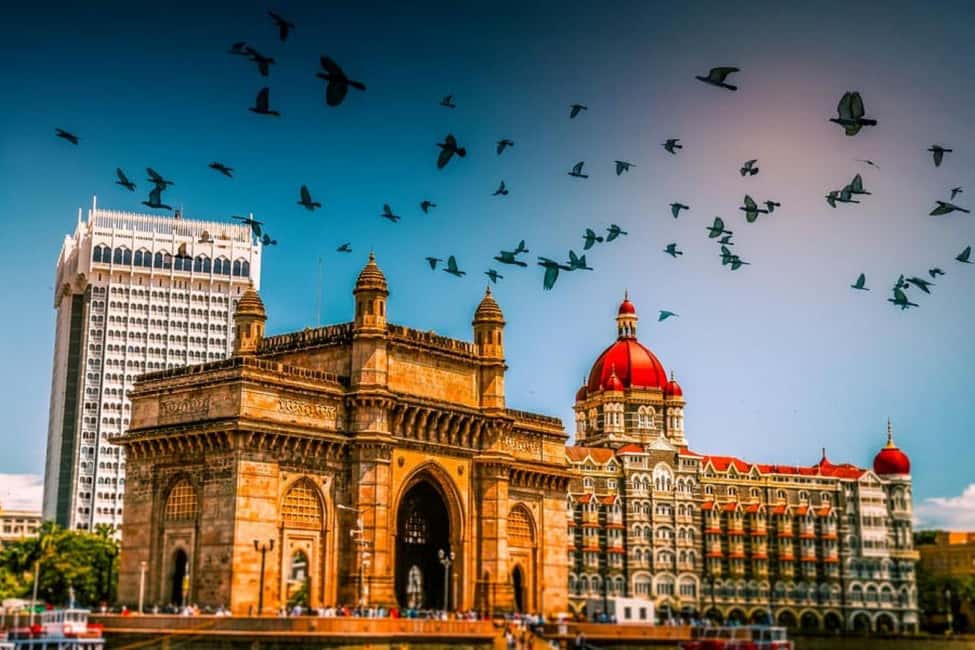
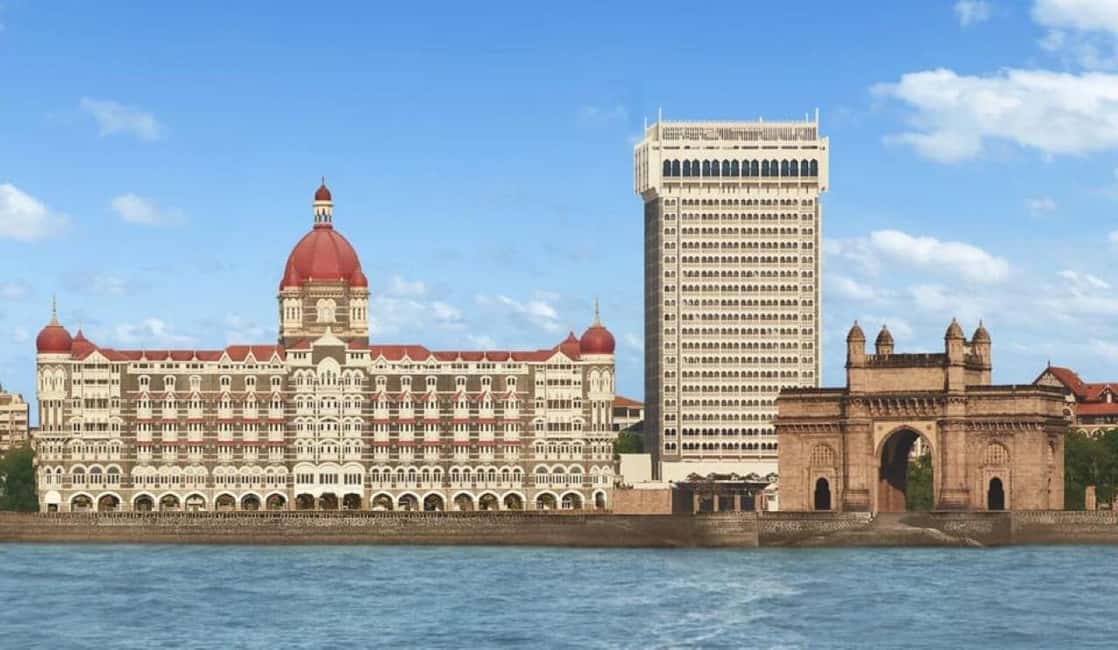
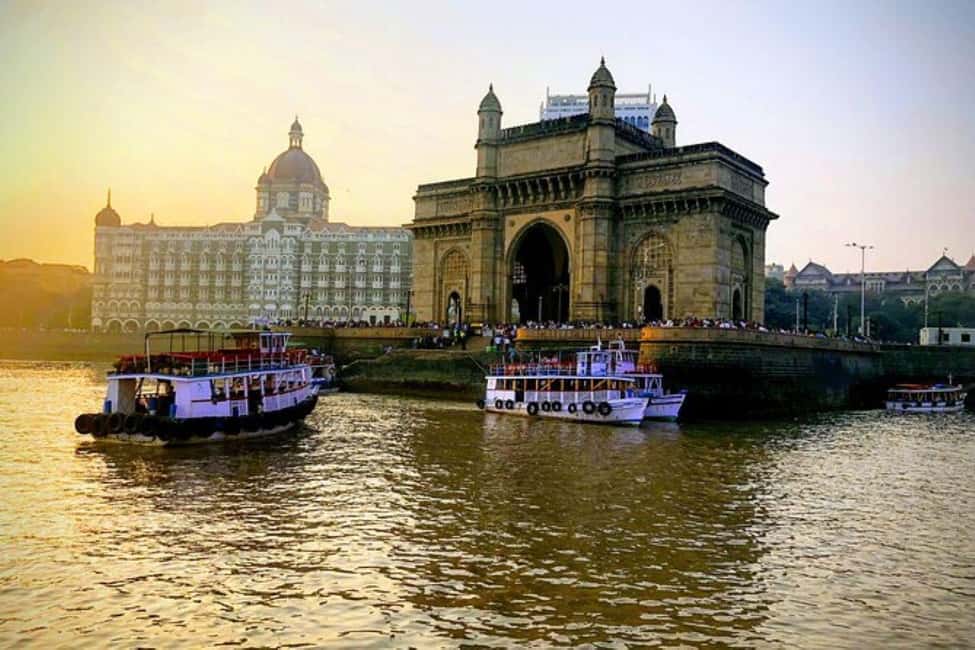
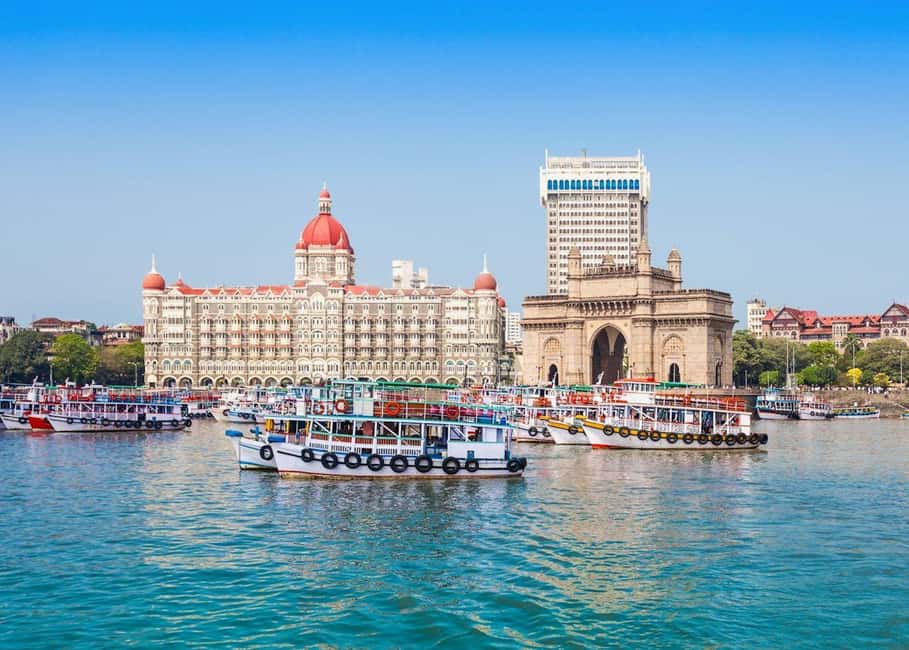
The day often starts at the Gateway of India, a grand colonial arch tied to the 1911 visit of King George V. Even if you’ve seen photos before, the scale hits in person. I like this first stop because it gives you a mental starting point for Mumbai’s era of British-era architecture and ceremonial planning.
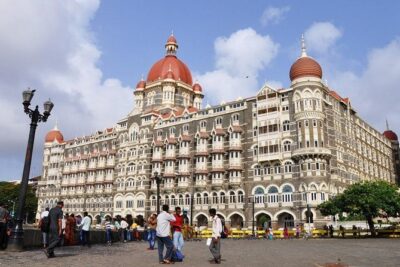
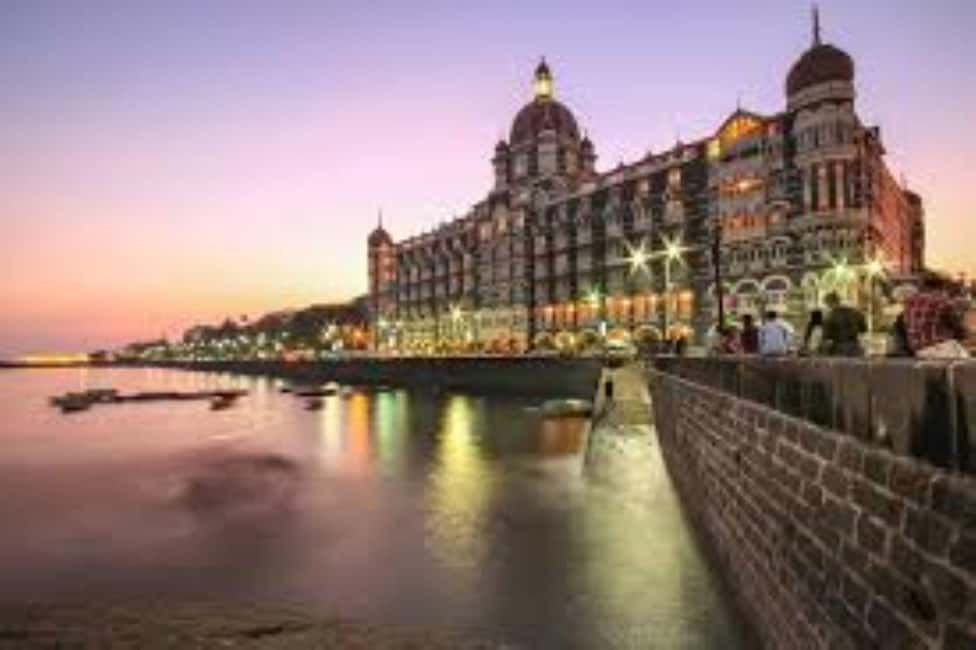
Next comes the Taj Mahal Palace Hotel area. You get a photo stop and guided time, which is a good way to take in the elegance without turning the day into a long, slow hotel tour. It also helps you understand why the Gateway and the hotel are often discussed together in Mumbai’s public imagination.
Then you move toward Kala Ghoda, the city’s cultural and artistic hub known for colonial-era buildings, galleries, and museums. Even if you don’t go inside every museum, this stop is valuable for atmosphere. You see the streets and facades that shaped the look of much of South Mumbai.
What to consider: this early stretch can feel like mostly sight-and-walk time, so plan for steady walking. If it’s hot or humid, you’ll appreciate the AC breaks between areas.
The Oval Maidan and Rajabai Clock Tower: Gothic Revival in Real Life
After Kala Ghoda, you’ll hit Oval Maidan and the nearby Rajabai Clock Tower. This is the part of the tour where the architecture nerd in you gets rewarded. The Rajabai Clock Tower was inspired by Big Ben, and you can spot the Gothic Revival influence in the tower’s style and the surrounding civic buildings.
You’ll also be looking at the broader civic backdrop, including the Bombay High Court area mentioned with the tour. This isn’t just a pretty backdrop; it helps explain how Mumbai’s public buildings were designed to feel permanent and authoritative.
A smart way to experience this stop: don’t rush your photos. Take a minute to look from different angles. When you do that, you’ll start seeing the building shapes and repeating details that make the style coherent.
Chhatrapati Shivaji Maharaj Terminus (CST): UNESCO Power and a Busiest-Station Reality
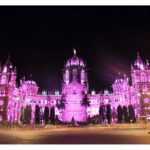
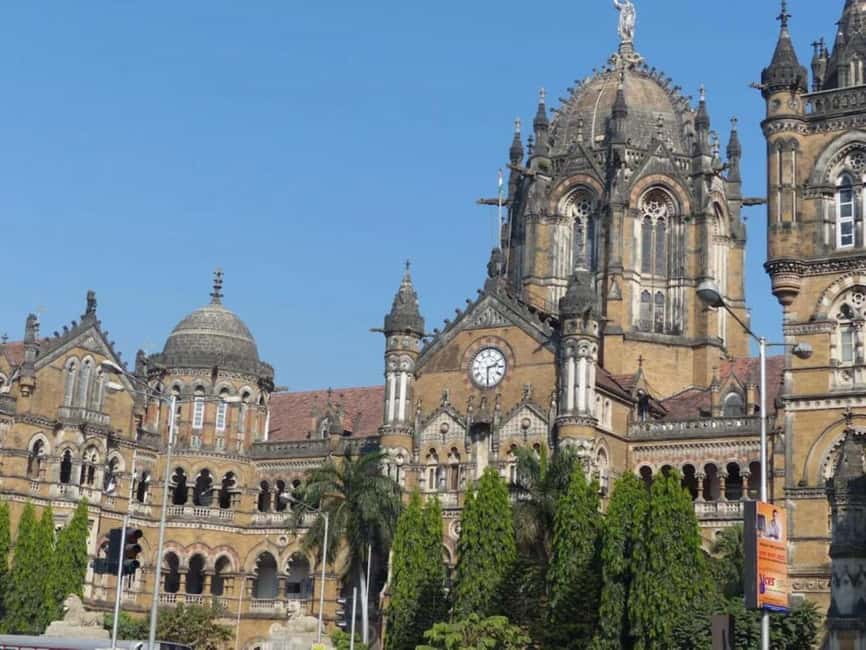
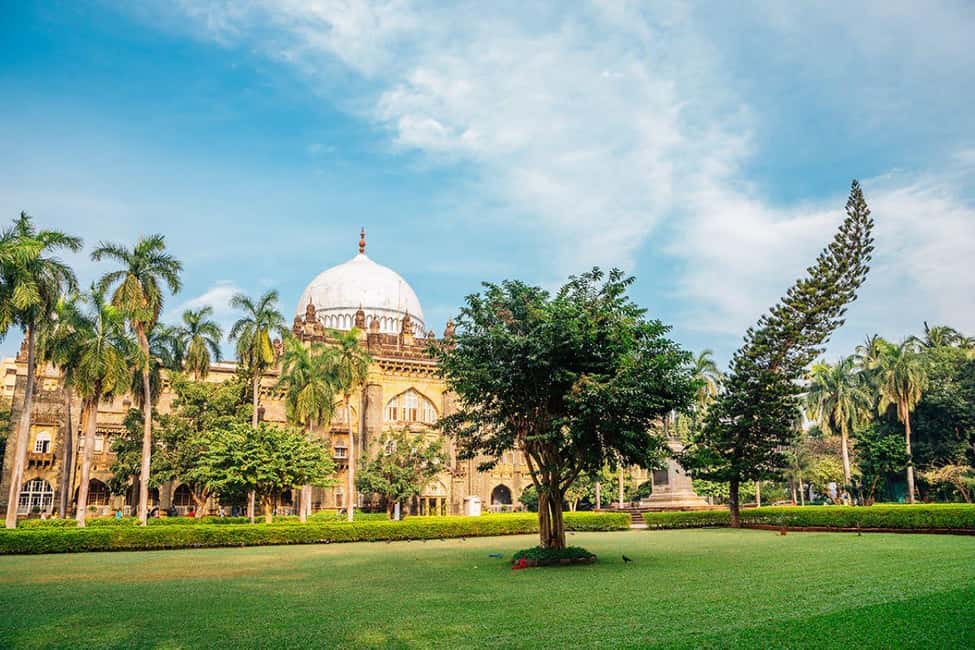
One of the core anchors of the day is Chhatrapati Shivaji Maharaj Terminus (CST), a UNESCO World Heritage Site. It’s also one of India’s busiest train stations, which means you’re experiencing heritage while the city keeps working around it.
The tour includes guided sightseeing and a walk. You also get the benefit of skip-the-line through a separate entrance, which is a practical win at a place that can get crowded. Instead of spending your best daylight time stuck behind other groups, you’ll likely spend more time looking properly and asking questions.
The CST stop is valuable because it connects two things visitors often miss: grand architecture and everyday movement. The building is Victorian Gothic in style, but the real energy comes from how people use it every day. It’s a reminder that Mumbai’s history isn’t only in museums and monuments.
Horniman Circle and the Asiatic Society Library: Quiet Corners With Big Meaning
Next up is a slower, more reflective pair of stops: Horniman Circle and the Asiatic Society of Mumbai Library. Horniman Circle is described as a peaceful urban plaza surrounded by colonial buildings. Even if you only spend a short walk here, it’s a nice counterbalance to the heavier crowds at stations and markets.
The Asiatic Society Library is the big draw. The tour notes that it houses a priceless collection of rare manuscripts and books. That kind of detail changes the feel of the visit: you’re not just seeing old architecture, you’re seeing how knowledge was collected and preserved in the city.
Tip for you: if you’re a photo person, this is where you’ll get cleaner architectural shots with less frantic movement. Take advantage before the day turns busier again.
You can also read our reviews of more city tours in Mumbai



Crawford Market and Marine Drive: Local Life, Then Sea Air
The day moves into two stops that feel like Mumbai in stereo: one from the streets, one from the water.
Crawford Market is a historic market where you’ll see spices, fresh produce, colorful goods, and colonial-era architecture. Markets like this are where Mumbai becomes sensory. You get the smells, the colors, and the human energy of daily shopping rather than timed attractions.
One thing to know: markets aren’t always comfortable for long browsing. This tour is built for guided time and photo moments, so you’ll experience it without needing to “shop your way through” the whole place. Still, dress for walking and keep your phone secure in busy lanes.
Then you shift to Marine Drive, often called the Queen’s Necklace because of its curved waterfront look. The tour includes guided sightseeing and a walk. This stop is valuable because it gives you a mental reset. You can step back from the indoor/city pace and enjoy the sea-facing boulevard atmosphere.
Lunch Break in the Middle: Reset Before Gandhi and Temples
Lunch comes after you’ve covered a good chunk of the day. The tour includes a lunch break at a local restaurant and positions it as a time to relax before continuing sightseeing.
For value, lunch included matters more than it sounds. Mumbai can be pricey depending on where you eat, and finding a reliable, convenient local spot on a tight schedule isn’t easy. Here, the lunch stop acts like a timing cushion, so you don’t lose momentum searching for food.
A practical note: since you’re still moving afterward, choose something you can digest comfortably in warm weather. And if you’re wearing layers, stash something light in your bag. The day can swing between shade and sun.
Mani Bhavan: Gandhi’s Story, Told Through a House Museum
After lunch, you’ll visit Mani Bhavan, the Gandhi Museum. The tour describes Mani Bhavan as a former residence of Mahatma Gandhi in Mumbai, now a museum chronicling his life and the freedom movement.
This stop works well on an itinerary like this because it shifts you from architectural viewing to a personal story. Instead of just learning dates and names, you’re shown how the freedom movement was shaped by ordinary daily decisions and local organizing.
If you like museums that feel human-sized (not just big halls), this one is a smart slot after lunch.
Banganga Tank and Jain Temple: Sacred Water and Quiet Faith
Then you move into the spiritual geography of the city: Banganga Tank and a Jain Temple stop.
Banganga Tank is an ancient sacred water tank near Malabar Hill. You’ll have guided time and sightseeing here. The value isn’t just the structure itself; it’s the meaning of the place. Seeing it as part of local religious practice helps you understand why certain pockets of Mumbai feel calmer than the commercial streets.
You’ll also visit a Jain temple with sightseeing and a walk. Even if you don’t know Jain traditions yet, the guide can help you interpret what you’re seeing so it doesn’t feel like generic temple sightseeing.
Malabar Hill, Hanging Gardens, and the Antilia Drive-By
A highlight for many people is the Malabar Hill area. The tour frames Malabar Hill as one of Mumbai’s poshest localities, then connects it to Banganga Tank and the Hanging Gardens for green space and city views.
The Hanging Gardens are where you can breathe. This is your visual reward for getting through earlier dense areas. You’ll get panoramic views and some greenery, and it’s a good time to take photos without the heavy crowd pressure you might have seen earlier in the day.
The tour also includes an Antilia drive-by. Antilia is the 27-story private home owned by Mukesh Ambani, described as one of the most expensive residences in the world. Even though you’re not doing a tour inside, the drive-by gives you a quick reality check about Mumbai’s extremes of wealth and skyline ambition.
Dhobi Ghat: Watching Traditional Laundry at Work
If the day has one stop that feels most distinctly Mumbai, it’s Dhobi Ghat, described as the world’s largest open-air laundry. Here, you’ll see hundreds of washermen cleaning clothes using traditional methods.
This is a powerful contrast to the more formal landmarks. You’re not looking at a monument set up for visitors; you’re observing labor as a living system. That’s why it often sticks in your mind.
One consideration: this is an active working place. You’ll want to be mindful with photos and keep your movements respectful, especially in crowded lanes. And because this is outdoors, plan for sun and heat. The tour includes water, but you still need to pace yourself.
Price and Value: Does $25 Get You a Smart Day?
At around $25 per person for an 8-hour private day, this tour can be good value, mainly because it bundles what usually costs extra when you plan on your own: hotel pickup and drop-off, a private guide, AC car transport, lunch, entrance fees, and mineral water. It also covers parking, fuel, taxes, and road tolls, which is the kind of detail that quietly changes the real cost.
The part that can make or break value for you is how you like to travel:
- If you enjoy structure and want someone else handling the route and pacing, this fits well.
- If you prefer slow independent exploring, you may feel constrained by the built-in stops.
Also, the tour is private, with live English/Hindi guiding, and it includes wheelchair accessibility. Those are practical quality-of-life details, not just marketing points.
Who This Tour Fits Best (and Who Might Want Another Option)
This itinerary is ideal if you want a fast, well-planned overview of Mumbai’s major districts in one go. It’s especially good for first-timers who want history, architecture, and everyday life without spending days stitching it all together.
It’s also great if you’re traveling with limited time. An 8-hour plan can give you a coherent picture of the city: colonial landmarks, UNESCO heritage, markets, Gandhi’s story, sacred sites, and Dhobi Ghat work scenes.
If you want deep museum time, long unhurried walks, or a minimalist day with fewer stops, you might feel the pressure of a full schedule. In that case, you may prefer a shorter focused route.
Should You Book This Mumbai Full-Day City Sightseeing Tour?
I’d book it if you want an efficient, guided circuit that hits both iconic Mumbai and real local scenes, all with AC comfort and lunch built in. The inclusion of entrance fees, mineral water, and a private guide makes it easier to enjoy the day without juggling details.
I’d think twice if you dislike tight timing or you get cranky in traffic. With a busy itinerary and multiple walks, you’ll want comfy shoes and a flexible mindset.
If you do book, keep this simple game plan in mind: bring light sun protection, plan to pace at markets and Dhobi Ghat, and use the guide’s explanations to connect the dots between the architecture and the daily city life.
FAQ
How long is the Mumbai full-day sightseeing tour?
The duration is 8 hours.
Where does hotel pickup happen?
You’ll be picked up from your desired location in Mumbai.
Is transportation included, and is it air-conditioned?
Yes. The tour includes full sightseeing in a private AC car, with hotel pickup and drop-off.
What’s included in the price?
Included are hotel pickup and drop-off, a private tour guide, full sightseeing in an AC car, lunch, entrance fees, mineral water, and all parking fees, fuel, taxes, and road tolls.
Is lunch included?
Yes. Lunch is included during the tour after about half of the sightseeing.
What language options are available for the guide?
The live tour guide is available in English and Hindi.
Is the group private?
Yes. It’s listed as a private group.
Is the tour wheelchair accessible?
Yes, it is wheelchair accessible.
What cancellation options are provided?
Free cancellation is available up to 24 hours in advance for a full refund.