REVIEW · MUMBAI
Victorian Gothic Heritage Quarter and Art Deco Walking Tour
Book on Viator →Operated by Cityscape Mumbai Tours · Bookable on Viator
Mumbai’s architecture tells stories.
This Victorian Gothic Heritage Quarter and Art Deco Walking Tour strings together major landmarks and the side-streets between them, so you’re not just looking at pretty buildings—you’re learning why they’re where they are and what changed over time.
I especially like the way the route connects styles you can actually see in one tight area, from the Mumbai GPO and High Court up to the Rajabai Clock Tower and the fin-de-siècle showpieces near the sea. I also like that the tour keeps moving at an easy pace for a small group (up to 15), which makes it simple to ask questions and get clear answers from guides such as Abhi/Abhishek, Ravi, and Yash.
One thing to consider: the walk is guide-driven. Most guides do a strong job, but if you’re picky about architecture details, be ready to ask early and often—one past experience showed that not every guide’s presentation will land the same way.
In This Review
- Quick hits before you lace up
- Why this Gothic-to-Art-Deco walk works in Mumbai
- Tour logistics that matter (2 hours, no private transport, mobile ticket)
- Starting at Regal Cinema to Churchgate: what the route sets you up for
- Stop-by-stop: what you’ll notice at each landmark
- 1) General Post Office (Mumbai GPO): the 1913 Indo-Saracenic showpiece
- 2) Asiatic Society Town Hall (Asiatic Society Library): neoclassical order and old manuscripts
- 3) Horniman Circle Garden: 1860-era green space around colonial buildings
- 4) St. Thomas Cathedral: the oldest Anglican church in Mumbai
- 5) Bombay High Court: Gothic Revival meets power
- 6) Rajabai Clock Tower: the 1878 clock that belongs to a university
- 7) Oval Maidan: the open ground between Victorian Gothic and Art Deco cues
- 8) Kala Ghoda (Black Horse) Statue area: art precinct energy and street-color
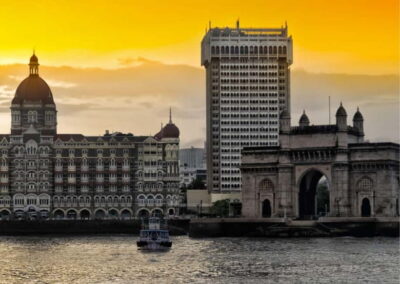
- 9) Gateway of India: 1924 landmark and a king’s visit made stone
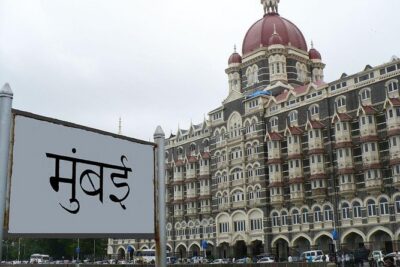
- 10) Taj Mahal Palace: 1903 luxury architecture facing the Arabian Sea
- The real payoff: how to read Mumbai’s architecture like a local
- What I’d pack and plan for (so the walk feels easy, not annoying)
- Who this tour is best for
- Should you book this Victorian Gothic Heritage Quarter and Art Deco Walking Tour?
- FAQ
- How long is the walking tour?
- What is the price per person?
- Where does the tour start and where does it end?
- Is private transportation included?
- How many people are in a group?
- What’s included in the tour price?
- Do the stops require paid admission tickets?
- What ticket format do I get?
- Is free cancellation available?
- Will I get confirmation after booking?
Quick hits before you lace up
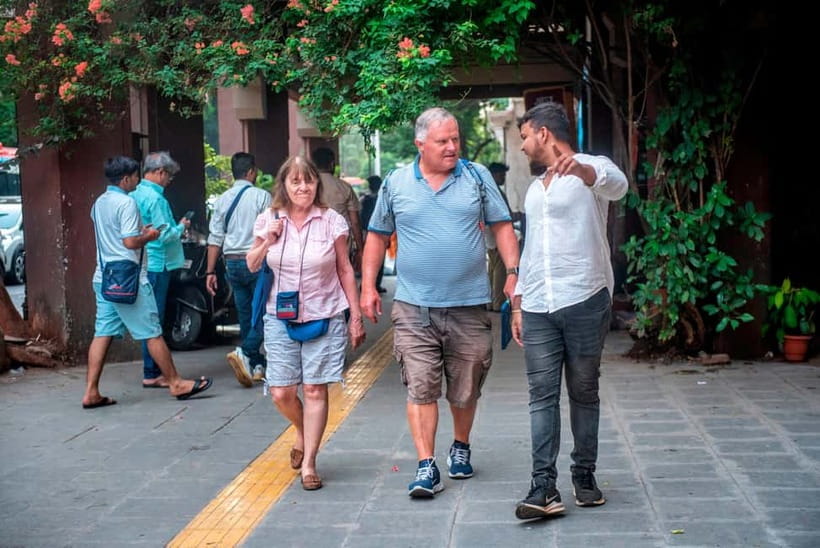
- Small group size (max 15) keeps the chat going and helps you follow the story without feeling rushed
- Free entry for the listed stops means you’re paying mainly for guidance, not admissions
- A strong style contrast: Indo-Saracenic, neoclassical, Gothic Revival, and Art Deco-era street scenes in one loop
- Real local atmosphere can show up at Oval Maidan, including cricket energy on Sundays
- Ends near Churchgate Station, so you can roll straight into your next plan with less hassle
Why this Gothic-to-Art-Deco walk works in Mumbai
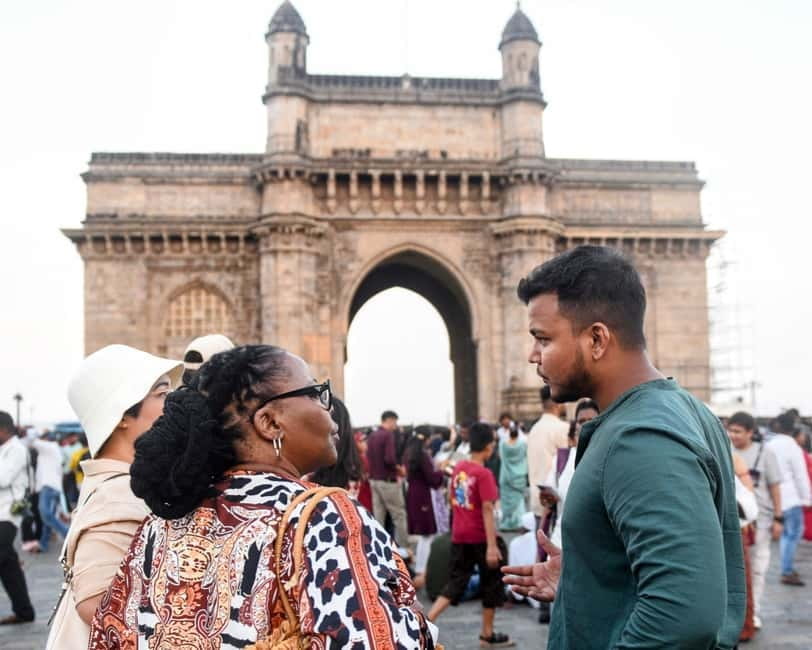
Mumbai can feel like two cities at once: the modern buzz around you, and the colonial-era buildings shaping the streets beneath your feet. This tour is built for that exact moment. You walk along corridors where the architectural “eras” overlap, and you learn how to read them with your eyes—arches, towers, clock faces, and the different design languages British-era builders used.
The best part is the rhythm. You start with official landmarks (mail and law), then you move through education and civic space, then you reach the big showpieces near the waterfront. That pattern makes it easier to remember what you saw, because each stop has a job in the city’s story.
Also, the pricing is refreshing for a two-hour guided walk in a top-central area. At $18.88, you get a guided route, bottled water, and access to stops marked with free admission. You’re not paying extra for ticket stacks that make these tours feel overpriced fast.
You can also read our reviews of more walking tours in Mumbai


Tour logistics that matter (2 hours, no private transport, mobile ticket)

This is a walking tour around South Mumbai/Colaba–Churchgate, roughly 2 hours. The listing says about 2 hours, but you may find it runs a bit longer if your guide adds a couple of extra moments along the way—especially photo breaks and quick side stories.
Group size is capped at 15, which is a big deal. In a larger group, you’d struggle to hear explanations at every stop. Here, you can actually ask a question without shouting.
Important practical note: private transportation is not included. That’s not a bad thing—it helps keep the tour focused and flexible—but it means you should plan your day around walking and public transit access.
You’ll use a mobile ticket, and the start/end points are well placed for onward travel: begin at Regal Cinema, Apollo Bandar, Colaba, and end near Churchgate Station.
Starting at Regal Cinema to Churchgate: what the route sets you up for
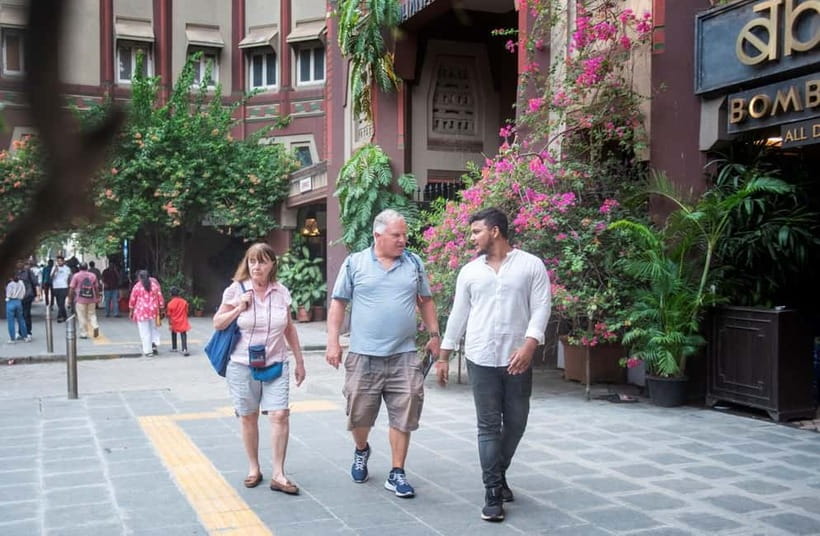
The start at Regal Cinema is convenient because Colaba is already a traveler-friendly launchpad. From there, you head through the heritage zone where “major landmarks per block” is the rule, not the exception.
By the time you finish near Churchgate Station, you’re close to one of Mumbai’s easiest transit gateways. That matters because heritage tours can trap you—done for the day, stuck far from the rest of your plans. Here, you usually get out with your schedule intact.
Stop-by-stop: what you’ll notice at each landmark
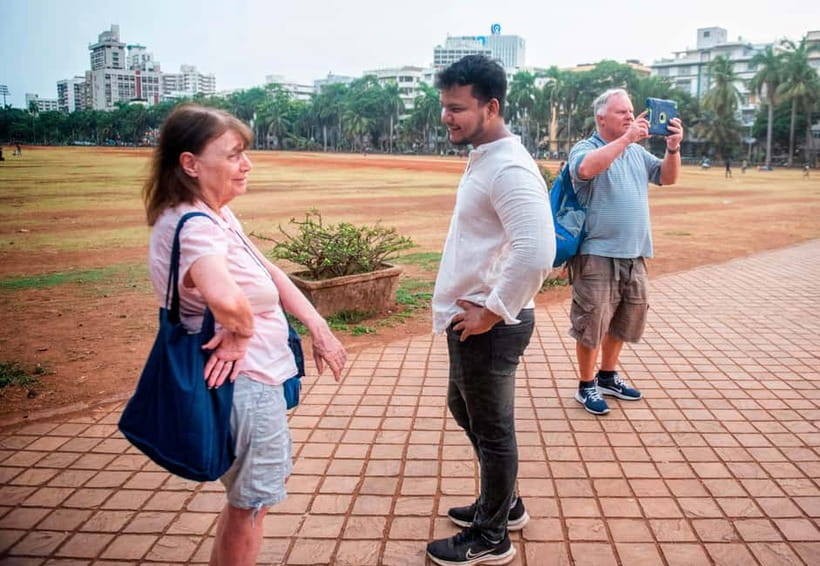
This tour is designed like an architectural timeline. You’ll keep seeing the same message in different fonts: British-era design habits laid over a rapidly modernizing Indian city.
1) General Post Office (Mumbai GPO): the 1913 Indo-Saracenic showpiece
The Mumbai GPO is a great first stop because it immediately signals, this city was a business engine. The building is from 1913 and known for its Indo-Saracenic feel—an architectural mix that reflects how colonial powers tried to blend local visual cues with their own design instincts.
Your guide will usually help you look beyond the front facade. You’re meant to connect the building to its original purpose: mail and communication were the city’s infrastructure before the highways and data cables you see today. If you like “function meets form,” this stop is worth slowing down for.
Good to know: the stop is listed as free for admission.
You can also read our reviews of more historical tours in Mumbai

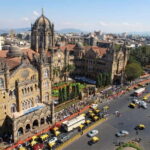

2) Asiatic Society Town Hall (Asiatic Society Library): neoclassical order and old manuscripts
Next comes the Town Hall and Asiatic Society area. The library connection matters because it’s not just architecture; it’s the institution side of the story.
The Asiatic Society Library is tied to a founding in 1804 and is noted for neoclassical architecture. That style is different from the flamboyance people often expect. Instead, it leans into symmetry and formal structure, which is exactly the kind of “mindset” you’d associate with early scholarly institutions.
The tour’s angle here is practical: you learn how these spaces supported research, collecting, and knowledge exchange when Mumbai was becoming a key hub for the region.
Admission is listed as free at this stop.
3) Horniman Circle Garden: 1860-era green space around colonial buildings
Horniman Circle Garden is a classic breather stop, but don’t treat it like filler. The garden is from 1860, and it’s surrounded by large colonial-era buildings that frame the open space like a stage set.
This is where you start noticing how planners used public space to create breathing room and social rhythm. And because it’s in the middle of a dense city, it helps you understand why colonial-era planning often relied on “anchor points” like gardens, squares, and civic institutions.
It’s also a good photography stop because the buildings create clean edges behind you.
Listed admission: free.
4) St. Thomas Cathedral: the oldest Anglican church in Mumbai
St. Thomas Cathedral is the architectural pause that feels more human than official buildings. It’s consecrated in 1718, and it’s described as the city’s oldest Anglican church.
Here, the tour usually shifts your attention toward religious architecture and how it “holds” a community over centuries. You’ll likely look at the building’s colonial-era role in the city’s religious landscape and how that history remains visible even as the neighborhood changes around it.
Again, the stop is listed as free.
5) Bombay High Court: Gothic Revival meets power
The Bombay High Court is one of the strongest “wow” moments for architecture lovers. The building is a Gothic Revival structure, inaugurated in 1879.
Gothic Revival isn’t just a design choice—it’s a message. You’ll often notice features like pointed arches and an emphasis on vertical lines, which give the impression of authority and permanence. For me, this is where the tour really pays off because it connects style to function: a court needed to look unshakable.
Admission is listed as free.
6) Rajabai Clock Tower: the 1878 clock that belongs to a university
Right nearby is the Rajabai Clock Tower, completed in 1878 and designed by Sir George Gilbert Scott. The funding is attributed to Premchand Roych, and that detail gives you a chance to see how different interests intersected in building monumental projects.
Clock towers are a special kind of urban storytelling. They’re public time made visible. In a dense city like Mumbai, they also help you “orient” yourself visually while you’re walking.
This stop also reinforces the tour’s main idea: Gothic Revival and later design languages weren’t just decorative; they shaped how the city looked, worked, and moved.
Listed admission: free.
7) Oval Maidan: the open ground between Victorian Gothic and Art Deco cues
Oval Maidan is a big open space—historic, established in the 19th century—and it helps connect the architecture dots across blocks.
The tour notes that it’s flanked by Victorian Gothic buildings and Art Deco architecture. That’s a valuable lesson for your eyes: you can literally compare design elements without traveling far.
If you visit on a Sunday, you might catch the park in action. One nice bonus from the tour experience is that you can sometimes see cricket happening there, and it’s easy to see why cricket culture is so tied to everyday life in India.
Admission is listed as free.
8) Kala Ghoda (Black Horse) Statue area: art precinct energy and street-color
Kala Ghoda is named for the statue of King Edward VII, and it functions as a cultural precinct where art galleries and museums cluster around a more street-level feel.
The tour’s angle here is to help you shift from architecture-only thinking to “place meaning.” You’ll likely notice street art and the way the area supports creative life, which is a useful contrast to the more formal vibe of courts and churches.
There are no admissions mentioned here beyond free access.
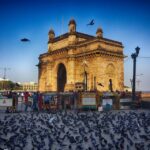
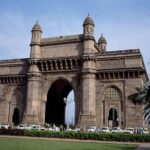
9) Gateway of India: 1924 landmark and a king’s visit made stone
Gateway of India is the iconic arch you’ve likely seen in photos, but the tour helps you attach the why. It was built in 1924 to commemorate the visit of King George V and Queen Mary.
It’s also a natural “wrap-up” moment for the walk, because it signals the waterfront’s role in Mumbai’s growth. If you like history that’s readable at a glance, this is that stop.
Admission is listed as free.
10) Taj Mahal Palace: 1903 luxury architecture facing the Arabian Sea
The final stop is the Taj Mahal Palace, described as a historic luxury hotel built in 1903, overlooking the Arabian Sea.
For architecture watching, this is a smart ending. After Gothic and institutional buildings, you see a different kind of monument: hospitality as prestige. You’re seeing another face of the same city-building impulse—scale, style, and visibility—just aimed toward a different audience and purpose.
Admission is listed as free.
The real payoff: how to read Mumbai’s architecture like a local
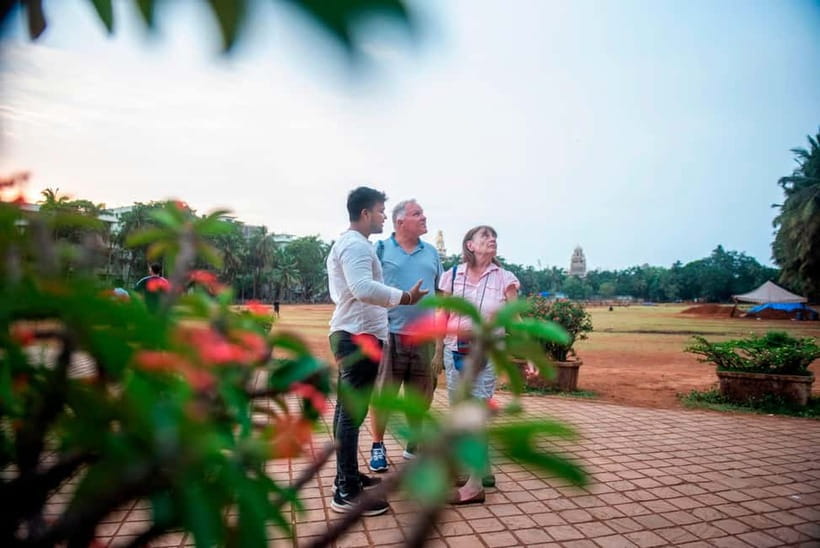
After you’ve walked this loop, you’ll start seeing patterns faster than you expected.
You’ll notice that Gothic Revival buildings use vertical drama to project power and stability, which fits institutions like courts and university towers. You’ll also notice that neoclassical buildings feel about order and structure, which fits academic institutions. Then Indo-Saracenic design at places like the GPO signals an attempt to blend styles into a recognizable civic icon.
And the Art Deco connection isn’t treated like a separate world. You’re shown it in the way the street layout and nearby facades create a sense of time shifting inside a short walking distance—especially around the Oval Maidan corridor.
A small but meaningful bonus: guides can add side stories that you won’t get from a photo-only approach. In at least some tour experiences, the route has included references to local curiosities in the area and even photo help, so you leave with better “memory anchors” than just a list of stops.
What I’d pack and plan for (so the walk feels easy, not annoying)
Because this is a straight walking route across heritage blocks, comfort matters. I’d plan on comfortable shoes and a hat or sunglasses if you’re going in bright sun.
Bring your own snacks only if you’re the type who needs a steady sugar moment; the tour includes bottled water, but food stops aren’t listed. If you’re sensitive to heat or crowding, start with an early time slot in the day.
Also, don’t be shy about questions. One of the best parts of this tour format is that the group size supports back-and-forth, not just a one-way lecture.
Who this tour is best for
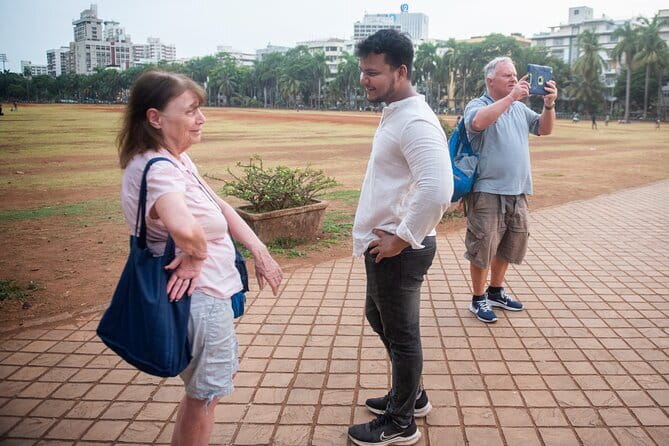
This is a strong fit if you:
- like architecture that’s tied to real civic purposes (mail, law, education, public space)
- want an easy introduction to South Mumbai without fighting a complicated itinerary
- enjoy walking tours with a guide who explains, not just points
It’s also a good first-day option. The route hits high-recognition spots like Gateway of India and Taj Mahal Palace, but it also gives you the “behind the facade” connections that make those landmarks more than postcards.
If you hate walking, or you want a long sit-down museum day, this may feel too fast-paced. It’s meant to be a focused heritage walk.
Should you book this Victorian Gothic Heritage Quarter and Art Deco Walking Tour?
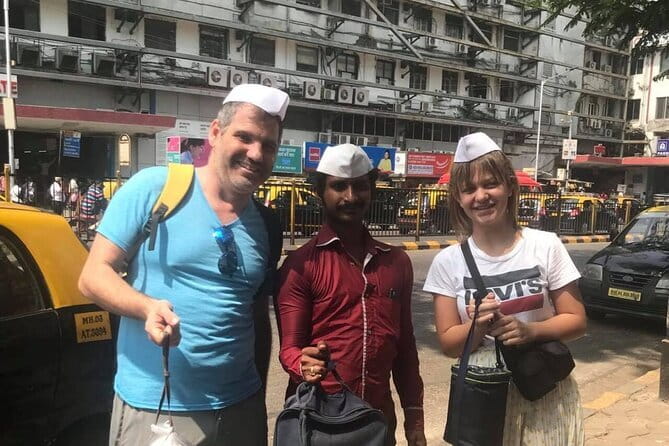
I’d book it if you want value, clear landmark sequencing, and a route that teaches you how to see Mumbai’s architectural mix in a short time. At $18.88, with free admission at the listed stops and bottled water included, it’s priced like a smart add-on to a broader Mumbai trip, not a wallet-draining “major attraction tax.”
I’d hesitate only if you’re extremely strict about architectural scholarship or you need a very specific style focus delivered in the exact way you expect. This tour’s quality depends on the guide’s presentation, and experiences can vary. If you’re booking, come ready with a couple of questions about Gothic Revival details or why Indo-Saracenic design shows up in civic buildings.
If you’re flexible and curious, this walk is one of the most practical ways to connect Mumbai’s colonial-era skyline to the city you’re walking through today.
FAQ
How long is the walking tour?
It’s listed as approximately 2 hours.
What is the price per person?
The price is $18.88 per person.
Where does the tour start and where does it end?
It starts at Regal Cinema, Apollo Bandar, Colaba, Mumbai and ends near Churchgate Station.
Is private transportation included?
No. Private transportation is not included.
How many people are in a group?
The tour has a maximum of 15 travelers.
What’s included in the tour price?
The tour includes bottled water.
Do the stops require paid admission tickets?
The listed stops are marked as admission ticket free.
What ticket format do I get?
You’ll get a mobile ticket.
Is free cancellation available?
Yes. Free cancellation is offered if you cancel up to 24 hours in advance for a full refund.
Will I get confirmation after booking?
Yes. Confirmation will be received at the time of booking.