REVIEW · MUMBAI
Mumbai Elephanta Caves Group Tour Half-Day All Including Guide
Book on Viator →Operated by Mumbai Dream Tours · Bookable on Viator
Rock cut temples float on the edge of Mumbai. This half-day outing takes you to Elephanta Caves on Elephanta Island, with a private guide explaining the sculptures and rock art from the 500s. You’ll also ride a ferry from the Gateway of India area and then return the same way, so it feels focused instead of exhausting.
My favorite parts are the chance to see the scale of the Shiva Cave sculptures up close and the way your guide connects the dots between Hindu and Buddhist sites. The one thing to think about: the tour description says ferry and entrance tickets are at your own expense, but the included details list the ferry ride and fees—so confirm what’s covered in your specific booking before you get on the boat.
In This Review
- Key highlights worth planning for
- Elephanta Caves: why these rock carvings still matter
- Gateway of India start: getting out to the island without fuss
- The ferry ride from Mumbai Harbor: your moving preface to the caves
- Exploring the main Shiva Cave: the sculptures you actually have to see
- Smaller Hindu and Buddhist caves: two traditions, one carved island
- What the private guide adds (especially when the name is Dave or Daivat)
- Time on the ground: how the half-day structure feels in real life
- Price and value: is $61.23 a good deal?
- Practical tips so your Elephanta day runs smoothly
- Who should book this tour and who might skip it
- Should you book Mumbai Elephanta Caves half-day?
- FAQ
- How long is the Elephanta Caves half-day tour?
- Where does the tour start?
- Is the ferry ride included?
- Are tickets included?
- Is a guide included?
- What will I see at Elephanta Caves?
- Is food included?
- What is the group size?
- Can I cancel for free?
Key highlights worth planning for
- Private guide time you can actually ask questions with, not just a quick walk and a handout
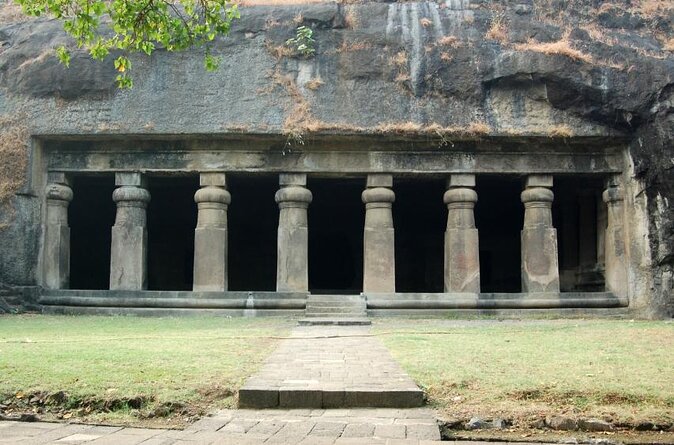
- UNESCO-listed cave complexes linked to centuries of Indian religious art
- Main Shiva Cave with giant figures tied to Hindu myth and worship
- Hindu and Buddhist rock sites on the same island, explained with context
- Half-day pacing that fits well if you want culture without a full day commitment
- Mobile ticket for easier day-of access
Elephanta Caves: why these rock carvings still matter
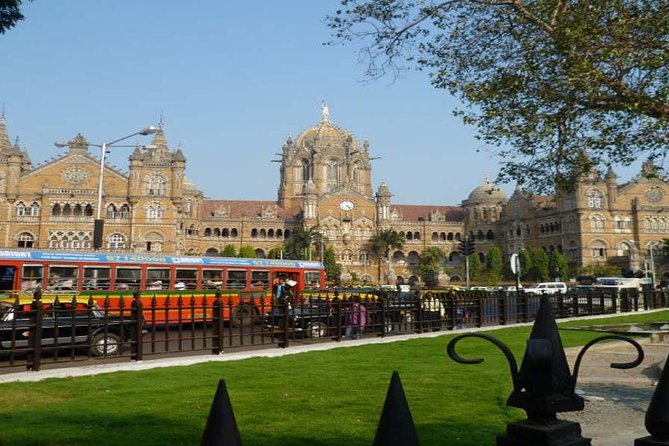
Elephanta Island is famous for rock-cut religious spaces, and the best part of a half-day format is that it keeps you from feeling rushed through something this symbolic. These caves are UNESCO-listed, and the art and carving are believed to date from the 500s, which gives you a real sense of depth when you stand in front of the sculptures.
What I like most is that the caves aren’t presented as random stone decoration. You’re shown how the carving style and the subject matter connect to worship, belief, and community life around the island over time. Even if you don’t read temple symbolism fluently, a guide helps you notice details you’d miss on your own.
You’ll walk through the complex in a logical flow: start with the big showpiece and then see smaller caves that shift the tone. That mix is what makes this experience more than a sightseeing stop.
You can also read our reviews of more guided tours in Mumbai



Gateway of India start: getting out to the island without fuss
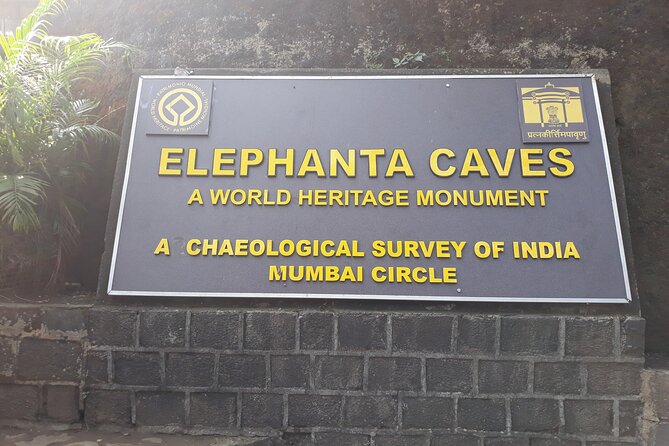
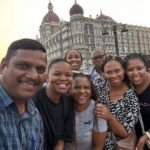
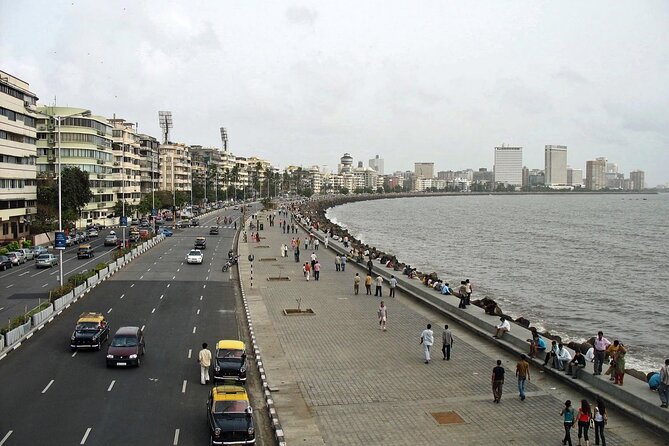
The tour meets around Gateway of India (Apollo Bandar, Colaba), which is convenient because it’s one of Mumbai’s best-known landmarks. From here, you head to the ferry as part of the program and then spend the bulk of your time on Elephanta Island.
This matters for value because getting to the harbor can be the hardest part of the whole trip. When the meeting point is right at the Gateway of India area, you spend less energy figuring out transport and more energy paying attention to the experience.
The day is designed to be simple: you start at Gateway of India and return there at the end. That round-trip structure is ideal if you only have a few hours and you want a plan that doesn’t turn into a whole afternoon of logistics.
The ferry ride from Mumbai Harbor: your moving preface to the caves
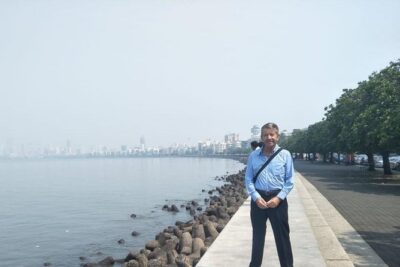
You’ll take a ferry from the Gateway of India area to Elephanta Island, and the time out on the water is about an hour. Even though your real focus is the caves, this ferry stretch sets the mood. You’re leaving the city behind, and you start to see the scale of Mumbai Harbor around you.
A practical note: one of the reviews mentioned an afternoon visit that made sunset light possible. So if you can’t control your exact departure time, still consider choosing a slot later in the day when you book, because the light can change how the island and sea look.
Also, check what’s included on your ticket. The tour details say the ferry ride is included, yet the description also notes that ferry and entrance tickets can be at your own expense. That kind of mismatch is worth clarifying early so you don’t get surprised at the harbor.
Exploring the main Shiva Cave: the sculptures you actually have to see
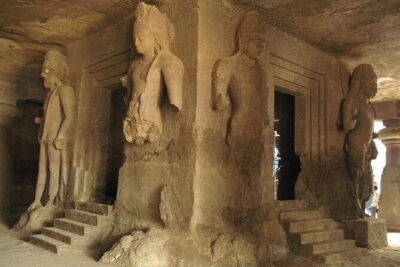
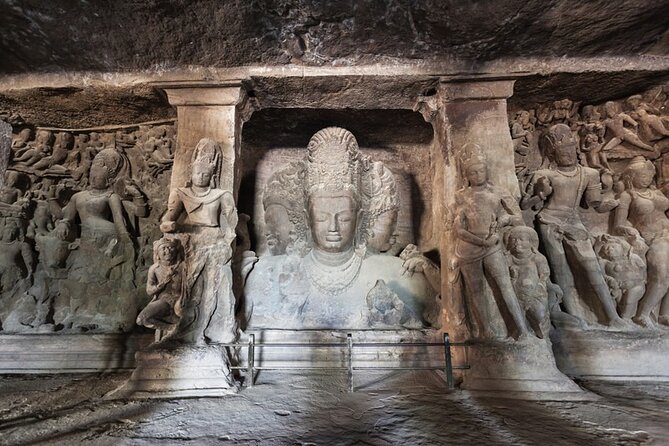
The main stop on Elephanta Island is the Shiva Cave, and this is where the tour earns its reputation. You’ll spend about three hours at Elephanta Caves overall, with the Shiva Cave as the centerpiece.
Here’s what you should expect to focus on:
- Giant sculptures related to Shiva and major figures from Hindu mythology
- A sense of grandeur in how the carvings cover the space, not just a few statues tucked along a wall
- Notable figures described as Shiva, Nataraja, and Yogishvara
The value of a private guide in this setting is huge. Stonework this old can look impressive but vague if you don’t know what you’re looking at. With guidance, you learn what the figures represent and how the design supports the religious ideas behind the cave.
You’ll also likely have a better time if you pace your attention. Don’t just point your camera and move on. Pause at key sculptures and let the guide explain what each scene is trying to communicate. That’s how the cave stops being a photo stop and becomes a story you can follow.
Smaller Hindu and Buddhist caves: two traditions, one carved island
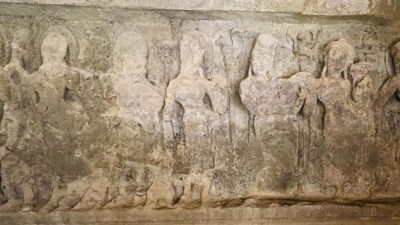
After the Shiva Cave, the tour continues through other caves on the island, including smaller spaces tied to both Hindu and Buddhist themes. These areas may not be as famous as the main chamber, but they’re often the most interesting if you care about how religions overlap in art.
Your guide will share history and meaning as you move through:
- Additional Hindu caves and reliefs showing religious scenes
- Smaller Buddhist caves where the emphasis shifts
This is where your understanding starts to broaden. The caves aren’t a single-style monument. They feel like a community project over time, where different traditions found ways to express belief through the same basic toolset: carving living space out of rock.
If you like seeing contrasts—how one cave talks about one set of ideas and another cave shifts the message—this portion is a strong reason to book a guided tour rather than doing it independently.
You can also read our reviews of more tours and experiences in Mumbai




What the private guide adds (especially when the name is Dave or Daivat)

The tour’s greatest strength is the professional guide experience. You’re not just walking through a site; you’re getting explanations aimed at helping you connect what you’re seeing to why it was made.
In the reviews, the guide experience shows up clearly. One person specifically praised a guide named Dave for explaining history and also for talking about how people live on the island. That kind of added context helps you treat the site as something connected to place and people, not only a distant museum piece.
Separately, the provider’s replies mention Daivat as another guide the company highlights. So if you get a guide with either of those names, you can reasonably expect the same thing: clear storytelling and a focus on meaning, not just dates.
When guides are strong, your time at Elephanta moves faster in your mind. You stop wondering what you’re looking at and start recognizing patterns—symbols, figures, and the way different caves organize religious space.
Time on the ground: how the half-day structure feels in real life
The whole tour runs about four hours total, and the schedule splits into:
- Ferry time plus the initial segment from Gateway of India
- Then a longer block exploring Elephanta Caves
That half-day pace is perfect if you want culture but you’re also dealing with Mumbai’s city rhythm. You get a meaningful chunk of time on the island without committing to a full day away from town.
Group size is limited to a maximum of 15 travelers, which usually means you get more breathing room for questions and photos. A larger group can turn cave exploring into a line-walk. With a smaller cap, you’re more likely to stop when you actually want to read a detail.
The tour also uses a mobile ticket, which can make day-of entry feel smoother. You’ll still want to keep your phone charged, especially if you’re dealing with photos and maps.
Price and value: is $61.23 a good deal?
At $61.23 per person, this tour is priced as a guided half-day experience focused on one site. You’re paying for three things that matter in the real world: a guide, the ferry ride, and the included fees and taxes.
Here’s the value logic I see:
- You’re not hunting down instructions for the harbor or trying to coordinate your own route.
- You’re getting a guide whose job is to turn stone carvings into understandable scenes.
- You’re getting a defined time block (about four hours), which helps you plan your day.
The only value wrinkle is ticket clarity. The description notes that ferry and entrance tickets can be at your own expense, while the included details list ferry ride and fees. Because those two statements conflict, it’s worth confirming what you personally will pay for after booking.
Food is not included. The program mentions there’s an option to include a family lunch, but if you’re traveling solo or want to keep it simple, you’ll need to plan a meal outside the tour window.
When you book with value in mind, you should weigh whether you want a guide versus going on your own. If you want to understand the Shiva Cave carvings and Buddhist caves beyond surface-level impressions, the guide cost usually pays you back in satisfaction.
Practical tips so your Elephanta day runs smoothly
A few things make a big difference for an experience like this:
- Bring water, since food and drink aren’t included.
- Wear comfortable walking shoes. Cave floors can be uneven, and you’ll be moving for a couple of hours.
- Keep your camera ready, but don’t treat photos as the whole point. Pause for the explanations.
- If you can, choose an afternoon slot for better odds of scenic light. A review hinted at sunset framing during an afternoon visit.
- Confirm ticket coverage for ferry and entrance before you go, because the description and included details don’t match perfectly.
The tour ends back at the meeting point, so you won’t need to figure out a new return plan on the fly. That’s good news when you’re working within limited time.
Who should book this tour and who might skip it
This tour is a great fit if you:
- Want one high-impact experience without using a whole day
- Like religious art and want help understanding the symbolism
- Prefer a small group setting (max 15) with a guide who answers questions
- Travel with family and like the option for a family lunch
You might consider skipping (or at least comparing alternatives) if you:
- Already know the cave iconography and plan to visit mainly for photography
- Hate any chance of ticket surprises at the harbor, since you should confirm what’s included before departure
Should you book Mumbai Elephanta Caves half-day?
I’d book this if you want a guided, half-day route that gets you into the caves with explanations and a structured pace. At $61.23, the guide plus ferry-and-site setup is a fair value for a focused experience.
My main “only do this after checking” item is ticket coverage. Because the description and included information point in two directions about ferry and entrance tickets, message the provider or confirm in your booking details what’s covered for your exact date.
If ticket coverage checks out, you’ll leave with more than photos. You’ll understand why the Shiva Cave is the star, why the Buddhist caves matter too, and how the island’s rock art turns religious ideas into stone.
FAQ
How long is the Elephanta Caves half-day tour?
It’s about four hours total, with ferry time and around three hours on Elephanta Island exploring the caves.
Where does the tour start?
The tour starts at Gateway of India (Apollo Bandar, Colaba, Mumbai).
Is the ferry ride included?
The included details list the ferry ride as included, but the description also mentions ferry and entrance tickets may be at your own expense. Confirm what your booking covers before you go.
Are tickets included?
The tour uses a mobile ticket. The included details say admission is included, but the description notes entrance tickets may be at your own expense. Check your booking for the exact ticket coverage.
Is a guide included?
Yes. The tour includes a professional, knowledgeable guide.
What will I see at Elephanta Caves?
You’ll explore UNESCO-listed caves and rock art, including the main Shiva Cave with large sculptures tied to Hindu mythology (including Nataraja and Yogishvara), plus other Hindu and Buddhist caves.
Is food included?
Food and drink are not included. There is an option to include a family lunch.
What is the group size?
The tour has a maximum of 15 travelers.
Can I cancel for free?
Yes, free cancellation is available up to 24 hours before the experience starts for a full refund.