REVIEW · MUMBAI
Dabbawala, Dhobi Ghat & Dharavi slum Tour with Local Train Ride
Book on Viator →Operated by Mumbai Dream Tours · Bookable on Viator
Dharavi isn’t a postcard. It’s a working neighborhood, and the best part is that you get there by local train and walk with a resident guide, not through a scripted bus window. I especially love the mix of industries in Dharavi and the sheer scale of Mahalaxmi Dhobi Ghat. One drawback: this is a sensitive, real-life area, so it can feel intense in tight lanes and busy work zones, and you’ll want to be comfortable with that.
What makes the experience click is the human pacing. With a small group (up to 15) and guides such as Rakesh, Abhishek, Sagar, Dinesh, or Hardik, the tour tends to feel respectful, organized, and surprisingly light on its feet for such serious subject matter. I also like that it runs about 4 hours and includes transport, so you can fit it without losing an entire day to transit.
You’ll start near Churchgate (Maharshi Karve Rd) and end in Dharavi near Sai Multispeciality Hospital and Research Centre. The good news is the tour uses a mobile ticket, and admission at the stops is free—so you’re not hunting for paperwork while others are already moving.
In This Review
- Key things that make this tour worth your time
- Why This Mumbai Tour Feels Different: Local Train + Real Work Places
- The Route You’ll Follow: Churchgate Start, Dharavi End, and a 4-Hour Rhythm
- Stop 1 in Dharavi: Leather, Pottery, Soap, Dye Work, and Everyday Services
- Stop 2 at Dhobi Ghat: Mahalaxmi’s Open-Air Laundry Operation
- Stop 3: Dabbawala Tribute Statue and the Lunch Delivery System
- The Real MVP Is the Guide: Rakesh, Abhishek, Sagar, Dinesh, and Hardik
- Price and Value Check: What You’re Getting for $35.79
- What to Pack and How to Prepare (Based on Real-World Practical Advice)
- Who This Tour Suits Best (and Who Should Think Twice)
- Should You Book This Dharavi + Dhobi Ghat + Dabbawala Tour?
- FAQ
- How long is the Dabbawala, Dhobi Ghat & Dharavi slum tour?
- How much does the tour cost?
- What is included in the tour price?
- Is food included?
- Where do I meet the tour?
- How many people are in the group?
- What stops are included in the itinerary?
- Are there admission fees at the stops?
- Can I cancel for a full refund?
- What kind of ticket will I receive?
Key things that make this tour worth your time
- Local train ride that gets you moving like locals do, not just watching from the roadside
- Dharavi workshops you can actually see: leather, pottery, soap making, bakery-style production, dye work, recycling
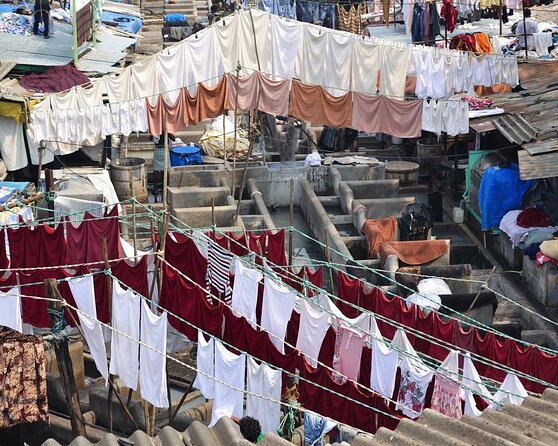
- Mahalaxmi Dhobi Ghat open-air laundry where you see how hotel clothes are washed in the open
- Dabbawala connection through the lunch-delivery system that keeps Mumbai fed day after day
- Small group size (max 15) that makes questions feel possible, not annoying
- Resident-guide feel with English-speaking guides who bring daily reality into the walking pace
Why This Mumbai Tour Feels Different: Local Train + Real Work Places
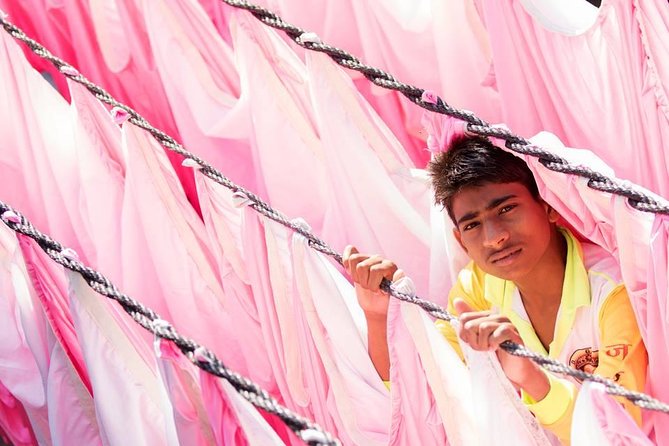
If your Mumbai trip list is all forts, viewpoints, and museum halls, this tour adds something you can’t download. You’ll be in Dharavi for part of the day, but the point isn’t to stare. The point is to understand how people work, learn, trade, and recycle in a place that’s often reduced to a single stereotype.
The local train ride matters more than it sounds. It helps you see the city as a system, not as a set of stops. You’ll feel the rhythm of getting on, getting off, and navigating crowds with your guide keeping you oriented.
Then you shift to laundry and logistics. Mahalaxmi Dhobi Ghat shows a huge, open-air operation that processes the everyday needs of hotels across Mumbai. And dabbawalas connect the dots by delivering thousands of packed lunches around the city each day. It’s a theme tour without pretending it’s a theme park.
You can also read our reviews of more tours and experiences in Mumbai.
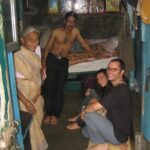


The Route You’ll Follow: Churchgate Start, Dharavi End, and a 4-Hour Rhythm
This is a 4-hour tour. That timing is a feature, not a limitation. In a place like Mumbai, where traffic and crowding can stretch everything, a tight schedule keeps things manageable and gives your brain less time to overload.
You’ll meet at Maharshi Karve Rd in Churchgate, then use public transportation with your guide as part of what’s included. The tour ends in Dharavi near 90 Feet Rd and behind Sion Hospital, close to Sai Multispeciality Hospital & Research Centre.
Because it’s small-group (up to 15), you’re not lost in a moving swarm. Still, you should expect tight passageways and busy work zones. That’s especially true in Dharavi, where the lane feel is part of the experience.
Practical takeaway: if you’ve got limited time and you’re trying to do a high-impact Mumbai tour without burning your whole day, this one is built for that.
Stop 1 in Dharavi: Leather, Pottery, Soap, Dye Work, and Everyday Services
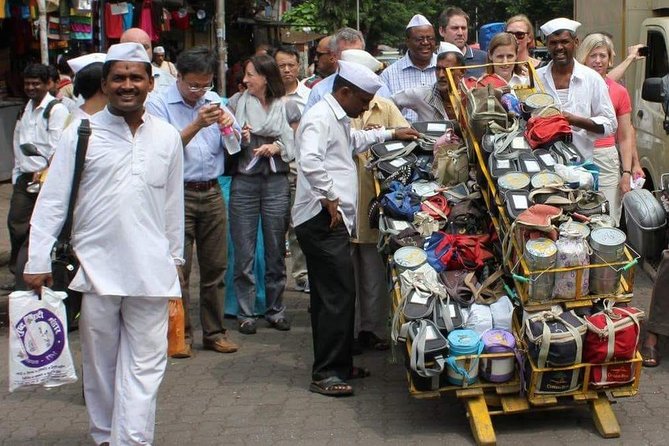
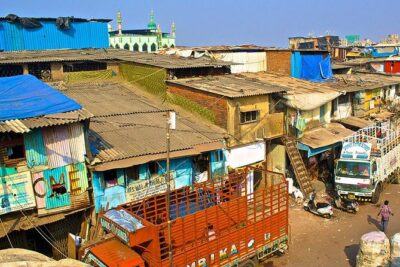
Dharavi is usually discussed as one big thing. This tour treats it like many separate places stitched together: workshops, homes, schools, hospitals, and small alleyways where production happens.
In the Dharavi portion (about 2 hours), you’ll see or hear about industries such as:
- leather work
- pottery
- making of soap
- bakery-style production
- colour dye
- plastic recycling
- and more small-scale trades you’ll encounter street level
You’ll also learn about local infrastructure like schools and hospitals, and you’ll walk through areas that include houses in the slum. There’s even a pop-culture note built into the route: the area was used as a shooting location for Slumdog Millionaire.
Now, the sensitive part. Dharavi is not a set. It’s where people live and work, so the smartest approach is simple: keep your questions respectful, keep your distance when work is happening, and treat what you see as someone’s daily reality. If you go in ready to observe carefully instead of collecting photos like trophies, the tour lands differently.
One more consideration: you’re walking through active neighborhoods. Your comfort gear matters. Comfortable shoes are not optional here.
Stop 2 at Dhobi Ghat: Mahalaxmi’s Open-Air Laundry Operation
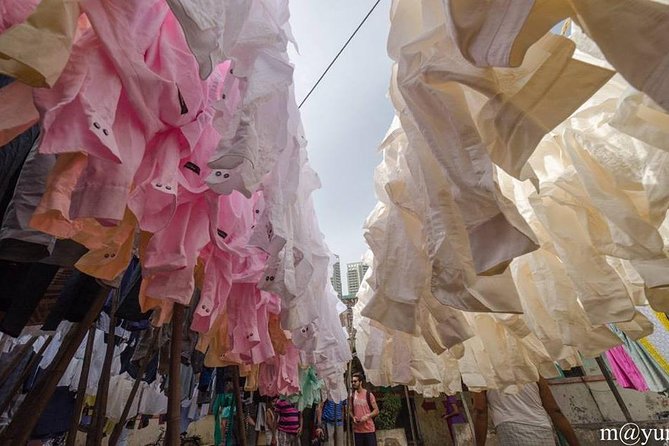
After Dharavi, the scene changes. Dhobi Ghat (specifically Mahalaxmi Dhobi Ghat) is an open-air laundromat where washers—locally called dhobis—work outside. You’ll spend about 1 hour here, which is long enough to understand the scale without dragging.
The key detail is what you’re seeing and why it’s impressive: this laundry operation processes clothes from Mumbai’s hotels. So this isn’t a small neighborhood chore. It’s a serious, ongoing service pipeline.
What to expect in an open-air laundry place:
- lots of work happening at once
- people moving with purpose
- a busy workflow that looks chaotic until your guide explains how it’s organized
Because this stop is outdoors, weather will shape your experience. Rain and intense heat can make it less fun to stand and stare. If you’ve got sunscreen or a light layer, bring it. If it’s a hot day, hydration becomes part of the tour, even though food and drinks aren’t included.
Also, admission here is free, so you’re not paying extra at the gate to watch the laundry. You’re paying for the guide and the time, and that seems like the value choice.
Stop 3: Dabbawala Tribute Statue and the Lunch Delivery System
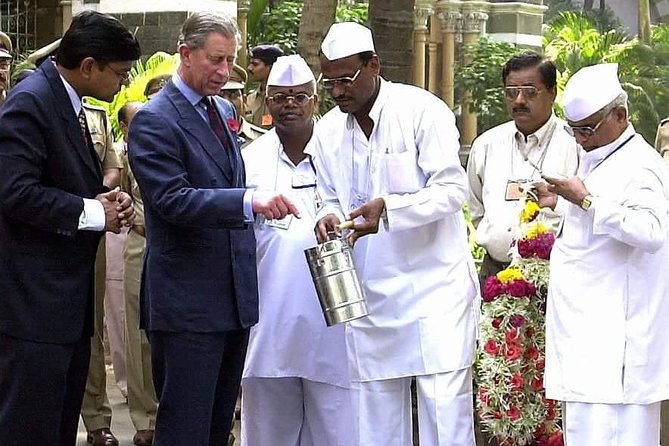
The final stop is built around the dabbawalas—Mumbai’s lunch delivery network. You’ll visit a dabbawala tribute statue and meet the people connected to this everyday logistics miracle.
This portion runs about 1 hour. The tour framing is simple: explain who dabbawalas are and why they matter. The overview is that they deliver thousands of packed lunches around the city every day, and your guide helps connect the dots between neighborhoods, meals, and routine.
Why this stop is more than a photo moment: it turns your attention from buildings to systems. Dharavi shows production. Dhobi Ghat shows service work. The dabbawalas show coordination—how goods (food) move reliably through a city that can be hard to navigate.
If you’re the kind of traveler who likes how things work—schedules, networks, and human logistics—this is one of the most satisfying parts of the tour.




The Real MVP Is the Guide: Rakesh, Abhishek, Sagar, Dinesh, and Hardik
This tour earns its high marks for one clear reason: the guide. In practice, you’ll feel it in pacing, language clarity, and how comfortable you feel asking questions.
Guides you might meet include:
- Rakesh, described as excellent, fun, and respectful
- Abhishek, praised for being engaging and entertaining while keeping the information grounded
- Sagar, noted for deep knowledge and energy, and in one case sharing a more personal view of his life
- Dinesh, recognized for making the day informative even when conditions were tough
- Hardik, described as pleasant and very informative
A big theme in the feedback is that the tour feels safe and organized. That doesn’t mean you should treat Dharavi like a controlled attraction. It means your guide knows the flow, knows how to keep the group together, and knows when to slow down.
There’s also a common thread of comfort with the human side. One guide-related highlight included a visit to the guide’s family home for a homemade meal. That kind of moment is not guaranteed based on the standard itinerary you can expect, but it does show what a resident-led tour can add when it’s offered.
If you’re choosing between tours in a city like Mumbai, guide quality is the difference between learning and just watching.
Price and Value Check: What You’re Getting for $35.79
At $35.79 per person, the value is strong if you factor in what’s included. You’re not just paying for a walk. You’re paying for:
- a professional resident guide
- transport by local train
- a small group experience (up to 15)
- free admission at the main stops
That matters because Mumbai public transit can be intimidating if you’re new to it. Having the local-train portion included takes away a big chunk of uncertainty.
The main cost to watch is what’s not included: food and drink. Plan to eat before or after. If you’re sensitive to low-sugar energy swings, bring a snack you can carry (as long as it fits local norms), and treat hydration as part of your setup.
Also note: there’s a mobile ticket, which helps on the day. When tickets are paper or require lots of steps, it wastes time. Here, the setup is meant to be simple.
Booked about 16 days in advance on average, this is a tour that can sell out around peak weeks. If you’re traveling in high season, don’t wait.
What to Pack and How to Prepare (Based on Real-World Practical Advice)
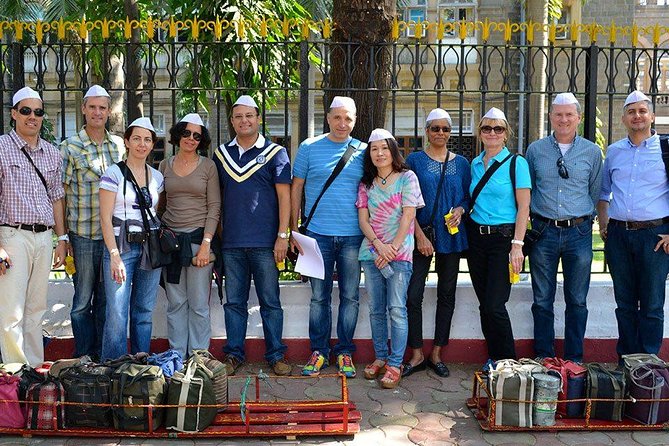
This isn’t a museum walk, so pack like you’re moving through a working area.
I’d bring:
- comfy shoes for uneven, tight paths
- a bottle of water, because you may feel it in an outdoor laundry stop and during long walks
- sun protection if your day is bright and clear
- a light layer for weather swings
- any essential meds you usually need, because food isn’t part of the plan
Then set your expectations. You’re going to see industry, daily life, and services close up. You’re not going to a “clean” version of Mumbai.
The best mindset is calm curiosity. Ask before you snap photos. Don’t block people working. Let your guide handle the timing and the boundaries.
One more thing: be ready for crowding. Even with a small group, you’ll be in neighborhoods where people move fast and lanes are narrow.
Who This Tour Suits Best (and Who Should Think Twice)
This is a strong match if you:
- want a working-life view of Mumbai, not only landmarks
- like local transit included in the experience
- enjoy explanations from a resident guide
- are okay with sensitive, real-life scenes and prefer respect over spectacle
It may be less ideal if you:
- need a fully comfortable, low-walking pace day
- dislike outdoor stops in changing weather
- expect food to be part of the itinerary
Most travelers can participate, but “most” still means you should think about your own comfort with walking and crowd navigation.
Should You Book This Dharavi + Dhobi Ghat + Dabbawala Tour?
If you want one Mumbai tour that turns the city from an image into a functioning set of human systems, I think you should book it. The local train ride, the Dharavi workshop walk, and the open-air laundry scale fit together in a way that feels logical, not random. The guide-driven approach is what turns it from potentially uncomfortable curiosity into real understanding.
Book this if:
- you’re short on time and want real value from a 4-hour format
- you’re curious about dabbawala delivery and how Mumbai’s daily needs actually get handled
- you want a small-group experience where questions are welcome
Skip it only if you strongly prefer polished tourist settings or you’re not comfortable with sensitive, working neighborhoods.
If you do book, go in prepared: comfy shoes, water, and a respectful attitude. That combination makes the whole day smoother.
FAQ
How long is the Dabbawala, Dhobi Ghat & Dharavi slum tour?
It runs about 4 hours.
How much does the tour cost?
The price is $35.79 per person.
What is included in the tour price?
You get a guided experience, plus transport by local train.
Is food included?
No. Food and drink are not included.
Where do I meet the tour?
You start at Maharshi Karve Rd, Churchgate, Mumbai.
How many people are in the group?
The tour has a maximum of 15 travelers.
What stops are included in the itinerary?
The tour includes Dharavi, Dhobi Ghat (Mahalaxmi Dhobi Ghat), and a dabbawala tribute statue.
Are there admission fees at the stops?
Admission tickets are listed as free for the stops.
Can I cancel for a full refund?
Yes. You can cancel up to 24 hours in advance for a full refund.
What kind of ticket will I receive?
You receive a mobile ticket.