REVIEW · MUMBAI
Dhobi Ghat Tour
Book on GetYourGuide →Operated by Mumbai Dream Tours · Bookable on GetYourGuide
Soap and sun on an industrial scale. Mahalaxmi Dhobi Ghat in Mumbai is one of the city’s most iconic sights: hundreds of dhobis (washermen and women) clean and iron laundry in an open-air setup that’s been running for over a century.
I really like how the tour shows the work steps up close—sorting clothes by color and type, beating stains in a wash trough, then hanging for drying. And I love the human angle: you’ll hear real daily-life stories from people who’ve worked there for years, with guides who bring personality, like Havat or Hardik Tank.
One practical drawback: photography is not allowed inside, so if you’re planning on shooting lots of close-up action, you’ll need to aim for the permitted viewpoints and the outdoor scenes.
In This Review
- Key things you’ll notice at Mahalaxmi Dhobi Ghat
- Mahalaxmi Dhobi Ghat: why this open-air laundry matters
- The 30-minute guided walk: sorting, beating, drying, repeating
- Hospital laundry and the “boil and disinfect” sections
- Charcoal ironing: the step that turns laundry into crisp clothing
- The people behind the work: stories you’ll actually remember
- Photography rules and where your best shots will be
- Timing and meeting point: how to not feel rushed
- Price and value: is $11 a fair deal here?
- What to wear and how to mentally prepare
- Who should book this Dhobi Ghat tour
- Should you book the Dhobi Ghat tour?
- FAQ
- FAQ
- How much does the Dhobi Ghat tour cost?
- How long is the tour?
- Where does the tour meet?
- What language is the guide?
- What’s included in the ticket?
- Is photography allowed?
- What’s the best time to start?
- What is the cancellation policy?
- Is there a reserve & pay later option?
Key things you’ll notice at Mahalaxmi Dhobi Ghat

- Hand-work, not just sightseeing: Sorting, beating, drying, and ironing are done with people at every step.
- The organized chaos has a system: Different dhobis handle specific tasks so the flow never stops.
- Charcoal ironing is its own spectacle: Bulky charcoal irons turn wrinkled laundry into crisp fabric.
- Hospital laundry has its own section: There are separate areas for boiling and handling infected items.
- The guide adds real character: Names like Havat (humor) and Hardik Tank (gentle, prepared) often make the visit.
- You get tea with your walk: It’s included, which helps when the site runs warm and busy.
Mahalaxmi Dhobi Ghat: why this open-air laundry matters

Mahalaxmi Dhobi Ghat is Mumbai doing what Mumbai does best—turning daily life into something you can actually watch. This isn’t a museum. It’s the city’s working laundry. Dirty clothes arrive from across Mumbai, and dhobis rotate through their shifts to return items fresh and pressed.
The big reason I think this tour is worth your time is that it’s not just visual. You’re watching an entire workflow: people taking in piles, separating garments, washing, drying, and ironing. Even if you’ve seen laundry before, you won’t have seen it at this scale, in this layout, with this level of hand labor.
You’ll also learn that some families may use machines, but much of the process at this Dhobi Ghat is still handled manually. That’s important for your expectations: you’re seeing tradition in action, not a fully automated back room.
Finally, it’s an easy culture stop that feels different from the usual sightseeing circuit. You’re not chasing monuments. You’re getting a window into work, routines, and the city’s practical rhythms.
You can also read our reviews of more tours and experiences in Mumbai.



The 30-minute guided walk: sorting, beating, drying, repeating
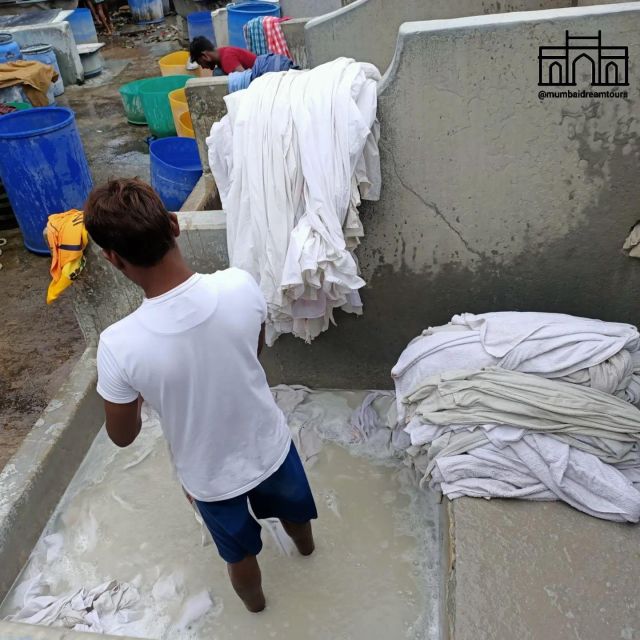
The tour is short—about 30 minutes on foot—and that’s part of its charm. You don’t get lost. You get a focused “how it works” tour that fits into a busy Mumbai day.
You’ll start with your guide meeting you at the view point of Dhobi Ghat, then you’ll walk around the working area and return back to the same meeting point when it ends.
Here’s how the visit typically feels, step by step:
First, you’ll notice the flow of clothing and people. One dhobi may sort garments based on colors and types. That sounds simple, but in a system like this it keeps the process efficient—different fabrics and dye lots need different handling.
Next comes the beating and washing stage. You’ll see clothes go through the trough area, where dhobis beat and work stains out. This is the part many people remember because it’s physical and direct. There’s a lot of energy, and you can see how the work is done with rhythm rather than machines.
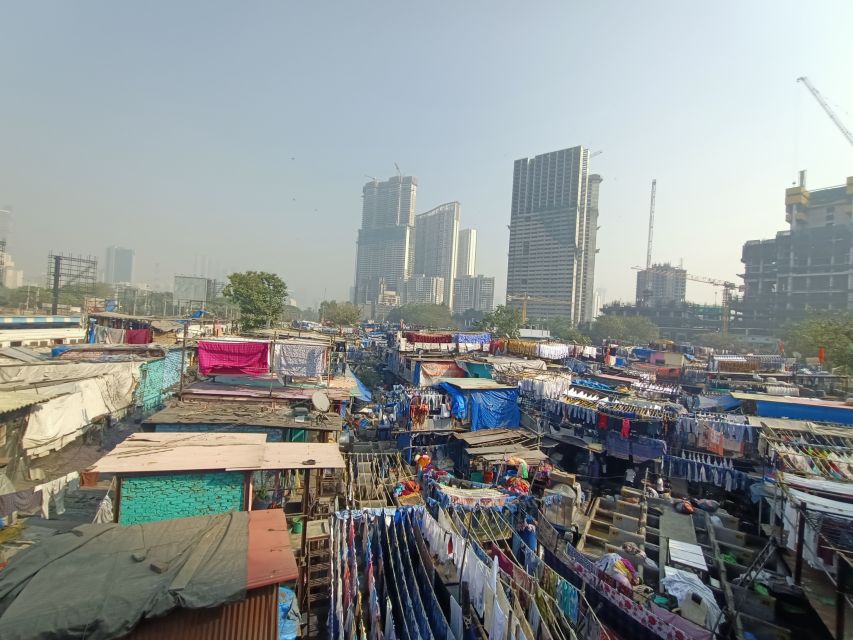
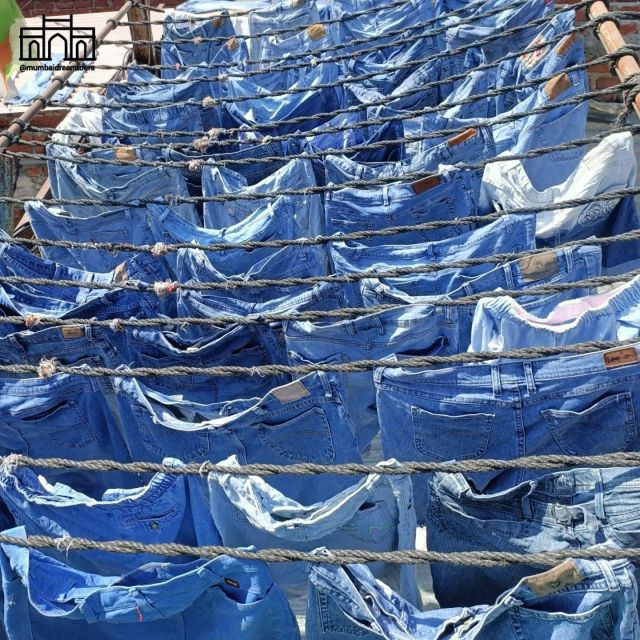
Then comes drying. You’ll see laundry laid out and hung on clotheslines in long rows. The visual pattern is one of the most photogenic parts of Dhobi Ghat sightseeing, especially when clotheslines fill with bright colors. It also helps you understand the workflow: washing isn’t the end—it’s the middle step.
One more thing to expect: the atmosphere is active, not staged. You might notice the daylong smell of washing soda and other chemicals drifting through the area. It’s part of the real work environment, so going in expecting a quiet experience will leave you disappointed.
Hospital laundry and the “boil and disinfect” sections
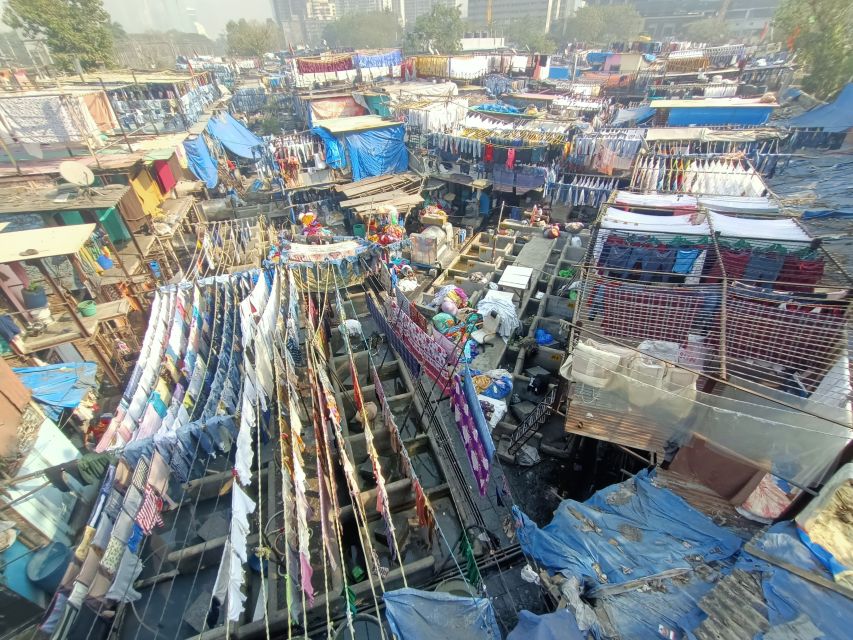
Most open-air laundries you’ve seen are built for everyday garments. At Mahalaxmi Dhobi Ghat, you’ll learn there are separate sections for boiling water and handling infected clothes from hospitals.
That detail adds context. It turns the site from a quirky photo stop into something more serious and organized. Dhobis aren’t just washing regular outfits. They’re processing sensitive laundry streams, with different zones designed for different needs.
If you’re the kind of person who likes understanding how systems work, this is one of the best “aha” moments of the tour. You see that the ghat is arranged with purpose, and that the manual labor still follows strict separation of tasks.
Charcoal ironing: the step that turns laundry into crisp clothing

Watching clothes being ironed is where the tour really earns its keep.
You’ll see bulky charcoal irons used to press garments before delivery. This is a hands-on step that you can’t fully understand from photos alone. When you stand close enough (within the rules), you can feel how labor-intensive it is—someone is actively controlling the iron, handling the fabric, and pushing the work toward that final crisp finish.
It also changes how you see the earlier steps. Sorting, washing, drying—those all exist to set up the ironing stage. Without drying and proper setup, ironing would be slower and messier. The whole system makes sense once you watch the chain in order.
If you’re thinking of taking home a “laundry tips” souvenir, this is where the guide’s practical talk can feel most relevant. The tour is often framed not just as history, but as how washing really works day to day.
The people behind the work: stories you’ll actually remember

This tour isn’t only about laundry. It’s about the lives of the people doing it.
You’ll be shown how dhobi families divide tasks. Different family members handle different parts—sorting, beating, hanging, ironing—so the laundry keeps moving even when the workload piles up again and again.
One thing I like about the way this experience is presented is the emphasis on real daily life. Guides may share what the workday feels like, what the challenges are, and what it means to spend your life around the ghat. In past visits, guides including Havat have been described as a real character with humor, and another guide, Hardik Tank, has been noted as gentle, helpful, and prepared.
You might also get little moments beyond the “tour facts,” like playful interactions in the area with kids and families. For example, there’s sometimes mention of playing games like marbles. That’s not a reason to come just for entertainment—it’s a reminder that this place is home as much as it is a workplace.
And if you’re hoping for someone to translate the scene into something meaningful, you’ll want a guide who can speak clearly and keep the story moving. In the experience, English speaking guides are included, which makes it easier to ask questions as you go.




Photography rules and where your best shots will be
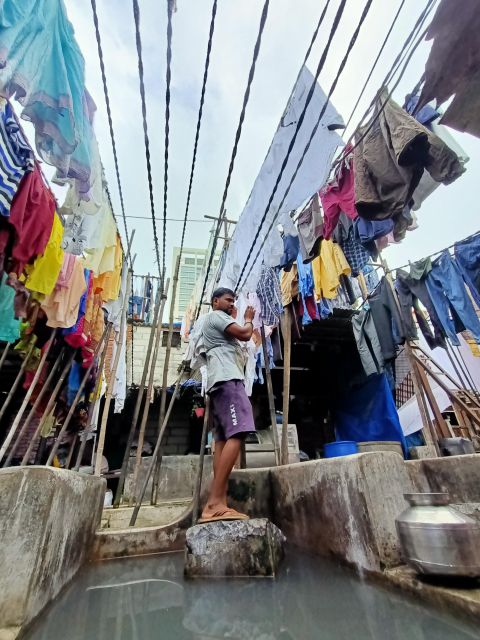
If you like street photography and colorful scenes, Dhobi Ghat is a strong match. Clotheslines can look like a rainbow grid, and you can often frame porters with stacked laundry, cycles, and handcarts moving in and out.
But you need to plan around one clear rule: no photography inside. That means you shouldn’t assume you can shoot close-up action in every working corner.
So here’s the practical approach:
- Focus your camera on the outdoor clotheslines and the permitted viewpoints.
- If you see signs or staff indicating restrictions, treat it as a firm boundary.
- Expect the best color and composition from the drying rows rather than tight indoor angles.
The good news is that the tour’s most scenic moments are naturally outdoors anyway—especially the sorting-to-drying-to-ironing sequence visible from the main areas.
Timing and meeting point: how to not feel rushed
The experience is designed to be a quick walk, and that means timing matters.
The best time to start is morning at 8:00 am. If you’re going for photos, clarity, and comfortable temperatures, morning usually gives you better light and a lively but manageable pace.
Your guide meets you at the view point of Dhobi Ghat, and the tour ends back at that same meeting point. The meeting area is at the Dhobi Ghat Entrance, 26-40, Anandilal P Marg, Dhobi Ghat, Shanti Nagar, Mahalaxmi, Mumbai, Maharashtra 400020.
Because the tour is about 30 minutes, don’t plan to linger on your first pass. Let the guide point out the workflow, then you can take in the details at your own speed where allowed.
Also, a quick heads-up: even when the visit is listed as around 30 minutes, it can feel very short in practice. If your goal is the full sequence of washing, drying, and ironing, build in flexibility and come mentally prepared for a fast, focused walk-through.
Price and value: is $11 a fair deal here?
At $11 per person, this tour sits in the budget-friendly category for Mumbai.
What makes the price feel fair is what’s included: entry tickets, an English speaking guide, and tea. For many cultural sights, paying for entry and a guide separately would cost more than $11. Here, you get the basic ticketing handled and a human translator for the workflow.
The other value factor is the “seen-from-the-inside” quality. You’re not just looking at laundry lines from outside. You’re being guided through what each stage means—sorting, beating stains, drying, ironing, and even the hospital laundry separation.
So if you like practical culture and you enjoy understanding how everyday systems work, this price makes sense. It’s not an all-day experience, but it’s not trying to be. It’s a concentrated taste of Mumbai’s working life.
What to wear and how to mentally prepare

You’ll be outdoors in a working environment. That means you should plan for sun, heat, and a lot of movement around you.
Wear comfortable shoes for walking. Go with a mindset of observation, not comfort fantasies. This isn’t a quiet garden. It’s a workplace where clothes are processed continuously.
If you’re sensitive to strong scents, know that the area can smell strongly of washing chemicals and soda. That’s not a flaw—it’s the reality of what you came to see.
And if you’re thinking about etiquette: keep out of people’s way, follow your guide’s directions, and respect the photography restrictions. When you do that, the whole experience feels more respectful and more rewarding.
Who should book this Dhobi Ghat tour
This is a great match if:
- You like real-life local scenes rather than polished tourist sets
- You’re curious about how labor-intensive work runs on schedule
- You enjoy photography of clotheslines and colorful drying rows (within the rules)
- You want a short morning activity that teaches something concrete
It may not fit as well if:
- You need long, slow sightseeing time (the walk is about 30 minutes)
- You’re hoping for unrestricted interior photography
- You’re expecting a quiet, comfortable museum-style visit
If you’re doing Mumbai in a tight schedule, this is also one of those stops that adds texture quickly. It doesn’t replace major landmarks, but it makes your day feel more “lived in.”
Should you book the Dhobi Ghat tour?
I’d book it if you want an affordable, guided look at how Mumbai’s daily life actually functions. At $11 with entry tickets, an English guide, and tea, you’re paying for context as much as for access. The best versions of this experience often come from guides who can explain the workflow clearly—people like Havat or Hardik Tank have a way of turning a short walk into something memorable.
Skip it if photography inside is a must, or if you need a longer, unhurried tour. In that case, you might prefer sightseeing options where you can roam more freely and stay longer.
FAQ
FAQ
How much does the Dhobi Ghat tour cost?
The price is listed as $11 per person.
How long is the tour?
The tour duration is approximately 30 minutes on foot.
Where does the tour meet?
Your guide meets you at the view point of Dhobi Ghat. The entrance area is listed at Dhobi Ghat Entrance, 26-40, Anandilal P Marg, Dhobi Ghat, Shanti Nagar, Mahalaxmi, Mumbai, Maharashtra 400020.
What language is the guide?
The tour includes an English speaking guide.
What’s included in the ticket?
Entry tickets, an English speaking guide, and tea are included.
Is photography allowed?
Photography inside is not allowed.
What’s the best time to start?
Morning 8:00 am is listed as the best time to start.
What is the cancellation policy?
Cancel up to 24 hours in advance for a full refund.
Is there a reserve & pay later option?
Yes. You can reserve & pay later, keeping your plans flexible by booking your spot and paying nothing today.