REVIEW · MUMBAI
Mumbai: Dharavi Slum Guided Walking Tour by 1st Female Guide
Book on GetYourGuide →Operated by Magical Mumbai Tours · Bookable on GetYourGuide
Dharavi stops you in your tracks. This guided walking tour puts a local female guide at the front, and you spend real time with the commercial side of Dharavi before moving into residential life. The experience also carries a practical purpose: your visit helps support the guide’s education while you learn what the neighborhood looks like from the inside.
What I like most is how direct the tour feels. You move through working areas tied to plastic and paper recycling, leather production, clothing manufacturing, and more, then you get a human-scale view of daily life nearby. One possible drawback: you should expect tight lanes and a location that can feel emotionally heavy, so it’s not a casual stroll—and it’s not suitable for wheelchair users or people over 95.
If you’re curious, the lunch part is a bonus. You can enjoy a simple, hygienic vegetarian meal at a local home and ask questions in a way that feels respectful, not intrusive.
In This Review
- Key things I’d pay attention to
- Dharavi with a local female guide: what the tour actually feels like
- The purpose behind the $6 price
- Getting there smoothly: meeting point, pickup, and time on the ground
- Stop 1: Dhobi Ghat—why this first view matters
- The drawback to know
- Stop 2: The commercial side—recycling, leather, clothing, and work you can see
- What to watch for while walking
- Stop 3: Residential Dharavi—daily life and the oldest pottery/clay craft community
- Why this part feels more personal
- The lunch option: simple, hygienic vegetarian meal at a local home
- How to handle lunch conversations
- Guides and communication: English explanations that stay grounded
- Practical logistics: what to bring, what to wear, and what to avoid
- Skip-the-line access: what separate entrance means for your day
- Who this tour is for (and who should choose something else)
- Value check: is it worth $6?
- Tips to get the best experience without getting in the way
- Should you book this Dharavi guided walking tour?
- FAQ
- How long is the Dharavi walking tour?
- Is the guide a local female guide?
- What areas will I see during the tour?
- Will I see specific industries or just general areas?
- Is lunch included?
- Is pickup available from my hotel?
- What language is the tour guide?
- Are there any rules about clothing or behavior?
- Is this tour wheelchair accessible?
- What is the cancellation policy?
Key things I’d pay attention to
- 1st female-guide format with a university student perspective that helps you ask better questions
- Commercial workshops first, covering recycling, leather, and garment work
- Residential streets second, including an older community known for earthen pots and clay items
- A visit to Dhobi Ghat and a short transfer that breaks up the walk
- Vegetarian lunch at a local home if you want a deeper, calmer conversation
Dharavi with a local female guide: what the tour actually feels like
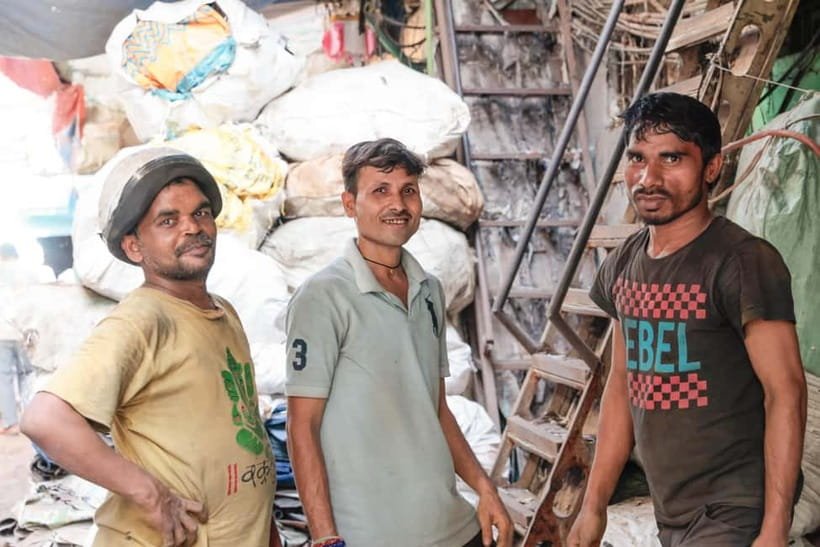
Dharavi has a reputation that travels faster than the facts. This tour is designed to slow things down. You follow a local guide—described as a university student from the area—who can translate what you’re seeing without turning the neighborhood into a “show.”
That change in tone matters. When the person guiding you lives nearby, you get context that isn’t just about buildings or industries. You also get a sense of how people manage work, community needs, and privacy at the same time. Guides like Sneha, Anu, and Pooja are mentioned in past participants’ notes as being especially careful with English explanations and respectful pacing.
This is also a walking tour with a strong “look closely” element. You’ll be in narrow lanes and working zones where you’ll want to keep your voice steady, follow the guide’s lead, and keep your camera ready but not pushy.
You can also read our reviews of more walking tours in Mumbai



The purpose behind the $6 price
At about $6 per person, it’s easy to wonder how much can be included. The answer is: a lot of value comes from direct local support rather than luxury extras. You get a 2-hour walking tour, a local female guide, bottled water, visits to both commercial and residential areas, and an option for vegetarian lunch at a local home.
The bigger value is the education support tied to the guide. Even if you’re simply a curious visitor, you’re participating in something concrete: the tour model helps fund local schooling, and it also gives the guide a platform to share what’s often misunderstood.
Getting there smoothly: meeting point, pickup, and time on the ground
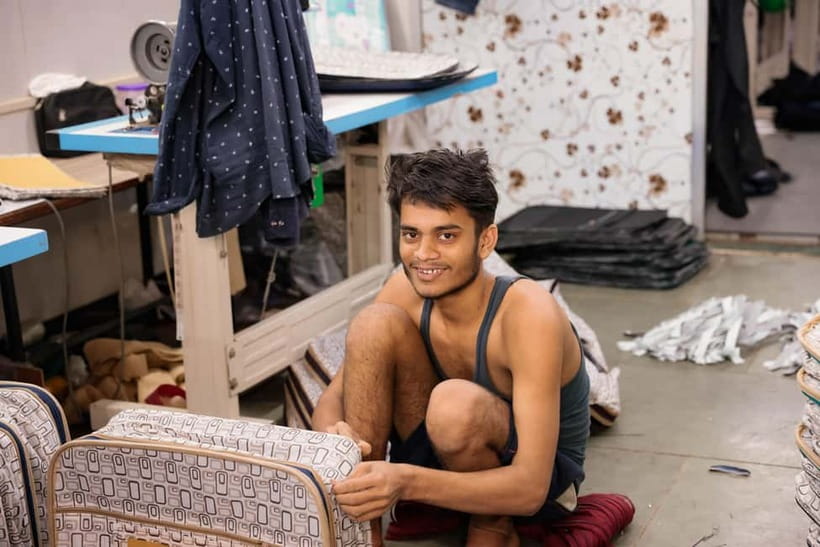
The tour runs about 2 to 4 hours, depending on whether you add the home lunch and which option you pick. If you’re doing the standard version, you’ll meet at a meeting point that varies by booking. If you want less hassle, there’s an optional hotel pickup and drop-off in an air-conditioned car.
A practical tip: if you choose pickup, keep your hotel name and exact pickup point handy. The plan includes a driver who should be waiting at your pickup location, but meeting logistics can always be tricky in a big city.
Once the tour starts, the schedule is simple:
- a stop at Dhobi Ghat
- about a 30-minute transfer
- then 2 hours of guided time in Dharavi
- lunch afterward if you choose it
- return to two drop-off points tied to the tour operator area
The timing is built for walking without turning the day into a marathon.
Stop 1: Dhobi Ghat—why this first view matters
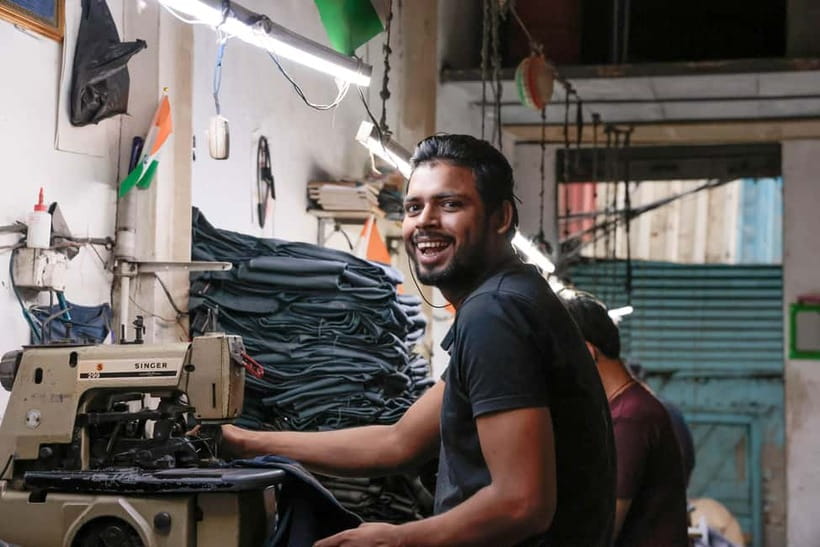
Your itinerary includes a visit to Dhobi Ghat before the Dharavi walking portion. Even though the plan doesn’t give a long breakdown of what you’ll see there, the order is smart.
You get one “Mumbai layer” before entering Dharavi’s micro-economy. Dhobi Ghat also helps set expectations: you’re looking at how the city’s daily life functions—labor, movement, and routine—before you focus on one neighborhood’s industries and homes.
The drawback to know
If your goal is to jump straight into Dharavi’s workshops, you might find the Dhobi Ghat stop a small detour. That said, it makes the overall day feel less like a single-topic lecture and more like a real city route.
You can also read our reviews of more guided tours in Mumbai






Stop 2: The commercial side—recycling, leather, clothing, and work you can see
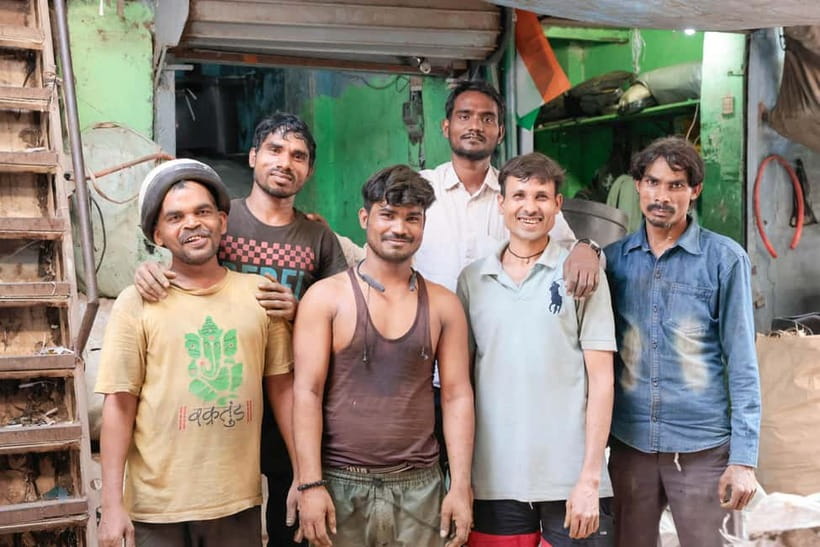
After Dhobi Ghat, there’s a short transfer and then the main 2-hour guided walk starts. This is where the tour earns its reputation for being “not what you expected.”
You’ll spend time in areas linked to:
- plastic and paper recycling
- leather production
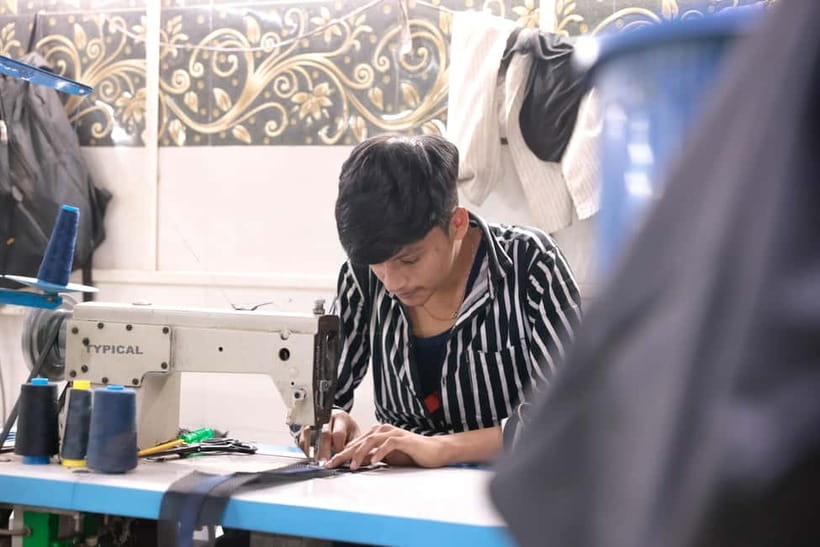
- clothing manufacturing
- and more local industry activity
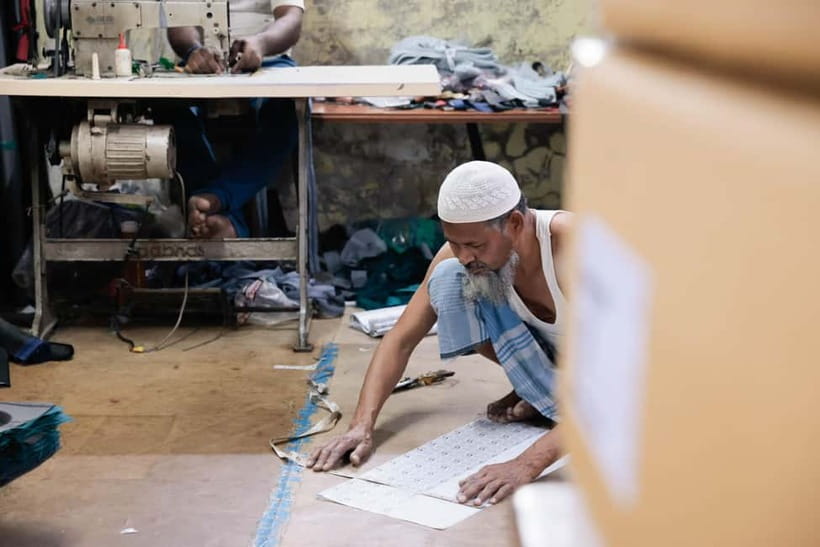
The value here isn’t just seeing products. It’s seeing a working system. When you watch how materials are handled and how production connects to small spaces, Dharavi stops being an abstract label and becomes an economic network.
You’ll also learn the daily rhythm around work. The guide’s job is to connect what you’re seeing to how people live next to their labor. That’s where stereotypes usually break down. Dharavi isn’t only about survival; it also involves jobs, entrepreneurship, and practical problem-solving—often in very small footprints.
What to watch for while walking
Commercial zones can mean:
- active foot traffic
- workers focused on tasks
- narrow spots where the group must slow down
So keep your pace respectful. If your guide asks you to pause in certain areas, do it. Your comfort matters, but so does not disrupting work.
Stop 3: Residential Dharavi—daily life and the oldest pottery/clay craft community
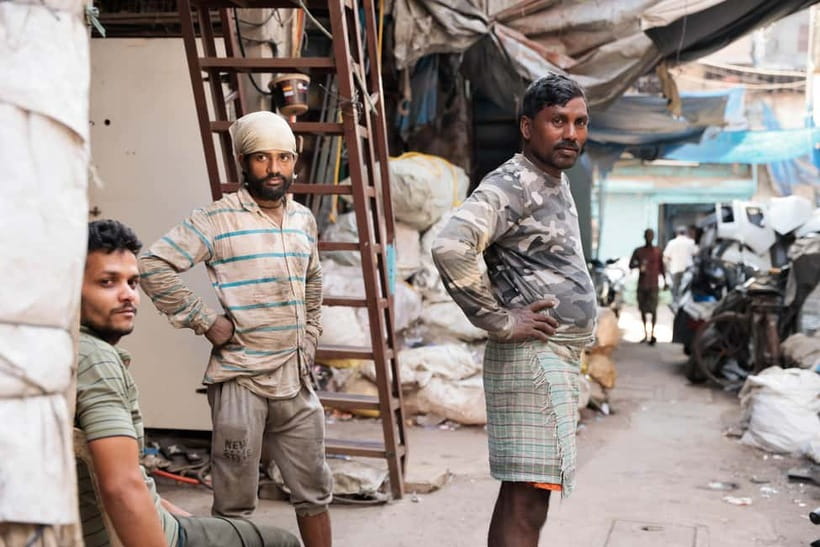
After the commercial portion, the tour shifts into residential areas. This is a key moment because it changes what “Dharavi” means in your head.
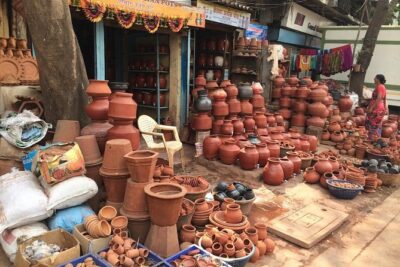
You’re not just viewing production anymore—you’re seeing where people sleep, cook, share space, and build community. The tour highlights an older section tied to making earthen pots and clay items, described as the oldest known community for that craft.
That pottery detail is more than trivia. It helps you understand that Dharavi isn’t one story. It’s multiple generations and multiple skills, side by side. Newer industries exist, but older crafts still shape identity and local knowledge.
Why this part feels more personal
In residential areas, questions tend to get deeper and less surface-level. It’s also where the guide’s sensitivity matters. When the guide is from the neighborhood and studying locally, you get an explanation style that’s careful with privacy and respectful boundaries—exactly what you want when you’re walking into someone’s neighborhood.
The lunch option: simple, hygienic vegetarian meal at a local home
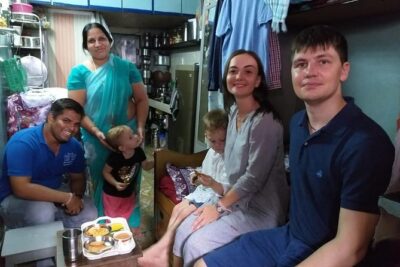
If you choose lunch, you’ll eat at a local home. The tour describes it as a simple, hygienic vegetarian lunch, with time to interact with the family.
This is often the part people remember—not because it’s fancy, but because it’s normal. You get to talk with people in a familiar home setting rather than treating Dharavi like an outdoor museum. And vegetarian food makes the meal easier to accommodate for many diets.
How to handle lunch conversations
Ask questions that invite stories instead of judgments:
- how families manage work and home life
- what daily routine looks like
- what visitors tend to misunderstand
Keep it respectful. The tour comes with clear rules about being respectful of the community, and that spirit continues at the table.
Guides and communication: English explanations that stay grounded
The tour provides a live tour guide in English. That’s important here because Dharavi’s details aren’t just visual—they’re about systems, trade-offs, and daily decisions.
Past participants highlighted guides such as Sneha, Anu, and Pooja for clear explanations and strong English. That doesn’t mean the tour is overly academic. It usually means you can ask questions and get answers without the meeting feeling like a checklist.
Also, you’ll likely get better results if you come with a few topics in mind, like:
- how recycling and manufacturing fit together
- what drives entrepreneurship locally
- how community ties work across residential areas
Practical logistics: what to bring, what to wear, and what to avoid
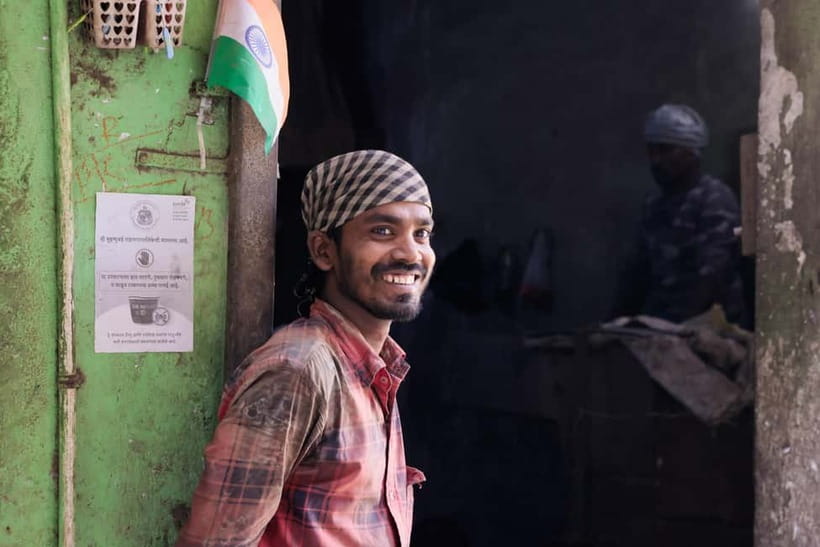
This is a walking tour, so plan like you’re walking through real neighborhoods, not just sightseeing.
Bring:
- comfortable shoes
- camera (photos are part of the experience)
Avoid:
- smoking (not allowed)
- see-through clothing (not allowed)
You’ll also want to dress for movement and heat. Comfortable layers are usually smarter than fancy outfits. And if you’re nervous about photography, follow your guide’s cues—especially in residential spots.
Skip-the-line access: what separate entrance means for your day
The tour includes “skip the line through a separate entrance.” You don’t need to overthink it. The practical benefit is that you avoid extra waiting that can shrink your time in the neighborhood.
That matters because Dharavi walking tours are time-sensitive. When your main window is about two hours, minutes gained from smoother entry can help you finish the route with your head still clear, not rushed.
Who this tour is for (and who should choose something else)
This tour makes the most sense if you want:
- an on-foot view of Dharavi’s commercial and residential sides
- a guide who can explain what you’re seeing without sensationalism
- a real conversation through a simple home lunch option
- a chance to challenge stereotypes by learning how the place works
It may feel too intense if you want a purely scenic itinerary, or if you get uncomfortable in tightly packed areas and working zones.
It’s also not suitable for:
- wheelchair users
- people over 95
Value check: is it worth $6?
At $6 per person, you’re paying for:
- a full 2-hour walking tour
- a local female guide
- bottled water
- visits to both commercial and residential areas
- optional lunch at a local home
- direct educational support for the guide
In a city where even short tours can cost much more, this is one of those rare deals where the price isn’t the point—impact and access are. You’re also buying something intangible: a better mental map of Mumbai that doesn’t rely on headlines.
If you’re traveling on a budget, this stands out as one of the lowest-cost ways to get a guided view that’s more thoughtful than a quick photo stop.
Tips to get the best experience without getting in the way
Here are the small choices that make a big difference on a walk like this:
- Wear comfortable walking shoes. You’ll want stable footing in narrow lanes.
- Bring a camera, but ask yourself before every shot: does this help tell the story respectfully, or does it disrupt someone’s work?
- Keep your questions simple and genuine. If you ask about daily life, community, and work routines, the guide can connect details more easily.
- Be mindful of clothing rules. See-through clothing is not allowed, and dressing modestly helps the day feel smoother for everyone.
- Be ready to walk at a real pace. This is not a drive-by.
Should you book this Dharavi guided walking tour?
If you want to understand Dharavi beyond stereotypes, I think you should book this. The combination of a local female guide, time in commercial workshops, a residential portion that includes the earthen pot/clay tradition, plus an optional vegetarian home lunch is a strong mix for learning.
Skip it if you need a low-contact, fully comfortable sightseeing day, or if you’re not up for walking through active working areas. Also, if mobility constraints apply, this isn’t the tour for you.
If you do book, go with respect and curiosity. You’ll get more than photos—you’ll leave with a cleaner understanding of how people build livelihoods in a city that rarely slows down.
FAQ
How long is the Dharavi walking tour?
The duration is listed as 2 to 4 hours, with a 2-hour guided walking tour inside Dharavi. Lunch can add extra time depending on the option you choose.
Is the guide a local female guide?
Yes. The tour is guided by a local female guide, described as also a university student from the slum.
What areas will I see during the tour?
You’ll visit both commercial and residential areas in Dharavi. The tour also includes a stop at Dhobi Ghat and a 30-minute transfer as part of the schedule.
Will I see specific industries or just general areas?
You can expect to see areas tied to plastic and paper recycling, leather production, clothing manufacturing, and other local work.
Is lunch included?
Lunch is optional. You can choose a simple, hygienic vegetarian lunch at a local home.
Is pickup available from my hotel?
Pickup is optional. You may arrange hotel pickup and drop-off in an air-conditioned car for an extra cost.
What language is the tour guide?
The live tour guide speaks English.
Are there any rules about clothing or behavior?
Smoking is not allowed, and see-through clothing is not allowed. You should also be respectful of the local community.
Is this tour wheelchair accessible?
No. It is not suitable for wheelchair users.
What is the cancellation policy?
There is free cancellation up to 24 hours in advance for a full refund.