REVIEW · MUMBAI
Magical Markets Tour in Mumbai with a local
Book on Viator →Operated by Yo Tours · Bookable on Viator
The markets of Mumbai are sensory overload—in a good way. This guided route is built for quick, high-impact wandering through famous bazaars, so you can taste the city’s everyday trade without getting lost in the maze. I like that you get shopping guidance for the stalls (not just photos), and you also get specific cultural stops like Mumba Devi Temple so it feels more than retail therapy.
Two things I especially appreciate are the presence of a skilled local guide (Nasir is mentioned in a standout review for being an incredible resource) and the practical “how to shop here” mindset. You’ll also see a smart mix: fruits and spices, textiles, jewelry, and the quirky antique/flower lanes that Mumbai does so well.
One consideration: markets move fast and crowds are part of the deal. If you don’t like close-quarters walking or negotiating with sellers, you may find the pace a bit intense for a 2-hour loop.
In This Review
- Key highlights to look for (before you book)
- What This 2-Hour Mumbai Markets Tour Really Feels Like
- How the Route Is Built: Markets, Temples, and Real Shopping Lanes
- Stop 1: Shree Swaminarayan Mandir (Vadtal Gadi) and Bhuleshwar Beginnings
- Bhuleshwar Market Lanes: Fruits, Spices, Pooja Items, and Everyday Goods
- Mumba Devi Temple: A City Name With a Living Connection
- Zaveri Bazaar Jewelry: Gold Glint, Big Names, and How to Browse Without Panic
- Kalbadevi Streets, Chor Bazaar, and the Flower Alley Side Streets
- Mangaldas Market Since 1893: Silk, Tailors, and Textile Shopping That Feels Hands-On
- Crawford Market (Opened 1871): Classic South Mumbai Market Flavor and Food Finds
- The Guide Factor: Friendly Storytelling and Better Browsing
- Price and Value: Is $12.44 for Mumbai Markets a Smart Deal?
- What to Wear and Bring for Mumbai Weather (Without Overthinking It)
- Who This Tour Fits Best
- Should You Book This Mumbai Markets Tour?
- FAQ
- How long is the Magical Markets Tour in Mumbai?
- Where does the tour start?
- Can I choose a morning or evening time?
- What should I bring for weather?
- Is this tour suitable for most people?
- What is the cancellation policy?
Key highlights to look for (before you book)
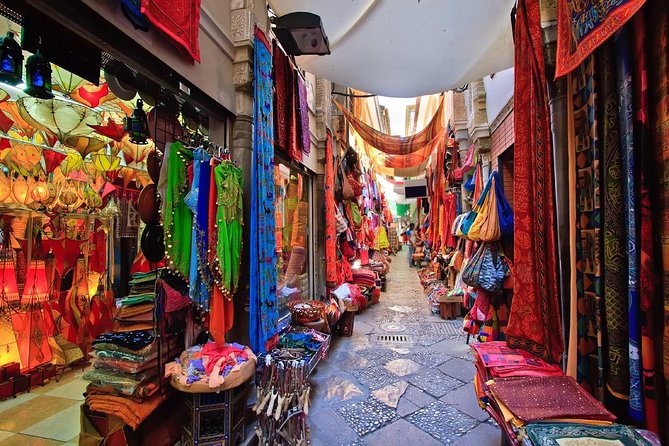
- Shopping tips from your guide so you know what to ask for and how to browse
- Small group size (max 15) for less confusion and more time at each stop
- A mix of markets, from Bhuleshwar lanes to Zaveri Bazaar jewelry to Mangaldas silk
- Temple stop at Mumba Devi so the tour has cultural context
- Two tour times (morning or evening) so you can match your day
- Crawford Market for classic street-market energy plus items like imported cheese and chocolate
What This 2-Hour Mumbai Markets Tour Really Feels Like
This isn’t a slow museum-style tour. It’s a tight, local-market sprint. In about 2 hours, you’ll walk through several well-known areas and get a guide who helps you read what you’re seeing: which stalls sell what, how the lanes work, and what to pay attention to while you browse.
The value is strongest if you want three things at once:
1) street shopping in recognizable neighborhoods,
2) a little structure so you don’t end up skipping the best bits,
3) context for the names and traditions behind the places.
At $12.44 per person, the price is low enough that you can treat this as an easy add-on day-plan rather than a big commitment. And the fact it includes a trained storyteller (and guided conversation around art and craft) matters—because a market without guidance often becomes just shopping chaos.
Group travel also helps. With a maximum of 15 travelers, the tour stays small enough for the guide to keep an eye on the flow and answer questions, especially if you want to ask about textiles, jewelry, spices, or religious items.
You can also read our reviews of more tours and experiences in Mumbai.



How the Route Is Built: Markets, Temples, and Real Shopping Lanes
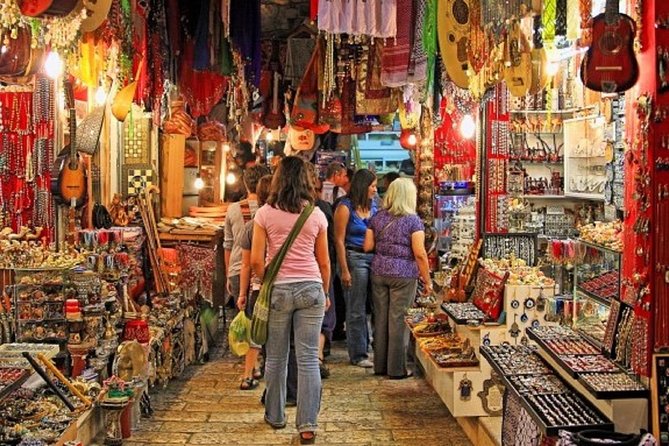
The tour is designed around a simple formula: walk through the markets first, then connect the dots with cultural context. You’ll start at Shree Swaminarayan Mandir (Vadtal Gadi) near Charni Road East in Bhuleshwar, then move through major shopping zones.
Even if you only buy one small item, you’ll still get value from the guided browsing. A local guide can help you notice details you might otherwise miss—like how certain areas specialize (silk versus jewelry versus religious pooja items) and why those specialties attract different shoppers.
Here’s what makes the mix work for a short visit to Mumbai:
- You get bread-and-butter street markets (fruits, vegetables, spices, everyday household goods).
- You get specialty shopping (textiles and silk at Mangaldas, jewelry at Zaveri Bazaar).
- You get quirky side streets (antique and furniture browsing at Chor Bazaar, flower alley vibes).
- You get a temple connection through Mumba Devi, tying the city’s name to its goddess roots.
Stop 1: Shree Swaminarayan Mandir (Vadtal Gadi) and Bhuleshwar Beginnings
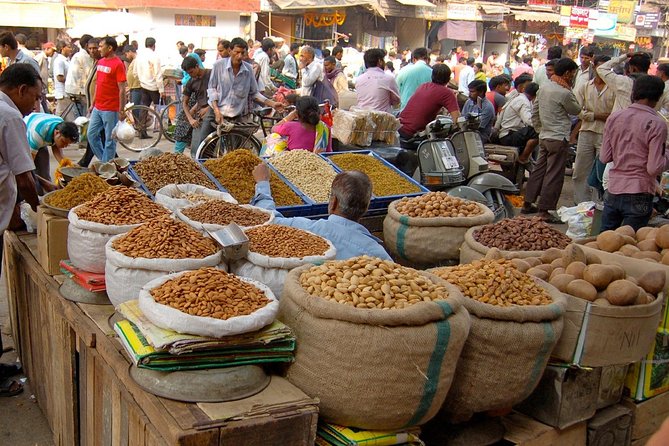
Starting at Shri Swaminarayan Mandir gives the tour a calmer entry point before you hit the lanes. Even if you’re not religious, it helps you shift gears—from travel mode to local rhythm.
From there, Bhuleshwar sets the tone. The area is known for narrow lanes and compact stalls. One of the best parts of tours like this is the immediate contrast: you step out of a structured place of worship and into trading streets where everything moves differently. This is where you’ll start to see the breadth of items sold in Mumbai’s market culture: fruits and vegetables, spices, fabric accessories, religious pooja things, rose petals, and all sorts of home items.
What to watch for: the way sellers arrange goods to catch quick attention in tight spaces. If you slow down with your guide, you’ll often learn the practical logic behind the layout.
Possible drawback here: if you arrive in the wrong weather window, Bhuleshwar lanes can feel tight and warm. Wear breathable clothing and follow the guide’s lead on when to pause and where to walk.
Bhuleshwar Market Lanes: Fruits, Spices, Pooja Items, and Everyday Goods
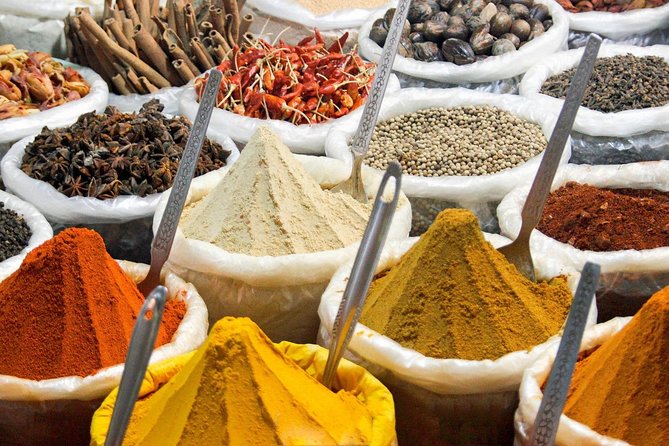
This is the “get your bearings fast” segment of the tour. You’ll stroll through the Bhuleshwar Market area with its dingy lanes and dense stall clusters. The standout thing here is variety. You’re not stuck in one product category. One lane might lean toward religious items and rose petals; another might feel like a spice corridor; another could be full of fabrics and accessories.
For shoppers, the guide’s advice is the real perk. Shopping tips can help you compare options faster and avoid getting swept into the first offer you hear. That matters most when you’re trying to buy small gifts like textiles or items for a home altar, where product quality can vary.
What I think you’ll love: the ability to sample a market’s “language” quickly. Instead of guessing what to look for, you get pointed toward what’s typical for each micro-area.
What to consider: these lanes can be visually noisy. If you’re shopping with a strict budget, decide that budget before you start wandering, then use your guide to help you find the best match.
Mumba Devi Temple: A City Name With a Living Connection
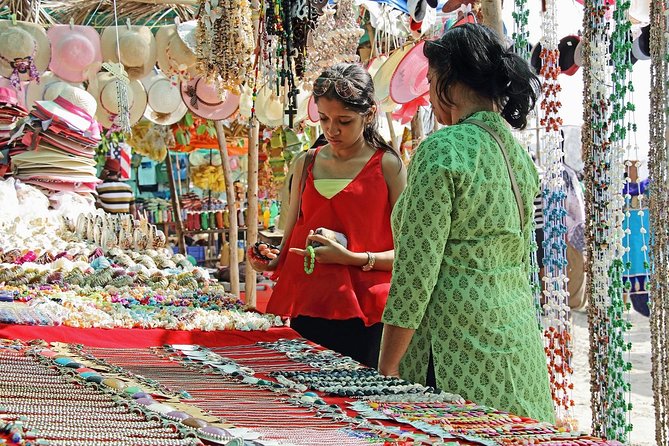
The tour includes Mumba Devi Temple, which is tied directly to the city’s name. This stop gives your shopping tour a backbone: it connects the market world to religion, tradition, and local identity.
You don’t need a deep background to get value here. A guided explanation helps you understand why certain market items show up in such volume around the temple orbit—things like flowers and pooja supplies. Even if you only glance at the offering practice, it makes the surrounding shopping streets feel less random.
Practical tip: dress for the weather, as the tour notes. If you’re visiting during cooler months, you may want a light layer. During warmer months, plan for sweat-friendly clothing.




Zaveri Bazaar Jewelry: Gold Glint, Big Names, and How to Browse Without Panic
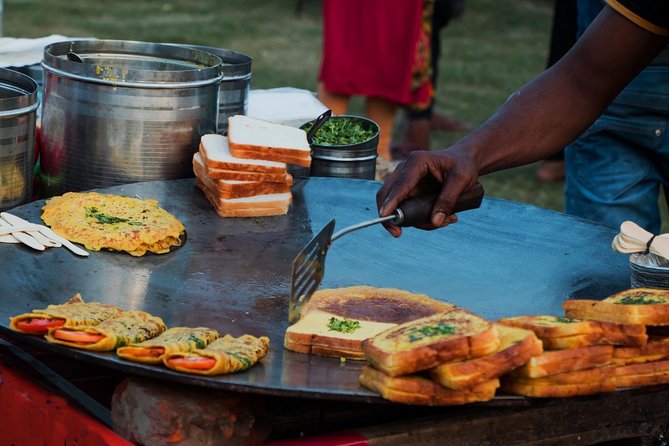
Next up is Zaveri Bazaar, described as Mumbai’s largest jewelry market. This is the segment for sparkly attention: ornate pieces, gold and gemstone displays, and the kind of high-visibility selling that can make first-timers feel overwhelmed.
If you’ve ever entered a jewelry shop and felt like you were suddenly on a stage, you’ll appreciate having a local guide. You’re not just staring at displays—you’re learning how to browse calmly and ask the right questions without feeling lost.
Why this stop is worth it: it shows another side of market culture. Jewelry in Mumbai isn’t only about shopping; it’s also about craftsmanship and display traditions. Your guide’s “how to shop” coaching helps you separate presentation from what’s actually useful to you.
Consideration: jewelry markets tend to attract the most intense sales energy. If you’re not interested in buying, go with a mindset of observation, not pressure-buying. Your guide can help you navigate the pace.
Kalbadevi Streets, Chor Bazaar, and the Flower Alley Side Streets
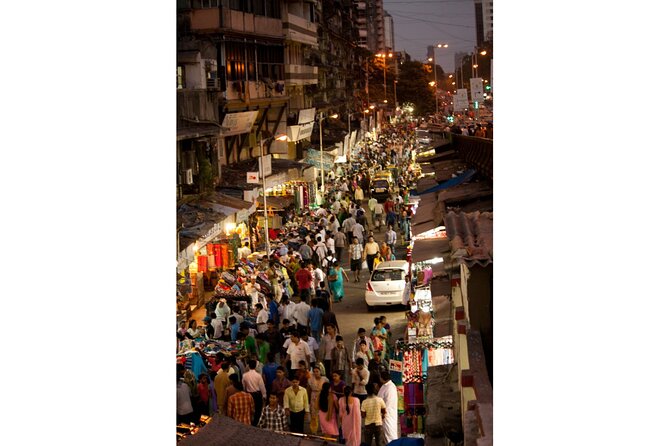
The tour then moves through Kalbadevi’s streets and alleys, where you’ll find two very different vibes within the same general area: Chor Bazaar and the flower alley.
Chor Bazaar is known for antiques and furniture. This is the “slow down and look closely” segment. Instead of shopping for standard items, you’ll notice the appeal of older pieces and odd finds—things that feel more personality-driven than brand-driven.
Then there’s the flower alley feel—an atmosphere where you see how central flowers are to Mumbai’s daily and religious rhythm. Even if you don’t plan to buy, it helps you understand why markets stock specific items in large volumes around religious calendars and household needs.
What to love: this portion breaks up the tour so you’re not stuck only with spices or only with textiles. It adds character.
What to consider: antiques and secondhand browsing can be time-consuming. The tour is only about 2 hours, so if you truly love this kind of hunting, keep your priorities realistic.
Mangaldas Market Since 1893: Silk, Tailors, and Textile Shopping That Feels Hands-On
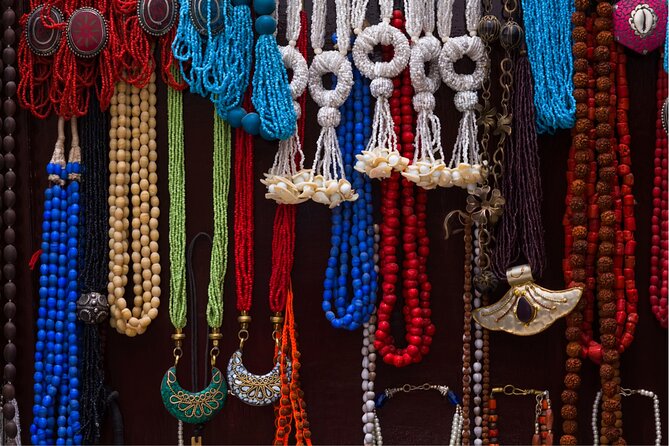
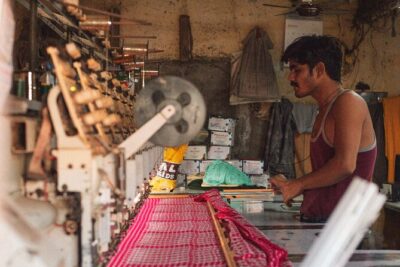
One of the most memorable stops is Mangaldas Market, known for silk and textiles and traced back to 1893. This area has tailors, plus designer boutiques crafting clothing from the best fabrics.
For clothes shopping, Mangaldas makes sense because you’re not only seeing finished products. You’re seeing the workflow and the idea behind custom or semi-custom tailoring—how fabric choices become garments. If you enjoy understanding how things are made, this is where the guided conversation around art and craft work becomes especially useful.
Why it matters for you: even if you don’t buy clothing, you learn how textile quality is discussed and how shops pitch fabric and tailoring. That knowledge changes how you shop later, even outside Mumbai.
Practical consideration: textiles are heavy on details. If you get tired quickly, take a few short pauses and let the guide lead you to the most relevant stalls first.
Crawford Market (Opened 1871): Classic South Mumbai Market Flavor and Food Finds
The tour also includes Crawford Market, opened in 1871, and one of South Mumbai’s famous markets. Here, the focus shifts toward fruits and vegetables, along with food treats like imported cheese and handcrafted chocolate.
This stop is great for travelers who want market wandering plus a chance to find edible souvenirs. It’s also a good reset from jewelry and textiles. Instead of judging sparkle or fabric, you can browse with your senses—colors, produce variety, and packaged treats.
What I think you’ll like: seeing how a famous market can still feel practical and everyday. It’s not just sightseeing; it’s shopping for meals and pantry supplies.
Consideration: if your day is already full, you might want to bring space for small food items, but don’t overpack fragile buys.
The Guide Factor: Friendly Storytelling and Better Browsing
A standout aspect is that this tour is guided by a friendly storyteller trained by Yo Tours. The key is not just facts—it’s conversation. The experience includes a chance to learn about art and craft work, and that adds depth when you’re seeing crafts like textiles and religious items.
In a top review, the guide Nasir is singled out as an incredible resource. That lines up with what you want on this kind of trip: someone who can answer questions on the spot and help you understand what you’re looking at rather than leaving you to figure it out alone.
If you want an easy win: ask questions early—what to look for, what’s worth spending on, and what’s best for gifts. You’ll get more value the faster you learn the market logic.
Price and Value: Is $12.44 for Mumbai Markets a Smart Deal?
Let’s talk value in plain terms.
You’re paying $12.44 per person for a tour that lasts about 2 hours, takes you through multiple major shopping districts, and includes a guide for context and shopping tips. In a city where guided experiences can spike in price, this is positioned as an accessible way to get a lot of different market environments in one go.
You also get:
- group discounts (so the per-person value can improve depending on group formation),
- a mobile ticket, and
- a small group size (max 15) that makes the walk feel controlled instead of chaotic.
This tour is most worth it if you:
- want a curated route so you don’t miss the best-known clusters,
- like shopping but don’t want to guess what to prioritize,
- want a cultural anchor with the temple stop.
If you’re only looking for one product category (say, only jewelry) and you already know exactly where to go, you might do it on your own. But most first-timers benefit from the structure, especially for the “how to shop” part.
What to Wear and Bring for Mumbai Weather (Without Overthinking It)
The tour specifically reminds you to dress according to the weather. That’s smart here, because market walking is not a sit-and-stare experience.
The experience also notes you should consider:
- an umbrella in case of rainy season or summer weather (not included),
- a scarf/jacket if you feel cold between October to March (not included).
My practical advice: pack light layers you can remove. You’ll likely do plenty of short, repeated stops while browsing.
Who This Tour Fits Best
This tour is a good match for:
- first-time visitors who want a market snapshot in a short window,
- shoppers who want guidance rather than a random walk,
- travelers who enjoy learning about crafts, fabrics, and religious shopping essentials,
- anyone visiting with limited time in Mumbai but wanting recognizable stops.
It’s also fine for people who aren’t shopping much—because you still get the sights, the names, and the temple connection. But if you hate crowds, negotiate heavily, or dislike walking through dense lanes, you’ll need to mentally prepare for that reality.
Should You Book This Mumbai Markets Tour?
Yes, I think you should book it if you want a compact, guided way to hit Mumbai’s market highlights without spending half a day figuring out where to go. The combination of shopping tips, a trained guide, and a cultural stop at Mumba Devi Temple makes it more than a basic bazaar walk.
I’d skip it only if you’re in a “no crowds, no shopping” mood or you’re looking for a deeper, slower cultural itinerary. For a quick taste—spices, textiles, jewelry, antiques, flowers, and classic market food—that’s what this tour is built to deliver.
FAQ
How long is the Magical Markets Tour in Mumbai?
It runs for about 2 hours.
Where does the tour start?
The meeting point is Shree Swaminarayan Mandir (Vadtal Gadi) at Kika St, Charni Road East, Jamli Mohalla, Panjarpole, Bhuleshwar, Mumbai, Maharashtra 400002.
Can I choose a morning or evening time?
Yes, you can choose between a morning and an evening tour time.
What should I bring for weather?
You should dress according to the weather. An umbrella is not included if you expect rain or summer weather, and a scarf/jacket is not included if you feel cold between October to March.
Is this tour suitable for most people?
The tour indicates that most travelers can participate.
What is the cancellation policy?
You can cancel for a full refund up to 24 hours before the experience starts. If you cancel less than 24 hours in advance, the amount paid isn’t refunded.