REVIEW · MUMBAI
Mumbai Dharavi Slum Tour With Local English Guide
Book on Viator →Operated by Cityscape Mumbai Tours · Bookable on Viator
Dharavi turns into real life fast. This private, local-led walking tour helps you see both the residential and commercial sides of one of Asia’s largest informal communities. You’ll get a ground-level explanation of how people live and earn income right in the middle of Mumbai.
I especially like the English-speaking resident guides and how they answer more than just tour facts. In real time, guides such as Rukaiyya and Abhishek have been praised for clear English and for going into everyday culture and practical city questions.
The main thing to consider is that Dharavi is a challenging setting. You should expect a close look at everyday poverty and work, not a polished sightseeing show.
In This Review
- Key things you will notice on this Dharavi slum tour
- Why a Dharavi walk is different with a local English guide
- The timing game: two hours sounds short, but it’s the point
- Stop: meeting the people of Dharavi and understanding daily life
- The residential side: where life happens close up
- The commercial side: work in small-scale industries
- Meeting point and how to actually start the tour smoothly
- Price and value: what $8.54 buys you in real terms
- How the guides’ style affects what you get out of the walk
- What to bring and how to prepare (so you feel comfortable)
- Is Dharavi the right choice for your Mumbai day?
- Should you book this Dharavi Slum Tour?
- FAQ
- How long is the Dharavi Slum tour?
- Is this tour private or group-based?
- Who leads the tour?
- What does the tour include?
- Is lunch included?
- Where do I meet the guide?
- Is pickup available?
- How big is the group?
- Is it near public transportation?
- What is the cancellation policy?
Key things you will notice on this Dharavi slum tour
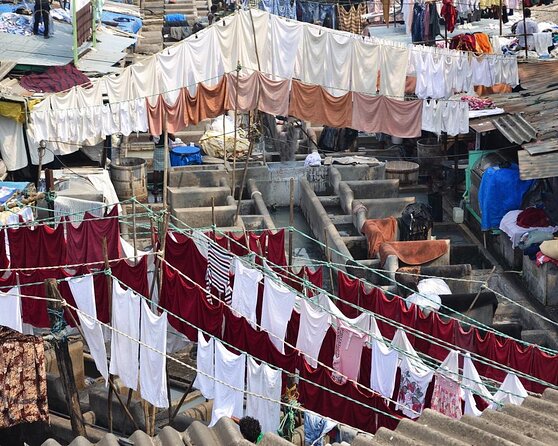
- Local resident English guides who know the area from firsthand experience
- Two hours on foot that cover both homes and small businesses
- Small group size (maximum 15 travelers), which makes Q&A easier
- Bottled water included, but lunch is not
- Pickup from select hotels plus a clear meeting point near public transportation
- A mobile ticket and confirmation at booking time
Why a Dharavi walk is different with a local English guide
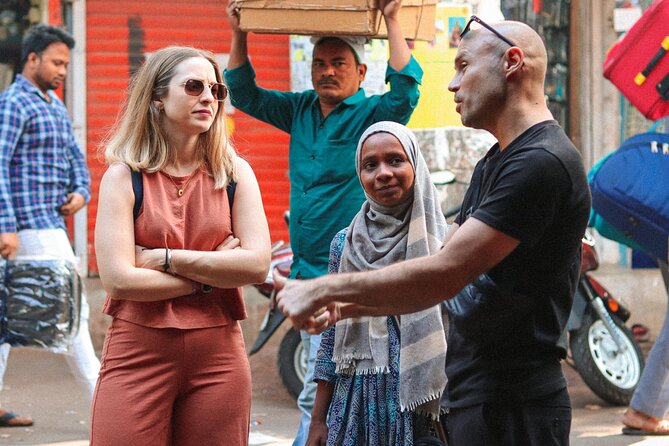
Dharavi is often talked about from far away. A guided walk brings it closer and makes it make sense, because you’re not just looking at buildings. You’re learning how a community functions: where people live, how they move through tight spaces, and how work happens in small-scale industries.
What makes this tour stand out is the local English guide angle. The guides are resident of the area, and that matters. In the way guides are described, they’re not recycling generic talking points. They can explain the logic of daily life because they’ve lived it, and they can translate that into clear English so you’re not stuck guessing.
You’ll also notice how the tour is framed. It’s not only about hardship. It’s about systems: housing, community life, and the economic activity that keeps people going. That balance is why the price feels reasonable. For about $8.54, you’re buying access to local interpretation for a set walking time, not just standing in a neighborhood for photos.
You can also read our reviews of more guided tours in Mumbai



The timing game: two hours sounds short, but it’s the point
This tour runs about 2 hours. That’s short enough that you can do it without rearranging your entire day in Mumbai, but long enough to get a feel for how the area is laid out and how daily life flows.
Here’s the practical reality: a slum walk isn’t the same as a museum visit. You’ll spend time walking, then stopping for explanations, then answering questions. The structure keeps it moving, but it doesn’t feel rushed in the way some quick tours do. With a maximum of 15 travelers, you’re more likely to get answers than just watch from the back.
If you’re planning other activities the same day, I’d treat this as your anchor experience. Do it when you can be attentive and comfortable with what you’re seeing, rather than trying to stack it between long transit hops.
Stop: meeting the people of Dharavi and understanding daily life
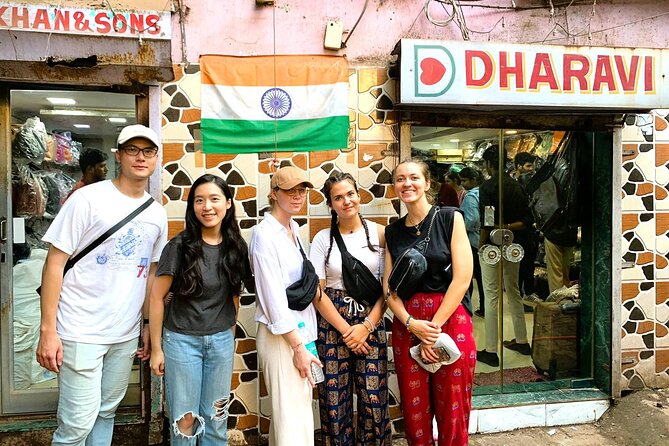
The tour’s heart is one main walking loop around Dharavi with the focus on meeting the people and learning about history and culture through what you can see.
Even with a single stop listed, you’ll get two big changes in scenery and focus:
The residential side: where life happens close up
On the residential side, you’re looking at everyday living. Think small spaces, practical routines, and the reality of how community works when many resources are shared. The guide’s job here is to help you look past the shock factor and understand what you’re seeing.
This is also where respectful behavior matters most. The best mindset is simple: you’re not there to judge. You’re there to learn from people who call this place home.
In the descriptions of guides, you’ll see a pattern: they stay attentive and keep explanations going as you move. That helps you ask better questions, too, rather than just scanning for the next landmark.
The commercial side: work in small-scale industries
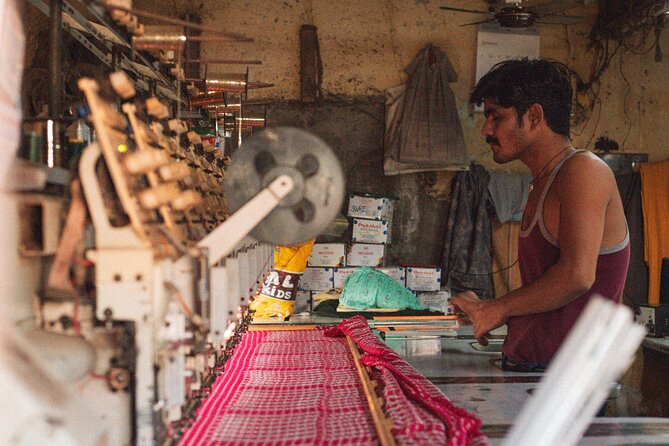
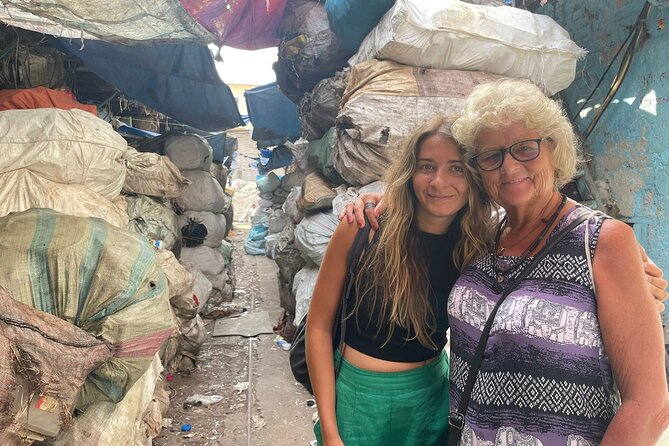
Then the tour shifts to the commercial side, where you can see how people earn a living through small-scale industries. One standout theme in the feedback is how visitors react to recycling and materials work. The area is often connected with reuse and production, and the walk is the kind of experience that can make that idea click in a tangible way.
This part of the tour is valuable because it changes the story. Dharavi isn’t just a place where hardship exists. It’s also a place where people build income and keep systems going. Seeing that in person helps you understand how the economy of an informal settlement can be complex and organized, even when living conditions are tough.



Meeting point and how to actually start the tour smoothly
Start point is listed clearly: Third Wave Coffee, Tip Road, Unit no. 58, Ground, Ram Mahal, Senapati Bapat Marg, Marinagar Colony, Station, Mahim, Mumbai, Maharashtra 400016, India.
The tour ends back at the meeting point, so you’re not stuck figuring out a far-away drop-off.
Two practical perks are included:
- Near public transportation, so it’s easier to reach before your walk.
- Pickup from select hotels, which can reduce stress if your hotel is in the pickup zone.
To make the start easy, I’d aim to arrive a bit early and take a quick breath. Dharavi can feel intense at first. Getting your bearings before you start helps you enjoy the explanations instead of rushing to catch up.
Price and value: what $8.54 buys you in real terms
At around $8.54 per person, this is one of the more affordable ways to do a guided look at Dharavi. The important detail isn’t just the number. It’s what you get for the time and access.
You receive:
- Private guided walking tour (not a vague group drive-by)
- Local resident English guide
- Admission ticket included
- Bottled water
You do not receive lunch, so plan for that separately. If you come hungry, you’ll end the tour and immediately need food. A small planning step saves you from the post-walk scramble.
Also, the tour mentions group discounts and a mobile ticket. That can be useful if you’re traveling with friends and want one person’s booking to handle the group smoothly.
How the guides’ style affects what you get out of the walk
The experience heavily depends on the person leading it, and the feedback consistently centers on guide quality and communication.
A few guide examples from the information you were given:
- Rukaiyya / Ruquaiyya: praised for very clear English and for explaining systems with both lifetime, first-hand context and a personal, personable approach.
- Abhishek: praised for strong English, a wide grasp of Dharavi plus Mumbai, and for staying helpful even after the tour, including help with train tickets and finding a route.
- Bala: described as an excellent guide, with the overall tour rated highly.
- Rohit and Chirag: mentioned for helpfulness and for making the experience feel practical and connected to real life, including city help such as advice and troubleshooting with apps.
Even if you don’t get the same guide, the pattern matters: you’re not just getting a route. You’re getting explanation, plus room for questions. If you like tours where you can ask anything—from how things work to what daily life is like—this format fits.
What to bring and how to prepare (so you feel comfortable)
The tour includes bottled water, but that doesn’t mean you should pack nothing. Here’s what I’d do to make your 2-hour walk comfortable and respectful, based on the kind of experience this is:
- Wear closed-toe shoes you can walk in for a solid stretch.
- Dress for basic practicality. You’ll be moving, stopping, and listening.
- Bring a small amount of cash for snacks later, since lunch isn’t included.
- Come with questions. The tour works best when you ask about how the community functions, not only what it looks like.
Also, consider your photography habits. A slum tour is not a theme park. You’ll enjoy it more if you treat it like a conversation, not a scavenger hunt.
Is Dharavi the right choice for your Mumbai day?

This tour is best if you want context. If your goal is to understand how Mumbai works beyond the obvious monuments, a local-led walking tour gives you that missing layer.
You might love it if you:
- enjoy walking tours with strong Q&A
- want a human look at how people live and work
- like learning from local residents, not only from guidebooks
You might be less thrilled if you:
- want a comfortable, low-emotion sightseeing day
- dislike environments that feel crowded or difficult
- need a very controlled, polished experience
The upside is that the tour is only about two hours, so even if you’re unsure, it’s a manageable commitment.
Should you book this Dharavi Slum Tour?
If you’re okay with a serious, real-world look at life and work, I think this is a strong value booking. The combination of private local English guidance, a tight 2-hour walking format, and what you get for the money (bottled water and an included admission ticket) makes it a practical choice for many first-time visitors.
Book it if you want to trade quick photos for actual understanding—especially if you like asking questions and getting honest explanations.
Skip it only if you’re looking for something light, distant, and purely scenic.
FAQ
How long is the Dharavi Slum tour?
It runs for about 2 hours.
Is this tour private or group-based?
It’s a private guided walking tour.
Who leads the tour?
It’s led by a local resident guide of the Dharavi area, and the guide provides English.
What does the tour include?
Included items are bottled water and an admission ticket.
Is lunch included?
No, lunch is not included.
Where do I meet the guide?
The start point is Third Wave Coffee, Tip Road, Unit no. 58, Ground, Ram Mahal, Senapati Bapat Marg, Marinagar Colony, Station, Mahim, Mumbai, Maharashtra 400016, India. The tour ends back at the meeting point.
Is pickup available?
Pickup is available from select hotels, depending on where you stay.
How big is the group?
The tour has a maximum of 15 travelers.
Is it near public transportation?
Yes, it is listed as near public transportation.
What is the cancellation policy?
You can cancel for a full refund up to 24 hours in advance of the experience start time. Canceling within 24 hours does not refund.