REVIEW · MUMBAI
Dharavi Tour and Family Lunch
Book on Viator →Operated by Reality Tours & Travel Pvt Ltd · Bookable on Viator
Dharavi can feel overwhelming at first. This 3-hour walk turns that initial shock into understanding, showing how people work and worship in a place often reduced to one headline. You’ll get a guided route that includes both workshops and homes, plus a chance to see how neighborhoods and faith sit close together.
What I like most is the focus on real jobs you can point to: recycling, pottery-making, embroidery, bakery work, soap-making, leather tanning, even poppadom production. I also love the family lunch at the end, because it’s not a restaurant stop. It’s a chance to support a local household with extra income while sharing a vegetarian meal like a neighbor would serve.
One possible drawback: Dharavi is dense and active, so the experience is intense in a good, human way, but you may want to brace yourself for busy streets and close living conditions.
In This Review
- Key things you’ll notice on this Dharavi tour
- Dharavi in 3 Hours: What You Actually See and Why It Matters
- Finding the start point and getting oriented on the ground
- Entering Dharavi through industry: recycling, pottery, and workshop life
- Residential Dharavi: temples, mosques, churches, and real neighborhoods
- The family lunch: vegetarian thali, home cooking, and local income
- How much is it, and why it feels like good value
- Practical tips for a smooth walk in Dharavi
- Who should book this Dharavi Tour and Family Lunch?
- Should you book? My honest take
- FAQ
- How long is the Dharavi Tour and Family Lunch?
- What’s included in the price?
- Is the lunch vegetarian?
- Where does the tour start and end?
- How large is the group?
- Does the guide help with getting around after lunch?
- Is the tour refundable if I need to cancel?
Key things you’ll notice on this Dharavi tour
- Small group size (up to 25) so the walk stays organized and you can ask questions.
- A mix of industries and daily life, from recycling and pottery to bakery and soap production.
- Religious variety in one area, with temples, mosques, churches, and pagodas side by side.
- A home-cooked vegetarian lunch with a local family, served after the walk.
- Guide support after lunch, including help getting a taxi or getting escorted to a train station.
Dharavi in 3 Hours: What You Actually See and Why It Matters
Dharavi hits fast. In a few blocks you go from big misconceptions to specific details about how this place runs. It’s famous for being one of Asia’s largest slum areas, but the tour’s angle is different: it treats Dharavi as Mumbai’s beating heart—a community with work, religion, and family routines.
In practice, you’ll spend most of your time watching daily activity tied to small-scale industry. That matters, because it shifts the story away from pity and toward how people build income and skills where resources are limited. You’re not there to rubberneck; you’re there to learn how a whole economy works at human speed.
The time window is short—about 3 hours—so the tour isn’t trying to answer every question. It gives you a strong foundation and enough context to keep thinking after you’re done walking.
You can also read our reviews of more tours and experiences in Mumbai

Finding the start point and getting oriented on the ground
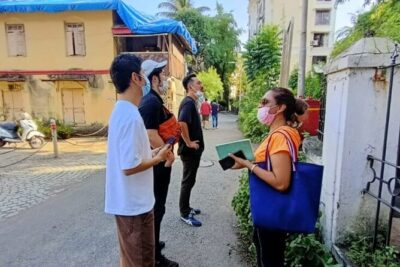
The meeting point is Reality Tours and Travel (Dharavi), on 60 Feet Road in the Kumbhar Wada area (Shahid Bhagat Singh Nagar), and the tour ends at the same office. In real-world terms, that’s helpful because you’re not hunting across Mumbai for a hidden pickup spot.
The walk also starts with orientation before you get deep into the neighborhoods. Expect your guide to set the context for what you’re seeing, then lead you into the streets where people celebrate a local festival. The tour doesn’t list the festival name in the details, but you’ll still get the key idea: daily life and community traditions are part of the same living space.
I also like that this is positioned as a near-public-transport activity. Mumbai is not a place where you want to waste time, so being close to transit makes it easier to plan before and after.
Entering Dharavi through industry: recycling, pottery, and workshop life
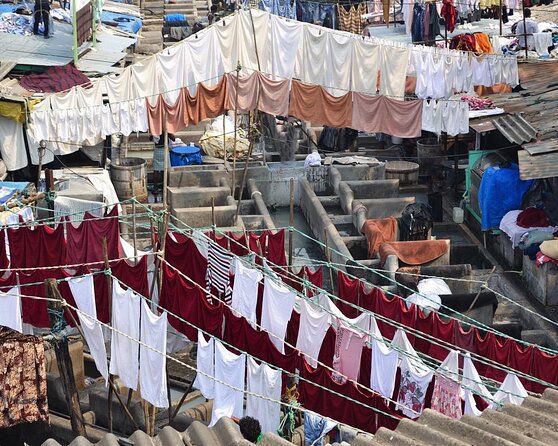
Your first major learning phase is how work happens in Dharavi. The tour highlights a set of business activities you can actually see or understand through the walk: recycling, pottery-making, embroidery, bakery work, soap production, leather tanning, and poppadom-making. Those examples are important because they show Dharavi isn’t one factory or one trade. It’s a web of small production steps that connect to wider markets.
Here’s what that changes for you as a visitor. Instead of treating Dharavi like a single scene, you start recognizing patterns: raw materials become usable goods, skills get passed along, and many businesses rely on teamwork. Even when you can’t follow every production step, you can usually connect the dots quickly—because you’re watching the culture of making in motion.
A strong sign that this approach works: the guides named in past experiences tend to explain the work in plain language and connect it to how families live around it. Guides such as Rishi, Raj, Shivi, Jadev, and Javed are mentioned for clear explanations and friendly, practical storytelling. That combination—industry facts plus human context—is what keeps the tour from turning into a checklist.
Residential Dharavi: temples, mosques, churches, and real neighborhoods
After you’ve seen the work areas, the tour shifts toward residential parts of Dharavi. This is where the place stops being an economic description and becomes a lived geography. People from many parts of India live here, so you’ll notice cultural variety reflected in places of worship—temples, mosques, churches, and pagodas all side by side.
This section is valuable because it’s easy to forget that places known for work still have schools, routines, and spiritual life. Seeing that variety up close makes your mental map more accurate. You start thinking in terms of community networks rather than “the slum,” which is a label that flattens everything.
The tour’s framing also helps you stay grounded. It’s not just, look at this building or that doorway. It’s about understanding why different groups share space and how faith shows up inside everyday life.
The family lunch: vegetarian thali, home cooking, and local income
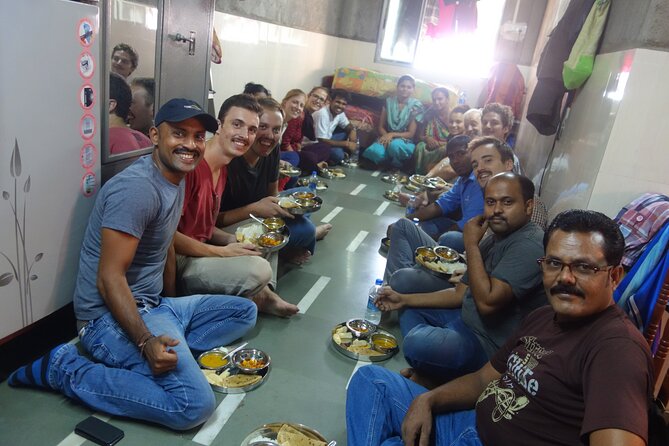
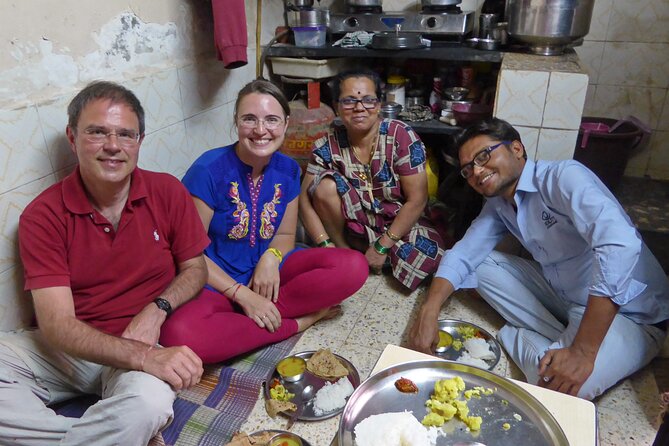
The end of the tour is the part many people remember most: a walk that leads you to a nearby family home for a vegetarian meal. You’ll be served a home-cooked thali, and the point is more than taste. The meal provides extra income for the family, which makes the lunch feel like participation rather than a transaction where you just pay and leave.
Food is also a shortcut to respect. When a host family offers you something they cook for their own daily life, it changes your posture as a visitor. You pay attention. You slow down. You realize how much trust goes into welcoming strangers into a home.
What you can expect from the food: a thali-style spread that’s described as delicious and home-cooked. The tour details emphasize vegetarian, so if you follow vegetarian eating (or just want a break from restaurant meals), this is a straightforward win.
One practical note: because this is a family home meal, it’s not a fast-food rhythm. Plan to be comfortable with a longer, calmer end to the tour. That time at the table is where you’ll likely understand the day’s stories in a more personal way—how work and family life connect.





How much is it, and why it feels like good value
The price is $29.50 per person for about 3 hours, including lunch and an experienced local guide. That’s not the cheapest option in Mumbai, but it’s also not a luxury ticket. You’re paying for two things that are hard to replicate on your own: guided navigation of sensitive streets and structured context that explains what you’re seeing.
This tour also runs with group discounts and uses a mobile ticket, which tends to reduce friction when you’re in a busy city. And the group size is capped at 25 travelers, which matters for how much the guide can keep track of you and how interactive your questions can be.
Where value shows up most is in the guide-led trust built with the community. Past experiences mention that guides have real connections, including guides who live in the area. When that’s true, the explanations feel more like sharing than lecturing, and you’re less likely to end up with surface-level talk.
Practical tips for a smooth walk in Dharavi
This is a walking tour through active neighborhoods, so dress for movement. Wear comfortable shoes with grip, and bring a light layer if you’re going at a time of day when the temperature shifts.
Also think about your mindset. Dharavi is not an open-air museum. It’s people’s streets, with work happening nearby. That means you should keep your phone use respectful and avoid blocking pathways just to get a shot.
Because the tour says it requires good weather, check the forecast before you set your schedule. Mumbai weather can change quickly, and this tour is designed around a walking format.
If you want help after lunch, you’ll get it. The guide assists with transport choices such as arranging a taxi. If you want local trains, the guide can escort you to the station and help you get onto the right train. That’s a big deal if you’re not comfortable navigating Mumbai’s rail system.
Who should book this Dharavi Tour and Family Lunch?
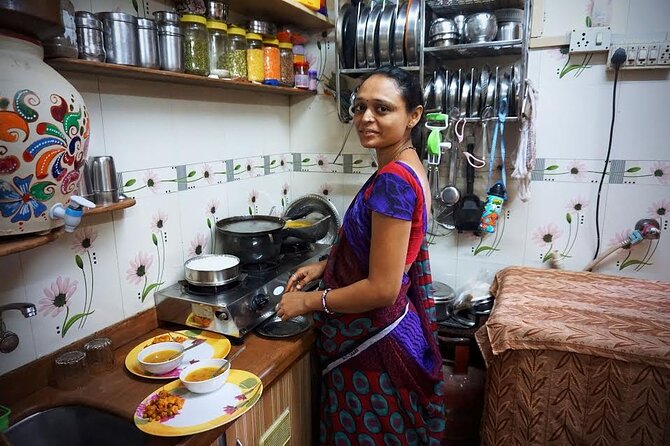
This tour fits best if you like learning through real places, not just big monuments. If your travel style is question-driven—how does this work, how do people live here, what does daily life look like—then Dharavi is a strong match.
It’s also a good fit for travelers who value responsible tourism in a practical, not abstract way. The lunch aspect connects spending to a family at the end of the walk, and the tour’s purpose is explicitly educational through local activities.
Who might want to consider a different option? If you dislike intense environments or prefer controlled, quiet sightseeing, Dharavi may feel like a lot. Even with a respectful guide, the area is busy and close by design.
That said, the tour is described as suitable for most travelers, and the guides’ tone in past experiences is repeatedly described as respectful and safe, with no pressure to buy anything.
Should you book? My honest take
I’d book this if you want one of the most meaningful, grounded experiences you can do in Mumbai. You’ll leave with a clearer picture of how industries and everyday life interlock in Dharavi, and you’ll have shared a vegetarian thali in a family home rather than eating another meal on autopilot.
I’d hesitate only if you’re uncomfortable with dense living conditions or you want a purely scenic, low-stimulation tour. This is education, not a postcard.
If you’re deciding today, my advice is simple: book early, wear comfortable shoes, and come ready to listen. With a small group and a guide who can explain what you’re seeing, this is the kind of stop that changes how you understand a city.
FAQ
How long is the Dharavi Tour and Family Lunch?
It’s about 3 hours.
What’s included in the price?
The tour includes lunch (a vegetarian meal) and an experienced local guide.
Is the lunch vegetarian?
Yes. The meal with the local family is described as a lovely vegetarian lunch, served as a home-cooked thali.
Where does the tour start and end?
Both the start and end are at Reality Tours and Travel (Dharavi), 60 Feet Road, Shahid Bhagat Singh Nagar, Kumbhar Wada, Dharavi, Mumbai.
How large is the group?
The tour has a maximum of 25 travelers.
Does the guide help with getting around after lunch?
Yes. After lunch, the guide can help with transport, such as arranging a taxi. If you want to take the local train, the guide will escort you to the train station.
Is the tour refundable if I need to cancel?
Yes, free cancellation is available. You can cancel up to 24 hours in advance for a full refund; within 24 hours, the amount paid is not refunded.