REVIEW · MUMBAI
Dharavi Slum Tour – See the real Slum with a Local Guide
Book on Viator →Operated by Inside Mumbai Tours · Bookable on Viator
Dharavi surprised me in the best way. This Dharavi Slum Tour uses a resident guide to show the real rhythms of Mumbai’s neighborhood, from home life to work. I love how you get a focused two-hour walk and how the guide points out everyday trades like plastic recycling, leather, and textiles. The only caution: it’s a working residential area, so expect busy lanes and bring comfy shoes, especially in good weather.
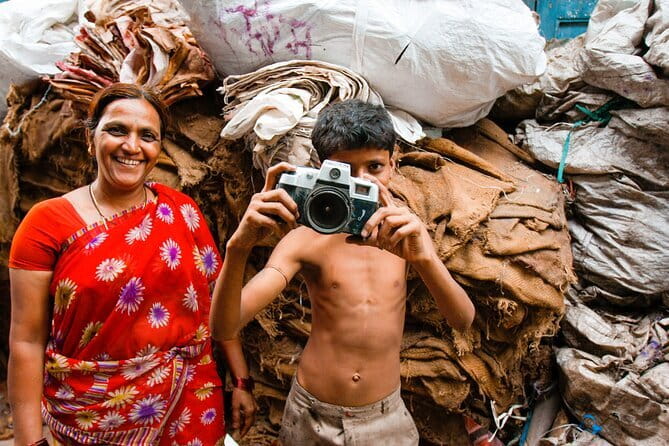
I also like that the tour frames Dharavi as more than misery headlines, with an eye for community moments like children playing and families settling in between tasks. You’ll even visit the Slumdog Millionaire filming location, so pop-culture trivia becomes street-level context fast.
At a maximum of 15 travelers, the pace stays manageable, and check-in uses a mobile ticket. Still, plan for walking and don’t count on food or drinks being included.
In This Review
- Key things I’d circle before you go
- Dharavi in Two Hours: What You’ll Really See on the Ground
- Why a Resident Guide Changes Everything
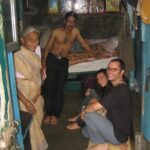
- The Walk Through Daily Life and Work: Homes, Kids, and Small Factories
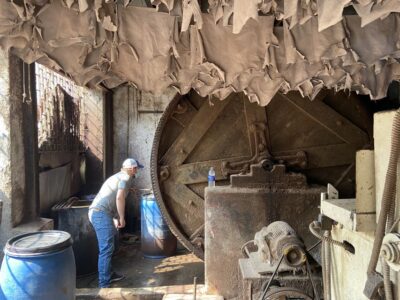
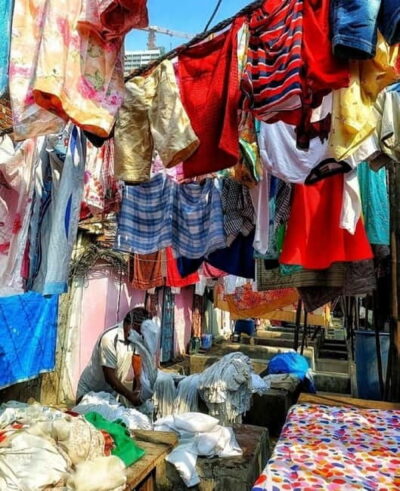
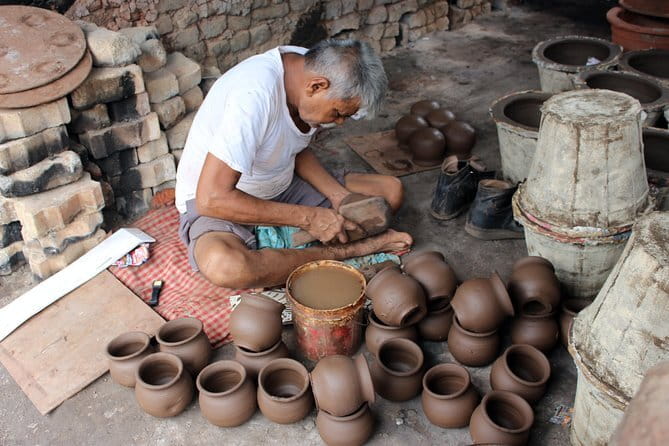
- Industries on the Route: Plastic Recycling, Leather, Textiles, and Metal
- The Slumdog Millionaire Stop: Movie Scene Meets Real Place
- Group Size, Timing, and Meeting Point Details That Matter
- Price and Value: Is $7.93 a Good Deal in Mumbai?
- Weather and Comfort: The Stuff You Can Control
- Who This Dharavi Slum Tour Fits Best
- Should You Book This Dharavi Slum Tour?
- FAQ
- FAQ
- How long is the Dharavi Slum Tour?
- What does the tour cost?
- Is there an English-speaking guide?
- Are entrance fees included?
- Is food or drinks included?
- Where do I meet for the tour?
- How big is the group?
- What if the weather is bad?
- Is cancellation free?
Key things I’d circle before you go
- Resident-led route: You walk with an English-speaking local guide who lives in Dharavi
- Work you can see: plastic recycling, leather, garment/textile, and metal industries get pointed out on the ground
- Slumdog Millionaire filming spot: one stop that turns a movie scene into a real place
- Small group limit: up to 15 travelers, which helps with questions and flow
- Entrance fees covered: you’re not paying extra for admissions during the tour
- Good-weather needed: you’ll want a day when conditions are comfortable for walking
Dharavi in Two Hours: What You’ll Really See on the Ground
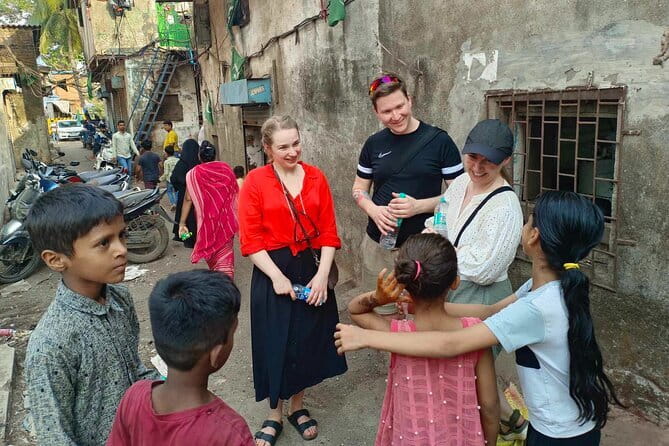
A lot of tours sell Dharavi as a shock-and-awe stop. This one aims for something more useful: a guided look at how people live, work, and raise kids in a dense, real neighborhood. In about 2 hours, you’re not trying to cover everything in Dharavi—you’re getting a clear snapshot of daily routines plus the types of businesses that keep this place running.
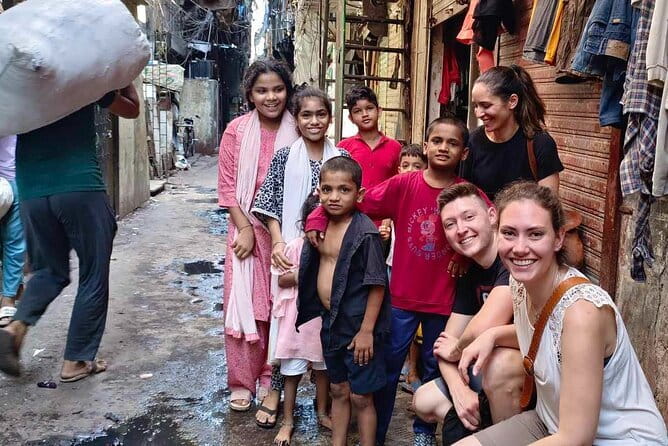
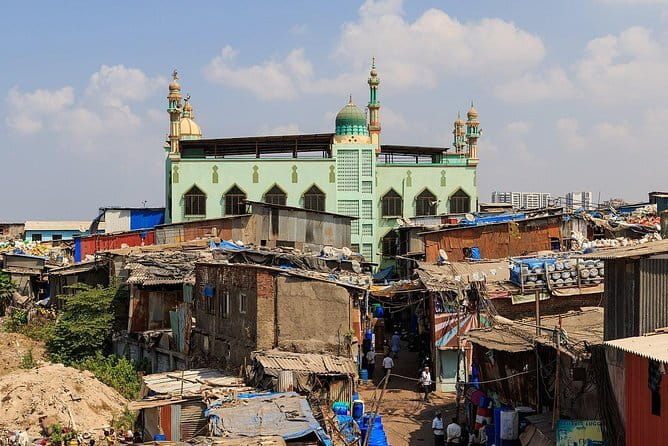
Your walk includes the human side first: where families spend time, where kids play, and where people relax. Then it shifts to the economic side: small-scale industry areas where you can spot work linked to plastic recycling, leather, garment/textile production, and metal-related activity. You’ll also hear about the scale of income connected to these industries—there’s a claim in the tour that yearly income reaches around 1 billion US dollars. Even if you take that number as an estimate, it signals the point the guide is making: this is not only a housing story.
If you’re expecting a polished museum feel, you may find the surroundings feel more crowded and more functional than staged. That’s also the point. You’re seeing how a neighborhood works, not how a brochure wants it to look.
You can also read our reviews of more guided tours in Mumbai



Why a Resident Guide Changes Everything
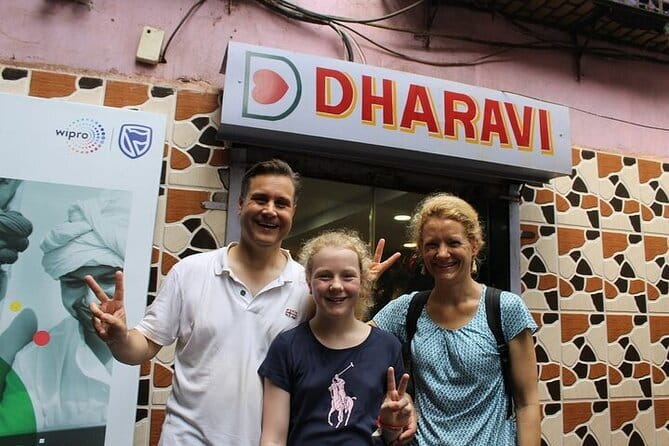
I love that this tour is led by someone who lives in Dharavi. That matters more than people think, because it changes what gets explained and what gets left out. Instead of generic descriptions, you get grounded, on-the-route commentary about daily life and work patterns.
In the short reviews I’ve seen, people repeatedly mention that the guide was very familiar with the area and could show visitors where the small factories are located. You can feel the difference when a guide knows the blocks and lanes well enough to point to businesses directly, rather than stopping at a view and moving on.
You’ll also notice the tone: the tour’s aim is to dispel ideas that Dharavi is only misery. You still may see hardship or constraints in the environment, because this is a dense city neighborhood. But the guide balances that with what’s working—how people manage, what skills are being practiced, and why the community has its own logic and rhythm.
The Walk Through Daily Life and Work: Homes, Kids, and Small Factories
The strongest part of this experience is the way it connects the personal and the economic. You’re not just looking at buildings; you’re learning how people build a day around work, family, and shared space.
You’ll get a sense of:
- Where families live and how close living spaces can feel
- Where kids play, which gives you a quick read on community energy
- Where people relax, so you’re not stuck thinking only in terms of labor
- What businesses are happening, from recycling processes to textile and metal work
For me, that combination is what makes the tour feel real. It’s one thing to hear about poverty. It’s another to see how routines overlap—children moving through active areas, people working while life continues around them. That contrast helps you understand the neighborhood as a place of people and livelihoods, not just an issue.
A practical consideration: this is a walk. Even if the route is organized, you’ll be moving through busy areas. The tour itself recommends comfortable walking shoes, and I agree. Dress for walking and keep your pace steady so you don’t slow down the group.
Industries on the Route: Plastic Recycling, Leather, Textiles, and Metal
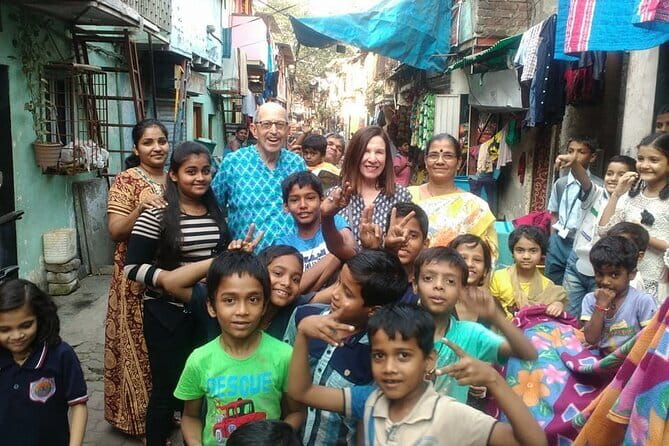
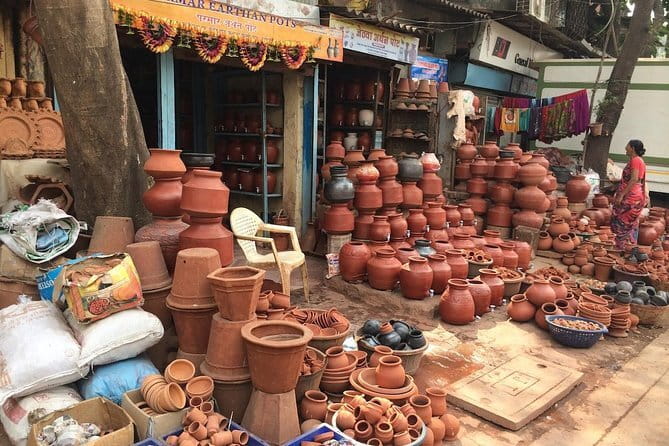
One of the biggest reasons people book this tour is the chance to see trades you’d mostly only learn about from documentaries. The guide highlights several sectors, including plastic recycling, leather industry, garment/textile work, and metal industry activity.
Here’s why that’s valuable for you, even if you know nothing about these industries before you arrive:
- You get an on-the-ground sense of how everyday materials become business inputs
- You can connect skills to products, not just see raw labor
- You’ll understand how small operations can form a larger working ecosystem in one concentrated area
I also like that the tour keeps the focus practical. Instead of turning every stop into a lecture, the explanation usually follows what you can see nearby—workspaces, processes, and the general flow of activity. That makes it easier to remember what you learned, and it helps you avoid the feeling of being herded through unrelated points.
The Slumdog Millionaire Stop: Movie Scene Meets Real Place
It’s hard to visit Dharavi without the “Slumdog Millionaire” connection hovering in the background. This tour uses that connection in a smart way: it includes a visit to where parts of the movie were filmed inside Dharavi.
What you’ll get from this isn’t nostalgia. It’s perspective. You’ll see a location tied to a well-known film, but the meaning of that spot shifts once you’ve walked the surrounding neighborhood and understood the living and working realities nearby.
If you’re a movie fan, it can feel like you’re matching scenes to real streets. If you’re not, it still works as a quick anchor point—one place you can reference as you learn about Dharavi’s scale and daily rhythms.
Either way, it helps you avoid the common trap of reducing Dharavi to a single story. One filming location is only a small slice. The rest of the tour keeps pulling you back to the actual neighborhood.


Group Size, Timing, and Meeting Point Details That Matter
This is a 2-hour tour with a maximum group size of 15 travelers. For Dharavi specifically, a smaller group helps a lot. You can ask questions without the guide constantly repeating basics, and you can keep your attention on the route instead of losing the group every few minutes.
Timing-wise, you’ll want to treat this like a short but focused walk day. Don’t schedule it as an afterthought between long museum stops. Plan it when you can be mentally present—because you’ll be processing a lot of observations quickly.
You’ll also start and end at the same place. The meeting point is at Third Wave Coffee, Tip Road, Unit no.58, Ground, Ram Mahal, Senapati Bapat Marg, Marinagar Colony, Station, Mahim, Mumbai, Maharashtra 400016. It’s listed as near public transportation, which is handy in Mumbai where getting across town can be a puzzle.
One more practical note: the tour includes entrance fees, but it doesn’t include food or drinks. If you have a sensitive stomach or you simply don’t like surprises, eat beforehand and carry water if you need it.
Price and Value: Is $7.93 a Good Deal in Mumbai?
At $7.93 per person, this tour sits in a very low price category for a guided neighborhood experience. The value comes from what’s included: an English-speaking guide who lives in Dharavi and the entrance fees. You’re not paying separately for site access during the walk, and you’re buying time with someone who can translate what you’re seeing into context.
What you should weigh is where that low price comes from—this is a short, group walk rather than a full-day production. You also won’t get refreshments during the tour, so if you’re budgeting tightly, factor in a quick snack plan.
Still, for many people, the math works: paying under $10 for a resident-led explanation plus access to key points like the movie filming location is hard to beat. Add in the small group limit and the fact that it typically gets booked in advance (around 6 days ahead on average), and the setup feels designed for practical travelers who want a real connection without a big time commitment.
Weather and Comfort: The Stuff You Can Control
This experience requires good weather. That means you should plan it on a day when rain and extreme conditions are unlikely. Even if the tour avoids long detours, Mumbai weather can change quickly, and you’ll be walking.
You’ll also be happier if you:
- wear shoes you can walk in for the full 2 hours
- keep your schedule clear so you don’t feel rushed
- bring basic comfort items (especially since food and drinks aren’t included)
Because this is a real residential and working neighborhood, treat the walk as a respectful observation. You’re there to learn, not to treat the area like a set.
Who This Dharavi Slum Tour Fits Best
This tour is a strong match if you:
- want a short, structured introduction to Dharavi rather than a long multi-stop itinerary
- like tours led by locals who live in the area
- want to understand work life, including small industry sectors like recycling and textiles
- enjoy context that connects media to real places, thanks to the Slumdog Millionaire filming location
It may be less ideal if you:
- hate walking through busy streets
- need frequent breaks or are sensitive to crowded environments (even though the tour is only 2 hours)
- were hoping for a food stop or a full day of touring
Should You Book This Dharavi Slum Tour?
If your goal is to see Dharavi as a working neighborhood with daily routines and real businesses, I think this tour is worth booking. The biggest selling point is the resident guide angle, plus the fact that the tour focuses on daily life and industry rather than only shock or suffering.
Book it if you can do it on a day with good weather, wear comfortable shoes, and go with the mindset of learning how people live and work. You’ll walk away with a clearer understanding of how Dharavi functions, and you’ll have that memorable anchor stop tied to a famous movie scene.
FAQ
FAQ
How long is the Dharavi Slum Tour?
The tour runs for about 2 hours.
What does the tour cost?
The price is listed as $7.93 per person.
Is there an English-speaking guide?
Yes. The tour includes an English speaking guide who lives in Dharavi.
Are entrance fees included?
Yes. All entrance fees are included.
Is food or drinks included?
No. Food and drinks are not included.
Where do I meet for the tour?
Meet at Third Wave Coffee, Tip Road, Unit no.58, Ground, Ram Mahal, Senapati Bapat Marg, Marinagar Colony, Station, Mahim, Mumbai, Maharashtra 400016.
How big is the group?
The tour has a maximum of 15 travelers.
What if the weather is bad?
The tour requires good weather. If it’s canceled due to poor weather, you’ll be offered a different date or a full refund.
Is cancellation free?
Yes. You can cancel up to 24 hours in advance for a full refund.