REVIEW · MUMBAI
Dharavi Slum Tour
Book on Viator →Operated by Reality Tours & Travel Pvt Ltd · Bookable on Viator
Dharavi is not what your brain expects. This walking tour shows how a dense, working neighborhood turns waste into products and everyday skills into small businesses. You’ll pass through places like the recycling area, pottery workshops in Kumbharwada, and work tied to textiles and leather tanning.
I like how the tour brings you right to where the activity happens, not just a viewpoint. I also love the human approach: guides such as Rakesh, Leena, Cethan, Javed, Rishi, Suraj, and Jay are repeatedly praised for being respectful, answering questions, and making the experience feel like a conversation rather than a lecture. One thing to consider is the rules and sensitivities: no photography is permitted inside Dharavi, and you’ll need modest, respectful clothing that covers shoulders and knees.
In This Review
- Key Things You’ll Notice on This Dharavi Slum Tour
- A city within a city: what you see in Dharavi
- Reality Tours and Travel: meeting point and how the walk begins
- Stop 1 in Dharavi: recycling, pottery, textiles, and everyday production
- The big trade-off: it’s a neighborhood, not a museum
- The community center and rooftop views: context without the lecture
- Respect rules: no photos and modest dress in Dharavi
- Stop 2 at the office: soft drink and where the money goes
- Timing, group size, and how to plan your day
- Price and value: what $20.40 really buys you
- Who should book this Dharavi slum tour (and who should rethink it)
- Should you book this Dharavi Slum Tour?
- FAQ
- How long is the Dharavi Slum Tour?
- What is included in the tour price?
- Is lunch included?
- Can I take photos in Dharavi?
- Do I need to go with the guide by train?
- What is the cancellation policy?
Key Things You’ll Notice on This Dharavi Slum Tour
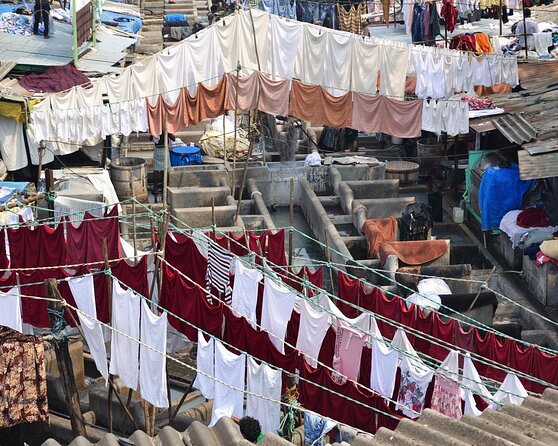
- A working industrial hub: you’re touring commerce—recycling, pottery, and food-making like poppadom production—inside a neighborhood of nearly one million residents.
- Community-focused stops: you visit areas connected to daily work and then end at the operator’s office to learn what your money supports.
- Guides who stay practical: names like Rakesh and Leena come up for being flexible and question-friendly.
- Rules that shape your experience: no photography in Dharavi and conservative dress expectations.
- A short, high-impact format: about 2 hours 30 minutes for a walking-style tour that feels quick once you’re inside.
A city within a city: what you see in Dharavi
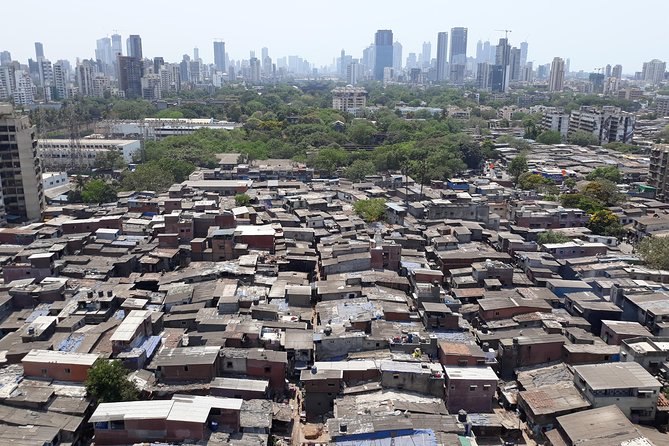
Dharavi is often reduced to a label. This tour nudges you past that shortcut by framing Dharavi as a “city within a city” with real industry, real skills, and real neighbors running their day-to-day operations. You’re walking through narrow lanes where small workshops and busy production spaces sit close to homes and shared community life.
The tour is also intentionally focused. Instead of treating the neighborhood as a single photo-op zone, you move through specific areas that connect to how goods get made and recycled—like recycling spaces, pottery work in Kumbharwada, and other trades linked with the textiles and leather tanning industries. That structure matters because it helps you understand Dharavi as a system of work, not just a place where people live.
And yes, it can be emotionally heavy—because it forces your assumptions to take a back seat. But it also tends to land as practical and educational, especially if you like learning how cities actually function on the ground.
You can also read our reviews of more tours and experiences in Mumbai.


Reality Tours and Travel: meeting point and how the walk begins
The tour starts and ends at the operator’s base in Dharavi, at 60 Feet Road, Shahid Bhagat Singh Nagar, Kumbhar Wada, Dharavi, Mumbai, Maharashtra 400017. There’s no hotel pickup or drop-off, so you’ll want to plan your own arrival. The good news: it’s described as being near public transportation, which makes it easier to fit into a day of exploring Mumbai.
You’ll also get a mobile ticket, and you should receive confirmation at the time of booking. If you’re thinking about comfort, bring the basics: closed-toe shoes (you’ll be walking), a water-friendly mindset (water/cold drink is included), and an open attitude about how quickly the area can feel like a working neighborhood—because it is.
One more practical option: the experience can include travel by train with your guide, or you can make your own way there if that option is selected. Either way, the end is set up to help you transition back into regular Mumbai plans.
Stop 1 in Dharavi: recycling, pottery, textiles, and everyday production
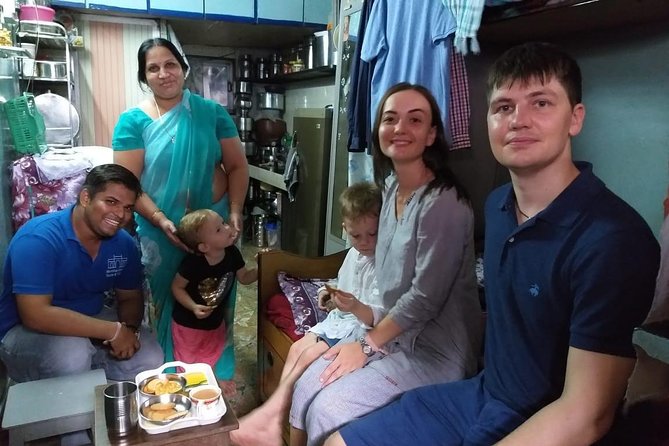
Your main time is spent inside Dharavi. Stop 1 is where you’ll understand why this area is often described as an industrial hub. The tour route typically includes multiple types of work, so you’re not just seeing one shop or one workshop.
Here’s what the experience is designed to cover:
- Recycling area: you’ll see how material recovery feeds the production cycle.
- Kumbharwada Pottery Colony: pottery craft shows up as both a skill set and a local business rhythm.
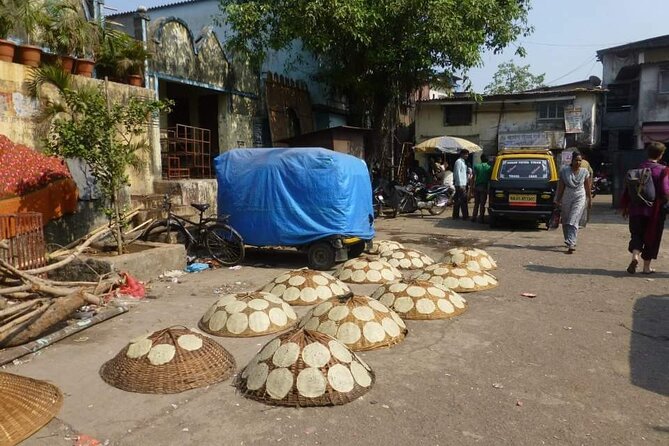
- Popaddom making: food production appears as a smaller-scale, detail-heavy trade.
- Textiles and leather tanning: you’ll get a look at industries linked to these sectors and how they operate at neighborhood scale.
- Rooftop visit: you get a change in perspective inside the area—useful for understanding density and layout.
This “many trades, one route” approach is one of the strongest parts of the tour. It helps you connect dots: waste becomes input, crafts become products, and commerce becomes a livelihood engine. If you like how manufacturing works—from raw materials to finished items—you’ll probably find this stop unexpectedly absorbing.
The big trade-off: it’s a neighborhood, not a museum
You aren’t touring polished exhibits. You’re walking through living workspaces. That means you should expect things to be busy, close together, and sometimes loud or visually intense. If you prefer quiet, curated sightseeing, this might feel like a jolt. But if you want the real mechanics of Mumbai, Stop 1 is where the tour delivers.
The community center and rooftop views: context without the lecture
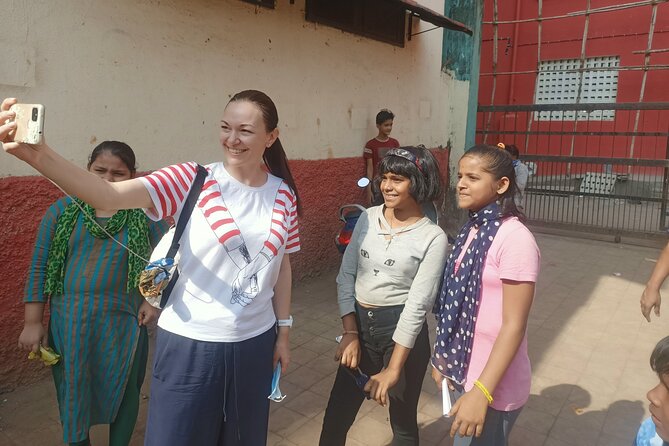
Along the way, you visit a community center tied to the proceeds from the tour. That matters because it adds context: this isn’t only about sightseeing your way through Dharavi. It’s also about showing how the neighborhood supports education, health, and livelihood projects—at least in part through reinvestment funded by the tour activity.
You’ll also hit a rooftop visit, which is more than a break from the street. Roofs help you read the place. You can often see how homes and work areas stack and sit close together, and that spatial understanding helps the rest of the tour click into place.
You should also know that the tour is not designed to be a long academic talk. The value is in the pacing: you see, you ask, and your guide turns what you’re observing into clear explanations.




Respect rules: no photos and modest dress in Dharavi
This tour comes with two clear expectations, and they genuinely shape the experience:
1) No photography is permitted while in the Dharavi slum.
That’s not a minor rule. It changes how you pay attention. You watch more carefully, listen more, and rely less on capturing everything for later. If you’re someone who takes lots of photos by default, plan to switch gears for these hours.
2) Dress codes are conservative throughout India.
You’ll want clothing that covers shoulders and knees. Since this is a walking tour, comfortable modest layers are the best move. Think breathable fabric plus coverage, not heavy outfits.
These rules also show respect for residents. And when you’re asking questions in close quarters, respect isn’t just the “right thing”—it’s how the tour stays smooth and comfortable.
Stop 2 at the office: soft drink and where the money goes
After your walk, the experience ends back at the operator’s Dharavi office. The tour includes a chance to enjoy a soft drink and learn more about how the funds are reinvested into the community.
This is where the “why” becomes clear. The proceeds support projects tied to education, health, and livelihood. In the feedback, English learning support shows up as one of the benefits, which gives the funding story a concrete direction rather than a vague promise.
Stop 2 is also practical. Your guide helps you get wherever you want next. If you want to return to Churchgate or catch a local train to another part of Mumbai, the guide will escort you to the train station.
It’s a smart ending, especially if you’re not fully comfortable navigating Mumbai on your own in a busy travel day.
Timing, group size, and how to plan your day
The duration is about 2 hours 30 minutes. That’s a strong length for a neighborhood tour because it gives you enough time to see multiple kinds of work without eating your entire day.
Group size is capped at 99 travelers, and most tours tend to feel more manageable than that cap suggests—especially on walking routes. One of the most consistently praised aspects is that the experience feels “seamless,” with guides keeping things moving and answering questions as you go.
A practical planning tip: build a little buffer around the tour start. If you’re connecting from another part of Mumbai, you’ll want time for street-level movement and train timing. One guide, Rakesh, is specifically noted as flexible when navigating Mumbai traffic, which is a helpful sign if your day has a few moving parts.
Also remember: this is a walking tour with no hotel pickup/drop-off. So treat it like an activity with its own arrival plan, not like a convenience add-on.
Price and value: what $20.40 really buys you
At about $20.40 per person, this is priced like an accessible “see-and-learn” experience. But the value isn’t just the guide and the walk. Here’s what’s included:
- Local English-speaking guide
- Water/cold drink
- Focused access to specific neighborhood industries and community-linked spaces
- Funds that support local projects across education, health, and livelihood
- A set ending at the office with a soft drink and a funding explanation
- A mobile ticket, plus the possibility of group discounts
Lunch is optional at an additional price. If you’re trying to keep costs low, you can skip it and still get the full structure of the tour. If you want to extend the experience into a food moment, the option is there—just budget for it.
When you’re comparing tours in Mumbai, this one tends to stand out because it’s not only about observation. You’re paying for context, translation, route planning in a dense area, and reinvestment into local programs.
Who should book this Dharavi slum tour (and who should rethink it)
This tour is a great fit if you:
- Want to understand Mumbai through real work and local industry, not only monuments.
- Like guided explanation and Q&A, with guides who are praised for being respectful and practical.
- Care about where your travel money goes, especially when it’s tied to local education and livelihood projects.
You might think twice if you:
- Strongly prefer photography-based sightseeing and hate structured no-photo rules.
- Want a more relaxed pace with lots of space and quiet.
- Struggle with the emotional weight that can come with touring places that challenge easy stereotypes.
If you’re open-minded and prepared to follow community rules, this is exactly the kind of experience that can change how you see a city.
Should you book this Dharavi Slum Tour?
If your goal is to see Mumbai as a living machine—how people make things, recycle resources, craft goods, and run businesses—then this tour is an excellent choice. The strong guide reputation (names like Rakesh, Leena, Cethan, Javed, Rishi, Suraj, and Jay come up for a reason), the focused route through industries, and the community-linked funding story are a powerful combo for the price.
Book it if you can respect the rules (especially no photography and conservative dress). Skip it if you want a casual, camera-first sightseeing stroll.
FAQ
How long is the Dharavi Slum Tour?
It runs for about 2 hours 30 minutes (approx.).
What is included in the tour price?
The tour includes a local English-speaking guide and water/cold drink.
Is lunch included?
Lunch is optional and available for an additional price.
Can I take photos in Dharavi?
No. Out of respect for residents, photography is not permitted while in the Dharavi slum.
Do I need to go with the guide by train?
That depends on the selected option. You can travel by train with your guide, or make your own way there.
What is the cancellation policy?
You can cancel for free up to 24 hours before the experience starts for a full refund. If you cancel within 24 hours, the amount paid is not refunded.