REVIEW · MUMBAI
From Mumbai: Full-Day Elephanta Caves Tour
Book on GetYourGuide →Operated by INDIATOR · Bookable on GetYourGuide
A ferry, then 120 steps, then real rock temples. I like how this tour mixes big Mumbai landmarks with the UNESCO Elephanta Caves in one smooth day. You get serious cave architecture plus ocean views that make the whole outing feel special, even if you only have a day in town. One thing to think about: it’s not a stroll—plan on a hill climb and steps.
The biggest win for me is the way the day is structured for comfort. Hotel pick-up and drop-off by car means you’re not juggling taxis, and the guide keeps the story of Hindu cave culture clear and practical. I also love the built-in variety: Gateway of India, a ferry to Elephanta Island, a short walk from the jetty, then a toy train up the hill before the climb.
The main drawback is the effort level. If stairs are a problem, the 120-step trek to the caves (after the train) may not feel great.
In This Review
- Key things that make this tour worth your time
- Mumbai to Elephanta: the day starts with real landmarks
- Ferry to Elephanta Island: don’t underestimate this pacing
- Toy train to the hill base: a practical shortcut
- The 120 steps: the one part you should plan for
- Inside the UNESCO caves: Mahesamurti and the big hall effect
- Photo notes you’ll actually use
- The exterior sights: Elephant-shaped rock structure
- Timing and the 1:30 PM ferry back: how to avoid stress
- What you’re really paying for (and whether it’s fair)
- Who this tour suits best
- Should you book the Full-Day Elephanta Caves Tour?
- FAQ
- How long is the Elephanta Caves tour?
- What does the tour include for getting to Elephanta?
- Is there an entrance fee to the caves?
- How many steps are there to reach the caves?
- What transportation brings you back to Mumbai?
- What kind of guide do I get?
- Is this a private group?
- Do I need to pay extra for a camera at the monuments?
- What’s not included in the price?
- What cancellation options are available?
Key things that make this tour worth your time
- Gateway of India + Royal Taj Mahal Hotel stops that place the trip in the center of Mumbai life
- Ferry round-trip to Elephanta Island, with an ocean setting that changes the feel of the day
- Toy train ride from the jetty area to the hill base, so you save energy for the caves
- 120 steps to reach the cave complex, with the payoff being a huge carved hall
- Mahesamurti statue viewing in an enormous pillared space
- Elephant-shaped rock structure outside the caves for a final photo moment
Mumbai to Elephanta: the day starts with real landmarks
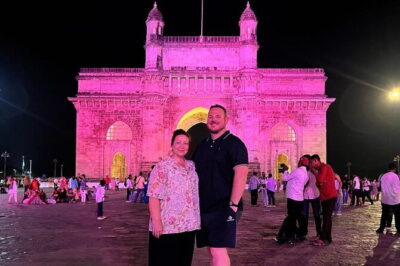
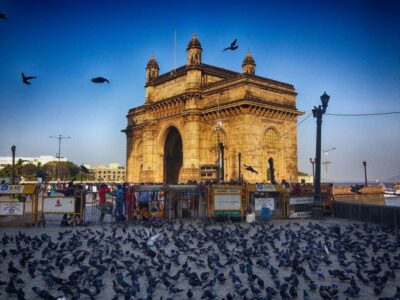
You begin with hotel pick-up by private air-conditioned car, then you head straight to Mumbai’s most famous scene: the Gateway of India. It’s the kind of landmark you instantly recognize from photos, but seeing it in person gives you context for where you are. Across from the gateway sits the Royal Taj Mahal Hotel, and that quick visual contrast helps you understand why this area is so iconic.
From there, you board the ferry. I like this part because it shifts you away from city noise fast. Even if you’re not a big “boat person,” the water angle gives you breathing room. Plus, you’ll get a short introduction tied to Hinduism as you travel to the island—useful because the caves can feel abstract if you just walk in and read nothing.
You can also read our reviews of more tours and experiences in Mumbai



Ferry to Elephanta Island: don’t underestimate this pacing
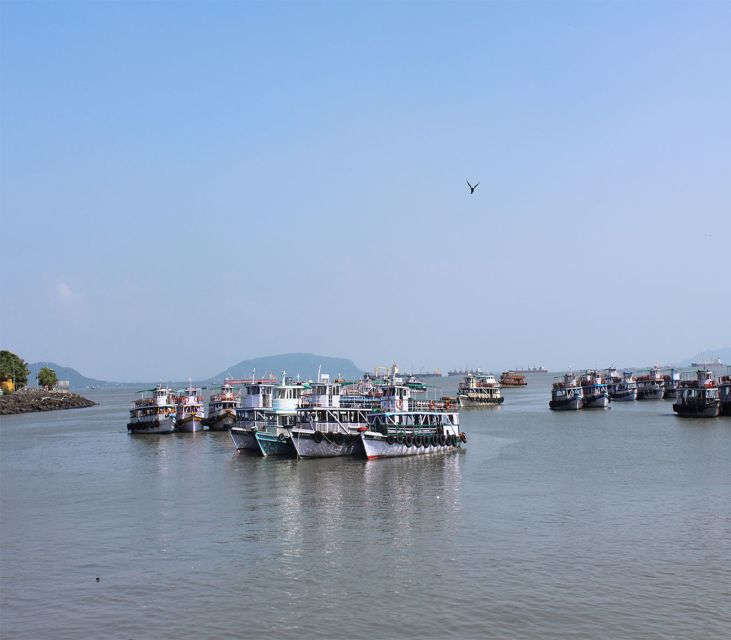
The ride to Elephanta Island is round-trip and included, and you’ll spend time looking out at the coastline along the way. When the boat docks, you hop off and start moving toward the cave area. There’s about a kilometer walk from the wharf to the base where the next transport step begins.
This is a good spot to manage your energy. The day includes a hill and steps later, so don’t treat the first walk as “warm-up cardio” you can ignore. Wear comfortable shoes, and keep a bottle of water handy if you tend to get thirsty in the heat. The guide can’t change the geography, but you can change how you pace yourself.
Toy train to the hill base: a practical shortcut
Once you reach the right starting point, you ride a toy train from the jetty area to the base of the hill. It sounds like a fun add-on, but for most people it’s more than that—it’s a time and effort saver. You avoid some extra uphill walking so your legs are in better shape for the main climb.
I also think this helps the experience feel more “curated,” without making it feel like a theme park. You’re still doing the steps to the caves, but the toy train trims the wasteful parts. That matters when your total time on site is limited.
The 120 steps: the one part you should plan for
To reach the caves, you climb 120 steps. This is the clearest physical requirement in the day. After the train, it’s straightforward: go up, reach the cave complex, and then the carved stone does the talking.
If you’re traveling with anyone who moves slowly, you’ll want to keep a gentle pace and give yourself a few short pauses. The stairs aren’t described as optional, so plan on them. The good news is the climb is brief enough that it usually works for most visitors—just don’t plan to “power hike” if you want to enjoy the carvings without rushing.
Inside the UNESCO caves: Mahesamurti and the big hall effect
Once you enter the cave area, you’re stepping into a natural rock complex tied to Hindu cave culture, believed to be associated with Lord Shiva. The caves are listed as UNESCO, and the size alone sets expectations: the whole cave complex is around 60,000 square feet.
One of the main highlights is stepping into an enormous hall supported by a large pillar. From there, you can see the vast Mahesamurti statue. The space matters as much as the figure. Big stone rooms like this don’t just show artwork—they change how sound and scale feel, so the carvings hit harder than they do in a museum.
I also appreciate that the guide helps you connect what you’re looking at to the broader religious ideas, rather than turning it into a random list of names. If you like understanding what you’re seeing, this is where the tour earns its price.





Photo notes you’ll actually use
You’ll have chances to take great pictures with the Arabian Sea in the backdrop. The caves themselves are stone and shaded, but you’re never far from viewpoints that include the coastline. If you care about photos, bring a phone or camera strap so you’re not juggling equipment while climbing and walking.
The exterior sights: Elephant-shaped rock structure
After you finish exploring the cave interior, you head back out to see an elephant-shaped rock structure. This stop works well as a “landing” moment: after the compressed feel of carved chambers, the open air gives your eyes somewhere to rest.
It’s also a chance for different-style photos—less portrait-in-a-dark-room, more dramatic silhouette and setting. It’s a good reminder that these caves aren’t just a single destination point; the island landscape also plays into the story you’re seeing.
Timing and the 1:30 PM ferry back: how to avoid stress
Your day includes a scheduled return ferry at 1:30 PM back toward Mumbai’s harbor and the Gateway of India area. Once you reach the harbor, your driver takes you back to your hotel.
This timing is important. If you like to linger, you’ll still want to keep an easy pace and trust the guide’s plan. Elephanta is the kind of place where it’s tempting to slow down at every carving, but the return ferry gives you a natural deadline that helps the tour stay balanced.
What you’re really paying for (and whether it’s fair)
At $135 per person for a ~6-hour private-group experience, the price isn’t just “tickets to a site.” You’re also paying for:
- Hotel pick-up and drop-off by private car
- A shared round-trip ferry/boat trip
- A toy train ticket
- An expert English-speaking guide
- Entry fee to the Elephanta Caves
- All taxes and service charges
If you tried to do this yourself, the biggest hassle would be coordinating the transport and making sure you understand what you’re seeing once you’re on the island. For many visitors, that’s the real value: you’re buying time and clarity.
The excluded items also matter for budgeting. Camera fee at monuments is not included, so if you plan to shoot professionally or with special gear, plan for that. Also, air and train fare are not included—reasonable, but it means your real total cost depends on how you arrived in Mumbai.
Who this tour suits best
This works best if you want a guided, structured day with minimal logistics stress. It’s especially good for:
- First-time Mumbai visitors who want a classic landmark day plus a major cultural site
- People who like cave art and want real explanations (not just walking through)
- Travelers who prefer a private-group setting rather than squeezing into a larger crowd
It’s less ideal if you have limited tolerance for stairs. The climb is built into the experience.
Should you book the Full-Day Elephanta Caves Tour?
I’d book it if you want a guided day that hits the big moments without wasting time. The combo of Gateway of India, ferry ride, toy train, and the cave complex makes the day feel efficient, and the guide-led explanations help the carvings click.
I’d skip or ask questions first if you know you struggle with steep climbs. The 120 steps to reach the caves are the one fixed challenge, and they’re central to the experience.
If you’re comfortable with stairs and you want a knowledgeable English-speaking guide handling the connections, this is a strong value for a full, high-impact cultural outing from Mumbai.
FAQ
How long is the Elephanta Caves tour?
The duration is listed as 6 hours.
What does the tour include for getting to Elephanta?
You get hotel pick-up by private air-conditioned car, a shared roundtrip ferry/boat trip, and a toy train ticket from the jetty area to the hill base.
Is there an entrance fee to the caves?
Yes. The entry fee to the Elephanta Caves is included.
How many steps are there to reach the caves?
You trek 120 steps to reach the caves.
What transportation brings you back to Mumbai?
The tour returns by ferry at 1:30 PM back to India’s Gate area/harbor, then your driver takes you back to the same hotel.
What kind of guide do I get?
The tour includes an expert English-speaking guide.
Is this a private group?
Yes. The group type is listed as private group.
Do I need to pay extra for a camera at the monuments?
Camera fees at monuments are not included.
What’s not included in the price?
Air and train fare, personal expenses, and camera fee at monuments are not included.
What cancellation options are available?
Free cancellation is offered up to 24 hours in advance for a full refund.