One great meal starts with dough. This private Punjabi vegetarian cooking class in Mumbai happens inside a real local home, led by Shilpa, and you’ll make and eat what you cook. I especially like the hands-on practice with classic flatbreads and the way Shilpa explains flavor pairings as you go. One consideration: the exact menu is seasonal, so if you’re hoping for a specific dish, message ahead.
You also get to choose the vibe—lunchtime or dinnertime—so the class can fit around how you’re exploring Mumbai. The session runs about 2 hours, and it’s priced at $53.34 per person for a meal that includes food, water, and a glass of local beer, plus a private group experience.
In This Review
- Key Points You’ll Care About
- A Punjabi Home Kitchen Near Five Gardens
- What You’ll Cook: Roti/Paratha, Paneer Makhni, and Dal
- Why those dishes are smart learning targets
- Vegan vs vegetarian: what you should do
- The Teaching Style: Clear Steps and Flavor Pairing
- Lunchtime vs Dinner: Picking the Session That Fits Your Day
- The Meal You Eat After Cooking (Punjabi Thali Energy)
- Price and Value: Is $53.34 Worth It?
- Who Should Book This Cooking Class (and Who Might Skip It)
- Should You Book This Mumbai Class?
- FAQ
- What dishes will I learn in this Mumbai class?
- Is this cooking class vegetarian only?
- Do I choose between lunchtime and dinner?
- What’s included with the price?
- Where do I meet for the class?
- Can I cancel for free?
Key Points You’ll Care About
- Punjabi cooking taught in a local home near Five Gardens in Dadar East / Matunga East
- Learn roti or paratha the traditional way, plus paneer makhni and dal
- Full vegetarian menu by default, with a complete vegan option on request
- Food, water, and local beer included so you’re not paying extra for the meal
- Seasonal menu with advance flexibility if there’s something you want to cook
A Punjabi Home Kitchen Near Five Gardens
This is the kind of cooking class that feels less like a demo and more like you’re being invited into someone’s kitchen. You meet at Indu Villa, Plot no Five Garden, 602-C, Lady Jehangir Rd, Matunga East, Mumbai—easy to find and close to public transportation. From there, you’ll be in a residential setting near Five Gardens in the Dadar East area, which matters because it changes the whole pace: you move through tasks like a household cook, not like you’re in a classroom.
You’ll also want to plan around the private-group setup. It’s just your group, so you can ask questions without worrying about slowing down strangers. That’s a big deal for a cooking class, since small corrections—heat level, dough consistency, spice balance—are usually what make the difference between tasty and truly satisfying.
You can also read our reviews of more private tours in Mumbai



What You’ll Cook: Roti/Paratha, Paneer Makhni, and Dal
The core of the class focuses on a classic Punjabi vegetarian lineup. You’ll learn how to make roti or paratha, and the way it’s taught is “traditional,” meaning you’re working the fundamentals rather than following shortcuts.
Here’s the key set of dishes you can expect:
- Roti or paratha (flatbread), taught step by step
- Paneer makhni, with fresh cheese in a tomato gravy
- Dal, cooked with lentils and served with rice and Indian breads
In past sessions, people have also cooked additional items like spiced potatoes and made two kinds of flatbread. Since the menu is seasonal, the exact combination can shift, but the skill base stays consistent: bread-making, a rich gravy with paneer, and a lentil component that grounds the whole meal.
Why those dishes are smart learning targets
If you want value from a short class, you pick techniques that transfer. Flatbreads teach dough feel and rolling/pressing logic. Paneer makhni builds your understanding of tomato-based gravy, spice layering, and how to balance richness. Dal is all about texture and seasoning—two things that are hard to get right from recipes alone.
And if you eat vegan, this class still works. Shilpa offers only vegetarian food, but she can prepare a complete vegan meal on request, so you’re not stuck with a “vegetarian but not vegan” workaround.
Vegan vs vegetarian: what you should do
When booking, or even before you arrive, send preferences and dietary restrictions through WhatsApp. The class info is clear that Shilpa can adjust based on what you need, and you’ll be happiest if you communicate early rather than hoping for changes on the day.
The Teaching Style: Clear Steps and Flavor Pairing
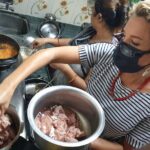
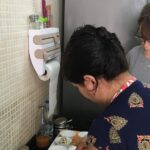
What makes this class stand out isn’t just the final food. It’s how Shilpa teaches it. The instruction style is detailed and structured, with explanations that make each step feel logical—how dough comes together, when to adjust heat, and how spices behave as they cook.
One of my favorite parts to look for in cooking classes is the moment when someone explains why a dish tastes the way it does. Here, Shilpa explains pairings when you sit down to eat—how each dish supports the next. That’s practical knowledge you can use later: you’ll understand how a creamy tomato gravy works with flatbread, and how dal fits in for balance.
You’ll also get quick context about the ingredients. From what’s been shared in the experience, Shilpa may take you on a short visit to her local grocery area and explain vegetables, spices, oils, tea, rice, and other staples. Even if that’s not the same exact format every time, the theme stays: ingredients aren’t treated like mysterious packets. They’re tools, and you learn what they do.
If you have a specific dish you want to learn, this is where you should be proactive. The class is described as seasonal, but it also says Shilpa is flexible if you reach out in advance.
You can also read our reviews of more cooking classes in Mumbai

Lunchtime vs Dinner: Picking the Session That Fits Your Day
You get a choice of lunchtime or dinnertime workshops. That sounds simple, but it can matter in Mumbai. If you’re doing museum stops, markets, or neighborhoods that pull you in different directions, timing affects your energy level.
Here’s a practical way to choose:
- Pick lunchtime if you want your day to move with a steady rhythm and you’d rather eat something you cooked mid-adventure.
- Pick dinnertime if you prefer a food-focused end to your day, especially after a longer stretch of sightseeing.
Both sessions run about 2 hours, so you’re not signing up for half a day. The class is paced to get you through prep, cooking, and then eating together.
And because start time flexibility is mentioned, you can request an earlier or later start if you need it—just coordinate through WhatsApp in advance.
The Meal You Eat After Cooking (Punjabi Thali Energy)
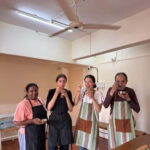
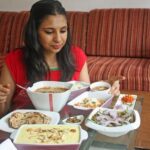
Here’s the part people tend to remember: you don’t just leave with recipes—you eat what you made. After cooking, you sit down for the meal, and Shilpa explains how each dish pairs to bring out flavor.
You’ll typically eat along with rice and Indian breads, and the meal will be built around the dishes you cooked: flatbread plus a gravy like paneer makhni, plus dal. That combination is exactly why Punjabi food lands so well with many palates. It’s not just one flavor; it’s layers—bread as a base, creamy richness in the gravy, lentils for comfort and balance.
You also get food and water, and the class includes a glass of local beer. That’s a thoughtful inclusion because it turns the meal into a full experience rather than a “class snack.” Just keep in mind: if you’re not drinking alcohol, you should mention it when you share dietary and preference details so Shilpa can guide you on what works.
Price and Value: Is $53.34 Worth It?
At $53.34 per person for about 2 hours, this class isn’t priced like a huge international production. It’s priced like you’re paying for a real home cook, real ingredients, and instruction that gets you to a plated meal.
Where the value comes from:
- You’re learning multiple core techniques (bread, gravy, lentils) instead of watching one dish.
- Food, water, and local beer are included, so you aren’t adding a separate restaurant meal cost right after.
- It’s private to your group, which usually means more time for questions and fewer distractions.
- There’s mention of group discounts, so if you’re booking with friends, you can often make it cheaper per person.
The main reason this may not be for everyone is that it’s targeted. If you’re looking for a broad survey course across lots of cuisines, you might want something wider. But if you want a strong foundation in Punjabi vegetarian cooking in a short time, this hits the sweet spot.
Who Should Book This Cooking Class (and Who Might Skip It)
This is a great fit if you:
- Want hands-on cooking in a real Mumbai home setting
- Eat vegetarian (and want the option for vegan on request)
- Like learning technique, not just following a recipe
- Want to bring food home with you—skills you can repeat later
It might be less ideal if you:
- Only want a cooking experience where you already know every technique and just need a taste
- Aren’t comfortable communicating dietary needs ahead of time (because the menu is seasonal and the flexibility depends on planning)
Also, if you’re the kind of traveler who likes to understand what’s in the spice mix and why a dish tastes right, this class leans into that. The explanations around flavor pairing and ingredient behavior are part of the payoff.
Should You Book This Mumbai Class?
Yes, you should book it if you want a short, satisfying, and genuinely practical cooking session in Mumbai. The biggest strengths are the traditional flatbread instruction, the guided cooking of dishes like paneer makhni and dal, and the fact that you finish by eating a meal that’s built from your own work.
Before you book, do two smart things: message Shilpa ahead if you have a specific dish you want, and share dietary restrictions or allergies up front. If you do that, you’ll get a smoother experience and a menu that feels made for you.
FAQ
What dishes will I learn in this Mumbai class?
You’ll learn to make roti or paratha (flatbread) the traditional way, plus paneer makhni and dal. You’ll eat them with rice and Indian breads.
Is this cooking class vegetarian only?
Yes. Shilpa offers only vegetarian food, and she can also prepare a complete vegan meal on request.
Do I choose between lunchtime and dinner?
Yes. You can choose either a lunchtime or dinnertime cooking workshop.
What’s included with the price?
The experience includes food, water, and a glass of local beer.
Where do I meet for the class?
You start at Indu Villa, Plot no Five Garden, 602-C, Lady Jehangir Rd, Matunga East, Mumbai, Maharashtra 400019, India. The activity ends back at the meeting point.
Can I cancel for free?
Yes. You can cancel for a full refund if you cancel at least 24 hours before the experience’s start time.