REVIEW · MUMBAI
The Mumbai by Dawn Tour
Book on GetYourGuide →Operated by Mumbai Dream Tours · Bookable on GetYourGuide
Waking up early has a point here. The Mumbai by Dawn Tour sends you through working Mumbai before most sights even blink on, with stops built around trade, food, and the city’s daily rhythm at dawn. You’ll see how the city feeds itself, how newspapers move through the biggest station area, and why the smell of the morning matters as much as the views.
I especially love the fish auction experience at Sassoon Dock and the Dhobi Ghat stop where thousands of washermen handle laundry as part of the city’s nonstop service. There’s real order to it too: markets, sorting, bargaining, and the kind of activity that makes Mumbai feel less like a postcard and more like a living machine.
One consideration: this tour is truly early. If you’re hoping for a slow start, you might feel like things are still waking up, since the schedule is paced around dawn activity rather than late-morning crowds.
In This Review
- Key moments that make this dawn tour worth it
- Why Mumbai’s dawn markets feel different (and useful)
- Gateway of India at sunrise: the warm-up stop
- Chhatrapati Shivaji Maharaj Terminus and the newspaper-sorting morning
- Crawford Market and Marine Drive: city-life links, not tourist-only stops
- Dhobi Ghat at dawn: the washermen workflow you can actually see
- Dadar flower market: bargaining, scent, and the fresh-supply mindset
- Sassoon Dock and the Bombay Duck fish auction
- Tour logistics: pickup, private group pacing, and how to prepare
- Price and value: $89 for a private group up to 2
- Who this Mumbai by Dawn Tour suits best
- Should you book the Mumbai by Dawn Tour?
- FAQ
- How long is the Mumbai by Dawn Tour?
- Where does pickup happen?
- Is this tour private?
- What language is the tour guide?
- What are the main areas this tour covers?
- Do you see a fish auction on this tour?
- Is Dhobi Ghat included?
- Does the tour include any transport within the day?
- Is there free cancellation?
Key moments that make this dawn tour worth it
- CST as a dawn hub with heavy foot traffic and a newspaper-sorting feel in the morning
- Sassoon Dock wet-dock energy including the arrival and grading of fish and a Bombay Duck auction
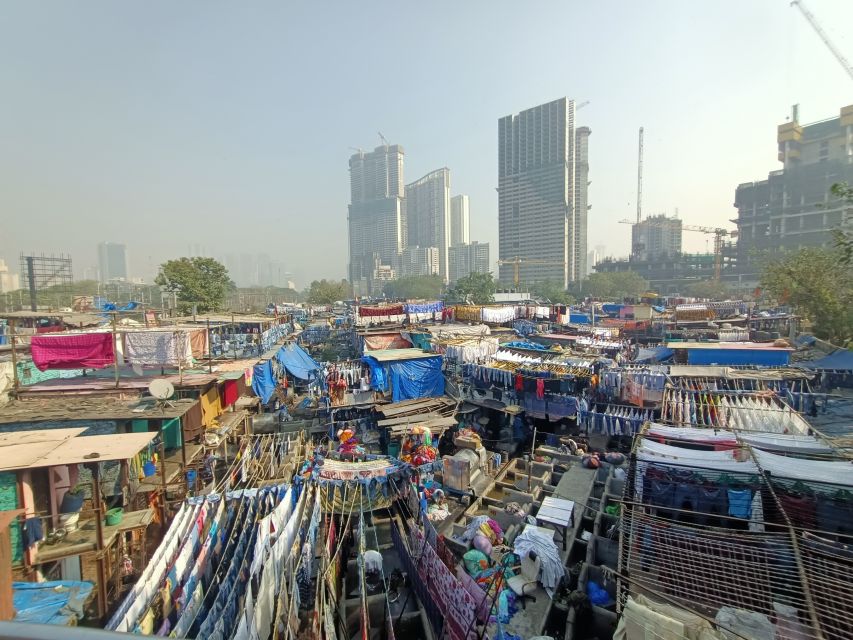
- Dhobi Ghat at work with washermen scrubbing and bleaching clothes on open wash pens
- Dadar flower market color where people bargain for fresh supplies for the day
- A guided route that keeps you moving with pickup and drop built in
Why Mumbai’s dawn markets feel different (and useful)
Mumbai in the morning isn’t just pretty. It’s practical. This tour is designed around the idea that fresh food and daily essentials have to move fast, long before most visitors arrive.
You’ll spend your time watching people do their jobs: newspaper vendors, flower and vegetable wholesalers, fish grading and auctioning, and the laundry workflow at Dhobi Ghat. That’s the real value here. Instead of just taking photos at landmarks, you get to see the systems behind everyday life.
And yes, it’s early. But early also means less waiting around, fewer tour buses, and more genuine momentum. If you like seeing how cities actually operate, this is the kind of morning experience that makes the rest of your trip easier to understand.
You can also read our reviews of more tours and experiences in Mumbai.



Gateway of India at sunrise: the warm-up stop
The tour starts around the Gateway of India area with a guided sunrise-style visit. It’s a short segment—about 20 minutes—so treat it as a mood-setter more than a big sightseeing lesson.
This is where you get your bearings. The skyline and shoreline give you context for what you’re about to see: a city that runs on ports, trade, and movement. If you’ve never seen Mumbai from this angle, it helps you connect the later stops—especially the docks and markets—to the geography they depend on.
Practical tip: dress for cool morning air and bring something you can layer. Mumbai mornings can feel mild while mornings are still early, and you’ll walk through active areas where you want comfort more than style.
Chhatrapati Shivaji Maharaj Terminus and the newspaper-sorting morning
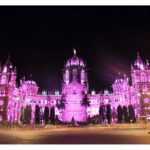
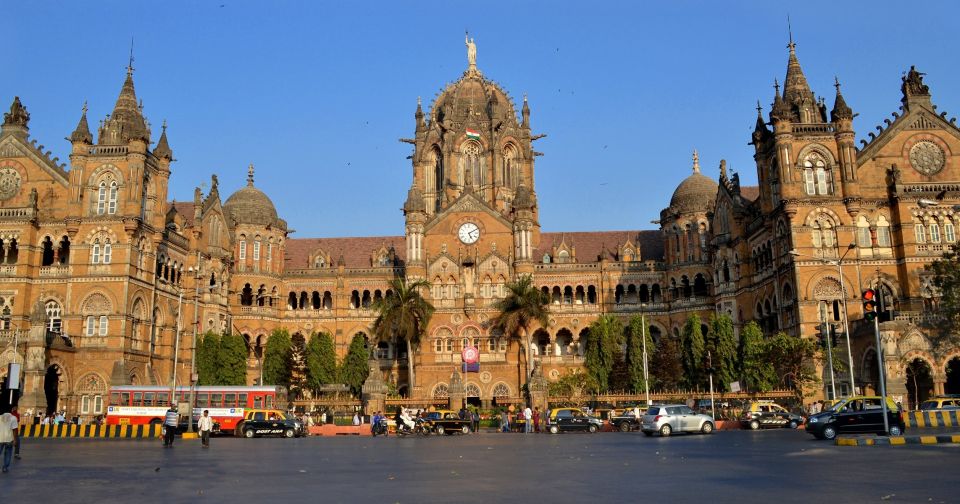
Next comes Chhatrapati Shivaji Maharaj Terminus, known for architectural drama and daily movement. At dawn, it also acts like a massive sorting ground for newspapers, turning the station area into a kind of distribution engine.
You’ll also hear about how busy it is—CST sees an enormous number of daily footfalls. That scale matters. When you’re standing there early, it helps you understand how Mumbai works: information, goods, and people keep flowing even when you’d expect the city to slow down.
What I like about this stop is that it’s not just about appreciating a landmark. It’s about seeing a functional part of the city’s infrastructure. If you’re the type who likes how things connect—stations to deliveries, deliveries to daily life—CST is a strong anchor point.
Crawford Market and Marine Drive: city-life links, not tourist-only stops
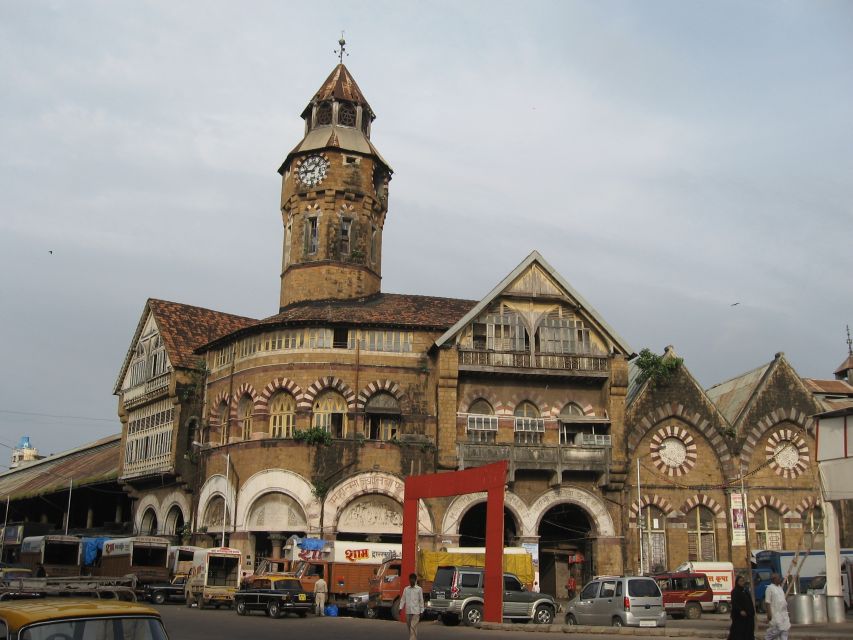
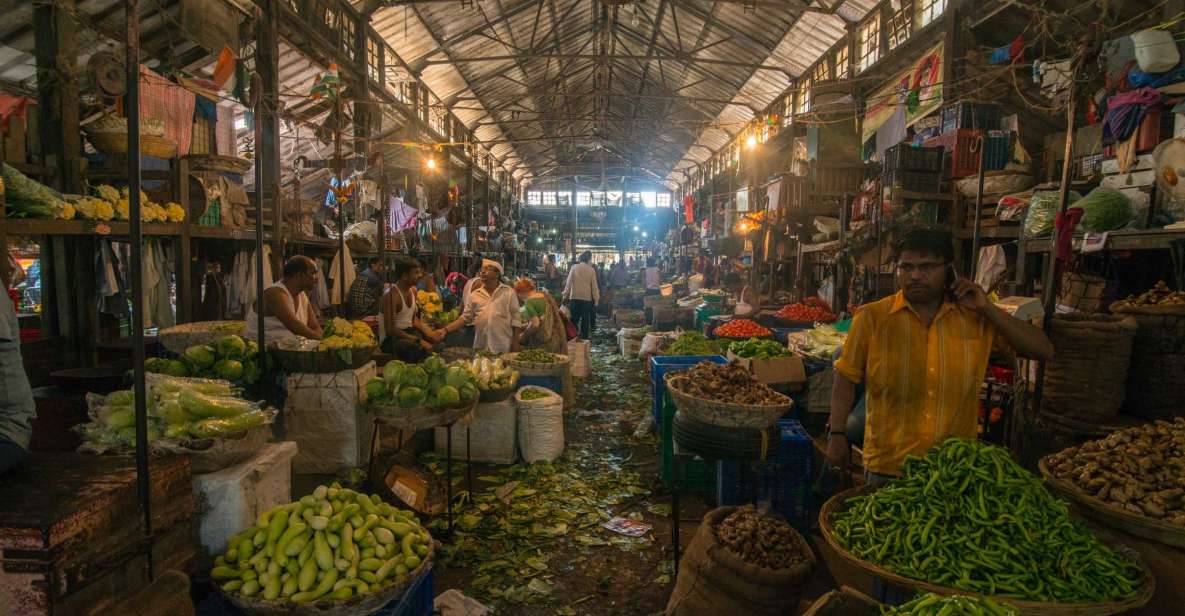
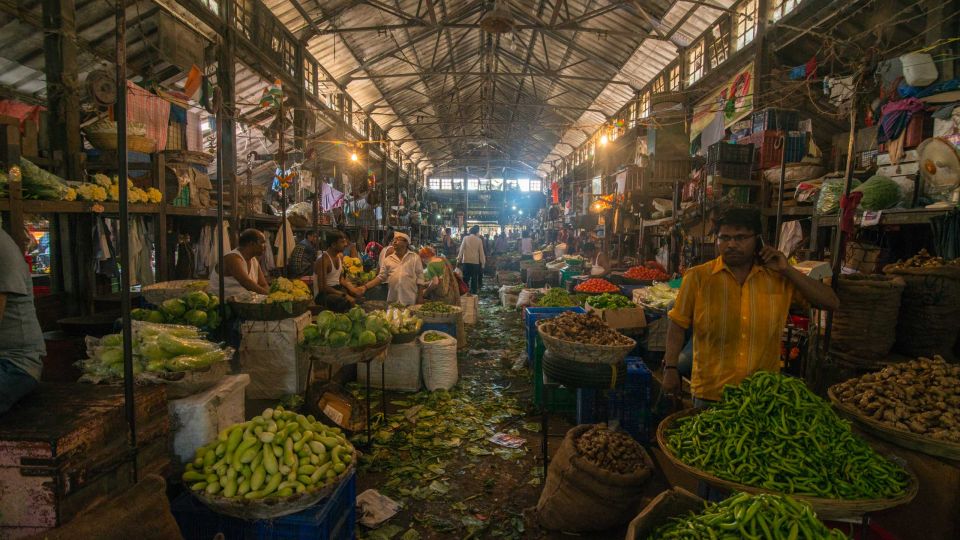
After the station, you move to Crawford Market for a guided walk and then to Marine Drive for another short viewing stop.
Crawford Market fits the tour’s theme: trade, stalls, and the pace of early buying and selling. Even if you’re not planning to shop, the atmosphere gives you the same message you’ll see later at Dadar and the docks—Mumbai mornings are built for speed and freshness.
Marine Drive, by contrast, gives you a breather. It’s still a city moment, but in a different way. You can look out, take in the line of the coast, and reset your senses before Dhobi Ghat and the fish dock shift the experience from street life to work that has a stronger smell and texture.
Dhobi Ghat at dawn: the washermen workflow you can actually see
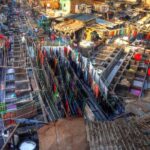
Dhobi Ghat is one of the most striking stops on this whole route. You’ll watch thousands of dhobis (washermen) working in open concrete wash pens—scrubbing, washing, and bleaching clothes as part of the daily routine that keeps linens moving for hotels, hospitals, and neighborhood laundries.
The numbers shared for this place are eye-opening: more than 7,000 dhobis wash more than 1 lakh clothes every day. Whether you remember every statistic or not, the key takeaway is scale. This isn’t a small neighborhood task. It’s a city service.
A few practical notes:
- Expect sensory impact. Laundry involves water and strong smells. It’s part of the reality you came for.
- Wear shoes you can stand in for a bit of time. You’ll be looking at a working setup, not just posing by a wall.
- Take photos only when you can do it respectfully. You’re there to observe labor, not turn it into a spectacle.
This is the stop that makes the tour feel grounded. It turns Mumbai from a list of attractions into a picture of how daily services get done.


Dadar flower market: bargaining, scent, and the fresh-supply mindset
Then you head to the flower market in Dadar. The emphasis here is on morning freshness, color, and the kind of bargaining that happens when people are trying to secure supplies for the day ahead.
It’s timed to feel like a live supply chain. When you see wholesalers and buyers interacting early, you understand why dawn matters across Mumbai’s food and goods world. This stop also gives you a change from the fish and laundry intensity: flowers are visual, aromatic, and lighter on the nose.
What makes it worth your attention is that it connects to the tour’s bigger theme. You’re seeing multiple branches of the same system—newspaper sorting, fresh produce distribution, and flower buying—tied together by the idea that mornings are when the city’s needs get met.
Sassoon Dock and the Bombay Duck fish auction
If you want one moment that justifies the early start, it’s Sassoon Dock. This is a wet dock experience and it’s open to the public, which helps you observe without needing special access.
Here’s what stands out:
- You’ll see fish arriving and being graded, including an arrival of about 50 tonnes of fish.
- You’ll witness a one-of-its-kind fish auction of the famous Bombay Duck.
- You also take a short distance train ride as part of getting around the dock area.
This stop is intense in the best way. It’s not a staged market with vendors politely waiting for tourists. It’s grading, bargaining, and auctioning—work in motion.
The tour also includes an end-of-tour morning prayer at a famous place of worship, which adds a calmer note after the busy market-and-dock energy. If you’re the sort of person who likes that contrast, it’s a nice finishing touch before you’re dropped back off.
Practical tip: bring a sense of humor about your own expectations. Fish auctions are exactly what they sound like. If you’re expecting a gentle cultural show, you’ll be surprised. If you’re open to real working life, you’ll remember it for years.
Tour logistics: pickup, private group pacing, and how to prepare
This is a private group tour with pickup and drop included. The guide is live and English-speaking, and the total duration is 4 hours. The pacing is designed for early-morning efficiency: short guided visits and walks rather than long hangs at any one spot.
Pickup is straightforward. You wait in your hotel lobby about 10 minutes before your scheduled pickup time. Since you’re starting early, that means you’ll want to plan your night before with sleep in mind.
What to pack mentally:
- You’ll be moving through markets and working areas, so keep expectations realistic.
- You’ll likely spend time outside, including around dense activity areas, so dress in breathable layers.
- Bring a small bag for basics like tissues or something to handle strong smells—without turning it into a whole production.
Also, the tour includes “skip the ticket line,” which is helpful for time. When you’re on a tight morning schedule, saving minutes matters.
Price and value: $89 for a private group up to 2
The price is $89 per group, up to 2 people, for a 4-hour experience. That makes this tour easiest to justify if you’re traveling as a pair. In that case, the value feels more personal: you get private guiding while still hitting multiple major working-life stops.
You’re not paying only for sightseeing. You’re paying for:
- early access to dawn work routines,
- guided context at each stop,
- pickup and drop,
- and a route that covers very different parts of Mumbai’s morning economy in just 4 hours.
If you’re the kind of traveler who hates spending mornings standing in line or waiting for tours to start, this can be a good deal. You’re out when the city is actually doing its thing.
If you’re traveling solo, the overall cost can feel higher in terms of value per person because it’s priced around a group size limit. Still, if early-morning culture and food/market systems are your thing, you may find it worth it.
Who this Mumbai by Dawn Tour suits best
This is a strong match for you if:
- you love markets and you want more than a quick photo stop,
- you’re curious about how food and essentials move through a city,
- you don’t mind strong smells and working environments,
- and you can handle an early morning schedule.
It may be less ideal if you want a relaxed start, prefer quiet sightseeing, or feel uncomfortable around labor-focused scenes. The tour is respectful and guided, but it’s not sanitized. It’s built around the real dawn work of Mumbai.
Should you book the Mumbai by Dawn Tour?
I’d book this if you want the most meaningful kind of Mumbai morning: one where you see systems behind the scenes. The combination of CST’s dawn sorting vibe, Dhobi Ghat’s laundry labor at scale, and Sassoon Dock’s fish grading and Bombay Duck auction gives you a well-rounded snapshot of a working city.
If you’re on the fence, here’s the deciding question: are you okay getting up early before the city feels fully awake? If yes, this tour can turn Mumbai from familiar images into something you truly understand.
If you’d rather start later and you mainly want landmark photos, you may feel the early timing more than the benefits. But if you like early, real, and guided, this one is a smart pick.
FAQ
How long is the Mumbai by Dawn Tour?
It’s 4 hours.
Where does pickup happen?
Pickup is included, and you meet in your Mumbai hotel lobby. You should wait about 10 minutes before your scheduled pickup time.
Is this tour private?
Yes. It’s a private group.
What language is the tour guide?
The live tour guide speaks English.
What are the main areas this tour covers?
You visit the Gateway of India area, Chhatrapati Shivaji Maharaj Terminus (CST), Crawford Market, Marine Drive, Dhobi Ghat, the Flower Market in Dadar, and Sassoon Dock.
Do you see a fish auction on this tour?
Yes. At Sassoon Dock you’ll see a fish auction, including the famous Bombay Duck.
Is Dhobi Ghat included?
Yes. Dhobi Ghat is one of the stops, with guided sightseeing of the washermen wash pens.
Does the tour include any transport within the day?
Yes. At Sassoon Dock, you take a small distance train ride.
Is there free cancellation?
Yes. You can cancel up to 24 hours in advance for a full refund.