REVIEW · MUMBAI
Mumbai Dharavi Slum, Dhobi Ghat & Dabbawala Lunchbox Tour
Book on Viator →Operated by Cityscape Mumbai Tours · Bookable on Viator
Mumbai runs on routine. This 3.5-hour small-group tour strings together the dabbawallas who move lunchboxes across the city with Dhobi Ghat’s open-air laundry and Dharavi’s everyday work life, guided by people who know the pathways you’d never find alone. You may even get one of the kind, calm guides people talk about—Javed and Subhan are names that come up for a reason: they help you connect the dots instead of rushing you through scenes.
I like how personal the experience feels with a max group size of 15. I also love the way it builds understanding step by step: the lunchbox network, then Dhobi Ghat’s open-air washing tradition with hundreds of “dhobis,” and finally Dharavi with a local guide who can explain daily life without turning it into a spectacle. One possible drawback: you’re visiting three intense, real-world places in one go, so if you prefer quiet sightseeing or you get overwhelmed by close-up human realities, plan a little extra decompression after.
In This Review
- Key Things to Know Before You Go
- The Mumbai Trio That Makes Sense in 3.5 Hours
- Meeting at Churchgate, Ending at Mahim
- Dabbawala Tribute Statue: The Lunchbox System Behind Daily Life
- Dhobi Ghat Open-Air Laundry: Watching Work Happen at Human Speed
- Dharavi with a Local Guide: Everyday Work and Community
- How the Guide Changes the Experience (Javed, Subhan, and the Calm Explanations)
- What’s Included in the Price (and What That Really Means for Value)
- Timing, Timing, Timing: How to Plan the Rest of Your Day
- Who This Tour Fits Best
- Should You Book the Mumbai Dharavi, Dhobi Ghat & Dabbawala Tour?
- FAQ
- How long is the tour?
- Where does the tour start and end?
- What time does the tour begin?
- What’s included in the price?
- Is Dhobi Ghat admission included?
- How many people are in the group?
Key Things to Know Before You Go
- Small group pace (15 max): easier questions, less waiting, more time with your guide
- Three everyday institutions: lunch delivery, open-air laundry, and life in Dharavi
- Dabbawala culture first: a quick start that makes the rest of the tour click
- Dhobi Ghat’s scale: hundreds of dhobis handling thousands of clothes each day
- Local-guided Dharavi: you see everyday work life through people who know the community
The Mumbai Trio That Makes Sense in 3.5 Hours
This tour works because it’s not chasing monuments. It’s chasing systems—how people keep a city moving when the work is repetitive, time-sensitive, and shared by thousands of hands. You’ll start with the lunchbox world, shift to clothes being washed at Dhobi Ghat, and then end in Dharavi, where daily life and work sit side by side.
I like that the day has clear structure. You don’t hop randomly from place to place, and you don’t spend half your time figuring out where you are. Instead, you get an orderly route through three locations that each tell a different part of Mumbai’s “how things run” story.
The other smart choice is the small-group size. With a group capped at 15, you don’t feel like one extra body in a funnel. You can ask follow-ups and get answers that actually match what you’re seeing.
You can also read our reviews of more tours and experiences in Mumbai.



Meeting at Churchgate, Ending at Mahim
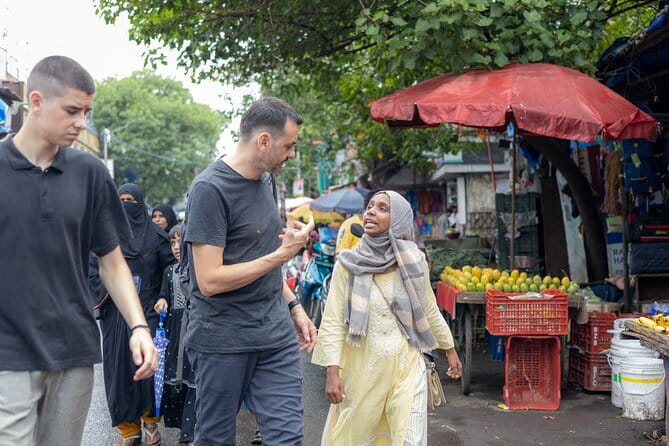
The tour starts at 11:30 am at Burger King Express Building, Railway Station area, Churchgate—specifically No. 14E, IMC Marg, opposite Churchgate. You’ll end at Third Wave Coffee on Tip Road in Mahim (Unit no. 58, Ground), right opposite Mahim Railway Station. After the final segment in the area, your guide helps you get back to your hotel or onward destination.
That end point matters more than it seems. If you’re planning the rest of your day, Mahim is a handy place to pivot from. You’re not stuck feeling stranded at a weird edge of nowhere.
Also, the tour includes bottled water and transportation used during the tour, plus all fees and taxes. Alcoholic beverages aren’t included, so if you like to unwind with a drink afterward, plan that on your own.
Dabbawala Tribute Statue: The Lunchbox System Behind Daily Life
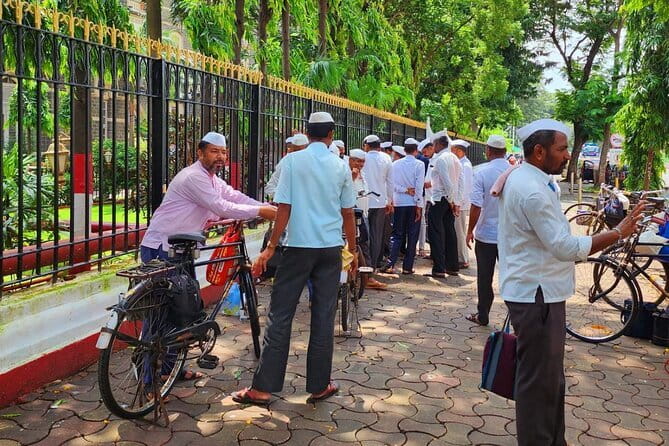
You begin with a dabbawala tribute stop—a simple starting point that sets the theme: Mumbai’s lunch delivery experts and how their work keeps thousands of meals on track. The key detail here is scale and endurance. This network has been running for over 130 years, and it’s known for moving meals with serious consistency.
Even if you’ve heard about dabbawallas before, a tribute stop gives you a grounded entry. It turns the story from a headline into something more human and local. You’re not just hearing about a clever idea. You’re seeing the idea treated like part of the city’s infrastructure.
Time on this portion is short—about 40 minutes—and that’s a good thing. It doesn’t drag. It gives you the context you need before the tour shifts to other daily routines.
One practical tip: treat this early part like orientation. Pay attention to how the lunchbox system is explained, because it becomes the reference point you’ll keep using when you see the next two places.
Dhobi Ghat Open-Air Laundry: Watching Work Happen at Human Speed
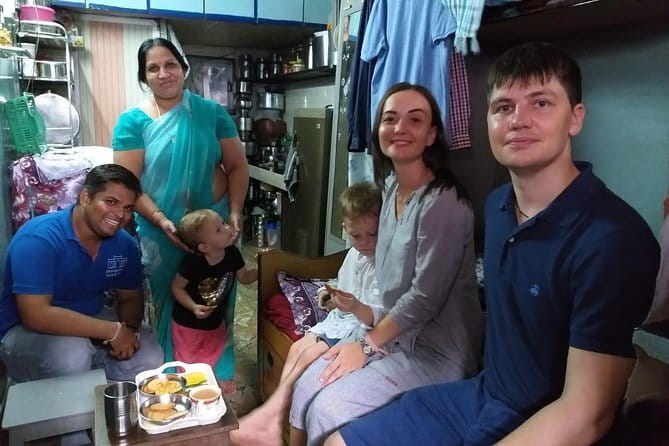
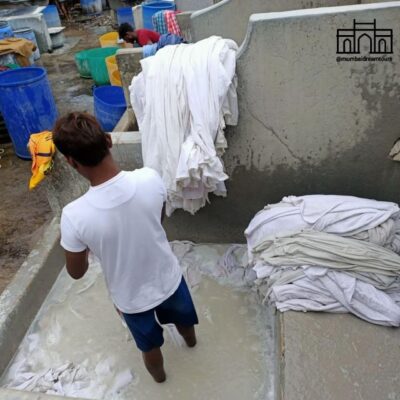
Next comes Dhobi Ghat, described as the world’s largest open-air laundry. Here, hundreds of washermen called dhobis handle thousands of clothes each day. The scene is working life at close range: steady labor, repeated actions, and a workflow that depends on rhythm and timing.
You’ll spend about 35 minutes here, with admission included. That length is enough to notice patterns without turning it into a long slog. You get a sense of what open-air washing means in practice and why this isn’t just a tourist stop for photos.
Here’s the balance I appreciate: Dhobi Ghat isn’t presented as a museum piece. It’s a living workplace. So your mindset should be respectful and curious, not performative. You’ll likely learn how their routines connect to the larger Mumbai machine you started understanding at the dabbawala stop.
What to consider: close-up laundry work is sensory. Even if the tour keeps things efficient, you should expect the sensory side of real jobs—humidity, wet surfaces, and lots of activity happening right around you.
If you’re someone who prefers quiet commentary, bring patience. This is the kind of place where you’ll understand better when you let your guide translate what your eyes are seeing.
Dharavi with a Local Guide: Everyday Work and Community
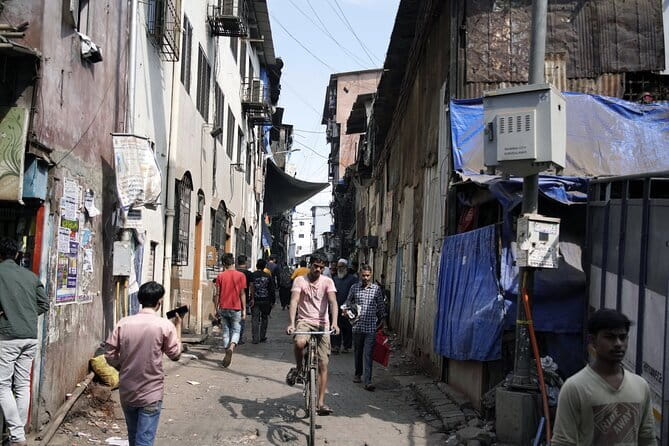
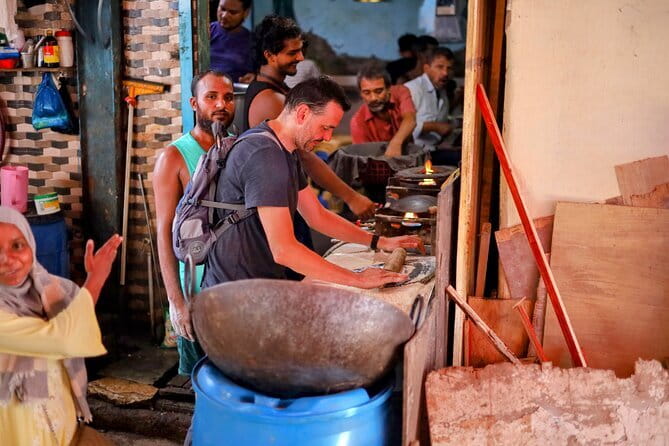
The final stop is Dharavi, described as the largest slum in India and one of Asia’s largest. The tour frames it carefully: Dharavi is not just a place to look at. It’s a place where thousands live, and where the day includes industry and resilience.
You’ll spend about 1 hour 15 minutes in this part, and admission is free. That’s long enough to feel you’ve moved beyond surface-level impressions. It’s also short enough that the focus stays on meaning rather than overwhelm.
The biggest value here is the guide’s role. The tour includes a local guide who knows the community inside out, and that matters because a place like Dharavi can feel confusing if you’re only seeing what a visitor can see from the outside. With local guidance, you’re more likely to understand the why behind daily life—how people organize work, how neighborhoods function, and how routines keep going.
Based on what people highlight most, the guides tend to steer conversations toward daily routines and practical realities, rather than turning the area into a shock-value stop. If your goal is to understand how Mumbai works at street level, this is the part that does it.
One key consideration: this is a heavy subject by nature. You don’t need to force emotions, but you should expect the visit to leave a mark. If you’re the type who likes to keep sightseeing light, you might want to balance this day with calmer plans afterward.




How the Guide Changes the Experience (Javed, Subhan, and the Calm Explanations)

Two guide names come up for the right reasons: Javed and Subhan. The common thread is that they focus on daily life and the logic of what you’re seeing.
In practical terms, that means you don’t just hear facts. You get context that helps you interpret the places while you’re inside them. People also mention that the guides help visitors feel welcome and at ease—important for places where it’s easy to feel awkward, lost, or unsure how to behave.
This tour is built around the idea that you get access to places you can’t find on your own. The guide is what makes that true. Without the local explanations, you’d still see three places, but you’d miss the relationships between them.
A small group helps here too. If you’re standing next to someone who asks good questions, you benefit. If you’re the one with questions, you get to ask.
What’s Included in the Price (and What That Really Means for Value)
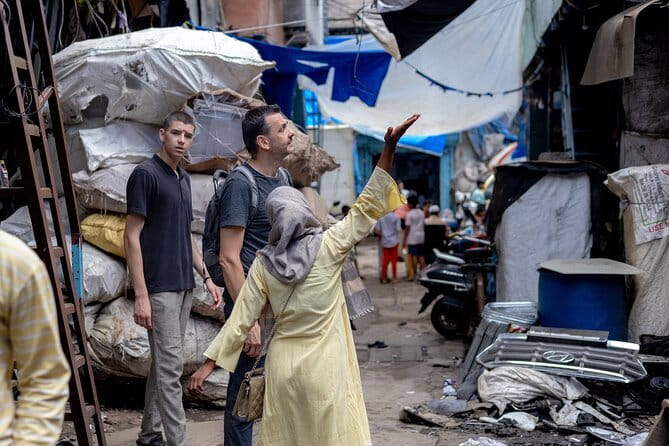
The price is $18.33 per person, and for that you get a guided outing of about 3 hours 30 minutes, plus bottled water and transportation used during the tour. The tour also includes all fees and taxes.
So what are you paying for? Not just entry fees. You’re paying for:
- a route that strings together three specific institutions in an orderly way
- transportation support during the tour
- guide context that helps you understand what you see
- water to keep you comfortable during a half-day block
Admission is handled in a practical way too. The dabbawala tribute stop has free admission, Dhobi Ghat’s admission is included, and Dharavi’s admission is free. In other words, you’re not constantly stopping to sort out what costs extra.
Compared to random “see these sites” tours, this feels like a decent value because the tour is more about interpretation and access than about ticking boxes. That said, it’s also a good reminder that you’re getting a compact experience. This is not a slow, deep study of one topic. It’s a smart overview that can leave you wanting to learn more afterward.
Timing, Timing, Timing: How to Plan the Rest of Your Day
The tour runs about 3 hours 30 minutes, starting at 11:30 am. That makes it a good choice for a half-day schedule. You can plan breakfast, then do this, then still have time for an afternoon activity.
Because the route ends in Mahim, I’d plan something nearby or aim for a relaxed next stop. You’ll likely want downtime after Dharavi. Even if the tour is well-managed, it’s not the kind of experience you’ll forget quickly.
Also, the tour is near public transportation, and you’ll receive a mobile ticket. So you’re not stuck with complicated paper logistics.
Who This Tour Fits Best
This is a strong match if you want:
- a first-time Mumbai experience that feels about how the city works
- a guided visit that connects three everyday systems you’d otherwise struggle to understand
- an outing with enough time to ask questions, without spending all day
It may be less ideal if you:
- dislike intense human realities and prefer only light entertainment sightseeing
- want a long, slow-paced visit to one single site
- struggle with busy working environments, even when the tour is organized
In plain terms, this tour is for people who like meaning as much as visuals.
Should You Book the Mumbai Dharavi, Dhobi Ghat & Dabbawala Tour?
If your idea of a great day in Mumbai is everyday life—how lunch arrives, how laundry gets cleaned, and how communities organize work—then yes, book it. The small group, the guide’s ability to explain daily routines, and the clear, efficient route make the experience feel both manageable and memorable.
I’d also say it’s worth it at $18.33 because you get transportation support, bottled water, and the right mix of included access without turning the day into paperwork. Just go in with the right mindset: respectful curiosity, not checklist tourism, and leave space afterward to decompress.
FAQ
How long is the tour?
The tour is approximately 3 hours 30 minutes.
Where does the tour start and end?
It starts at Burger King Express Building at Churchgate (No 14E, IMC Marg, opposite Churchgate). It ends at Third Wave Coffee on Tip Road in Mahim, directly opposite Mahim Railway Station.
What time does the tour begin?
The start time is 11:30 am.
What’s included in the price?
Included are bottled water, transportation used during the tour, and all fees and taxes.
Is Dhobi Ghat admission included?
Yes. Dhobi Ghat’s admission is included.
How many people are in the group?
The tour has a maximum of 15 people.