REVIEW · MUMBAI
Private & Exclusive: Mumbai Sightseeing and Religious Trail
Book on GetYourGuide →Operated by Mumbai Excursions · Bookable on GetYourGuide
Mumbai gets spiritual fast. This private, English-led route pairs city icons like the Gateway of India with major faith stops, including Siddhivinayak Temple. I like that it feels organized without feeling like a school lesson.
I also like the balance between showpiece architecture and real religious landmarks, so you’re not just ticking boxes—you’re seeing how different communities share the same city. The big consideration: the dress code is strict, and it’s not a casual tour for jeans and a T-shirt. You’ll need fully covered clothes and long pants.
In This Review
- Key highlights worth planning for
- What This 8-Hour Mumbai Religious Trail Really Covers
- Hotel Pickup, Air-Conditioned Vehicle, and Getting Through Mumbai Traffic
- City Sightseeing Stops: Gateway of India to Colaba Causeway
- Heritage buildings and civic landmarks
- The harbor outlook and classic skyline
- Streets that show how people actually shop and live
- Markets, sports stops, and everyday Mumbai corners
- The Religious Route: Siddhivinayak, Haji Ali, Ban Ganga, Jain Temple, Mount Mary
- Siddhivinayak Temple (Ganesha)
- Haji Ali Mosque (on the Arabian sea)
- Ban Ganga Tank (Ganges water feeling)
- Jain temple (a high-end spiritual site)
- Mount Mary church (famous Christian stop)
- Skip-the-line value and how to use it well
- Dress code and etiquette: long pants and full coverage
- Timing, lunch reality, and keeping the day enjoyable
- Price and value: is $72 per person fair?
- Who should book this Mumbai sightseeing + religious day (and who should skip)
- Should you book this Mumbai Sightseeing and Religious Trail?
- FAQ
- How long is the private Mumbai sightseeing and religious tour?
- Where do you get picked up and where do you get dropped off?
- Is this tour private or shared?
- What language is the live tour guide?
- Does the tour include skip-the-ticket-line access?
- What should I wear or bring for the religious sites?
- What payment and cancellation flexibility do I get?
Key highlights worth planning for
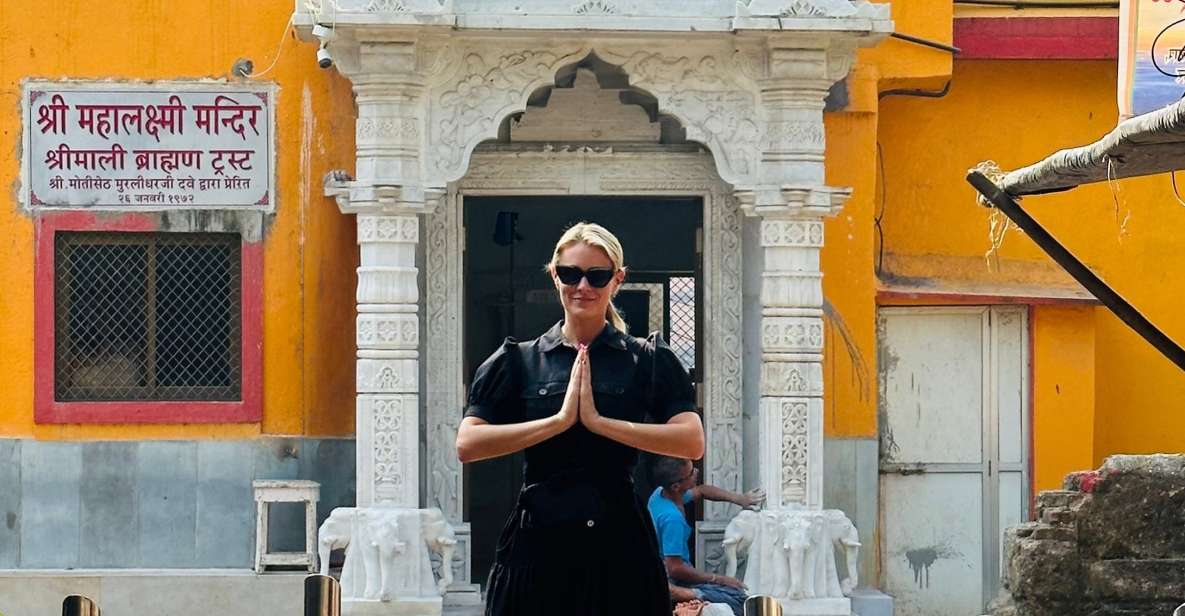
- Private group focus means your guide can tailor the pace and handle individual requests, like dinner takeout help.
- English-speaking live guide keeps the stories clear, with past guides including Shruti and Neha.
- Skip-the-ticket-line access at included stops can save time during a packed day.
- City sights + spiritual sites in one route: Gateway of India, Marine Drive, and Colaba Causeway alongside Siddhivinayak, Haji Ali, Ban Ganga Tank, Jain temple, and Mount Mary.
- Driver-led comfort in traffic matters here; guides have worked with drivers like JQ, Sultan, and Hassan who prioritize safe driving.
What This 8-Hour Mumbai Religious Trail Really Covers
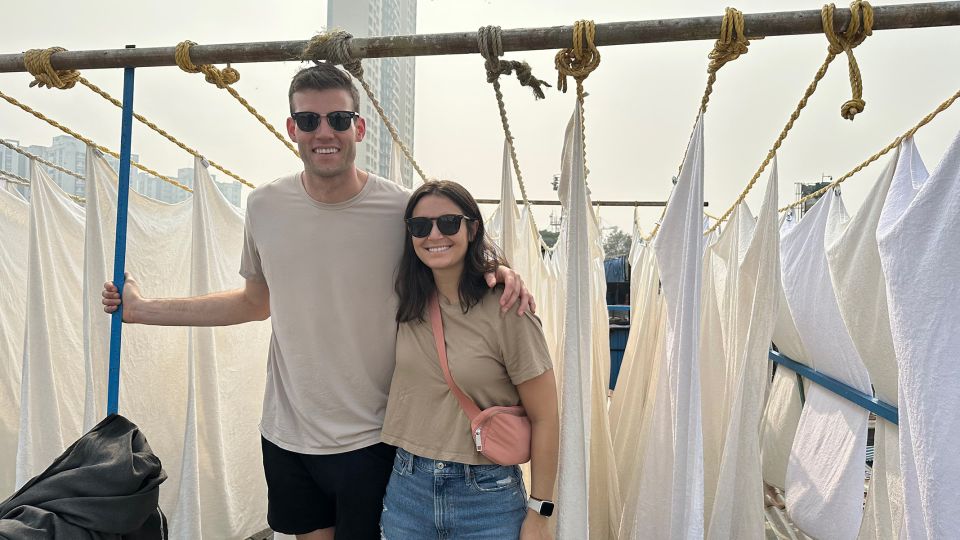
This is a full-day format: city sightseeing plus a religious route, all in one 8-hour block. On the city side, you’ll pass by (and in some cases stop near) some of Mumbai’s most recognizable landmarks—from colonial-era buildings and famous viewpoints to major public places tied to daily life, sports, and markets.
On the religious side, you’re taken to a set of highly recognizable Mumbai faith stops. The lineup includes Siddhivinayak Temple (known as the most famous Ganesha temple of India), Haji Ali Mosque (built on the Arabian sea), Ban Ganga Tank (a place where you can feel Ganges river water), a Jain temple (described as one of the most expensive temples of India), and Mount Mary church (described as the most famous church in India). That mix matters because Mumbai is not one-tempo culture—it’s multiple faiths living side by side.
The tour’s “why it works” idea is simple: you get a clear arc through the city first, then you spend the religious portion on places that visitors and locals actively treat as meaningful, not just historic.
You can also read our reviews of more private tours in Mumbai
Hotel Pickup, Air-Conditioned Vehicle, and Getting Through Mumbai Traffic
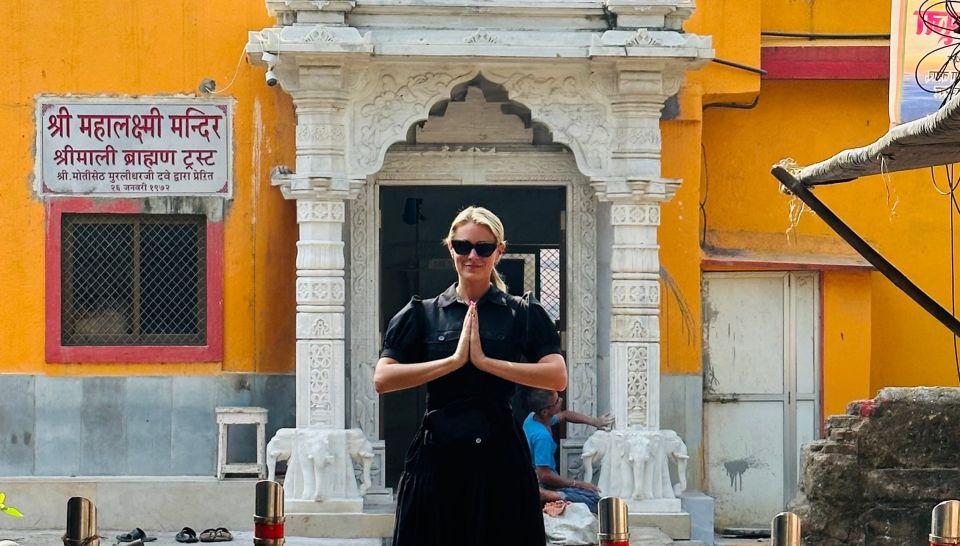
Pickup is straightforward: your English-speaking tour guide meets you at your hotel lobby, and you start in an air-conditioned vehicle. Drop-off is back at your hotel in the same vehicle. In a city where traffic can feel like a slow-motion puzzle, that kind of door-to-door setup is genuinely useful.
The quality signal here is the teamwork between guide and driver. In past experiences, Shruti guided with strong English and a patient, open style, paired with JQ driving safely through Mumbai traffic. Other pairings also highlighted careful driving—Neha with Sultan, and Shruti or Hassan showing escort-style help so you can move around comfortably. You’re not just sitting in a car; you’re being guided through the day like a small plan, not a chaos experiment.
If you’re the type who gets anxious when your itinerary has lots of moving parts, this private format helps. You can ask questions along the way, and the group stays tight.
City Sightseeing Stops: Gateway of India to Colaba Causeway
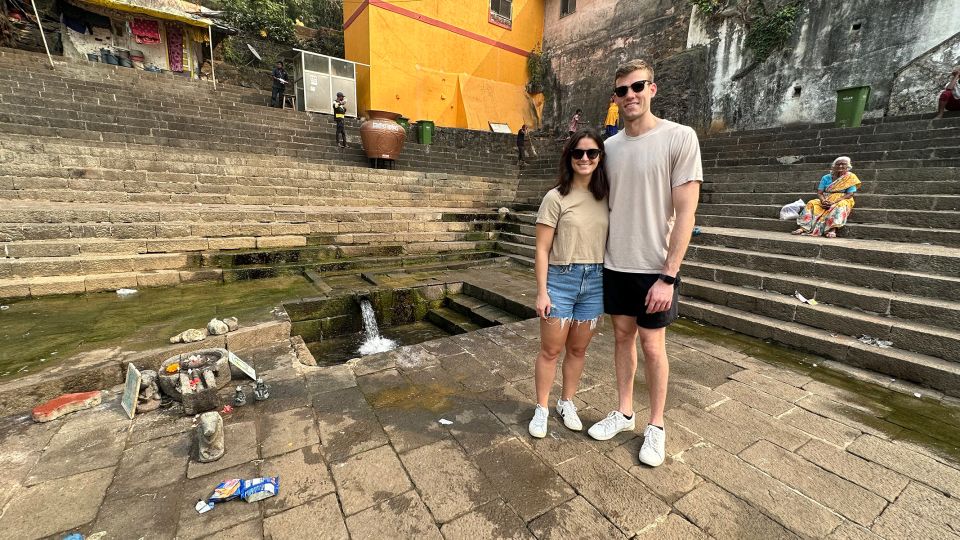
The city portion is long, so it’s set up for variety. You’ll start in the heritage-and-institutions zone and then move toward the harbor and tourist classic areas.
Here’s how the city route tends to feel, stop by stop:
Heritage buildings and civic landmarks
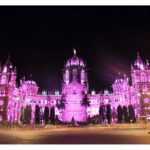
You’ll see major landmarks tied to Mumbai’s civic identity, including Victoria Train Station, the Municipal Corporation Office, and Maharashtra Police Head Quarters. You’ll also pass the Big Ben Clock of India and Bombay High Court. These stops help you understand the city’s “public face”—the architecture that signals how Mumbai was shaped by rule, governance, and trade.
The harbor outlook and classic skyline
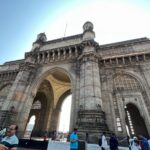
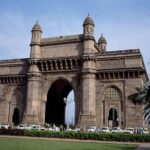
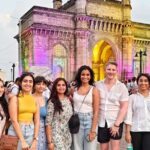
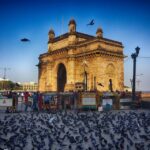
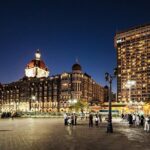
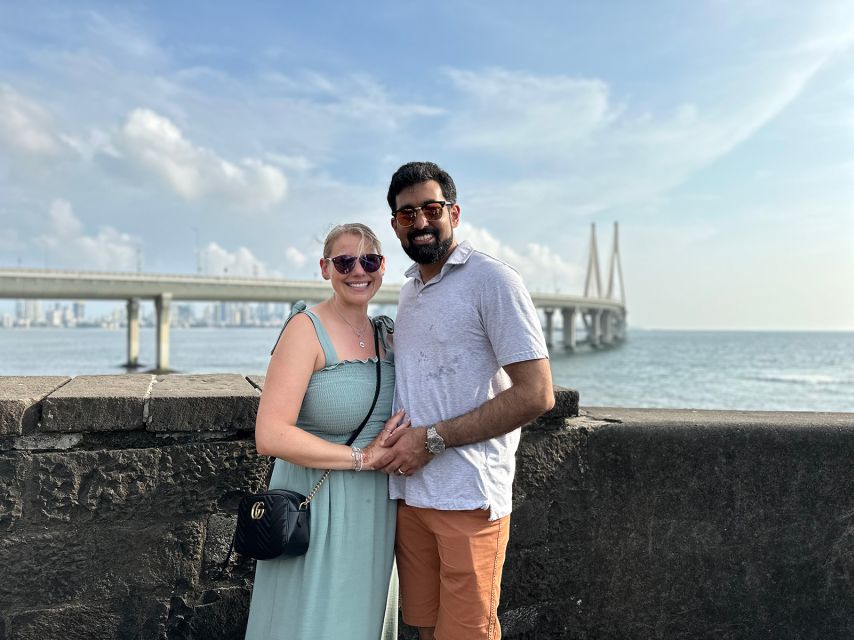
No Mumbai “first day” feels complete without the Gateway of India. You’ll also get views toward Taj Mahal Palace Hotel, Sassoon Dock, Nariman Point, and Marine Drive. This is where the day shifts from buildings to atmosphere: sea air nearby, open viewpoints, and the kind of places you can photograph even if you’re not a photographer.


Streets that show how people actually shop and live
Toward the end of the city loop, you hit shopping zones designed for real browsing. Colaba Causeway is for street shopping and souvenirs. Then you move into Crawford Market, including the spice market vibe and specialty sections like Pets Market and Dry-fruits Market.
This part is valuable because it’s not only about seeing big names. It’s about understanding what people buy in Mumbai—spices, dried goods, everyday items—so you walk away with memories you can taste.
Markets, sports stops, and everyday Mumbai corners
The itinerary includes several “in-between” landmarks that make the city feel less like a museum and more like a living place. For example:
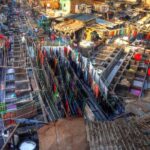
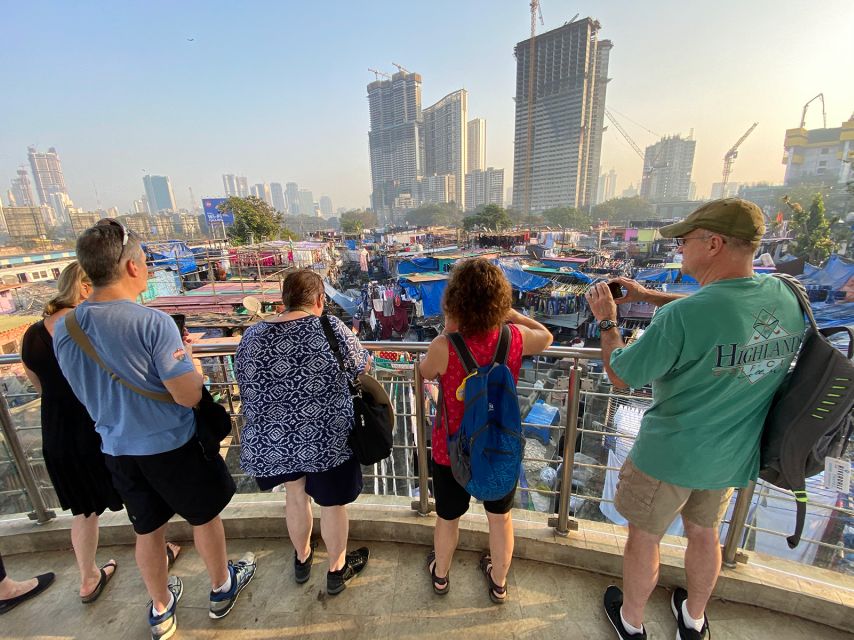
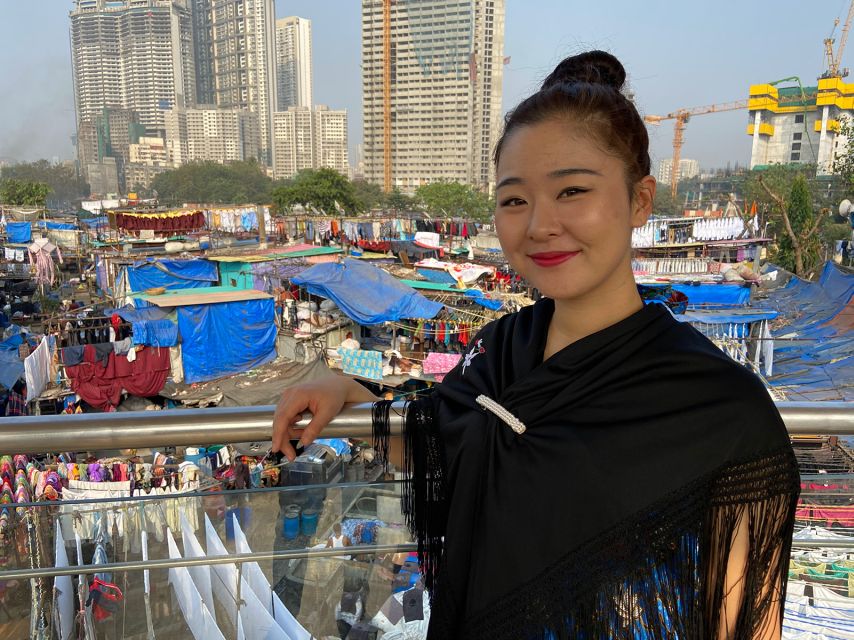
- Dhobi Ghat is listed for you to encounter as part of the daily-life pulse.
- Afghan Church shows up as a notable historic church stop in the route.
- Flora Fountain appears as a recognizable city landmark.
- You’ll also pass Oval Cricket Ground and Mumbai University, which gives you a sense of what the city invests in beyond tourism.
There’s also a stop at Shane Watson Hotel and the Hanging Garden / Kamla Nehru Park area listed later in the sightseeing sequence. These aren’t “must-see” in the same way as the Gateway, but they add texture. They show how Mumbai mixes modern recognition, public space, and older street identity.
One practical note: with this many stops packed into a day, you’ll want your brain to switch modes often. Some places are quick view-and-learn moments; others are more time-focused. That’s normal for an 8-hour private route.
The Religious Route: Siddhivinayak, Haji Ali, Ban Ganga, Jain Temple, Mount Mary
This is the part of the day that gives the tour its name—and it’s where the emotional tone changes. You go from city visuals to places people treat as prayer destinations. That’s why the guide matters: you want explanations that help you understand what you’re seeing.
Siddhivinayak Temple (Ganesha)
Siddhivinayak Temple is the best-known stop on the list. It’s described as the most famous Ganesha temple of India. Expect a focused atmosphere where worship is the main event, not sightseeing.
Because this is a religious site, your role is simple: observe, follow guidance from your guide, and keep your clothing fully covered. The tour’s dress code requirement isn’t just for comfort—it helps you respect the space.
Haji Ali Mosque (on the Arabian sea)
Next up is Haji Ali Mosque, described as built on the Arabian sea. This “set-piece location” is exactly why it makes sense in a city that’s so linked to coastlines. The setting makes the mosque feel like a landmark in both geography and devotion.
Ban Ganga Tank (Ganges water feeling)
Then there’s Ban Ganga Tank, where you can feel Ganges river water. This is a spiritual detail that’s unusual enough to stick in your mind long after you return home. It’s also a reminder that religious practice in Mumbai often connects back to other sacred places.
Jain temple (a high-end spiritual site)
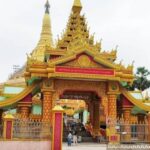
The route includes a Jain temple, described as one of the most expensive temples of India. Even if you don’t know Jain traditions, you’ll likely notice the care placed into the space. This stop adds another layer to the day: Jain worship traditions can feel distinct from Hindu and Muslim architecture and ritual rhythms.
Mount Mary church (famous Christian stop)
Finally, you visit Mount Mary church, described as the most famous church in India. This completes the faith “range” for the day: Hindu, Muslim, Jain, and Christian sites in one organized circuit. It’s also a good moment to slow down, since churches tend to invite quiet attention.
Skip-the-line value and how to use it well
The tour includes skip the ticket line, which can be a big deal on busy days. You’re not stuck waiting while your schedule shrinks. Instead, you spend the saved time with your guide’s explanations—especially helpful at places like Siddhivinayak and Haji Ali where crowds and expectations can build.
Just remember: skip-the-line doesn’t mean “no waiting at all.” Religious sites can still have movement rules and entry flow. The win here is that your overall day doesn’t collapse under queue time.
Dress code and etiquette: long pants and full coverage
This is the one “be responsible early” part. The tour requires:
- Long pants
- Fully covered clothes for all travelers
If you forget and show up in short clothing, you could lose time. So plan your outfit like you’re going to places of worship, not a city stroll. Keep something easy for warm weather too, because Mumbai can test your patience with heat.
Also, in religious spaces, keep your phone use respectful. If you’re unsure about what’s allowed, follow what your guide suggests.
Timing, lunch reality, and keeping the day enjoyable
The tour is 8 hours with a very full schedule. Lunch is not included. You can stop for a lunch break if you want, but you’ll manage it on your own during the day.
That matters because a day like this can feel long even in a car. I suggest you treat lunch as a planning decision, not a spontaneous one. If you’re prone to getting hangry, plan where you’d like that stop to happen. The private nature of the tour can make it easier to fit in a reasonable option.
One nice extra detail from past experiences: the guide team has handled individual requests, including helping with takeout for dinner. That’s useful if you’d rather spend the rest of your evening relaxing instead of searching while tired.
Price and value: is $72 per person fair?
At $72 per person for an 8-hour private group day, you’re paying for three things:
- Transportation in an air-conditioned vehicle with hotel pickup and drop-off.
- An English-speaking live guide who explains what you’re seeing and keeps things organized.
- A packed mix of city landmarks plus major religious sites, with skip-the-line included.
If you tried to build this yourself, you’d spend time coordinating entry timing, ticket queues, and route planning across a lot of locations. You’d also likely spend more mental energy navigating Mumbai traffic on your own. In that sense, the price is less about “cheap vs expensive” and more about paying to reduce friction.
And since it’s private, you don’t have to fight for attention or accept a strict group pace. The tone in earlier experiences has been welcoming and calm, even with a packed schedule.
Who should book this Mumbai sightseeing + religious day (and who should skip)
This is a strong fit if:
- You’re in Mumbai for a short time and want a single day that covers both famous city sights and major faith landmarks.
- You want an English guide who can explain historical and religious context in clear language.
- You’d rather ride with careful drivers than stress about navigating traffic and finding parking.
It might not be the right match if:
- You prefer slower, single-neighborhood exploring instead of a checklist-heavy route.
- You don’t want to follow dress code rules tied to visiting active religious sites.
The best part is the variety. You’ll see Mumbai from the skyline and the harbor side, then stand at temples and churches that give the city its deeper meaning.
Should you book this Mumbai Sightseeing and Religious Trail?
If you’re a first-timer, short on time, and want both Mumbai landmarks and major religious sites in one organized day, I’d book it. The private setup, English guide, safe-driving team, and skip-the-line access make it feel like a smoother way to get oriented.
The only real “don’t ignore this” item is the clothing rule. Wear long pants and bring fully covered options, so you don’t lose time at the religious stops. If you do that, you’ll end the day with photos, context, and a much clearer sense of how Mumbai’s faith communities show up in everyday space.
FAQ
How long is the private Mumbai sightseeing and religious tour?
The tour duration is 8 hours.
Where do you get picked up and where do you get dropped off?
Your English-speaking guide meets you at your hotel lobby, and you’re dropped back at your hotel in the same vehicle.
Is this tour private or shared?
This experience is a private group.
What language is the live tour guide?
The live tour guide speaks English.
Does the tour include skip-the-ticket-line access?
Yes, the tour includes skip the ticket line.
What should I wear or bring for the religious sites?
You should bring long pants, and all travelers must wear fully covered clothes.
What payment and cancellation flexibility do I get?
You can cancel up to 24 hours in advance for a full refund, and you can reserve now and pay later.