REVIEW · MUMBAI
Mumbai: Public Transportation Tour
Book on GetYourGuide →Operated by Mystical Mumbai · Bookable on GetYourGuide
Mumbai moves fast, and this tour follows it. In just 3 hours, you ride bus and train while hitting major sights without getting lost in the chaos. You also get a front-row view of how everyday life and big-ticket landmarks share the same streets.
I especially like the way the route strings together Victoria Terminus (CST) with film-fame context and then pivots to working Mumbai. The Dhobi Ghat stop is the kind of scene you rarely see up close on a normal sightseeing day. One possible drawback: it’s short and involves multiple rides plus walking, so if you hate crowds or want a slow, sit-down pace, you may feel rushed.
In This Review
- Key highlights to look forward to
- Why Mumbai by bus, train, and taxi makes sense in 3 hours
- Meeting at Regal Cinema in Colaba: the start that sets the tone
- Chhatrapati Shivaji Maharaj Terminus (CST): UNESCO rail grandeur and movie history
- Dadar Flower Market: roses, garlands, and a color-first break
- Dhobi Ghat (open-air laundry): seeing work, not a staged attraction
- Chor Bazaar via taxi: flea-market energy with a sightseeing brain
- Churchgate and the dabbawalas: lunch delivery as a living system
- Price and logistics: where the $38 actually goes
- Who this tour suits best (and who should rethink)
- What guides add: why the human touch shows up in the details
- Should you book this Mumbai public transportation tour?
- FAQ
- Where is the meeting point?
- What time does the tour start, and how long is it?
- Is transportation included in the price?
- What does the tour include besides transportation?
- Is this tour private, and is it in English?
- Is there an age limit?
- What’s the cancellation policy?
Key highlights to look forward to
- Chhatrapati Shivaji Maharaj Terminus (CST): UNESCO stop with a guided photo-and-walk segment
- Dadar Flower Market: quick sensory hit of roses, garlands, and bouquets
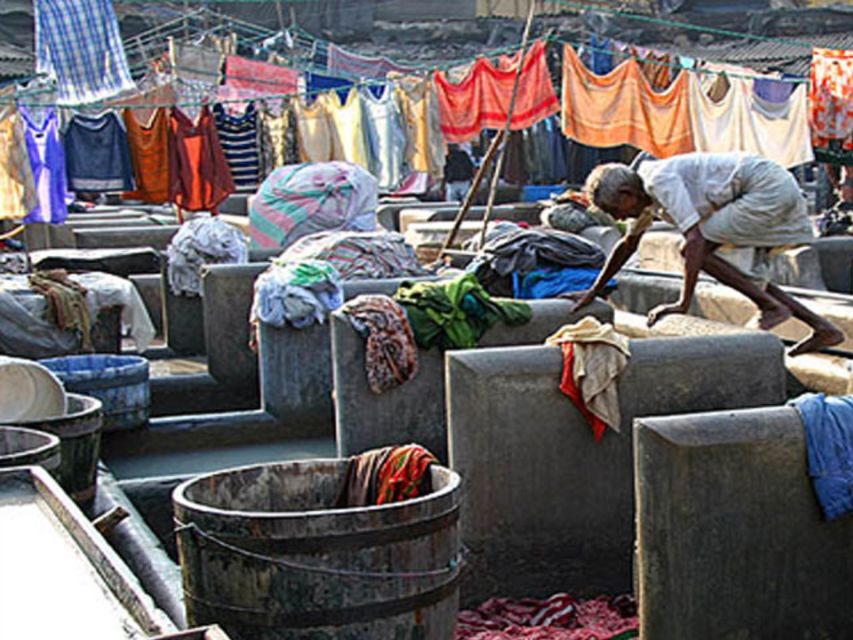
- Dhobi Ghat (open-air laundry): clothes washing in full public view
- Chor Bazaar: major flea-market browsing in a compact time window
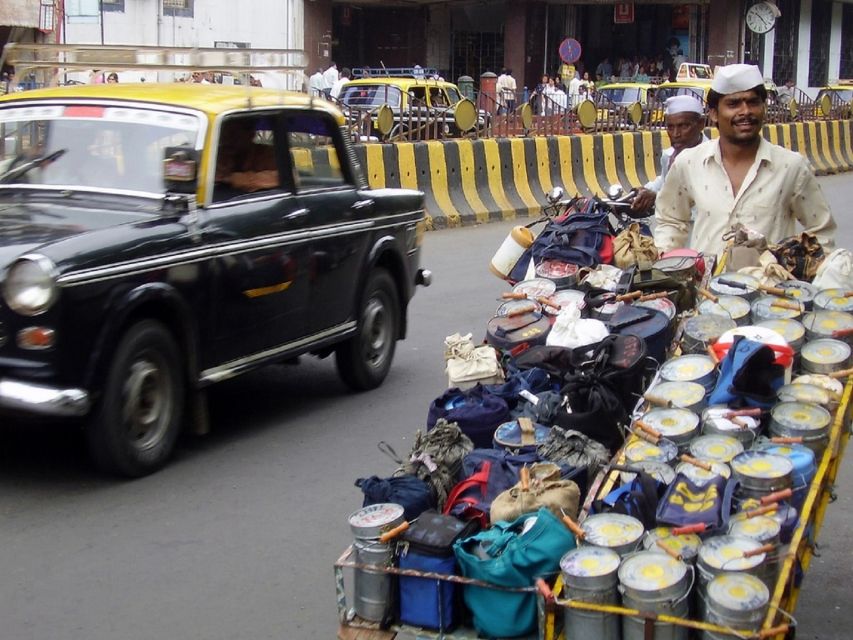
- Churchgate and dabbawalas: lunchbox delivery and return system you can watch in action
- Local guide plus transport included: bus, train, and taxi time all handled for you
Why Mumbai by bus, train, and taxi makes sense in 3 hours
Mumbai can feel like a movie scene that never stops. What’s hard is not the sights—it’s getting between them in a way that feels organized, safe, and not exhausting. This tour solves that with a smart mix of bus, train, and taxi segments, timed so you can see a lot without spending your whole day figuring out routes.
The real value here is how the itinerary mirrors daily movement. You’re not just visiting attractions; you’re experiencing the logic of the city. In a few hours you’ll go from a UNESCO rail landmark area, to a flower market, to an open-air laundry yard, and then into a flea-market zone—plus a glimpse of the dabbawala system near Churchgate. That’s a lot of Mumbai in a manageable slice of time.
The practical tradeoff: because it’s only 3 hours, you’ll be on your feet more than you might expect. You’re doing guided stops and photo breaks, not a long museum-style visit. Comfortable shoes and a ready-to-move mindset help a lot.
You can also read our reviews of more tours and experiences in Mumbai.


Meeting at Regal Cinema in Colaba: the start that sets the tone
The tour meets at Regal Cinema in Colaba (near the Gateway of India area) at 9:00 AM. That timing matters. Morning in Mumbai is cooler and the streets are easier to navigate than later in the day, especially when you’re hopping between transit points.
This start spot is also convenient if you’re staying around South Mumbai. If you’re not, you’ll want to plan your own way to the meeting point because hotel pick-up and drop-off isn’t included. You’ll still feel like you’re joining a local workflow from the first minutes, not standing around waiting for the day to begin.
One more small tip: arrive a few minutes early, since you’ll need time to confirm the group and get orientated before the first bus ride. You’ll be grateful you’re not rushing when the day’s first transport segment starts.
Chhatrapati Shivaji Maharaj Terminus (CST): UNESCO rail grandeur and movie history
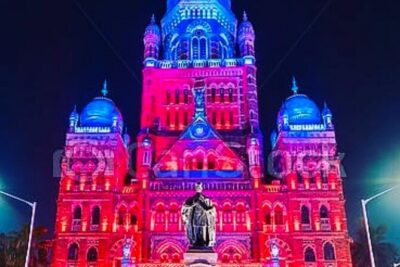
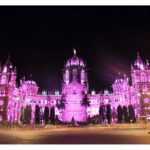
Your first major anchor is Chhatrapati Shivaji Maharaj Terminus (CST), a UNESCO World Heritage Site. The plan includes a photo stop and a guided sightseeing walk for about 20 minutes, which is just enough time to understand why this building gets attention without draining your morning.
CST also has a neat extra layer: it’s a filming location for Slumdog Millionaire. That detail isn’t required to enjoy the architecture, but it gives you an instant way to connect. You’ll likely notice how the station feels both monumental and functional—built for movement, not just for show.
What I like about this stop is the pacing. You’re not stuck reading plaques. You’re walking briefly with a guide, learning what to look for, and then you move on by train. That makes the UNESCO part feel like a living part of the city rather than a distant monument.
Potential drawback: if you’re the type who wants to linger at one place, the time at CST can feel short. This is a “see it, understand it quickly, then move” kind of day.
Dadar Flower Market: roses, garlands, and a color-first break
After the first train ride, you head to the flower market area around Dadar. Expect another short guided photo-and-walk stop (about 15 minutes). This isn’t a formal museum stop; it’s a sensory one.
One thing that makes this segment special is the sheer variety: the market is described as flooded with roses in multiple colors—white, pink, red, yellow—and with garlands and bouquets all around. Even if you don’t buy anything, the visual and fragrance impact is immediate. It’s a nice reset from the heavier feel of major rail architecture and sets a more human, everyday tone for the rest of the day.
Also, because it’s a quick stop, you don’t have to commit to shopping. If you’re tempted to pick up a small garland or bouquet, just know Chor Bazaar later is also a shopping zone—so you might want to compare what makes sense for your budget and what you can carry.
Practical note: markets can get crowded. The guide helps you move through efficiently, but you’ll still want to keep your phone secure and your personal space awareness switched on.
Dhobi Ghat (open-air laundry): seeing work, not a staged attraction
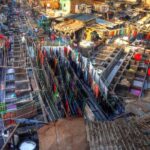
Next comes one of the most memorable segments: Dhobi Ghat, known as the open-air laundry area. You’ll get a photo stop and guided sightseeing for about 20 minutes.
This stop can hit you in a very direct way. You’re watching clothes being washed in full public view, so it’s not the kind of “behind-the-scenes” you have to pay for or sign up to see. It’s work happening where daily life continues around it.
The value here is perspective. Many first-time visitors only see Mumbai through monuments and markets with a shopping vibe. Dhobi Ghat shows another side: routine labor, repetition, and craft, all in a place the public uses. You’ll come away with a better understanding of how much of Mumbai’s energy is powered by practical systems, not just tourism.
Consideration: this is a working area. You’ll want to be respectful with photography and don’t block people doing their jobs. If you’re sensitive to strong smells or close-up visuals of labor, you may find this part more intense than the others. Still, it’s exactly why this tour stands out.




Chor Bazaar via taxi: flea-market energy with a sightseeing brain
After Dhobi Ghat, you’ll take a taxi toward Chor Bazaar for a guided tour and time to browse and shop (about 20 minutes). Chor Bazaar is one of India’s larger flea markets, and the chaos has a theme: items everywhere, vendors calling out, and a constant stream of browsing.
What I like about pairing a market like this with earlier, more structured stops is that your brain stays engaged. CST gave you the landmark context. The flower market gave you color and atmosphere. Dhobi Ghat gave you daily life on display. Chor Bazaar then becomes the outlet where you can react with your wallet, your curiosity, or both.
You also get taxi time in between, which helps keep this short tour moving. If you were trying to do this on your own, you’d lose time figuring out transit—and in Mumbai that can snowball fast.
Shopping tip from a value perspective: set a budget before you arrive. In markets like this, deals happen, but your best protection is deciding what you actually want before you get pulled into the variety. And if you’re not shopping, treat it like a guided walkthrough: look, compare, ask questions, and save your buying energy for the items that genuinely tempt you.
Churchgate and the dabbawalas: lunch delivery as a living system
The last major segment happens near Churchgate, where you’ll see Mumbai dabbawalas—the lunchbox delivery and return system that delivers hot lunches from homes and restaurants to people at work in Mumbai.
Your visit here is about 20 minutes, and it’s guided sightseeing rather than just watching from a distance. The tour’s framing matters: dabbawala work isn’t presented as a random curiosity. It’s portrayed as a functioning logistics system that people rely on daily, especially in Mumbai.
Why this matters: it connects everything else in your day. You saw transit infrastructure at CST. You saw market supply chains at the flower market. You saw laundry work that supports everyday clothing routines. Then you finish with a food delivery loop—also a routine system—built on organization, punctuality, and people-to-people handoffs.
This is the part that often makes the tour feel more meaningful than a checklist. You’re not only collecting photo spots. You’re seeing how Mumbai gets things done.
Price and logistics: where the $38 actually goes
At $38 per person for 3 hours, the headline price is reasonable for a tour that includes a live English guide and fare for all transportation used (bus, train, and taxis). You also get tea and bottled water, which sounds small, but it helps on a morning tour.
Here’s how I think about the value: you’re paying to remove friction. In a city where getting around can be confusing, you’re buying time and clarity. You’re also paying for someone to tell you what you’re looking at—especially at stops like CST and Dhobi Ghat, where a quick explanation changes how you read the scene.
What you should budget separately: food and drinks aren’t included unless specified (and the data doesn’t list a meal). If lunch matters to you, plan to eat after the tour ends at Regal Cinema.
Comfort and pace are also part of the logistics picture. This is a private group experience, which usually means less waiting around and more attention from the guide. It also tends to help in crowded spaces like flower stalls and flea-market lanes.
Who this tour suits best (and who should rethink)
This tour is a strong fit if you want a quick, practical snapshot of Mumbai that goes beyond the typical “landmarks only” approach. You’ll likely enjoy it most if you:
- like public transportation and don’t mind riding multiple modes in one day
- enjoy markets and real working scenes, not only polished attractions
- want a short morning plan that still covers a lot of ground
It may be less ideal if you:
- need long, slow stops where you can linger at each location
- dislike crowds or working areas where people are actively doing jobs
- prefer hotel pick-up so you’re not responsible for getting to Colaba on your own
One more note: it’s marked as not suitable for babies under 1 year, which matters if you’re traveling with very young children.
What guides add: why the human touch shows up in the details
The guide experience is clearly a highlight of this tour. People have described guides like Aarti as super knowledgeable and friendly, while Dave was praised as pleasant and attentive. Dev has also been singled out as engaging and capable of showing guests how nearly every public means of transport works in the city, from bus and train to taxi.
I take that as a signal that the tour isn’t just a driver and a checklist. A strong guide helps you understand what you’re seeing—especially at places like CST (what to notice on a quick walk) and Dhobi Ghat (what the scene means in daily life). In one case, a guide also offered an opportunity related to Elephanta Caves when a weather issue caused someone to miss it earlier. That doesn’t mean it’s guaranteed, but it does suggest a willingness to help adapt when conditions change.
Should you book this Mumbai public transportation tour?
If your goal is to see a wide slice of Mumbai in a short time without spending your day on navigation, I’d book it. For $38, you’re getting transport handled, a live English guide, and stops that cover rail grandeur, flower-market color, working laundry reality, flea-market browsing, and the lunch delivery system that keeps many office workers fed.
I’d only skip it if you want a slow, low-movement day, you’re uncomfortable with working areas like Dhobi Ghat, or you don’t want to handle the simple logistics of meeting at Regal Cinema in Colaba at 9:00 AM.
FAQ
Where is the meeting point?
You meet at Regal Cinema, Colaba (near the Gateway of India).
What time does the tour start, and how long is it?
The tour starts at 9:00 AM and lasts 3 hours.
Is transportation included in the price?
Yes. The price includes the fare for all transportation used during the tour (bus/coach, train, and taxi segments).
What does the tour include besides transportation?
A local guide is included, plus tea and bottled water.
Is this tour private, and is it in English?
Yes, it’s a private group tour with a live English guide.
Is there an age limit?
It’s listed as not suitable for babies under 1 year.
What’s the cancellation policy?
There is free cancellation up to 24 hours in advance for a full refund.