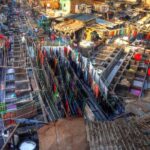
REVIEW · MUMBAI
Mumbai: Dharavi Slum and Dhobi Ghat Laundry Tour
Book on GetYourGuide →Operated by Cityscape Mumbai Tours · Bookable on GetYourGuide
Mumbai’s backstreets tell the city’s true story. I love the Dhobi Ghat laundry you can actually see working, and the local train ride that turns the journey into part of the lesson. The one catch: the Dhobi Ghat viewing window can feel a bit short if you want nonstop tank-to-tank detail.
You’ll walk through Dharavi with an English-speaking local guide—guides like Ruba, Priti, and Subhan show up in the crew roster—and they connect the dots between home life and small industry. It’s only about 3 hours, so you should go with curiosity, not the plan to cover every corner.
At around $5, the value is real because the tour stacks multiple experiences: slum-industry context, Dhobi Ghat, and a 15-minute train ride. Wear comfortable shoes, bring water and sunscreen, and expect crowds and narrow lanes.
In This Review
- Key things that make this tour worth your time
- Why Dharavi and Dhobi Ghat fit together so well
- Walking, timing, and the reality of narrow lanes
- Dharavi walk: leather, plastic recycling, and pottery at Kumbhar Wada
- Mumbai local train: the 15-minute reality check
- Dhobi Ghat laundry: watching traditional methods at full scale
- How the guide shapes the whole experience (and why names matter)
- Price and value: why about $5 feels almost too good
- Who should book this Dharavi and Dhobi Ghat tour
- Should you book this Dharavi Slum and Dhobi Ghat Laundry Tour?
- FAQ
- How long is the Mumbai Dharavi Slum and Dhobi Ghat Laundry Tour?
- What’s included in the tour price?
- Does the tour include a train ride?
- Where do I meet, and where do I get dropped off?
- What should I bring?
- Is food included?
- Is it suitable for kids or people using a wheelchair?
Key things that make this tour worth your time
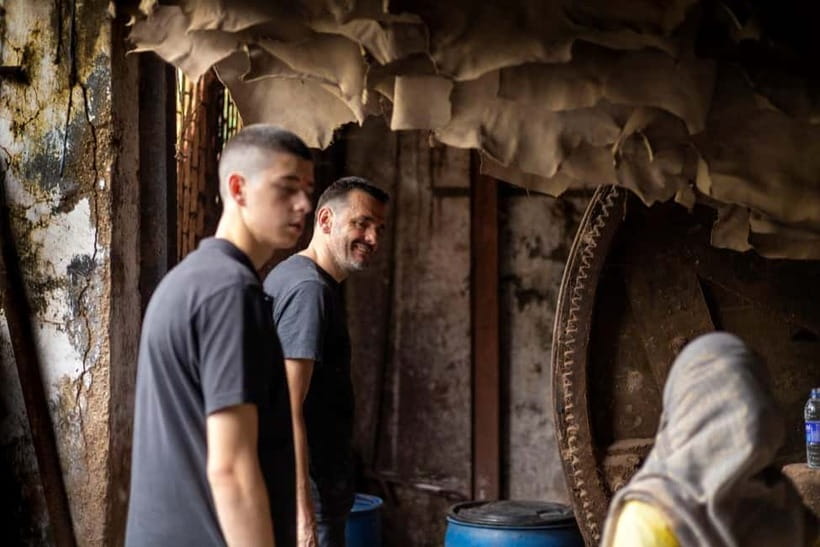
- Dhobi Ghat on full display: see traditional large-scale washing tied to daily Mumbai work
- A real 15-minute local train ride: iconic commuter energy, with your guide keeping you oriented
- Dharavi beyond stereotypes: leather work, plastic recycling, and more are explained in context
- Kumbhar Wada pottery community: you’ll hear how craft and trade survive and adapt
- Guides who answer questions clearly: many groups are led by English-speaking locals such as Ruba, Priti, and Subhan
- Budget-friendly for what you get: a guided, multi-stop cultural outing at a very low price
Why Dharavi and Dhobi Ghat fit together so well
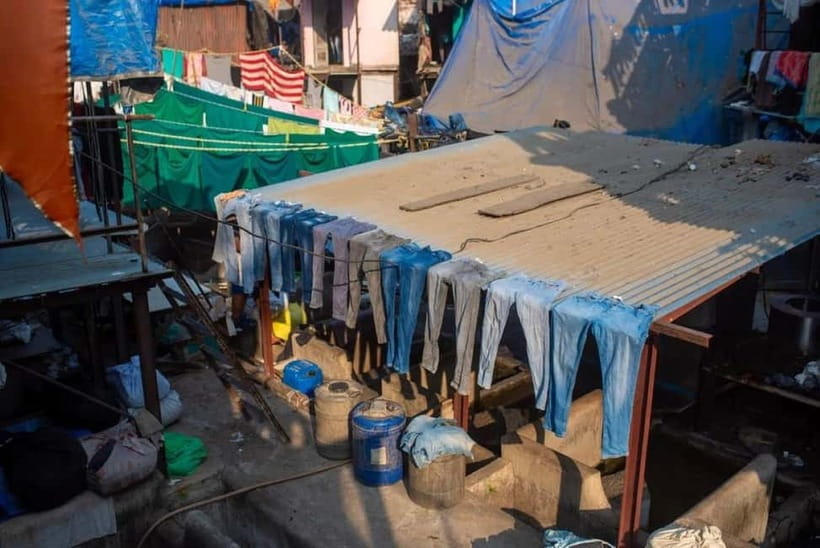
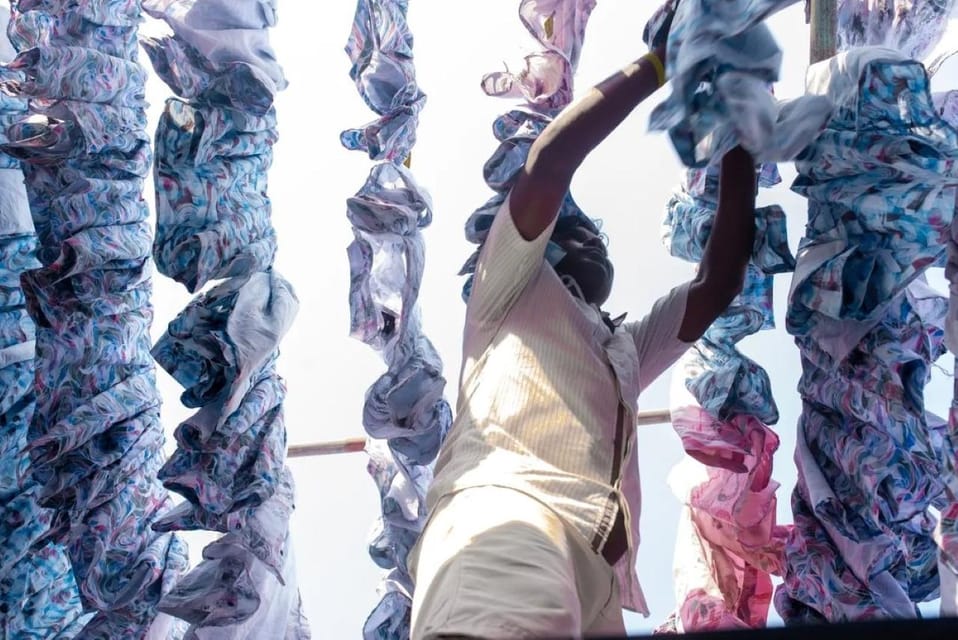
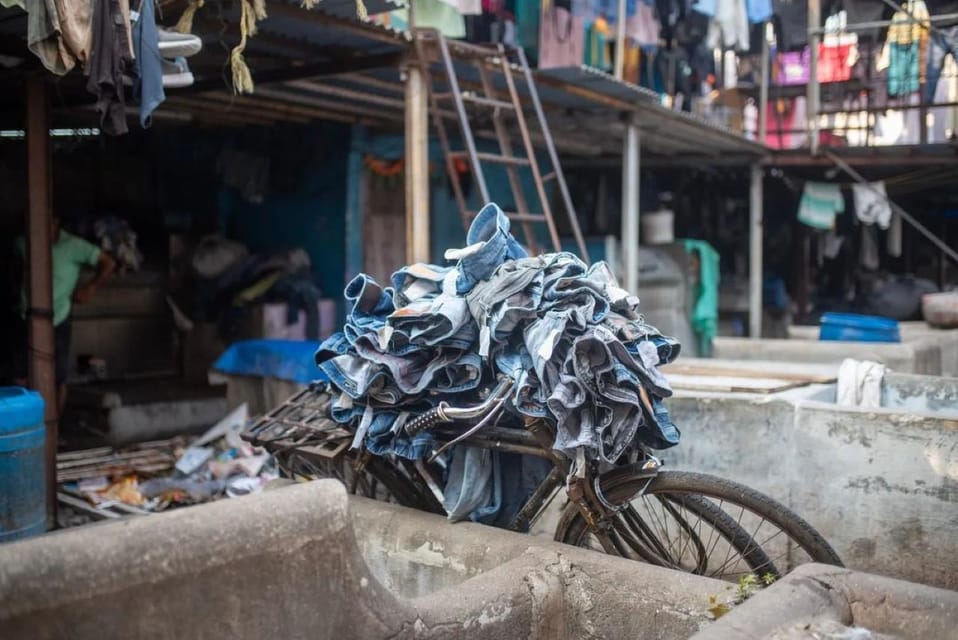
This tour works because it links two Mumbai worlds that people often treat like separate stories. Dharavi is explained as a living patchwork of small-scale industries and everyday life—work you’ll understand as practical, not just dramatic. Then Dhobi Ghat shows another kind of industry: laundry as a public, communal service that moves huge volumes of clothes through time-tested methods.
A key detail that changes your mindset is the sheer volume at Dhobi Ghat: over 100,000 clothes are washed daily there. Once you know that number, the tanks stop looking like a postcard scene and start looking like infrastructure. You’re not just watching laundry; you’re watching a system that keeps people clothed and businesses running.
You can also read our reviews of more tours and experiences in Mumbai.


Walking, timing, and the reality of narrow lanes
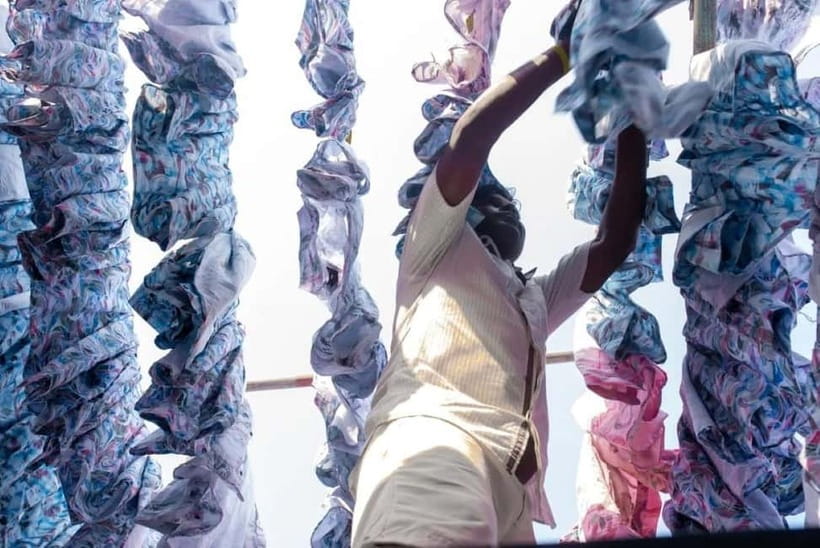
Plan for a lot of steps. Dharavi’s lanes can be crowded and tight, and even when your guide is careful about pacing, your body will feel the walking. Comfortable shoes are non-negotiable—sandals usually turn into a regret. Bring water and sunscreen, because shade can be hit-or-miss, especially around outdoor working areas.
Modest dress matters too. Not because it’s a rule for tourists, but because you’ll be moving through working neighborhoods and community spaces. It’s also smart to keep your phone and camera ready but follow your guide’s instructions—photography may be restricted in certain areas, and your job is to respect that without arguing.
You should also know the tour has limits: it’s not suitable for children under 5, pregnant women, or wheelchair users. If any of those apply, skip this one and look for another Mumbai experience that matches your mobility and comfort level.
Dharavi walk: leather, plastic recycling, and pottery at Kumbhar Wada
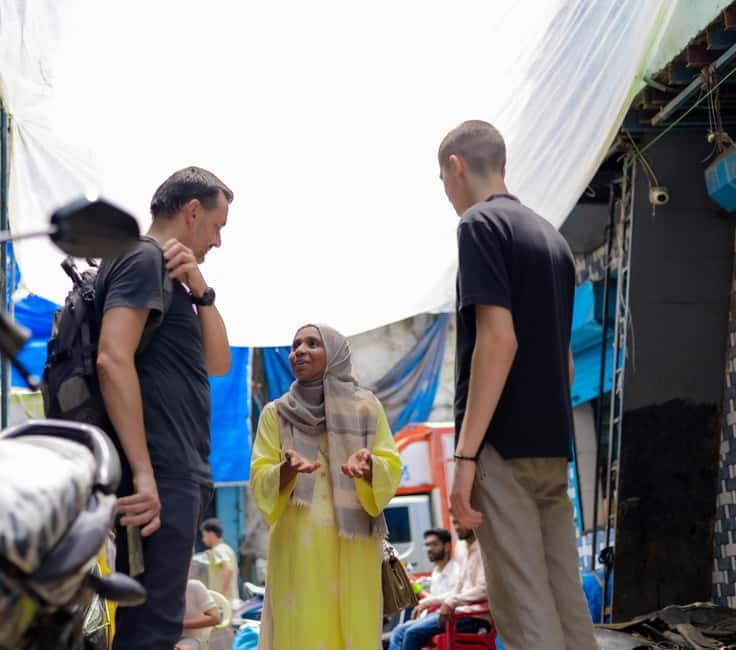
Dharavi in this tour isn’t presented as one single thing. You’ll move through a set of highlights that explain how the area functions like a city within a city.
One of the most talked-about stops is Asia’s largest leather factory in Dharavi. Even if you don’t know anything about leather production, you’ll get the “how it fits into daily life” perspective—where materials come from, how work is organized, and why the industry matters to the people involved. It’s not only about production; it’s about employment and skill passing through generations.
Then there’s plastic recycling, which gives you another layer of the local economy. Recycling is messy work, but it’s also practical work—collecting waste streams and turning them into reusable input. You come away seeing how sustainability here isn’t a slogan; it’s a job.
Finally, the tour includes Kumbhar Wada, the pottery-making community. Pottery is the contrast piece that helps you understand Dharavi’s range. You’ll see craft as a form of commerce, not a museum exhibit—skills that keep getting used because people need bowls, pots, and related goods every day.
A useful way to approach these stops: listen for the connections. Leather, recycling, and pottery aren’t separate themes in your guide’s story. They’re part of the same local logic—materials, work, and customers all feeding into each other.
Mumbai local train: the 15-minute reality check
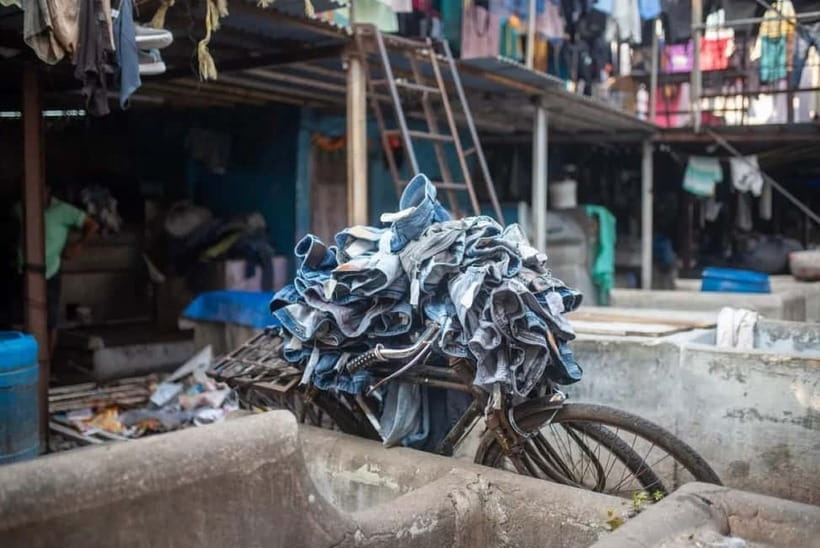
One of the smartest parts of this tour is the 15-minute ride on Mumbai’s iconic local train. This isn’t a souvenir stop. It’s a short, focused taste of how Mumbai moves—packed, loud, and fast-moving, with commuters treating the train like a daily tool.
Because the ride is built into the tour plan, you don’t spend time figuring out transport on your own while also trying to understand Dharavi and Dhobi Ghat. Your guide helps you stay together and navigate the moment.
Think of it as a transition chapter. Dhobi Ghat is visual and hands-on. Dharavi is close-up and human-scale. The train ride is where you zoom out just enough to remember you’re in a city with one main heartbeat: public transit.
Dhobi Ghat laundry: watching traditional methods at full scale

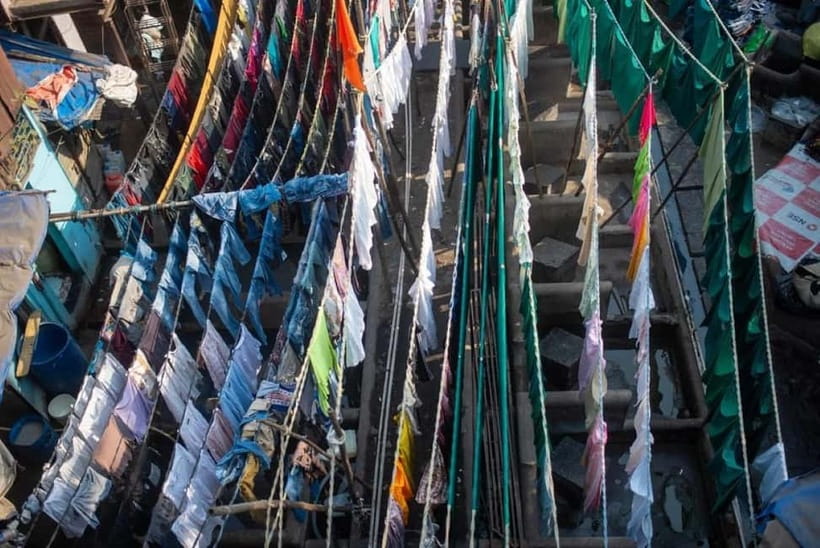
Dhobi Ghat is the signature stop. You spend about 40 minutes here, which means you get time to understand what you’re seeing without turning it into a long endurance test.
Here’s what makes it special: you’re not watching a “process demo.” You’re seeing laundry as work performed on an industrial-but-community scale. The washing happens using time-honored methods, and the guide explains how clothes move through the steps. Once you understand the flow, you’ll notice patterns—how people coordinate, how the workspace is organized, and why the whole place feels both busy and purposeful.
In terms of comfort, the outdoor setting can be intense. You may get strong sun and a lot of motion around you, plus the sensory stuff that comes with washing and large volumes of fabric. This is where water, sunscreen, and steady footing earn their keep. Also keep your camera respectful; some areas might limit what you can photograph.
One practical consideration: the tanks are impressive, but you might not get the closest view everywhere. Even with the viewing spots, you may feel like you could spend more time if you’re the type who likes minute-by-minute detail. In that case, treat the tour as your entry point, not your final dissertation.




How the guide shapes the whole experience (and why names matter)
This tour lives or dies on guidance, and the pattern in the guide roster is consistent: English-speaking locals who explain clearly and keep the experience respectful.
You’ll see names like Ruba, Priti, Subhan, Anesh, Jawwad/Javed, and Krishna connected to past groups. That matters because these aren’t generic narrations. Guides often answer questions at a human pace, and they help you read what you’re looking at—especially in places where outsiders can misinterpret what they see.
What you can do to get more out of your guide:
- Ask about the daily rhythm: when work happens, how tasks are organized, and how people balance home and industry
- Ask what to look for at Dhobi Ghat (instead of only what something is called)
- Ask what’s okay to photograph and where it’s best to keep your camera down
You’ll likely feel safer and more grounded when you have a guide who knows how to move through crowds without turning the neighborhood into a backdrop. That respectful approach is part of why people rate this tour so highly.
Price and value: why about $5 feels almost too good
At $5 per person for a 3-hour outing, you’re getting an unusual bundle: a guided Dharavi slum experience, a visit to Dhobi Ghat, and a planned 15-minute local train ride. The tour also includes commentary on local industries and community life, so you’re not just walking through scenes—you’re getting interpretation.
Yes, food and drinks aren’t included, and there’s no hotel pickup/drop-off. You’ll need to handle your own meals and get yourself to the meeting point. But even with those extras, the guided component is still strong value for money, especially because you’re paying for access, time, and a guide who can connect what you see to what it means.
If you’re optimizing for value, this is one of the few Mumbai tours that offers “real work + real transit + a signature industry” without asking you to spend a fortune.
Who should book this Dharavi and Dhobi Ghat tour
This is a great fit if you:
- want a practical, everyday view of Mumbai beyond famous monuments
- enjoy learning about work systems—how jobs and skills actually function
- like guided context that helps you avoid stereotypes
- are comfortable walking in crowds and dealing with tight lanes
It’s less ideal if you:
- need a very low-walking option or step-free routes (this tour isn’t set up for wheelchair users)
- are seeking a relaxed, low-intensity sightseeing loop
- want hours in Dhobi Ghat for ultra-close tank detail (the time window is limited)
If you’re going with teenagers, the train ride often grabs attention quickly, and the craft/industry mix gives everyone something different to focus on.
Should you book this Dharavi Slum and Dhobi Ghat Laundry Tour?
I think you should book it if your goal is to understand Mumbai as a working city, not just a photo list. The pairing of Dharavi industry context with Dhobi Ghat’s large-scale laundry makes the tour feel coherent, and the 15-minute local train ride adds genuine city rhythm.
But book with the right expectations. This isn’t a comfort-first, curated-stroll experience. It involves crowds, walking, and working neighborhoods. If you’re sensitive to that or your mobility is limited, look for a different option.
If you can handle the logistics—shoes, sun, and respectful behavior—this is one of the most cost-effective ways to see Mumbai’s real gears turning.
FAQ
How long is the Mumbai Dharavi Slum and Dhobi Ghat Laundry Tour?
It lasts about 3 hours.
What’s included in the tour price?
You get a guided tour of Dharavi Slum, a visit to Dhobi Ghat Laundry, and insights into local industries and community life. You also get the chance to see Mumbai’s traditional laundry process with your guide.
Does the tour include a train ride?
Yes. The experience includes about a 15-minute ride on Mumbai’s local train.
Where do I meet, and where do I get dropped off?
The meeting point may vary depending on the option booked. Drop-off locations include Third Wave Coffee and Mahalaxmi Station.
What should I bring?
Bring comfortable shoes, a camera, sunscreen, and water.
Is food included?
No. Food and drinks are not included.
Is it suitable for kids or people using a wheelchair?
No. It’s not suitable for children under 5 years, pregnant women, or wheelchair users.