REVIEW · MUMBAI
Private Slumdog Millionaire Tour in Dharavi with Slum Visit
Book on Viator →Operated by Magical Mumbai Tours · Bookable on Viator
Dharavi isn’t a set. It’s real life.
I like how this private guided walk gets you into parts of Mumbai most people skip, and I really like the focus on what residents do for work—especially recycling and small manufacturing. I also think the experience is worth it for first-timers, but be ready for a walking tour through very tight lanes where sensory stuff and crowds can catch you off guard.
In This Review
- What Makes It Interesting
- Key Points at a Glance
- A Real-Life Dharavi Walk, Centered on Work and People
- Meeting at Mahim and Getting Oriented Fast
- The Commercial Side: Recycling and Small Factories on Foot
- The Residential Side: Narrow Lanes, Local Culture, and Schools
- Walking Practicalities: Shoes, Pace, and Sensory Reality
- Guides Who Know the Route (and Ask Better Questions)
- How Long Is 3 Hours, Really?
- Price and Value: Getting More Than a Photo Tour
- Safety, Comfort, and Feeling Respected
- Who This Tour Fits Best
- Should You Book This Private Dharavi Tour?
- FAQ
- Where does the tour start?
- How long is the private Slumdog Millionaire-style tour in Dharavi?
- Is pickup offered?
- What is included in the price?
- Is this a private tour or a shared group tour?
- Do I need to wear specific shoes?
- Can service animals join?
What Makes It Interesting
This 3-hour tour is built around Dharavi’s two main sides: the commercial areas where goods get remade, and the residential lanes where people live, learn, and keep daily routines going. You’ll meet your guide at Third Wave Coffee on Senapati Bapat Marg (near Mahim Railway Station in Dharavi), and you can expect English guidance, bottled water, and a calm pace that feels tailored to your group.
Key Points at a Glance
Private, small-group feel: Only your group participates, so you can ask questions without feeling rushed.
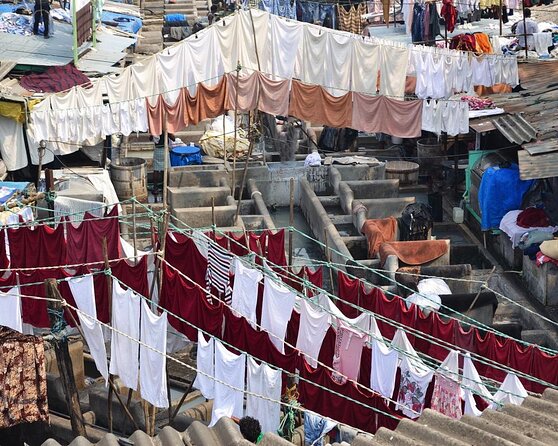
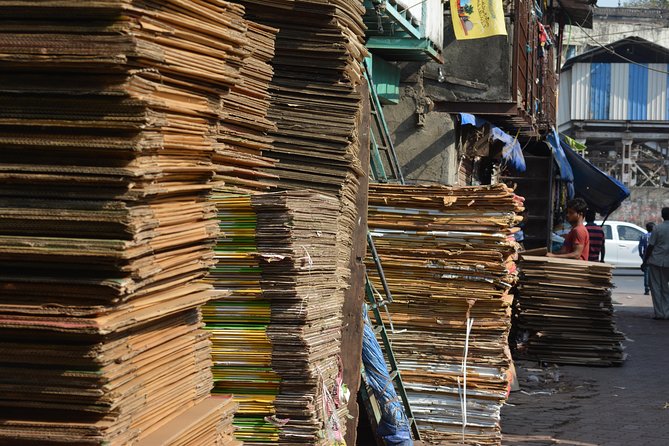
Work-focused Dharavi: You’ll see plastic, paper, cardboard, aluminum, and oil paint can recycling, plus bakeries and clothing and leather work.
A residential look at daily life: Narrow alleys, local culture, and schools come into view as you walk through the neighborhood side.
Local guides with real ties: Several guides in the experience’s history have been described as living in the area, which changes the tone fast.
Wear real walking shoes: You’re on foot, moving through narrow streets and lanes for the full time.
You can also read our reviews of more private tours in Mumbai



A Real-Life Dharavi Walk, Centered on Work and People
Dharavi is one of the most discussed places in Mumbai, partly because of how it shows up in popular film culture. But the point of this tour isn’t to trade myths for shock. It’s to help you understand how people actually organize survival, skills, and community on the ground—through work that turns waste into products and through routines that keep homes and schools running.
What I like most is that the tour doesn’t treat Dharavi like one big label. It splits the visit into what residents do by day (commercial areas) and how they live when the work day ends (residential lanes). That structure helps you make sense of what you’re seeing instead of just collecting images.
Meeting at Mahim and Getting Oriented Fast
You meet at Third Wave Coffee, Tip Road, Unit no. 58, Ground, Ram Mahal, Senapati Bapat Marg, Marinagar Colony—near the Mahim Railway Station area in Dharavi. Starting close to public transport is a big deal here, because it gives you a sensible anchor point when you’re trying to navigate Mumbai.
From there, you’ll walk with an English-speaking guide for around 3 hours (approx.). Bottled water is included, which is useful in Mumbai heat, and the tour is private, so you don’t have to fit your pace to someone else’s schedule. If you like tours that feel like a conversation rather than a lecture, this setup usually fits well.
One practical note: this is a walking tour with narrow alleys. Even if you’re comfortable on city streets, you’ll still want shoes with grip. Plan on moving continuously for the full window.
The Commercial Side: Recycling and Small Factories on Foot
The commercial portion is where you’ll see Dharavi’s “systems” in action. The tour guide takes you through a section focused on work—lots of it connected to recycling and remanufacturing.
You can expect to encounter processes tied to:
- Plastic recycling (including turning plastics into usable materials for new products)
- Aluminum recycling
- Paper and cardboard recycling
- Oil paint can recycling
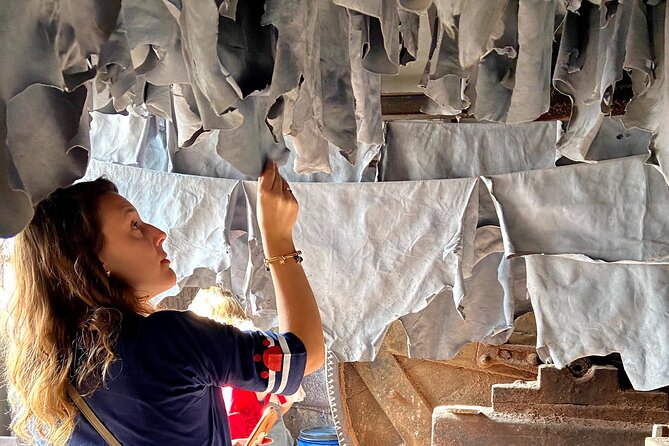
- Leather work and factories
- Luggage bag manufacturing
- Bakeries
- Clothing industries
And yes, the guide may point out more small businesses beyond that list, because Dharavi’s economy works through many overlapping workshops rather than one mega-factory.
What makes this portion valuable is the plain, practical way it’s explained. Instead of just saying people work hard, you see the chain of making: waste becomes input, input becomes product, and product moves to buyers. Even if you don’t remember every technical detail, you’ll walk away with a clearer mental map of how a working neighborhood supports itself.
If you’re the type who likes “how it works” travel, this is a strong match. It’s also a good antidote to the usual Mumbai tour pattern where you jump from landmark to landmark without understanding the local economy.
The Residential Side: Narrow Lanes, Local Culture, and Schools
After the commercial area, the tour shifts gears. You move into the residential side, where the guide shows how people live day to day.
Here’s what you should expect to notice:
- Very narrow allies/laneways (tight passage where you’ll slow down)
- Local culture in everyday actions and routines
- Schools and education visible within the neighborhood setting
- The contrast between workshop work and home life
This part is often where the tour feels most human. Seeing the residential lanes right after you’ve watched the recycling and manufacturing work helps you connect labor to life. It’s the difference between watching production and understanding what that production supports.
A key plus: several guides have been described as having real connections to the area. In one case, a guide was noted as having lived in the slum area. That kind of connection tends to create a different vibe than a scripted experience—more context, more careful answers, and usually fewer awkward moments.





Walking Practicalities: Shoes, Pace, and Sensory Reality
This is not a drive-by photo stop. You’re walking through Dharavi, including very tight lanes. The tour is designed to be safe and organized, but you should still treat it as what it is: close-up street travel.
The best preparation:
- Wear comfortable shoes you can walk in for a full 3 hours
- Keep your expectations flexible about smell and visual intensity—it’s a real working neighborhood
- Bring a small water plan (water is included, but you’ll still want to feel comfortable)
One thing I appreciate about the way this tour is set up is that it acknowledges discomfort without pretending it doesn’t exist. Several people describe it as a way to replace fear with understanding once you’re actually walking and talking with the guide.
Guides Who Know the Route (and Ask Better Questions)
A private tour lives or dies by the guide. In this case, the guide quality seems to be a standout theme.
Names that have come up include Pooja, Ravi, and Bulgi, and one guide was described as having taken visitors around effectively. Another mentioned Hasan as a safe driver and on-time presence. You’ll also see references to young local voices, like Chirag, described as an 18-year-old student from the area.
That matters because Dharavi isn’t just a place to look at. It’s a place to ask questions about:
- Why certain workshops exist where they do
- How recycling fits into daily jobs
- What life looks like beyond the work zones
- How education shows up in the neighborhood
If you value respectful dialogue over one-way storytelling, you’ll probably feel the difference right away.
How Long Is 3 Hours, Really?
Three hours sounds neat on paper. On the ground, it’s enough time to get a sense of how work and living interlock—especially with a guide who knows where to take you in a walking format.
The tour runs for about 3 hours (approx.), including time moving between the commercial and residential zones. It also includes an admission ticket as part of the experience. Bottled water is provided, and the tour ends back near where you started.
A realistic expectation: the pace won’t be slow in a sleepy way. It’s “guided walking”—you’ll be on your feet, with occasional stops for explanation and observation.
Price and Value: Getting More Than a Photo Tour
At $37.20 per person, this doesn’t look like a budget bargain, but it also doesn’t feel priced like a luxury experience. The value comes from what’s included and what the guide role adds.
You’re paying for:
- A private guided tour
- An English-speaking guide
- Bottled water
- A walking route through areas that are hard to navigate independently
- Admission ticket included
That’s the real math. A self-guided wander might be possible, but you’d lose the structure—the split between commercial and residential zones—and you’d lose the context that makes the recycling and neighborhood life make sense.
Also, the tour offers group discounts. If you’re traveling with friends or family, it can become a smart way to reduce cost while keeping the private feel.
One more planning point: the experience is typically booked about 34 days in advance on average. If you’re visiting during a busy season or you have specific timing, booking earlier is usually the safer move.
Safety, Comfort, and Feeling Respected
Safety here seems to be handled through organization and a guide who can manage movement in narrow areas. People have described it as very informative and safe, which is exactly what you want on a tour like this.
That said, you should still come with a sensible mindset:
- This is a working community, not a staged attraction
- You may need to pause, step aside, or move slower in tight lanes
- Be prepared for moments that test your comfort
One operational issue has also appeared in the experience’s history: a no-show and lack of communication in one case. While that’s not typical of how you want your plan to work, it’s a reminder to keep your own schedule flexible and to confirm your timing close to departure. If anything feels off, you want a fast resolution, not radio silence.
Who This Tour Fits Best
This tour is a strong choice if:
- You want a Dharavi experience that focuses on work and daily life, not just landmarks
- You prefer a private format where your group can set the rhythm
- You like guides with local context and practical answers
- You’re okay with walking and real neighborhood conditions
It may be less ideal if:
- You dislike walking through tight lanes and prefer wide, open streets
- You need a very polished, low-stimulation environment
- You’re looking for only film-related stops tied to movie scenes
If you’re visiting Mumbai for the first time, this can be a powerful contrast to the usual sightseeing loop. If you’ve been before, it can still feel new because it teaches you how Dharavi functions.
Should You Book This Private Dharavi Tour?
If you want an organized, respectful view of Dharavi that connects recycling work to daily neighborhood life, I think this is a smart booking. The tour’s structure—commercial first, then residential—gives you context fast, and the private, English-guided format helps you ask questions as you go.
Book it if you can handle walking for about 3 hours and you’re prepared for sensory reality in a working community. Skip it if tight lanes and a high-intensity environment are a hard no for you.
My practical advice: go in with curiosity, not pity. Ask how the work supports families and how education fits into the neighborhood. That mindset turns the tour from a shock experience into a real understanding of what people build with what they have.
FAQ
Where does the tour start?
The tour starts at Third Wave Coffee, Tip Road, Unit no. 58, Ground, Ram Mahal, Senapati Bapat Marg, Marinagar Colony, near Mahim Railway Station area in Dharavi.
How long is the private Slumdog Millionaire-style tour in Dharavi?
It lasts about 3 hours (approx.).
Is pickup offered?
Pickup is offered.
What is included in the price?
The tour includes bottled water, a private guided tour with an English-speaking guide, and an admission ticket.
Is this a private tour or a shared group tour?
It’s a private tour/activity. Only your group participates.
Do I need to wear specific shoes?
Yes. Wear comfortable shoes because it’s a walking tour.
Can service animals join?
Service animals are allowed.