REVIEW · MUMBAI
Mumbai: Dharavi Slum Walking Tour with Options
Book on GetYourGuide →Operated by Reality Tours and Travel Private Limited · Bookable on GetYourGuide
Mumbai’s alleys have lessons.
This Dharavi walking tour is interesting because it focuses on daily work—recycling, pottery, leather, embroidery—while an educated local guide helps you read what you’re seeing, not just stare. I also like that it’s kept community-centric: you’re guided in a way that aims to be non-intrusive, with chances to ask questions along the way. One thing to consider: the tour has a strict no-photography rule, and the route includes tight, possibly dirty parts of the neighborhood.
You’ll spend about 2.5 to 3.5 hours moving through Dharavi with a small group (up to 6). Guides I’ve seen specifically praised by name include Leena, Rishi, and Divia—each noted for being informative, warm, and tuned in to how to handle sensitive access. If you’re hoping for a quick, comfy sightseeing loop, this isn’t it; it’s more like a guided reality check.
In This Review
- 5 key things that make this Dharavi tour worth your time
- Dharavi, explained in numbers you can actually feel
- Starting points and route style: how this walk keeps you oriented
- Viewpoint moment: getting scale before you get lost
- Navrang Compound and the work you can name in minutes
- Gokulam Store stop: a quick glimpse into daily commerce
- Reality Gives Mumbai and the education connection to your fee
- Kumbhar Wada pottery area: seeing craft, not caricature
- Lunch in Dharavi: what the optional home meal adds
- Rules and etiquette that keep the tour respectful
- Price and value: how $20 becomes more than a tour ticket
- Who will love this Dharavi walk (and who might not)
- Should you book it?
- FAQ
- How long is the Mumbai Dharavi slum walking tour?
- Where are the starting points?
- Is lunch included?
- Can I take photos during the tour?
- What should I wear?
- Is the tour accessible for wheelchair users or with strollers?
5 key things that make this Dharavi tour worth your time
- Small-group format (up to 6) helps you ask questions and keeps the walk respectful
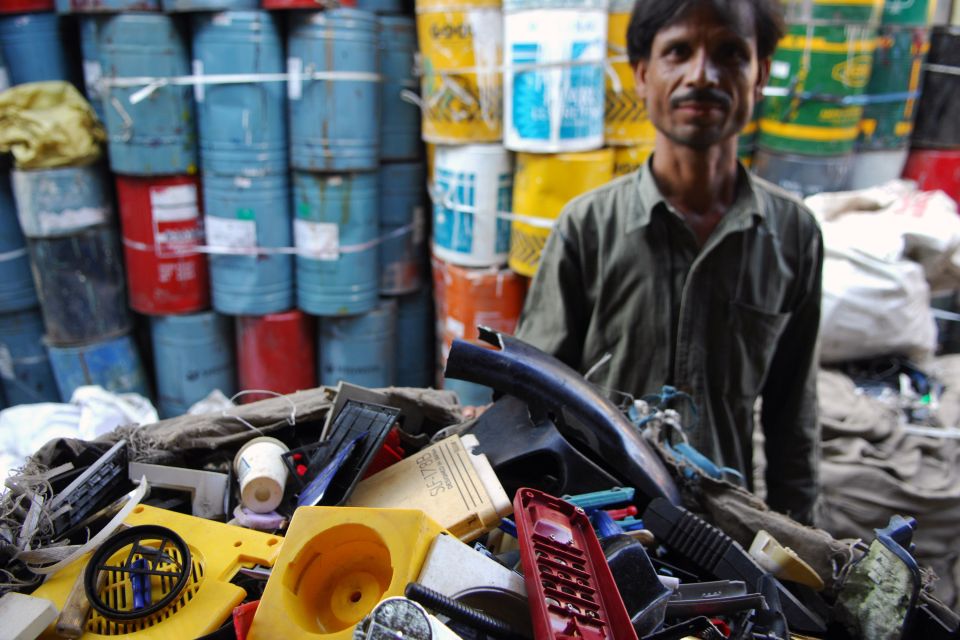
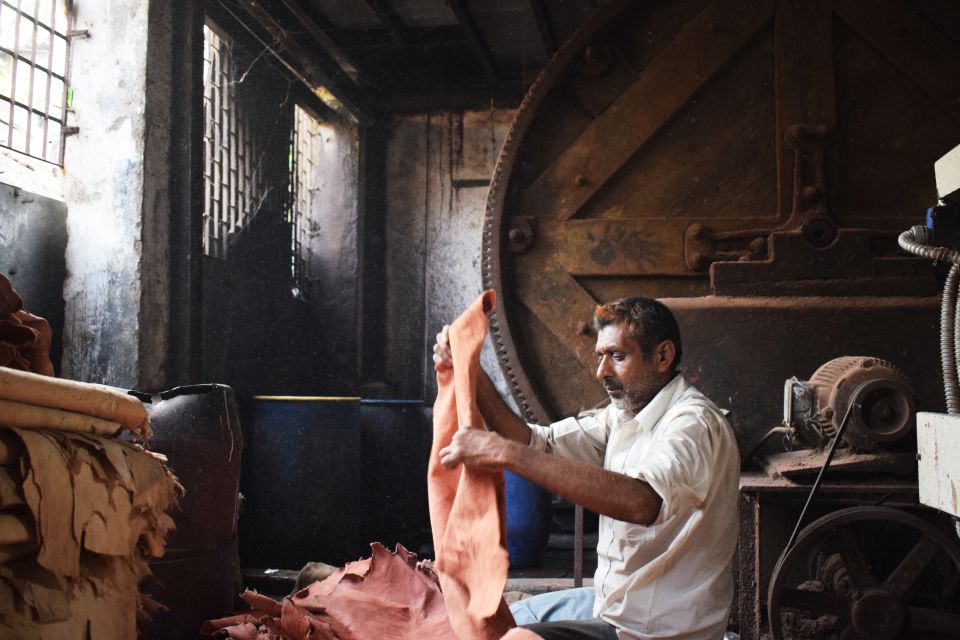
- Real workplaces you can actually identify: recycling, pottery, leather, soap making, embroidery, and more
- You get context, including why people moved here and how stereotypes miss the mark
- Rooftop and viewpoint moments give you scale beyond the maze of alleys
- A big share of tour profits supports education, with 80% reinvested into community initiatives
Dharavi, explained in numbers you can actually feel

Dharavi is one of the most talked-about places in Mumbai, but most conversations flatten it into one blurry label. On this tour, the framing is different: you’re asked to look at Dharavi as a working neighborhood—about one million residents—where industry exists at serious scale.
The economy here is driven by thousands of small businesses. You’re likely to hear an estimate of around 20,000 thriving businesses and roughly $1 billion in annual turnover. That turns the conversation from poverty tourism into entrepreneurship, labor, and skill. You’ll see practical examples of how people make a living, often using methods that have been refined over time and passed through families.
And yes, the name Dharavi often comes with heavy media baggage. The value of a good guide is that they help you spot the stereotypes and replace them with what’s on the ground: community life, migration stories, and the real economic engine humming between buildings.
You can also read our reviews of more walking tours in Mumbai



Starting points and route style: how this walk keeps you oriented
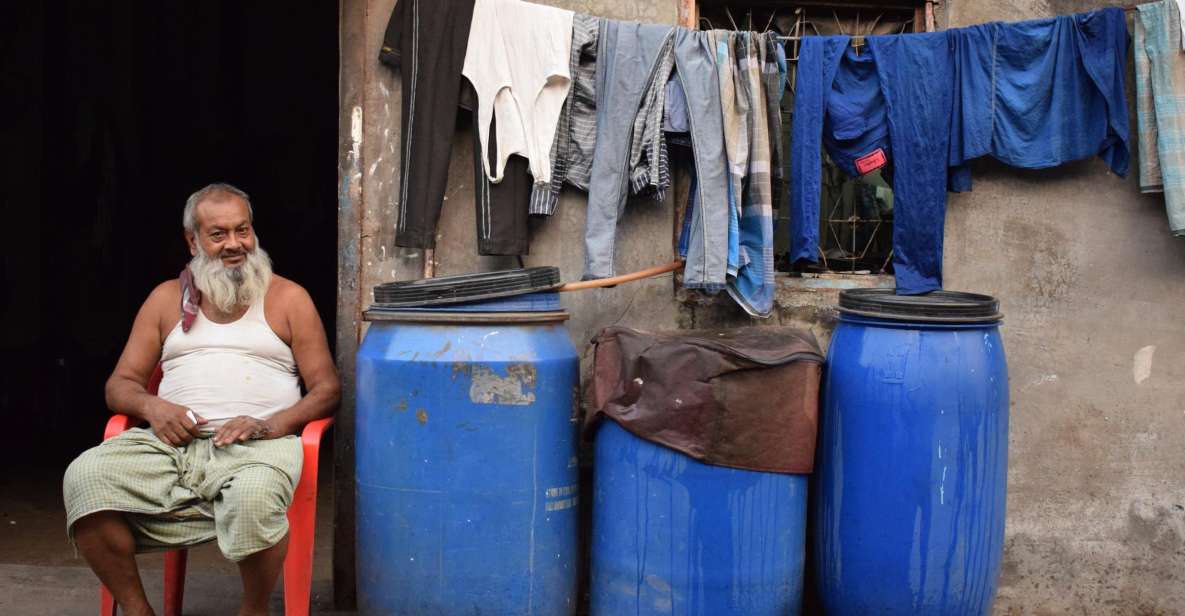
This tour runs for 2.5 to 3.5 hours, and it uses one of several starting points around Mumbai, depending on what you book: Churchgate, Mahim Junction Railway Station, or Mahim railway station. You’ll also have a tour leader who handles the flow so you don’t feel lost in a place where the streets can be maze-like.
A couple of details matter for your day:
- The group stays small (up to 6 people), and it may be joined by other tourists, so you still get a human-scale experience, not a crowd shuffle.
- You’ll get a safety briefing early on. That’s not theater—it helps you move through narrow lanes with the right expectations.
- Footwear is key. You’re recommended to wear comfortable closed-toe walking shoes, since some areas can be dirty, especially during monsoon season (June to mid-September).
The route is designed for movement on foot, with frequent stops. You’ll often pause to observe how work happens, and you’ll have moments to talk with locals when it’s appropriate. This is where a guide’s tone makes a difference. People have highlighted guides like Leena, Rishi, and Divia for being cheerful and knowledgeable in a way that feels considerate, not intrusive.
Viewpoint moment: getting scale before you get lost
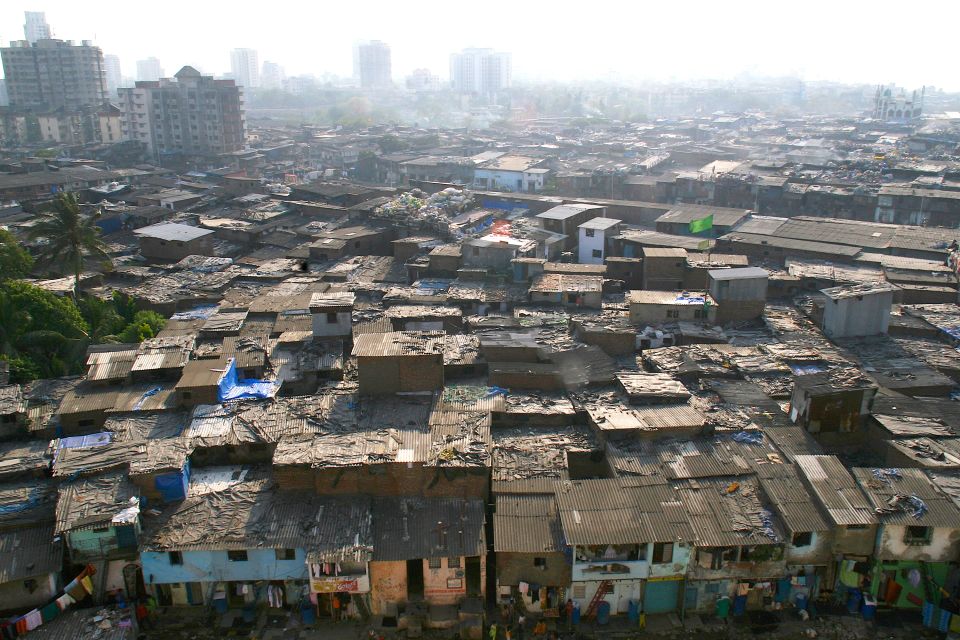
Before you wander deep into the alleys, you start with a view point segment—visit, guided tour, walk, and a short safety briefing. This is your orientation. Even if you’ve seen pictures, you need one early “scale check” to understand what you’re about to walk through.
The tour includes a rooftop viewpoint, which helps you see the settlement as more than a street-level maze. From above, you can connect the dots: tight building clusters, the way neighborhoods overlap, and how much life fits into a compact area.
This part of the tour helps in two ways. First, it makes the rest of the walk easier to interpret. Second, it reduces the chance you’ll treat the place like a set. When you understand scale, your questions get smarter—and your attention shifts from sensational to practical.
Navrang Compound and the work you can name in minutes
One of the first substantive stops is Navrang Compound (about 30 minutes). This is a good place to start learning the neighborhood’s rhythms. Think of it as a transition from seeing “a slum” to seeing “a network of small industries.”
From here, you’ll get a guided walk-and-observe style that’s meant to be respectful. The focus isn’t on shock; it’s on description you can actually use later—what gets made, how materials move, and how businesses keep operating.
You’ll likely pass or visit work areas connected to the tour’s central theme: entrepreneurship. Dharavi is estimated to include thousands of operations in areas like recycling and crafts. The tour is designed so you can spot categories as you go, rather than leaving with only general impressions.
Gokulam Store stop: a quick glimpse into daily commerce

Next is Gokulam Store, a shorter stop (around 20 minutes) that still fits the tour’s bigger goal: understanding how commerce works in a place where small businesses form the backbone of livelihoods.
Even if you’re not there to shop, this is useful. It helps you understand how supplies, materials, and buyers connect locally. You’ll be better prepared to notice how finished products flow out of workshops—or how raw inputs are managed.
This kind of stop is also where a good guide helps you avoid the wrong conclusion. It’s easy to assume there’s only “survival.” Instead, you start seeing structure: customers, outputs, and repeatable production steps.




Reality Gives Mumbai and the education connection to your fee
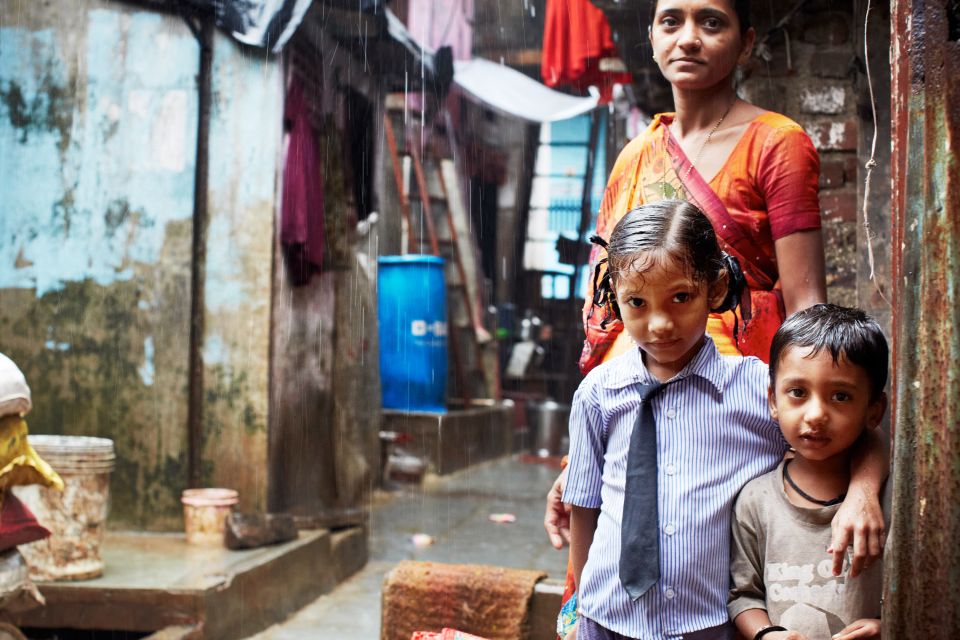
One of the most meaningful components is Reality Gives- Mumbai, including a short classroom-style segment (about 5 minutes). This isn’t a generic “we do good” talk. The tour is organized around a clear message: your money matters locally.
The tour description you’ll hear is specific about reinvestment: 80% of profits are re-invested into educational community initiatives. That changes the feel of your visit. You’re not just consuming an experience; you’re funding literacy and skills-focused opportunities.
If you care about where tourism money goes, this is the heart of the tour. It’s also why the guide’s approach tends to be careful. When the goal is community benefit, it’s harder (and less acceptable) for the walk to turn into a spectacle.
People have pointed out that guides with lived experience—like those named Leena, Rishi, or Divia—make this connection easier to grasp because they can explain the stakes without turning it into a speech.
Kumbhar Wada pottery area: seeing craft, not caricature
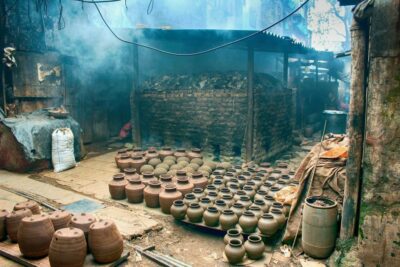
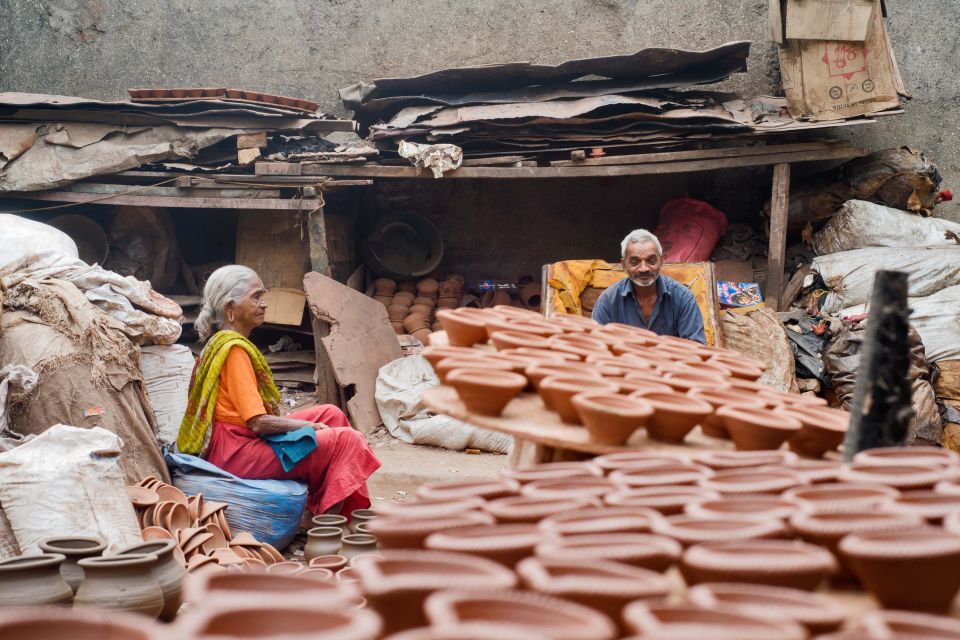
Kumbhar Wada is the craft-focused stop (about 15 minutes), and it includes a self-guided moment. The name itself points you toward pottery—the kind of work that’s easier to appreciate when you can watch hands at work and understand that skills are the product.
This is a good place to slow down. Pottery and other crafts here aren’t just “cultural objects.” They’re part of the everyday economy: materials, molds or tools, shaping, drying, and finishing steps that keep a business alive.
If you want a tour that gives you more than one industry example, pay attention here. The walking route is structured so you can connect multiple trades—like recycling, embroidery, and leather—into one bigger picture: how different workshops rely on each other for materials and output.
Lunch in Dharavi: what the optional home meal adds
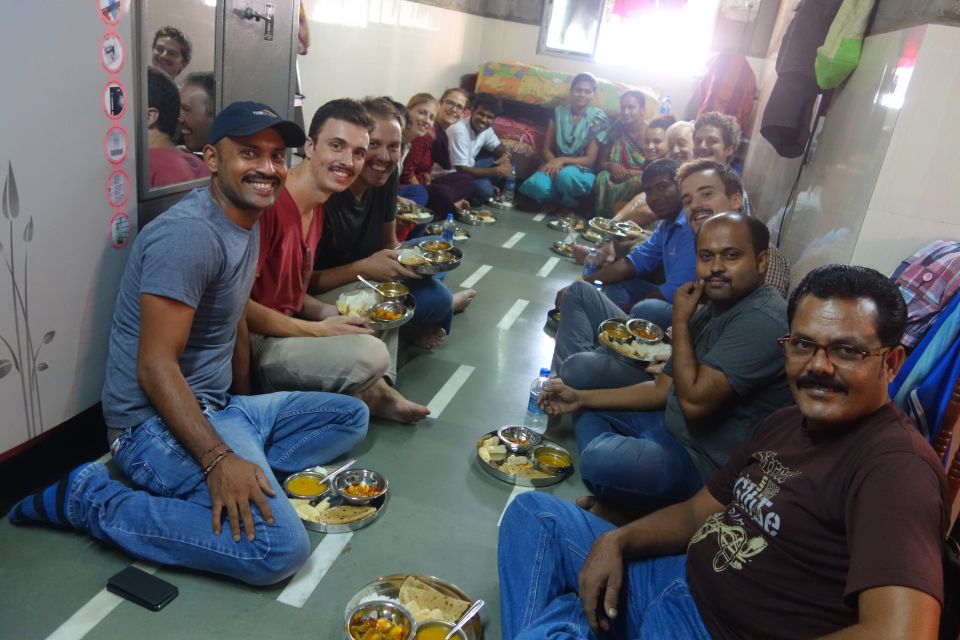
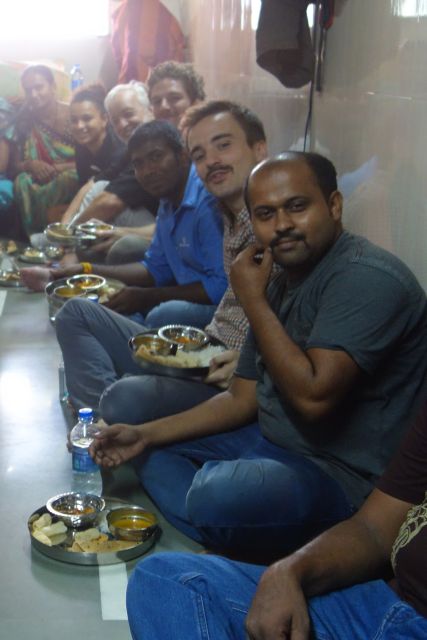
There’s an option to include lunch as part of the experience, with a time window of about 35 minutes. The meal is described as a family opening their home to you—so this isn’t a restaurant-style stop where you watch from behind a counter. It’s closer to a shared table moment.
This is also where cultural context becomes real. You’ll taste regional food and see how hospitality and daily life sit side by side with work.
One practical note: lunch turns this into a longer, slower block of time. If you’re tight on schedule or you don’t want a home-access component, you can still do the core walking tour without it.
Rules and etiquette that keep the tour respectful
This experience has a clear, practical code. It’s not about guilt—it’s about basic respect when you’re walking through someone’s neighborhood.
Wear modest clothing: no low-cut or sleeveless tops, and no short shorts are allowed. Expect closed-toe shoes for uneven or dirty surfaces. There’s also a strict no-photography policy to protect local residents’ privacy.
Some other practical limits:
- Baby strollers aren’t allowed.
- Wheelchair users aren’t suitable for this tour.
This is one of those cases where the rules improve the experience. Without constant phone screens, the walk stays focused on your guide’s explanation and your own observation.
Price and value: how $20 becomes more than a tour ticket
At $20 per person, the cost can look low for a 2.5 to 3.5 hour guided experience in a place as complex as Dharavi. Here’s why it tends to feel like good value:
- You’re paying for a local English-speaking guide who can explain how businesses work and how stereotypes miss the reality.
- The group size stays small (up to 6), which usually means more talking time and fewer “follow the leader” moments.
- The tour includes water or a cold drink.
- If you choose lunch, that’s included as well.
- And most importantly, 80% of profits are directed back into educational community initiatives.
So the value isn’t just time on foot. It’s the combination of interpretation + access + reinvestment. If your goal is to leave with a smarter view of Dharavi—and to know your money stays connected to the community—this price structure makes sense.
Who will love this Dharavi walk (and who might not)
This tour fits best if you want:
- A guided, respectful look at how people earn a living in Dharavi
- Concrete industry stops you can recognize (recycling, pottery, leather, embroidery, soap making, poppadom-making, and more)
- A chance to understand migration, community challenges, and the myths that get repeated about slums
It may not be your match if:
- You hate tight alleys or you’re uncomfortable with cramped walking spaces.
- You need lots of scenery or classic “photo moments” (the tour is no-photography).
- You rely on stroller or wheelchair access (not suitable based on the tour’s limitations).
The upside is that many people find the walk both eye-opening and surprisingly human. The best guides, the ones people name—like Leena, Rishi, and Divia—seem to keep the tone grounded: informative, respectful, and focused on understanding.
Should you book it?
Book this Dharavi walking tour if you want a short, focused way to understand a complicated place with a real guide and a clear community-benefit model. The small group size, the industry-focused stops, the viewpoint moment, and the education-funded structure (with 80% reinvested) are the main reasons I’d recommend it.
Skip it if you’re looking for a comfortable, camera-driven sightseeing loop or if you’re not comfortable with tight, possibly dirty areas and a strict privacy policy.
If you’re willing to dress modestly, wear good shoes, and walk with curiosity, this tour is one of the more practical ways to replace stereotypes with specifics.
FAQ
How long is the Mumbai Dharavi slum walking tour?
The tour lasts about 2.5 to 3.5 hours.
Where are the starting points?
Starting points can vary by option booked, with options including Churchgate, Mahim Junction Railway Station, or Mahim railway station.
Is lunch included?
Lunch is included only if you choose the lunch option. Without lunch, you still do the main guided walk experience.
Can I take photos during the tour?
No. There is a strict no-photography policy to respect local residents’ privacy.
What should I wear?
Wear modest clothing. Low-cut or sleeveless tops and short shorts aren’t allowed. Closed-toe walking shoes are strongly recommended, especially in monsoon months when some areas can be dirty.
Is the tour accessible for wheelchair users or with strollers?
No. Wheelchair users are not suitable, and baby strollers are not allowed.