REVIEW · MUMBAI
Mumbai: Dharavi Slum Walking Tour with Local Slum Dweller
Book on GetYourGuide →Operated by Mumbai Dream Tours · Bookable on GetYourGuide
Dharavi rewrites what you think a slum is. You start at Third Wave Coffee and then walk with a resident guide who shows day-to-day work and home life from the inside, including stops tied to Slumdog Millionaire and the small factories that power the neighborhood. I especially love the friendly community spirit and the way guides like Abhishek and Bharti focus on respect and safety as you move through tight lanes.
My second big win: you can add a pottery workshop with hands-on wheel time (Kumbharwade art) or choose a vegetarian lunch with a local family, eaten on the floor with your hands. The only drawback to consider is that this is a working neighborhood, not a museum, so expect close-up views of everyday hardship and lots of walking on uneven, narrow paths.
In This Review
- Key things you’ll notice right away
- Entering Dharavi the way locals do, not the way postcards do
- Meeting point at Third Wave Coffee and what to bring
- The walk itself: Slumdog Millionaire stops and working industry lanes
- Recycling in Dharavi: the plastic economy you can see up close
- Faith and neighbors: watching a shrine made across communities
- Pottery workshop option: wheel time and Kumbharwade art
- Vegetarian lunch with a local family: simple, close-up, and real
- Your guide can make or break the experience
- Price and value: why $14 can be a smart buy in Mumbai
- Who should book this Dharavi walking tour (and who should rethink)
- Should you book Mumbai Dream Tours for Dharavi?
- FAQ
- Where is the meeting point for the Dharavi slum walking tour?
- How much does the tour cost?
- What’s included in the tour?
- Is the tour available in English?
- What should I bring with me?
- Where does the tour end?
Key things you’ll notice right away
- Resident-led perspective that treats people as neighbors, not subjects
- Tiny industry stops like leather workshops, soap makers, and dye work in small spaces
- Recycling you can actually see plastic streams and clever reuse, including vegetable oil can recycling
- Cross-community moments like Muslims making a shrine for Hindus
- Optional hands-on time pottery with locals and a vegetarian lunch with a family
Entering Dharavi the way locals do, not the way postcards do
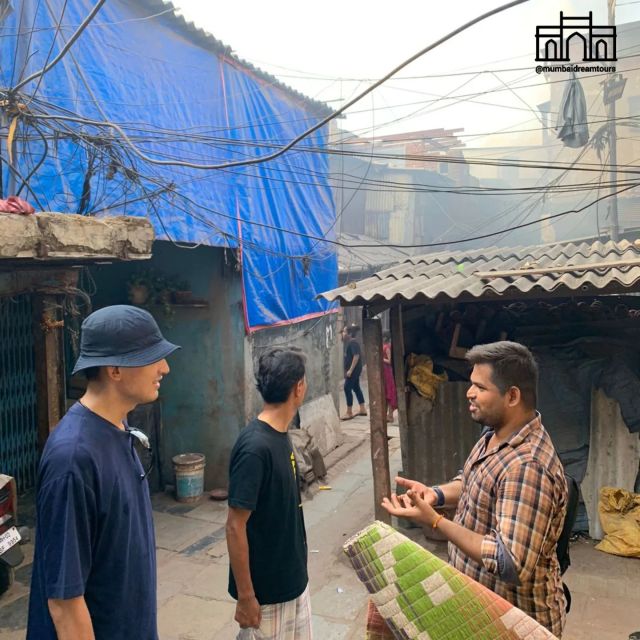
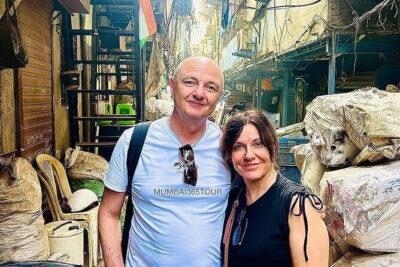
A Dharavi slum walking tour can easily turn into a guilt trip. This one works differently because you’re not just watching. You’re moving through the neighborhood with someone who lives with it every day. That changes the tone fast.
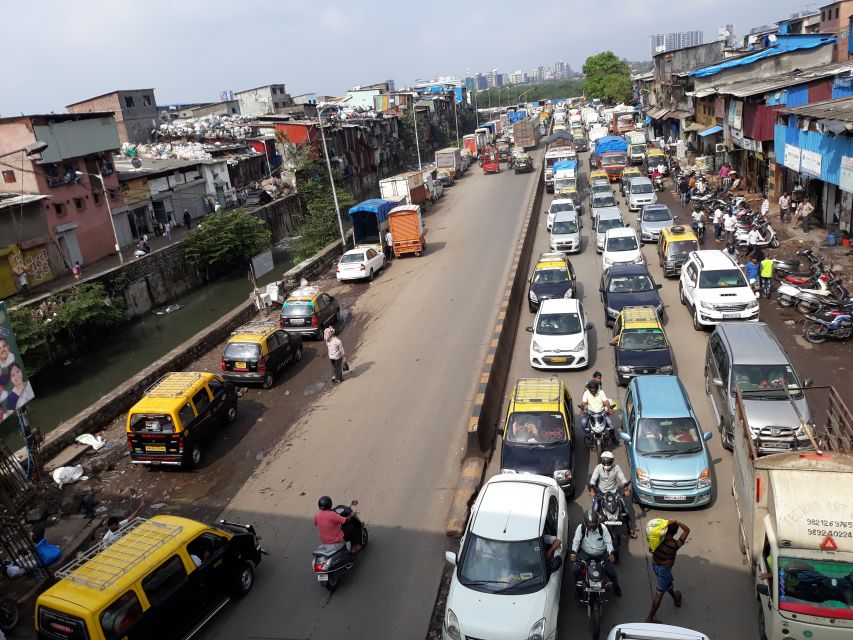
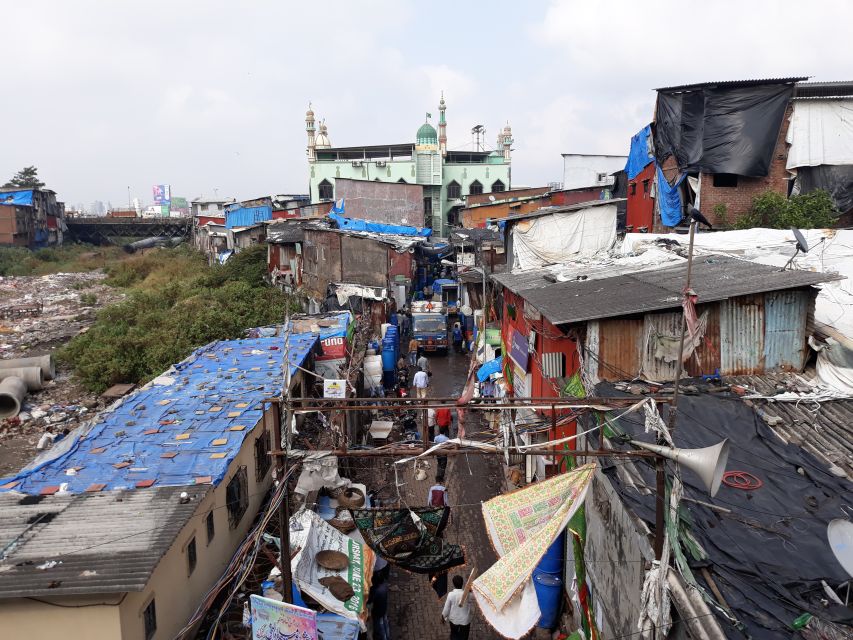
You’ll see Dharavi described as one of the largest slums in Asia, but the more useful context is how much economic activity happens here. The area’s economic output is estimated around 1 billion US dollars annually, much of it tied to informal recycling linked with Rubie’s industry. That number isn’t meant to erase hardship. It’s meant to show something important: people are building livelihoods with what they have, and the system runs on skill, hustle, and problem-solving.
One reason this experience stands out is that it doesn’t ask you to “feel bad.” It asks you to look closely. You’ll walk past places where work continues—schools, hospitals, houses, markets—and you’ll understand how the neighborhood is stitched together by small businesses, repair culture, and recycling networks.
You can also read our reviews of more walking tours in Mumbai


Meeting point at Third Wave Coffee and what to bring
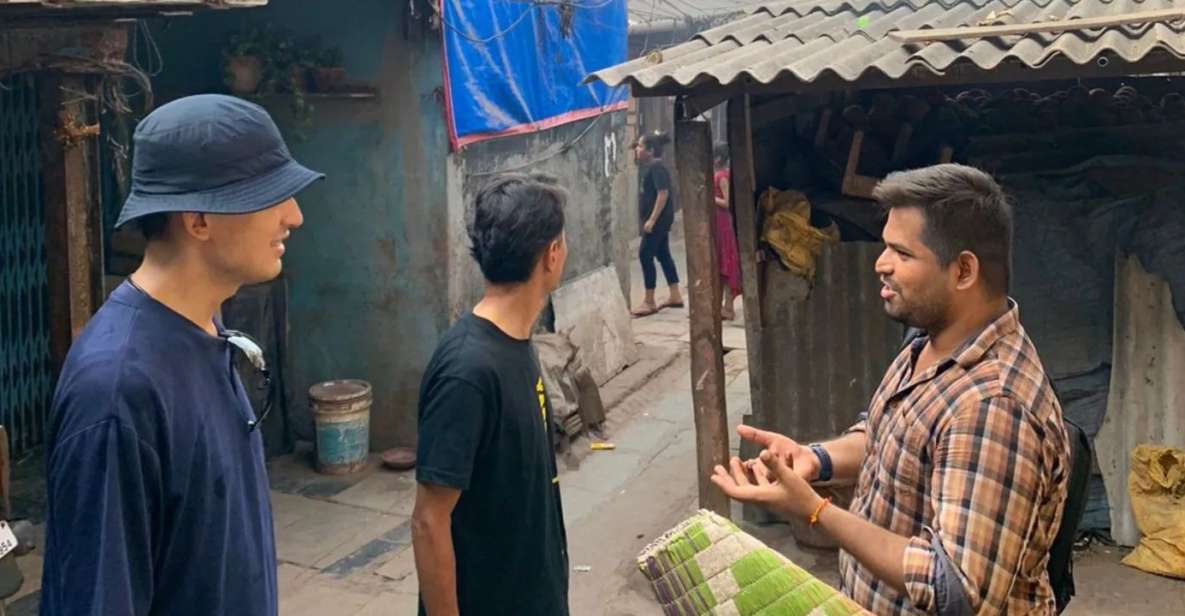
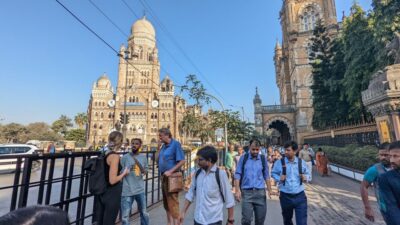
You meet your guide at Third Wave Coffee. The tour ends back at the meeting point, so you’re not left figuring out how to get out of the area.
Practical stuff matters here. Bring a scarf and wear closed-toe shoes. Expect narrow alleyways and uneven ground, so sneakers are your best friend. Also plan to use the water that’s included. During a walking tour, you’ll appreciate it.
The tour is offered in English, which makes the whole experience easier to follow—especially when guides explain how each corner of Dharavi functions and why certain recycling methods matter.
The walk itself: Slumdog Millionaire stops and working industry lanes
Your route is built around the idea that Dharavi isn’t one story. It’s many stories stacked together in close space.
One of the early wow-factors: you’ll visit the location where Slumdog Millionaire was shot. It’s the kind of place that makes you pause, because you realize how often big-city cinema borrows real settings without telling you what those streets do for the people living there now.
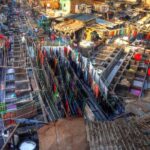
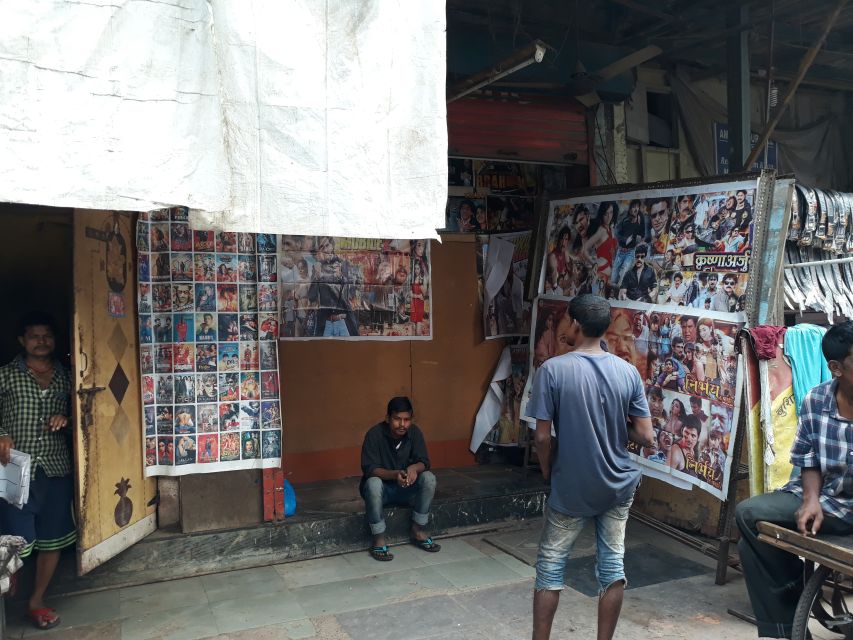
After that, the walk shifts into everyday commerce and craft. You can expect to pass through areas tied to:
- Leather workshops (handcrafted goods made in small spaces)
- Soap manufacturers
- Colored dye makers
- Other small businesses that keep the neighborhood running
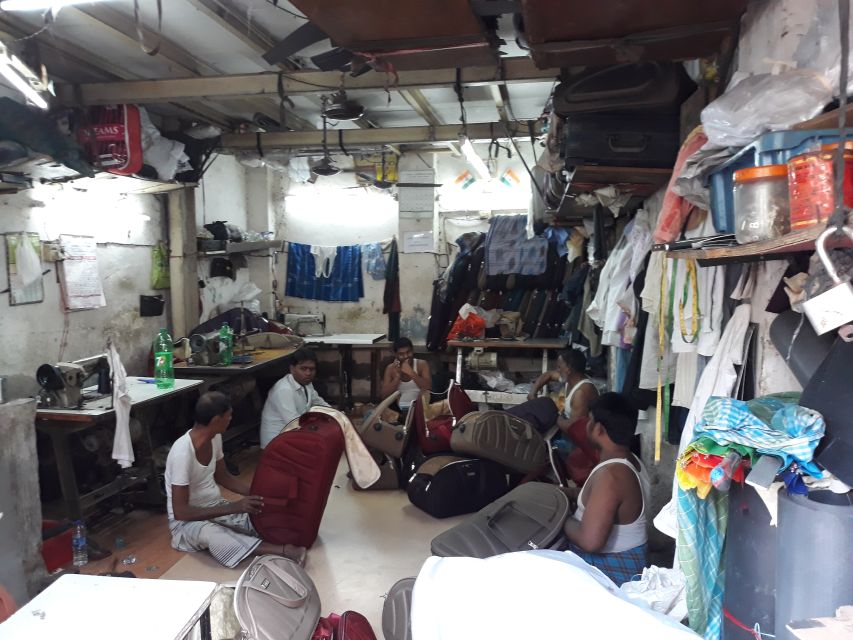
As you move from stop to stop, you’ll also see everyday institutions like a bakery, schools, hospitals, and houses. That mix is the point. Dharavi isn’t only workshops and markets. It’s also where families live and where children go to school and where health services operate.
The best parts of the itinerary aren’t just what you see, but what your guide explains. You’ll learn how materials flow in and out, how products get made, and why particular trades cluster together.
Recycling in Dharavi: the plastic economy you can see up close
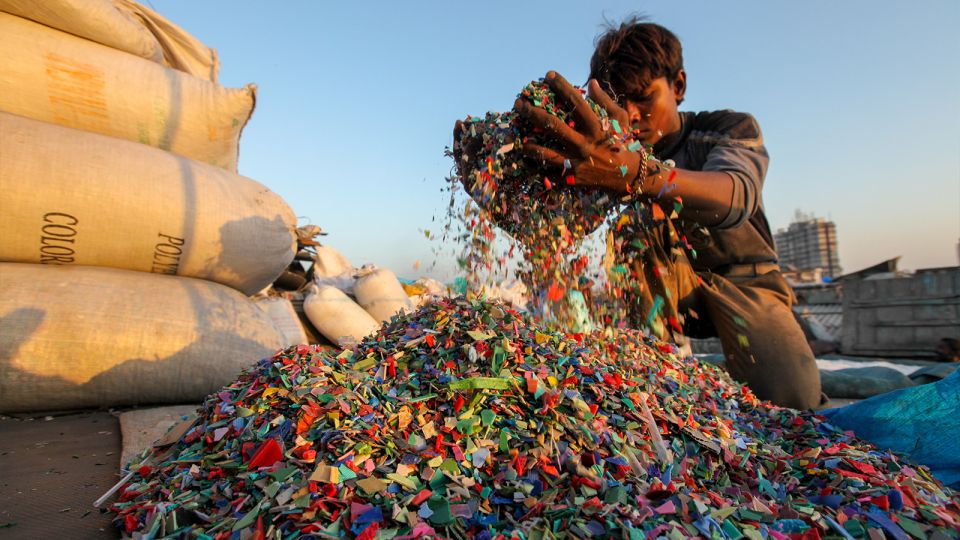
If there’s one theme that ties the tour together, it’s recycling. Dharavi’s recycling economy is described as a major driver of its annual output, and during the walk you’ll get a clear view of how that works.
You’ll learn about the importance of plastic recycling to the community and watch how everyday waste turns into raw material for work. One very specific example you’ll see is how vegetable oil cans are recycled innovatively. It’s the kind of detail that makes the bigger economic story feel real, not abstract.
This is where you’ll likely have your assumptions challenged. Many people arrive expecting only survival. But you’ll see systems: sorting, collection, reuse, and production. It’s not glamorous, but it’s effective.
And it’s clever in a very human way. People have engineered a way to make value from leftovers because that’s what the environment demands—and because skill and persistence are rewarded.
Faith and neighbors: watching a shrine made across communities
Dharavi isn’t defined by one community. It’s more accurate to think of it as many communities living side by side, sharing space and sometimes shared traditions.
One moment you may see is Muslims making a shrine for Hindus. It’s a small scene in the middle of a busy walk, but it hits hard because it underlines how everyday life can be cooperative. People may not agree on everything, but the neighborhood works because neighbors still show up for one another.
That kind of shared effort often makes the whole tour feel more grounded. It’s less about statistics and more about how relationships shape daily routines.



Pottery workshop option: wheel time and Kumbharwade art
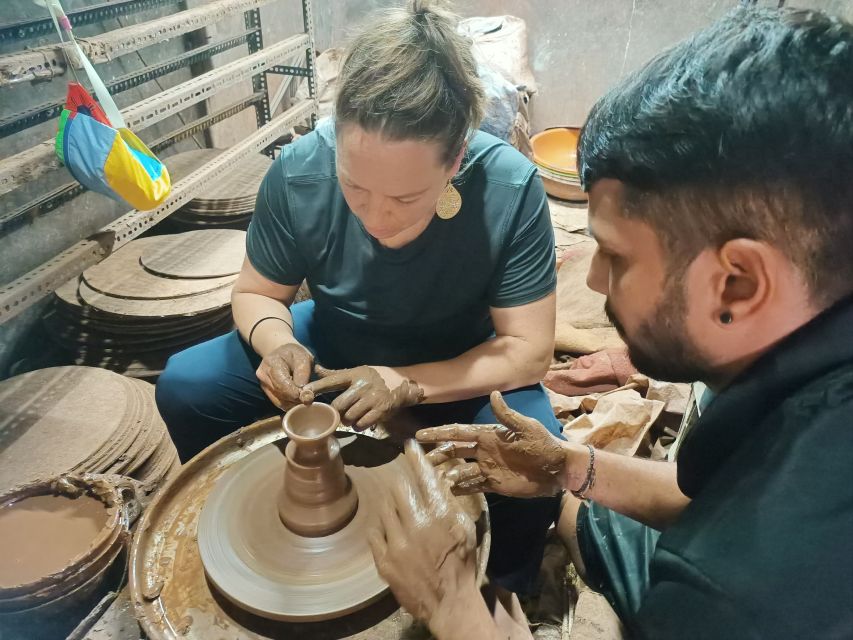
If you choose the pottery add-on, you’ll get more than a demo. You’ll get a chance to make something.
The tour includes a pottery workshop option with a local potter. You’ll get a general overview of how pottery works, then you’ll have a go at throwing on a wheel. The piece you make is described as Kumbharwade art.
A hands-on workshop is a great match for this kind of tour because it forces you to slow down. You can’t just look. You have to participate. And when you’re using your hands to shape clay, you start understanding why craftsmanship matters to the people doing it—not just as a skill, but as a livelihood and a tradition carried forward.
Also, it helps you connect the dots between industries. Recycling materials into usable products is one form of craft. Pottery is another. Both reflect the same logic: make something valuable from what you can work with.
Vegetarian lunch with a local family: simple, close-up, and real
The tour offers a vegetarian lunch option with a local family. If you add it, you’ll sit down and eat in like a local—on the floor and with your hands.
This is one of the best ways to round out the tour. Watching trades and recycling is informative. Sharing a meal puts everything into human context. You’ll get a chance to see how hospitality works inside daily life, not as a staged performance.
One practical note: food is included only if you choose the lunch option. If you don’t, plan on handling your own meals outside the tour time.
Your guide can make or break the experience
This tour lives or dies by the guide, and the guides here are consistently described as respectful, friendly, and direct.
Several names show up in standout feedback:
- Abhishek is praised for being warm, knowledgeable, and for making people feel safe and welcome.
- Bharti is celebrated for being especially welcoming and for making the experience feel special from start to finish.
- Dhruvesh gets credit for being informative and for keeping the tour well organized.
- Hardik Tank is noted for deep insights and for handling the visit in a respectful way toward local residents.
Some guides also go beyond the script. For example, one guide like Abhishek has been described as showing his home and meeting family. Another guide like Hardik Tank has been praised for inviting visitors into his home area and for small moments of kindness, like sharing sugarcane lemon juice with someone nearby.
None of that means it will happen every time. Still, the consistent pattern is clear: the best tours are the ones where your guide protects the neighborhood’s dignity while answering your questions.
If you want the most out of the walk, come ready to ask about work, materials, and daily routine. And if your guide offers a moment to ask how life works, take it. That’s where the biggest learning usually lands.
Price and value: why $14 can be a smart buy in Mumbai

At $14 per person, this tour isn’t priced like a standard “sightseeing” product. You’re paying for access, context, and a resident guide who explains the neighborhood in real time.
You also get water, and depending on your choice, you can add:
- a vegetarian lunch (with a local family), or
- a pottery workshop (hands-on wheel time)
So the value equation is simple. If you only do the walking component, you’re still getting a guided explanation of Dharavi’s economy and daily life across multiple industry stops. If you add lunch or pottery, you’re getting more face-to-face time and at least one hands-on activity that many city tours never include.
Also, this price point makes it realistic to do in a Mumbai schedule without rearranging your whole budget. Just keep your expectations aligned: this isn’t a comfort-first tour. It’s a learn-through-walking experience.
Who should book this Dharavi walking tour (and who should rethink)
This tour is a great fit if you:
- like real-world neighborhoods over set-piece attractions
- want to understand recycling and informal industry beyond headlines
- enjoy asking questions and getting answers in plain language
- want the extra payoff of pottery or a local family meal
You might want to rethink it if you:
- want a quiet, low-emotion experience (this is a working community with real life happening)
- dislike lots of walking through narrow spaces
- prefer tours where everything is kept strictly scheduled and distanced
That said, the consistent goal of the guides is to keep you respectful and comfortable as possible within the reality of where you are.
Should you book Mumbai Dream Tours for Dharavi?
If you’re curious about Mumbai’s full story—how people work, trade, recycle, and build community in a dense neighborhood—this is one of the most practical ways to learn it. The combination of visible industries, specific recycling details, optional pottery, and a chance to share a meal makes it feel like more than just a route through alleys.
My recommendation: book it if you’re open to human-scale learning. Bring your scarf, wear closed-toe shoes, and show up ready to listen. If you can choose an add-on, pick the one that matches your travel style: pottery for hands-on craft understanding, or lunch for the closest look at everyday hospitality.
FAQ
Where is the meeting point for the Dharavi slum walking tour?
You meet your guide at Third Wave Coffee.
How much does the tour cost?
The price is $14 per person.
What’s included in the tour?
The tour includes the slum tour, a guide, and water. A vegetarian lunch and a pottery workshop are included only if you choose those options.
Is the tour available in English?
Yes, the tour is listed as available in English.
What should I bring with me?
Bring a scarf and wear closed-toe shoes.
Where does the tour end?
The tour ends back at the meeting point.