REVIEW · MUMBAI
Full Day Mumbai City Tour and Dharavi Slums
Book on Viator →Operated by Tours Mumbai · Bookable on Viator
Mumbai hits you with stories fast. This private tour strings together iconic landmarks with a guided visit to Dharavi, so you’re not just ticking boxes. You get a dedicated English-speaking guide who times the stops, explains what you’re seeing, and helps you orient across a city that moves quickly.
I love two things most: the focused guide commentary (you can ask questions and get straight answers), and the practicality of short, timed stops that cover major sights without eating your whole day. There’s also real value in how the tour handles the basics—hotel pickup, bottled water, and an air-conditioned car—so you can spend your energy looking and learning.
One consideration: because there are many stops, the pace can feel a little slow at moments when you’re waiting between sights, even though you’re seeing a lot overall. If you prefer long museum-style stays, you might want extra time elsewhere after the tour.
In This Review
- Key things I’d circle before you go
- How the 4–6 Hour Route Really Feels
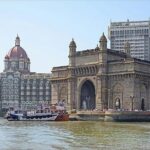
- Gateway of India: The Icon That Sets the Mood
- Colaba Causeway and the Sassoon Dock side of town
- Afghan Church: A Pause for Architecture and Atmosphere
- Dhobi Ghat: Laundry Life You See Up Close
- Parliament, High Court, and the Big-City Power Loop
- Marine Drive and Chowpatty: Classic Views, Easy Time
- Malabar Hill, Raj Bhavan, Hanging Gardens, and Kamala Nehru Park
- Tower of Silence: A culturally specific stop
- Mani Bhavan Gandhi Museum: The one with real time
- Chhatrapati Shivaji Terminus and Crawford Market: Heritage plus street life
- The Dharavi Slum Visit: The Value is Knowing Where to Look
- Price and What You’re Getting for $60
- Who This Tour Fits Best
- Should You Book This Mumbai City Tour and Dharavi Slums?
- FAQ
- How long does the tour last?
- What does the tour cost?
- Do I get hotel pickup and drop-off?
- Is there an English-speaking guide?
- Are entry tickets included?
- Is bottled water provided?
- Is this a private tour?
- Where does the tour end?
- What is the cancellation policy?
Key things I’d circle before you go
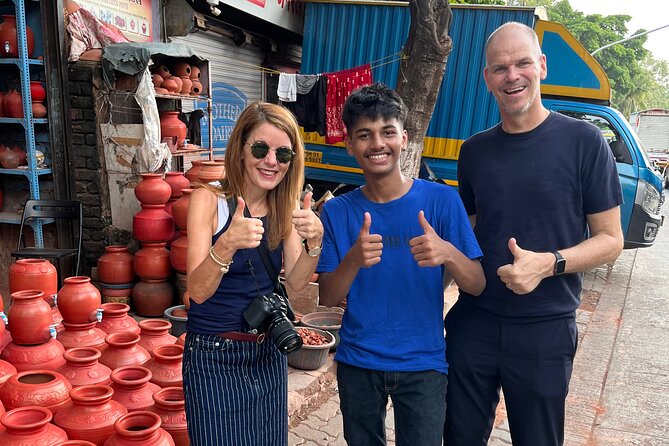
- Private, dedicated guide who explains each stop and answers questions
- Gateway to Marine Drive plus major heritage sites in one efficient loop
- Photo-friendly approach with time set aside at each attraction
- Dharavi visit with an easy starting point so you know where to look
- Tickets handled for the paid stops, with many other sights free to view
- 4–6 hours with A/C transport and hotel pickup in South & Centre Mumbai
How the 4–6 Hour Route Really Feels
This isn’t a slow, single-neighborhood walk. It’s a concentrated route built for a short stay. You’ll spend your time on a mix of “arrive, learn, snap a few photos, and move” stops, with a couple of longer pauses (like Gateway of India and Mani Bhavan Gandhi Museum).
The private setup matters. You’re not sharing your guide with strangers who hog the questions or tug the pace. Your guide can shape the tour around what you care about—architecture, city history, or how neighborhoods work day to day—while still hitting the big landmarks.
Transport is also a big part of the comfort. You’ll ride in an air-conditioned vehicle with hotel pickup and drop-off (South & Centre Mumbai). That means you spend less time navigating on your own and more time paying attention to what’s in front of you.
You can also read our reviews of more city tours in Mumbai


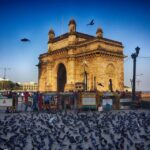
Gateway of India: The Icon That Sets the Mood
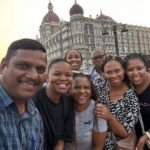
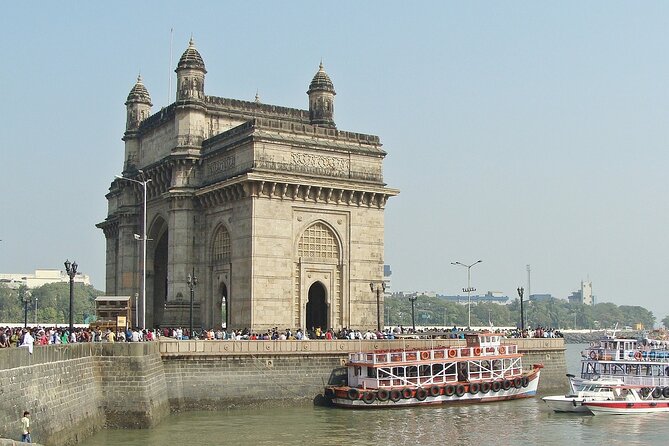
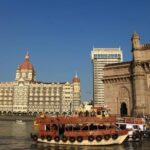
You start at Gateway of India, and it’s a good first stop because it gives you the sea-and-city framing Mumbai is known for. Your guide brings you right to the landmark, gives context, and helps with photos. There’s about 30 minutes here—enough time to get oriented, look at the surrounding area, and settle into the day.
What I like about starting here: it’s a recognizable anchor point. Once you understand the Gateway area, the rest of the city’s layers make more sense—colonial-era landmarks, promenades, markets, and the work-life pulse that continues beyond the tourist view.
This stop is marked as admission-free, so your time is about viewing, listening, and photos rather than paying for an indoor site.
Colaba Causeway and the Sassoon Dock side of town
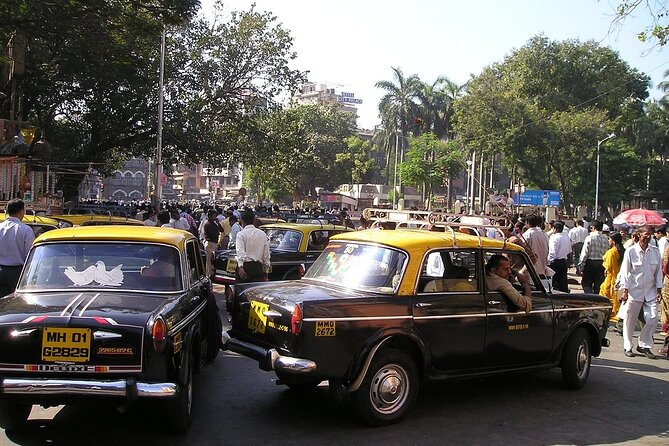
From the Gateway area, the route swings toward Colaba Causeway and Sassoon Dock—a stretch that feels busy even when the tour car is waiting. Your guide keeps it simple: explain what you’re looking at, take some photos, and give you short time blocks to see the textures of the neighborhood.
- Sassoon Dock comes with admission included, and you get about 15 minutes. Expect this to be more about the working waterfront atmosphere than a quiet stroll.
- Colaba Causeway is about 20 minutes and is admission-free, which usually means you’re moving through and looking around rather than buying entry.
For me, this part of the tour is where Mumbai starts to feel less like a postcard list and more like a real place with movement, commerce, and everyday energy.
Afghan Church: A Pause for Architecture and Atmosphere
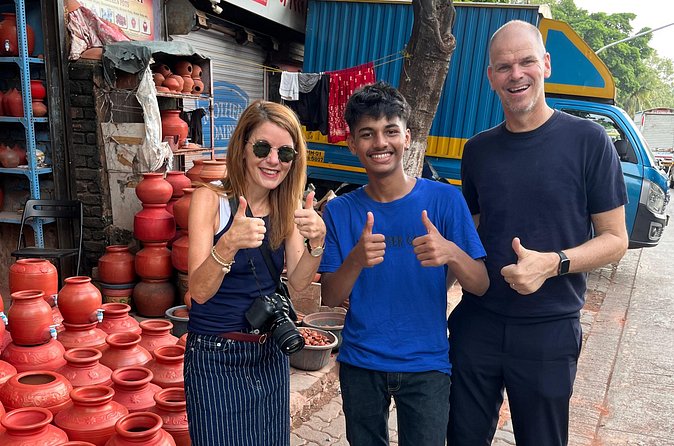
Next up is Afghan Church, another admission-free stop with time set aside. You’ll get your guide’s explanation and photos, then you’re left to take in the scene at your own pace.
Short church stops are often easy to treat as a quick photo stop. In this case, the guide-led context helps you notice details you’d likely miss otherwise—how buildings hold memory and how different communities shape the city’s look over time.
If you like architecture and places that feel lived-in rather than staged, this is a solid detour.
Dhobi Ghat: Laundry Life You See Up Close
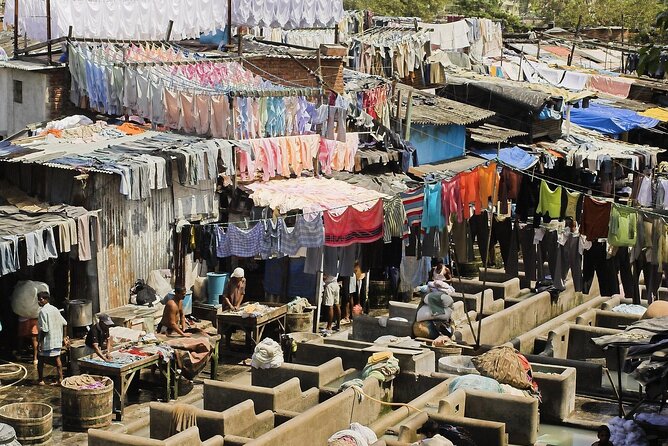
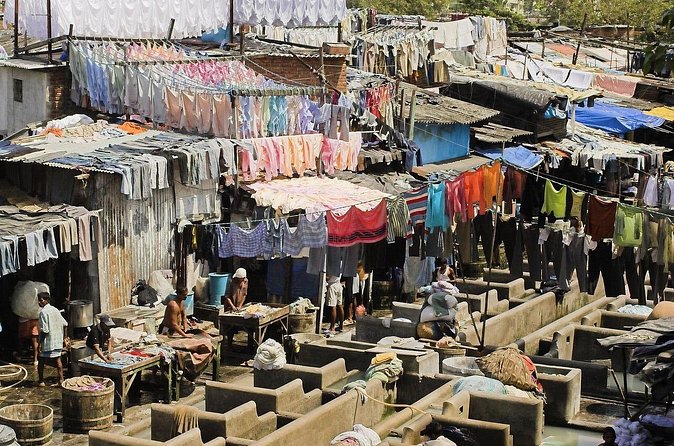
Then comes Dhobi Ghat, one of those Mumbai stops that can be emotionally powerful and visually unforgettable. You’ll have about 20 minutes, with admission included.
Your guide will explain what you’re seeing and help you make sense of how the laundry process fits into the wider neighborhood rhythm. The key here is to treat it as a human-scale view, not a spectacle. With the guide’s framing, it’s easier to stay respectful while you observe.
If you’re the type who likes street-level reality over formal museums, Dhobi Ghat is one of the highlights of the whole route.
You can also read our reviews of more tours and experiences in Mumbai



Parliament, High Court, and the Big-City Power Loop
After Colaba and working waterfront energy, the tour moves into official-landmark territory with stops like:
- Parliament Building (Mantralaya)
- Oval Maidan pedestrian crossing
- High Court Principal Bench Bombay
- University of Mumbai Library
- Rajabai Clock Tower
Most of these are admission-free and short—think 5 to 10 minutes depending on the stop. That’s important. You’re not here to “study” each building like a long campus visit. You’re here to get the story and the visual cues: how government, education, and public space show up in Mumbai’s skyline and street grid.
What you’ll likely appreciate is the way the guide connects dots. You start seeing Mumbai not just as places you visit, but as systems that shape daily life—where people gather, where decisions get made, and where the city’s future gets trained.
Marine Drive and Chowpatty: Classic Views, Easy Time
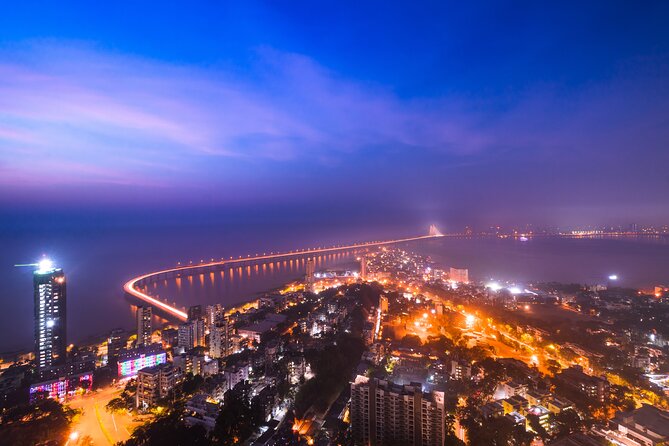
Then you hit Marine Drive with about 15 minutes, followed by Chowpatty Beach for around 20 minutes. Both are admission-free.
This section works well because it gives you breathing room. After a series of landmark facades and institutional buildings, the promenade-and-sea setting helps you reset. You can walk a little, take photos, and enjoy the contrast between government/heritage zones and the public space culture you feel near the water.
Even if you don’t spend the full time standing still, your guide’s orientation helps you understand what to look for and where the views open up.
Malabar Hill, Raj Bhavan, Hanging Gardens, and Kamala Nehru Park
Next the route climbs into the greener, calmer-feeling side of the city with:
- Malabar Hill (~10 minutes, admission-free)
- Raj Bhavan (admission included as free time on-site; no specific ticket noted)
- Hanging Gardens (~15 minutes, admission-free)
- Kamala Nehru Park (~15 minutes, admission-free)
These stops are short and designed for quick context plus photos. Think of them as “scenery checkpoints.” Your guide will explain what makes each area worth your attention, then you get time to look around.
I like this cluster because it balances the day. The city can feel intense—traffic, crowds, and strong contrasts. A sequence like this gives you a chance to stand back and see Mumbai’s shapes, not just read about them.
Tower of Silence: A culturally specific stop
Then comes Tower of Silence, another admission-free stop with guided explanation and photo time. This is the sort of site that benefits from context, because without it you might focus only on the visual and miss the meaning.
This is also a moment to slow down, even if the scheduled stop is short. Ask your guide questions. If you’re curious about faith, burial traditions, or how Mumbai’s communities coexist, this stop is a strong way to learn without feeling like you’re guessing.
Mani Bhavan Gandhi Museum: The one with real time
The tour includes Mani Bhavan Gandhi Museum, with about 30 minutes and admission included. Compared to many quick photo stops, this one gets enough time to feel worthwhile.
Your guide will explain what you’re seeing and help you connect the dots between Gandhi’s ideas and Mumbai’s role in India’s wider story. It’s also one of those stops where you may notice you’re not just looking at objects—you’re looking at themes: political change, moral influence, and how individuals shaped movements.
If you want the day to add meaning, this is the place to lean in.
Chhatrapati Shivaji Terminus and Crawford Market: Heritage plus street life
The later part of the route includes:
- Chhatrapati Shivaji Terminus (~20 minutes, admission-free)
- Crawford Market (~10 minutes, admission-free)
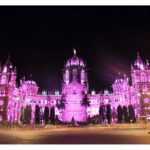
Chhatrapati Shivaji Terminus is an ideal end-leaning highlight because it makes the city’s architectural ambition obvious. You’ll get guided orientation and time for photos, but you’re mostly soaking in the vibe of a historic transport hub.
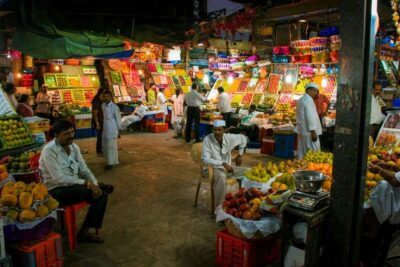
Crawford Market gives a different kind of payoff: street-market energy and a sense of how daily life keeps running underneath the landmark circuit. Even with only 10 minutes, your guide’s framing helps you notice the difference between tourist photos and real local movement.
If you love seeing how cities feel when they’re working, this pairing is a smart capstone.
The Dharavi Slum Visit: The Value is Knowing Where to Look
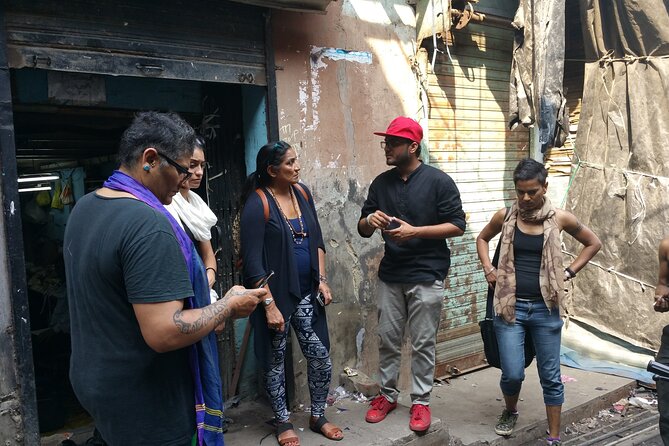
The most praised part of this experience is the Dharavi visit, and that makes sense. Dharavi is famous, but it can also feel overwhelming if you don’t know what to focus on.
A guided visit helps you get oriented fast. The goal isn’t to treat Dharavi as a one-note story. It’s to understand how people live and work, and how local routines connect to the wider city economy. The better your guide’s framing, the easier it is to ask questions and get answers that are specific instead of vague.
One review theme stood out: people were relieved because the tour makes it easy to start. You don’t spend your time trying to figure out logistics. You have a plan, and you’re guided through what to notice.
A note on expectations: you’ll be spending a short amount of time overall, given the structure and the number of other stops. For deeper exploration, you might want a separate follow-up visit later. But for most first-timers, this combo tour gives you a meaningful first pass.
Price and What You’re Getting for $60
At $60 per person, the value mostly comes from how the tour handles the practical stuff.
You get:
- Private transportation in an air-conditioned vehicle
- Hotel pickup and drop-off in South & Centre Mumbai
- An English-speaking guide
- Bottled water
- Entry tickets, tolls, parking, and taxes included (for the stops that require them)
Because so many of the landmark stops are admission-free, you’re not paying extra for every stop, and the “paid” ones that matter are already handled. That reduces decision fatigue and makes the day feel smooth.
Also, the fact that it’s private changes the math. You’re paying for guided interpretation and logistics, not just access to places. For a short trip, that’s exactly what you want.
Who This Tour Fits Best
This experience is a strong match if you:
- Want a high-impact overview without spending your entire day figuring out transport
- Like having a guide who can answer questions, not just point you to photo spots
- Care about mixing well-known landmarks with a guided look at how people live in Dharavi
- Are staying in South or Centre Mumbai and want easy hotel pickup
It’s less ideal if you want long, slow museum time or you dislike tours with many quick stops. The structure is efficient, and sometimes that means you’ll be grateful for the pace—or wish it paused a little more at your favorite places.
Should You Book This Mumbai City Tour and Dharavi Slums?
I’d book it if your goal is to get your bearings fast in Mumbai while still making the Dharavi visit feel understandable and respectful. The combination of major landmarks (Gateway, Marine Drive, Rajabai Clock Tower, Chhatrapati Shivaji Terminus, Gandhi’s Mani Bhavan) plus a guided Dharavi segment is a smart way to make one day count.
If you’re the type who hates being rushed between stops, consider adding extra time on your own after the tour at whichever area grabbed you most. But as an efficient, guide-led first look at Mumbai’s contrasts, this is a solid value choice.
FAQ
How long does the tour last?
It runs for about 4 to 6 hours.
What does the tour cost?
The price is $60.00 per person.
Do I get hotel pickup and drop-off?
Yes. Hotel pickup and drop-off are included for South & Centre Mumbai.
Is there an English-speaking guide?
Yes. The tour includes an English speaking guide.
Are entry tickets included?
Yes, entry tickets, tolls, parking, and taxes are included as part of the tour.
Is bottled water provided?
Yes, bottled water is included.
Is this a private tour?
Yes. It’s a private tour, with only your group participating.
Where does the tour end?
The experience ends back at the meeting point.
What is the cancellation policy?
There is free cancellation. You can cancel up to 24 hours in advance for a full refund. Canceling less than 24 hours before the start time means no refund.