REVIEW · MUMBAI
Private Half-Day Mumbai Sightseeing Tour by Public Transportation
Book on Viator →Operated by Mystical Mumbai · Bookable on Viator
Some cities are best seen from a window. Mumbai is best seen from a seat. This private half-day tour uses public transportation to connect key sights with real local movement, from Colaba to Churchgate. You’ll ride local buses and trains, plus Mumbai’s famous taxis, while your guide keeps everything clear and timed.
I especially like two things: transportation fares are included, so you’re not mentally tracking every rickety transfer, and you get to stop at work-and-market places (Dhobi Ghat, Dadar flower market, Chor Bazaar) that make Mumbai feel lived-in, not staged. The one thing to keep in mind is that this is a transit-based outing, so you should expect crowds around rail stations and markets, plus some walking at each stop.
In This Review
- Key highlights you’ll actually feel during the tour
- Why Mumbai by public transport works so well in 4 hours
- Price and value: what you really get for $80
- Regal Cinema at Colaba Causeway: start with art deco and quick orientation
- Chhatrapati Shivaji Terminus (CST): Gothic rail architecture in the real world
- Dadar Market (BB Dadar Market): flower auctions and quick color
- Dhobi Ghat: the open-air laundromat that keeps city linens moving
- Chor Bazaar: flea-market energy and a legend you can feel
- Churchgate Railway Station and the dabbawallas lunchbox system
- How the rides fit together: buses, trains, and black-and-yellow taxis
- What you’ll likely notice more than photos
- Who this tour is best for (and who might not love it)
- Should you book this private Mumbai public-transit tour?
- FAQ
- How long is the private Mumbai sightseeing tour?
- Is hotel pickup and drop-off included?
- What does the tour include for transportation?
- Which stops are included?
- Are any meals included?
- Where do we meet at the start?
- Where does the tour end?
- Do I get a ticket on my phone?
- Is this a private tour?
- Is there free cancellation?
- What if I’m concerned about comfort or participation?
Key highlights you’ll actually feel during the tour
- Ride the city’s normal rhythm by bus, train, and taxi, not just taxis on repeat
- Dhobi Ghat open-air laundry gives you a rare look at how hotels and hospitals get linens cleaned
- Chor Bazaar flea market + legend turns browsing into an easy story to remember
- Dadar flower market auctions add color and motion beyond the main sights
- Chhatrapati Shivaji Terminus (CST) shows off major rail architecture in a place where trains are always moving
- Guide Dev’s personal touch makes navigating the route much smoother and more human
Why Mumbai by public transport works so well in 4 hours
Mumbai can overwhelm you fast. The streets are busy, the signs are dense, and the city moves on a different clock than most places. This tour helps because it’s built around how locals actually travel. Instead of doing “look, photos, done,” you follow a route that links big landmarks with everyday industry.
The best part is the pacing. You’re out for about 4 hours, with focused time windows at each stop. That makes it realistic for a first visit or a tight schedule, while still touching places that explain the city, not just decorate it.
And because it’s private, you can go at your group’s comfort level. The guide can adjust based on what you notice—street life, rail flow, or market bargaining energy—without herding you along like a checklist.
You can also read our reviews of more private tours in Mumbai


Price and value: what you really get for $80
At $80 per person for an approximately 4-hour private tour, the price makes sense when you look at what’s included. You’re paying for a local guide plus fares for the transportation used during the tour. That matters in Mumbai, where hopping between neighborhoods can add up quickly if you’re paying each ride separately.
You also get tea and bottled water included. Food isn’t included unless specified, so you’ll want to plan around that (more on timing below). Still, having drinks handled reduces one small hassle when you’re moving through stations and markets.
In plain terms: you’re not just buying a route. You’re buying someone to manage the route—which is the real skill on a city like Mumbai.
Regal Cinema at Colaba Causeway: start with art deco and quick orientation
Your tour begins at Regal Cinema on Chhatrapati Shivaji Maharaj Marg in Colaba, near Apollo Bandar. Even if you’re not a film buff, it’s a smart starting point because it’s easy to find and sets a mood right away. This is an art deco movie theatre, and it’s notable for being tied to the early era of films shown there—its first showing is listed as Laurel and Hardy’s The Devil’s Brother in 1933.
You only spend about 10 minutes here, so don’t expect a long stop. But think of it as a “reset button.” You’ll get a moment to settle before the tour shifts into the working, commuting parts of the city.
Practical tip: wear shoes you can walk in comfortably. The tour moves from this neat introduction into more crowded areas fast.
Chhatrapati Shivaji Terminus (CST): Gothic rail architecture in the real world
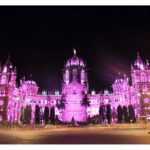
Next up is Chhatrapati Shivaji Terminus, one of India’s busiest railway stations. It’s designed by British architectural engineer Frederick William Stevens in a Victorian Italianate Gothic Revival style, with construction beginning in 1878.
The key idea here isn’t just the building. It’s the contrast: grand architecture beside relentless rail activity. In a short 10-minute window, you’ll get the visual impact and understand why this station matters to Mumbai’s daily life.
This stop also helps you “read” the rest of the tour. Once you’ve seen CST up close, buses and local trains later feel less random. You’ll understand you’re moving through a system, not hopping between unrelated attractions.
Dadar Market (BB Dadar Market): flower auctions and quick color
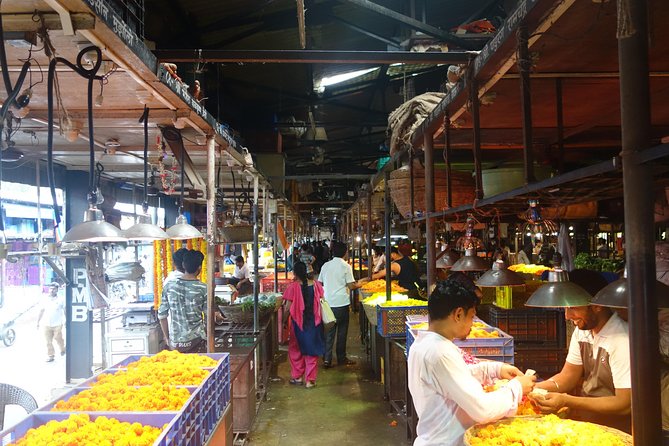
About 30 minutes are set aside for BB Dadar Market, known for being a fresh flower market with auctions and a colorful variety of blooms. The point of this stop is sensory. You see how the supply chain looks up close—people buying in volume, flowers arriving, and the flow of goods that support daily life.
It’s not a typical “sit and admire” attraction. It’s more like watching a workplace that happens to be beautiful. If you like markets, you’ll have fun. If you don’t, you’ll still get a useful snapshot of how Mumbai breathes through commerce.
One consideration: flower markets can be busy and can involve strong smells and lots of movement. If you’re sensitive, keep your expectations flexible and stick close to your guide.
You can also read our reviews of more tours and experiences in Mumbai


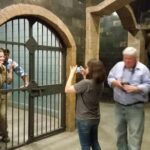
Dhobi Ghat: the open-air laundromat that keeps city linens moving
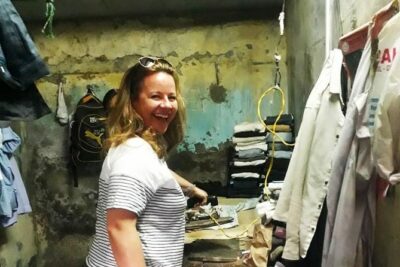
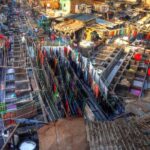
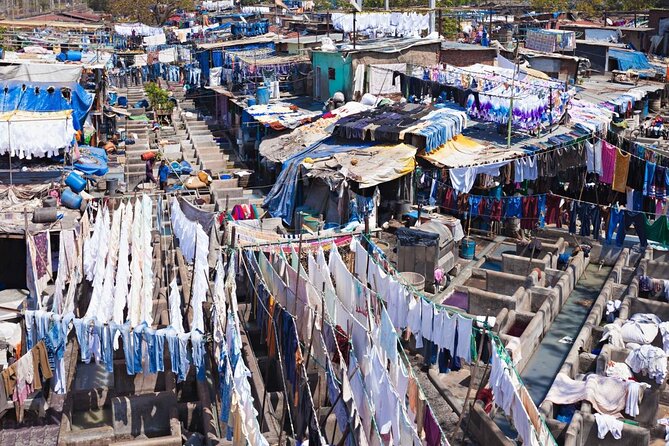
This is one of the stops that makes the tour feel genuinely Mumbai. Dhobi Ghat is an open-air laundromat where washers, known as dhobis, work in the open to clean clothes and linens from Mumbai’s hotels and hospitals. It was constructed in 1890.
You’ll spend about 25 minutes here. That short time is enough to understand the workflow and recognize what you’re seeing: not a museum display, but an operating service. The sight of people working outdoors, combined with the purpose behind it, turns “laundry” into an inside look at city infrastructure.
What to focus on during your visit:
- The fact that the work is exposed to the air, not hidden in back rooms
- How the environment supports daily labor, not just one-off demonstrations
- The scale implied by serving hotels and hospitals (even if you don’t get exact numbers)
A note on the experience: it can be visually busy and active. If your goal is calm photography, you may find it chaotic. If your goal is understanding how Mumbai works behind the scenes, this is a highlight.
Chor Bazaar: flea-market energy and a legend you can feel
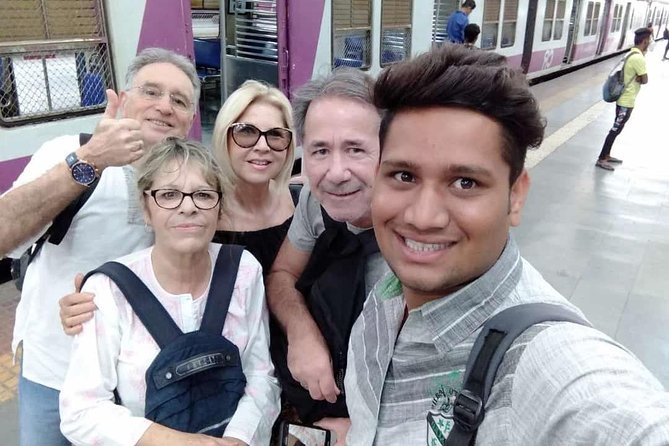
Then you head to Chor Bazaar, one of the largest flea markets in India. The word chor means thief in Marathi and Hindi. There’s a popular legend tied to it: if you lose something in Mumbai, you can buy it back from Chor Bazaar.
You get around 30 minutes here. That’s enough time to walk the lanes, spot vendors, and get a sense of the market’s tone. It’s not just shopping; it’s a place where bargaining culture and street stories mix together.
What I like about this stop is that the legend gives the market context. It makes the experience more than random browsing. You start noticing the “folk logic” people use in cities—how myths and daily commerce often blend.
Possible drawback: flea markets can be crowded and a bit chaotic. If you’re uncomfortable with that, keep your priorities simple—walk, look, and don’t feel pressure to purchase.
Churchgate Railway Station and the dabbawallas lunchbox system
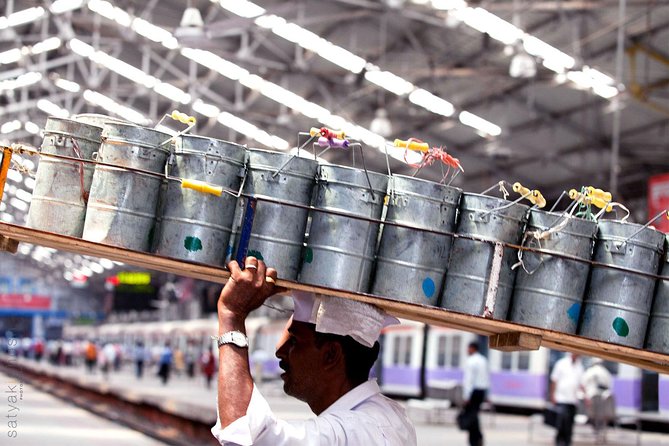
Your final stop is near Churchgate Railway Station, with about 20 minutes allocated. This area is a prime place to see dabbawallas at work—people who organize lunch delivery by leveraging Mumbai’s rail system. The tour information highlights that they deliver 200,000 lunchboxes every single day.
This stop is short, but it’s a big idea in a small time slot: the city runs on coordination. You’ll likely see people and supplies moving with timing and routine, which helps you connect the dots you saw earlier at major rail hubs.
Even if you don’t fully understand the logistics instantly, you’ll leave with something useful: a sense that Mumbai isn’t just a set of landmarks. It’s a machine where rail, work, and daily needs are linked.
How the rides fit together: buses, trains, and black-and-yellow taxis
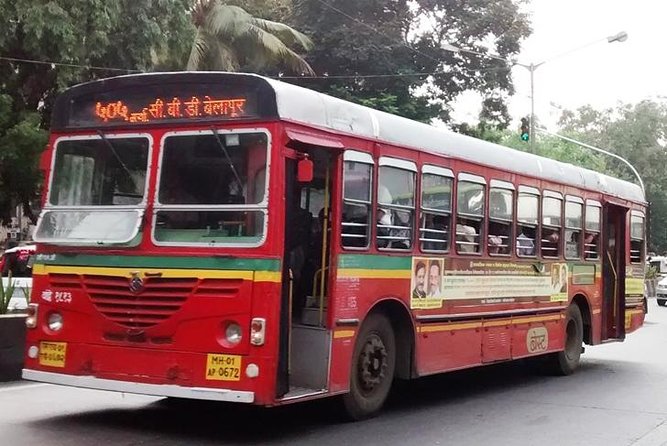
A big promise of this tour is “Mumbai like a local,” and the mechanics matter. You’ll use local buses, local trains, and also cabs—specifically, your tour mentions navigating with Mumbai’s black and yellow taxis.
You’re not just getting from A to B. You’re getting a guided lesson on how to move through the city safely and efficiently. That reduces friction for first-time visitors, especially around rail stations where getting oriented can be tricky.
Also, this is a private tour/activity, so your group stays together. That means less waiting, fewer confusing “who’s next” moments, and more time actually seeing what you came for.
Practical guidance for comfort:
- Keep your phone charged because your ticket is mobile
- Bring a small amount of patience for busy station areas
- Plan to be on your feet for market and station walking, even if each stop is fairly short
What you’ll likely notice more than photos
If you’re wondering what the tour really teaches you, it’s this: Mumbai is organized around work. Many sights people photograph here are tied to real labor systems—laundry, flowers, flea-market trade, rail delivery.
That’s why Dhobi Ghat and the dabbawallas stop land so well. They’re not staged. They’re not “attractions” in the theme-park sense. They’re services that keep the city running, and your guide helps you interpret what you’re seeing as you move.
The tour also leans into stories and context. For example, you’re not just seeing CST as architecture—you’re seeing it in a station environment described as one of the busiest railway stations in India. And at Chor Bazaar, the thief legend gives the market a layer of meaning as you walk through.
Who this tour is best for (and who might not love it)
This tour is a great fit if you:
- Want to see major Mumbai landmarks plus working neighborhood spots
- Enjoy public-transit experiences and don’t mind crowds
- Like guided context that helps you understand what you’re looking at
It’s also ideal if you’re short on time but want more than a “photo only” route. In about half a day, you cover a cinematic-start landmark, a major rail icon, a market economy stop, an open-air laundry system, a flea market with a story, and a rail-linked lunch delivery scene.
Consider skipping or thinking twice if:
- You prefer quiet, slow sightseeing and hate crowded station areas
- You want a long food or museum-style experience (this isn’t built that way)
- You dislike transit-based travel as part of sightseeing
Should you book this private Mumbai public-transit tour?
If you want a practical, first-visit-friendly way to understand Mumbai, I’d say yes—especially because transport fares, tea, and bottled water are included and because the route uses the city’s own public movement instead of sheltering you in private car comfort.
I think the biggest reason to book is the guide factor. The information you have says the guide is a big part of the experience, and one name that comes up is Dev, with guests highlighting how much personality and conversation he brought. A good guide matters most when you’re navigating stations and markets. That’s where your time pays off.
Only you can decide your tolerance for busier areas, but if you’re okay with crowds and a bit of walking, this tour is a smart value for a focused half-day in Mumbai. It helps you feel the city as a working place, not just a set of stops.
FAQ
How long is the private Mumbai sightseeing tour?
It runs for about 4 hours.
Is hotel pickup and drop-off included?
No. Hotel pickup and drop-off are not included.
What does the tour include for transportation?
Fare for all transportation used as part of the tour is included, and the route uses local buses, local trains, and taxis.
Which stops are included?
Regal Cinema, Chhatrapati Shivaji Terminus, BB Dadar Market, Dhobi Ghat, Chor Bazaar, and Churchgate Railway Station.
Are any meals included?
Tea and bottled water are included. Food is not included unless specified.
Where do we meet at the start?
At the Regal Cinema Building, Chhatrapati Shivaji Maharaj Marg, Apollo Bandar, Colaba, Mumbai.
Where does the tour end?
At Maharshi Karve Rd, Churchgate, Mumbai.
Do I get a ticket on my phone?
Yes, it mentions a mobile ticket.
Is this a private tour?
Yes. It’s private, and only your group participates.
Is there free cancellation?
Yes, you can cancel for a full refund up to 24 hours in advance.
What if I’m concerned about comfort or participation?
The details state that most travelers can participate, and the meeting point is near public transportation. Expect some movement through stations and markets as part of the route.