REVIEW · MUMBAI
Mumbai: City & Slum Full-Day Exploration
Book on GetYourGuide →Operated by Explore Mumbai Tours · Bookable on GetYourGuide
Mumbai compresses eras into one hard-working day. This guided tour connects Dharavi and Dhobi Ghat with Mumbai’s headline monuments, so you see real city life and not just postcards. I love the chance to learn from guides such as Subhan, Ruqaiyya, Sharon, and Pranav, who know how to explain what you’re seeing without turning it into a show. I also love the practical pacing: hotel pickup and drop-off plus an English-speaking guide keeps the day smooth. One heads-up: it’s a packed 6-hour sprint, so you’ll want a respectful mindset, and you may feel emotionally heavy at moments.
After the slum walk, the itinerary shifts to architecture, markets, and views—CSMT’s UNESCO-listed building, the bustle at Crawford Market, and the camera-friendly stretch from Gateway of India to Marine Drive. I like that the day includes a real breath of scenery at Hanging Gardens and Kamala Nehru Park, not only concrete and crowds. If you prefer a slow, long museum day with lots of quiet time, this schedule may feel a bit tight.
In This Review
- Key points before you go
- A 6-Hour Plan That Links Mumbai’s Icons to Real Daily Work
- Hotel Pickup and an Air-Conditioned Reset in Traffic
- Dharavi: A Guided Walk Focused on People, Work, and Respect
- Dhobi Ghat + Crawford Market: Two Stops That Explain How Mumbai Runs
- CSMT’s UNESCO Architecture and the Victorian Gothic Photo Corridor
- Gateway of India to Marine Drive: From Shoreline History to Urban Views
- Hanging Gardens + Kamala Nehru Park: A Break From Streets That Still Feels Local
- Mani Bhavan at Your Pace: Gandhi’s Story Without the Rush
- Time, Pace, and What to Pack for a Private 6-Hour Day
- Price and Value: Is $43 Worth It in Mumbai?
- Should You Book This Mumbai City and Slum Tour?
- FAQ
- How long is the Mumbai City & Slum full-day exploration?
- What’s included in the tour?
- Does the tour include hotel pickup and drop-off?
- Is the tour private, and is there a live guide?
- What sights and areas does the tour cover?
- How much does it cost?
- What is the cancellation policy?
Key points before you go
- Dharavi first, with a guided walk that focuses on daily life, local work, and how residents build livelihoods
- Dhobi Ghat + Crawford Market for hands-on glimpses of Mumbai’s work culture
- CSMT’s Victorian Gothic architecture plus major landmarks in the Old Bombay corridor
- Marine Drive views with multiple viewpoints so you can actually find the angle you want
- Mani Bhavan at your own pace for Gandhi’s story without a countdown
A 6-Hour Plan That Links Mumbai’s Icons to Real Daily Work
This isn’t a “only-famous-places” tour. The big idea is the pairing: you see Mumbai’s global-facing landmarks and then you spend real time with the city’s everyday economy through Dharavi and Dhobi Ghat. That contrast is the point, and it changes how you read the city when you’re back on your own.
You’ll likely notice something fast: Mumbai’s story isn’t only written in stone buildings. It’s written in work—laundry lines, market stalls, small workshops, and crowded streets where people solve problems every day. The guide’s job is to connect what you’re seeing to why it matters, so you don’t just collect sights. You end up with context.
You can also read our reviews of more city tours in Mumbai



Hotel Pickup and an Air-Conditioned Reset in Traffic
One of the smartest parts of this tour is how little friction it adds. You get hotel pickup and drop-off, bottled water, and an air-conditioned vehicle. In a city with serious traffic, that means less stress and fewer “how do we get there?” moments.
From what’s been described for this experience, the driving tends to be careful and calm, with drivers who keep you comfortable through the ride between neighborhoods. That’s not a small thing. When your time is limited to 6 hours, every smooth transfer protects your energy for the stops that actually need your attention.
Dharavi: A Guided Walk Focused on People, Work, and Respect
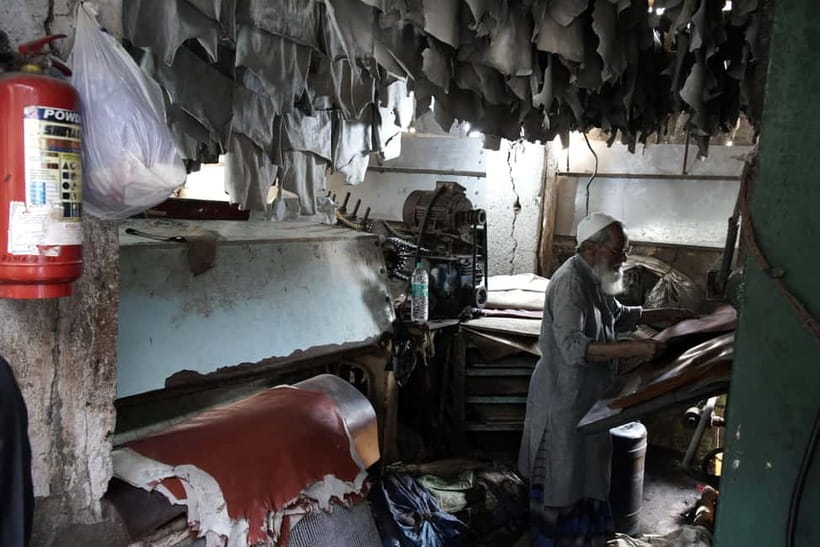
The Dharavi portion is the emotional center of the day. You get a guided tour and a walk for about two hours, which is enough time to understand the area beyond headlines. The guide explains how people live, how they make a living, and how education and local life continue in tight spaces.
In groups where the guides have been named, Subhan and Ruqaiyya have come up as leaders for the slum walk, with Subhan walking through both commercial and residential areas. Ruqaiyya has been described as being from Dharavi and learning English via YouTube, which helps the whole experience feel grounded and communication-friendly.
How to make it a better experience for yourself: treat it like meeting a neighborhood, not like shopping for photos. Ask questions, listen first, and follow your guide’s lead on where it’s comfortable to walk and pause. A good sign is whether your guide directs you respectfully through places where residents welcome visitors.
Dhobi Ghat + Crawford Market: Two Stops That Explain How Mumbai Runs
Next comes a shift from “life in a neighborhood” to “life through labor.” At Dhobi Ghat, you’ll see traditional laundry methods during a photo stop and short visit. The big hook here is that it’s described as the world’s largest open-air laundry—so you’re watching an entire system, not just one family washing clothes.
Dhobi Ghat is a working place, which means it’s busy and active. If you’re sensitive to motion, noise, or close-up routines, keep your expectations flexible and let the guide set the pace.
Then you hit Crawford Market, with a guided visit and walk. This is where Mumbai’s daily life shows in small transactions: products moving from stall to stall, workers coordinating fast, and the constant background noise of commerce. It’s also one of the best places to practice noticing details—packaging, signage, what’s in season, and how people shop when they’re not tourists.
CSMT’s UNESCO Architecture and the Victorian Gothic Photo Corridor

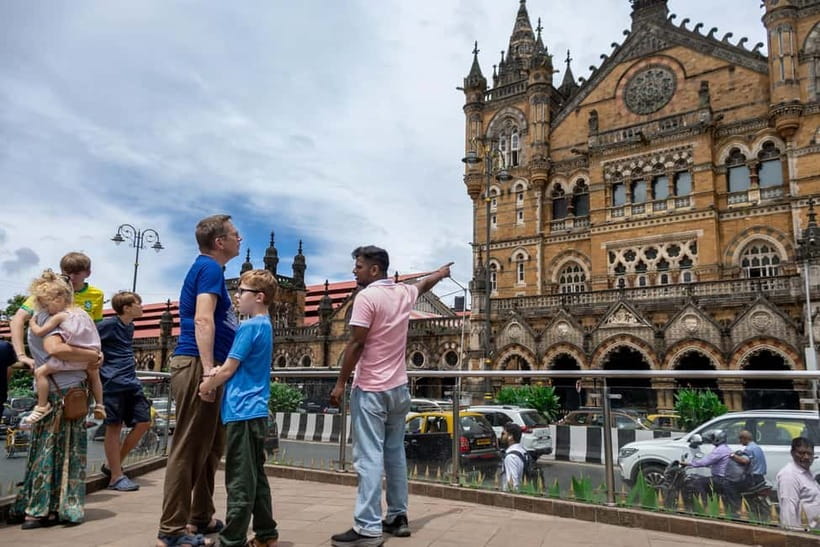
Chhatrapati Shivaji Maharaj Terminus (CSMT) is one of the main “wow” stops, and you’ll see why quickly. This UNESCO World Heritage Site is famous for its Victorian Gothic architecture, and you’ll get a guided tour plus photo stops. Even if you’re not an architecture nerd, it’s the kind of building where details reward you when you slow down for a moment.
After CSMT, the day moves through the Old Bombay belt with photo stops around major institutions, including the Rajabai Clock Tower area and the High Court of Bombay. You’ll also pause near Oval Maidan, a useful landmark because it gives you a sense of how grand the civic buildings look when there’s open space.
One practical note: many of these spots are quick photo moments. If you’re the kind of person who needs long time in front of statues or façades, you might feel a little rushed. But if you want a guided route that hits the key buildings and keeps you from wandering in the wrong direction, this format helps.
You can also read our reviews of more tours and experiences in Mumbai






Gateway of India to Marine Drive: From Shoreline History to Urban Views
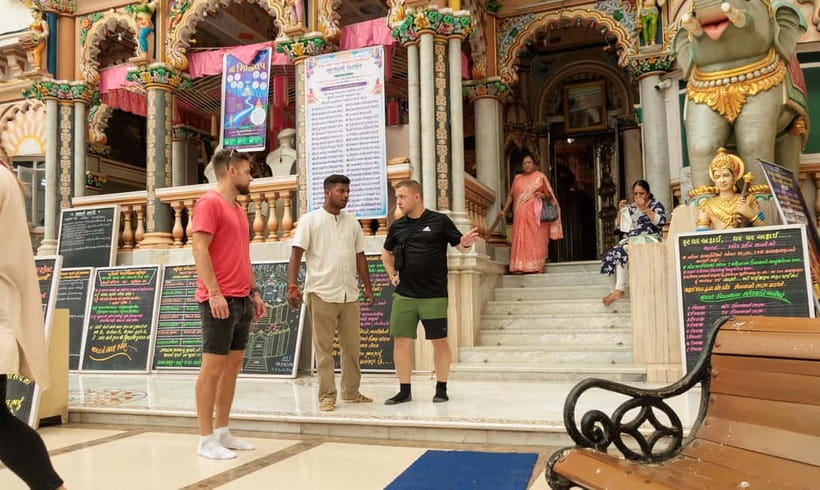
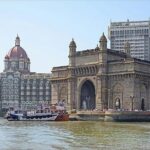
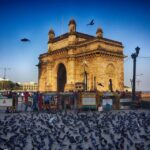
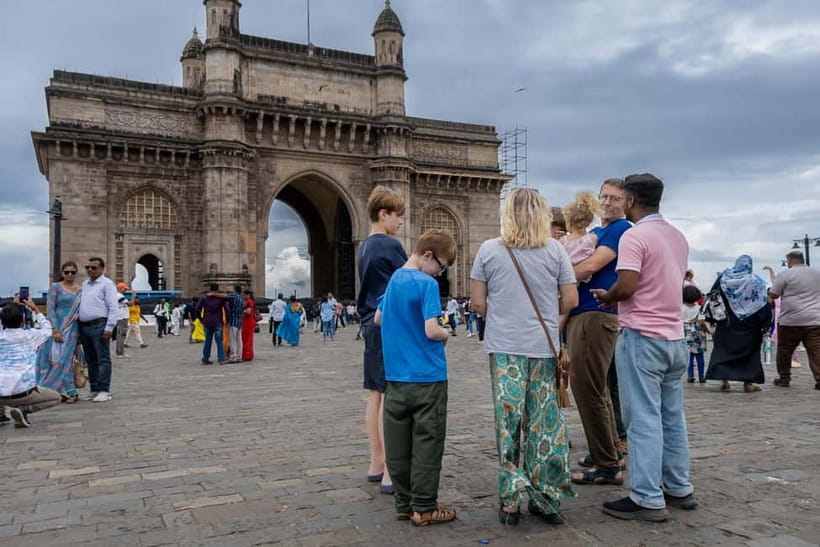
The Gateway of India stop is both a visual moment and a history lesson. You’ll have a photo stop and a guided visit, so you’re not just taking a picture—you’re also learning what the monument represents in the city’s story.
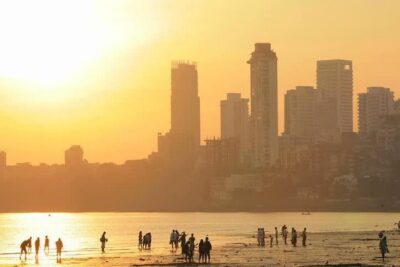
From there, the tour leans into views and walking edges: Marine Drive appears as a photo stop, and later you’ll return for the scenic coastline atmosphere. Marine Drive is one of those places where the city looks different depending on where the sun is and how people are moving. Even within a short stop, you get a sense of why so many Mumbai evenings orbit this strip.
If you’re traveling with someone who likes skyline photos, this section will keep both of you happy: landmark buildings in one direction, the sea-facing mood in the other.
Hanging Gardens + Kamala Nehru Park: A Break From Streets That Still Feels Local
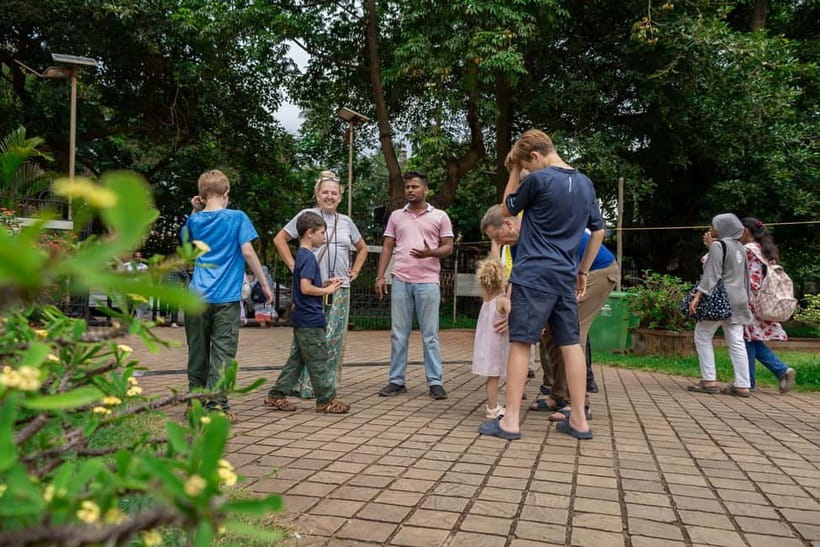
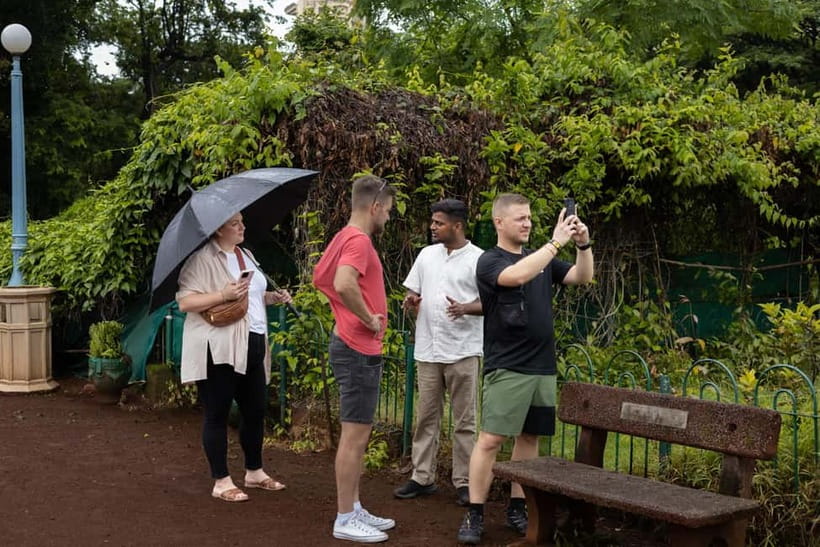
After the big monuments, you’ll get a calmer, greener change of pace at Hanging Gardens Mumbai. You’ll visit with a guided walk, and it’s described as offering panoramic views of Marine Drive and the Arabian Sea. That matters because it lets you “zoom out” mentally—Mumbai becomes a whole city, not just the blocks you’ve just walked.
Then Kamala Nehru Park adds another scenic pause with a visit and guided walk. This is a good place to regroup, refocus your photos, and reset your legs before the final cultural stop.
Mani Bhavan at Your Pace: Gandhi’s Story Without the Rush
The tour finishes with Mani Bhavan, Gandhi’s former residence. Here, you get a self-guided visit, which is a smart choice for this kind of day. After guided explanations all morning and into the afternoon, self-guided time lets you spend a little more attention on the details that catch your eye.
This also balances the emotional weight of the slum and the intensity of the working areas. Mani Bhavan brings the day back to a major figure in India’s independence movement, helping you see another layer of Mumbai’s connection to national history—without forcing everything into a single guided lecture.
Time, Pace, and What to Pack for a Private 6-Hour Day

Because this day runs for about 6 hours and includes multiple photo stops, your biggest job is simple: keep moving and keep your expectations realistic. You’ll have guided time where it counts (like Dharavi and the guided architectural stops), and shorter time blocks for photo moments.
For comfort, plan for walking and sun exposure. Wear supportive shoes. Bring a light layer if you get chilly in the vehicle. And since bottled water is included, you can spend your mental energy on the stops instead of worrying about basic needs.
The biggest “hidden” tip is attitude. When you mix a slum walk with iconic city monuments, your understanding will change fast. If you arrive expecting only sights, you’ll miss the point. If you arrive ready to ask questions and make mental connections, you’ll get a lot more value.
Price and Value: Is $43 Worth It in Mumbai?

$43 per person for a 6-hour private day is not just a cheap sample—it’s a full, guided structure with transportation and entry fees handled. You also get bottled water, an air-conditioned vehicle, and all fees and taxes included, which helps keep the day from turning into surprise costs.
The value is strongest if you fit one of these profiles:
- you want major landmarks plus real neighborhood context in a single day
- you prefer a guided flow so you don’t waste time figuring out routes
- you care more about interpretation than checking boxes
If you only want one type of experience—say, museums and architecture with long stops—this price might feel like a mismatch because the schedule is compact and many sights are photo-focused.
Should You Book This Mumbai City and Slum Tour?
I’d book it if you want a day that makes Mumbai feel like a living place with an economy, not just a set of famous scenes. The Dharavi portion and the pairing with Dhobi Ghat are the two anchors that give this tour its meaning, and the landmark route makes sure you still see the city’s best-known faces.
I wouldn’t book it if you hate tight schedules, prefer slow pacing, or know you get overwhelmed by difficult realities. The slum visit is thoughtful, but it still hits you.
If you want one practical decision rule: go for it when you’re open to learning and listening, and you’re okay with a day that mixes awe with reality.
FAQ
How long is the Mumbai City & Slum full-day exploration?
It’s listed as a 6-hour experience.
What’s included in the tour?
Included items are bottled water, an air-conditioned vehicle, and all fees and taxes.
Does the tour include hotel pickup and drop-off?
Yes. Hotel pickup and drop-off are included for a hassle-free experience.
Is the tour private, and is there a live guide?
It’s a private group, and there is a live tour guide who speaks English.
What sights and areas does the tour cover?
The tour includes Dharavi, Dhobi Ghat, Chhatrapati Shivaji Maharaj Terminus, Crawford Market, Gateway of India, Oval Maidan, University of Mumbai, Rajabai Clock Tower, the High Court of Bombay, Marine Drive, Hanging Gardens Mumbai, Kamala Nehru Park, and Mani Bhavan.
How much does it cost?
The price is listed as $43 per person.
What is the cancellation policy?
You can cancel up to 24 hours in advance for a full refund.