REVIEW · MUMBAI
Elephanta caves tour in Mumbai – Group & Private Options
Book on GetYourGuide →Operated by Magical Mumbai Tours · Bookable on GetYourGuide
A ferry ride to history beats a museum day. I like how the Gateway of India ferry sets the mood with skyline and Arabian Sea views, then your guide turns the Elephanta Caves into a story you can actually follow. The pacing works well: you get time on the island, then focused time in the rock-cut temples with an English-speaking guide such as Eklavya and Milind, who helped make the carvings and mythology make sense.
The biggest thing to plan for is physical effort. You’ll walk and climb stairs on the island and inside the caves, and this tour isn’t set up for wheelchair users. Also, the ferry is weather-dependent, so expect rescheduling if conditions aren’t good.
In This Review
- Key highlights worth getting excited about
- Why this Elephanta tour feels different from a quick stop
- The real itinerary: how the 5 hours tend to play out
- Gateway of India ferry: the best “warm-up” you’ll get
- Inside the caves: Shiva, the Trimurti, and carved storytelling
- More than one cave: why the smaller ones are worth your time
- Group vs private options: what to weigh before you choose
- What’s included—and why that matters for value
- Pace, comfort, and the stuff you should pack
- Weather reality: what happens when the ferry can’t run
- So, should you book it?
- FAQ
- How long is the Elephanta Caves tour?
- What does the tour include in the price?
- Where do we start from in Mumbai?
- Do I need to buy tickets for the caves and ferry separately?
- What should I bring for the trip?
- Is the tour wheelchair accessible?
Key highlights worth getting excited about
- Gateway of India to Elephanta by ferry with big views out toward the Arabian Sea
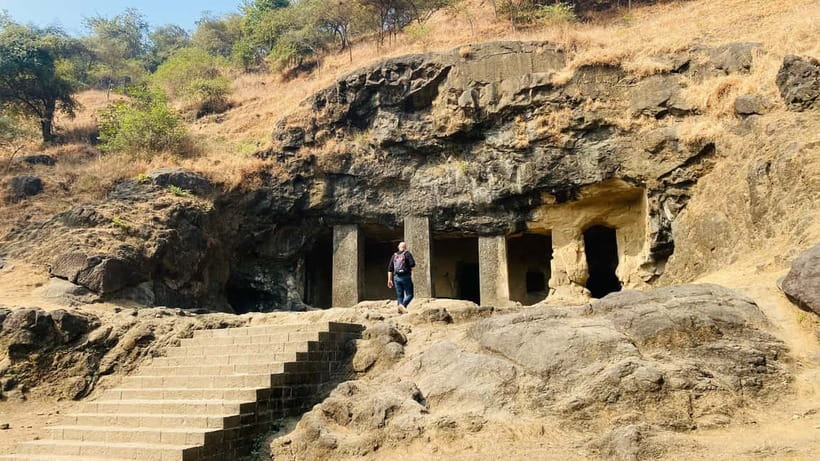
- UNESCO-listed 5th-century rock-cut caves tied to Shiva worship
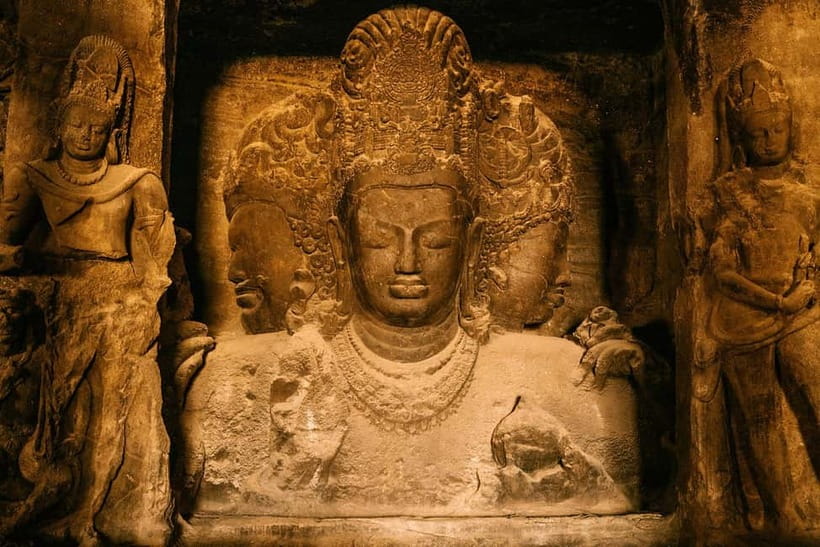
- Trimurti is the star: a three-headed Shiva representing creation, preservation, and destruction
- Expert guide explanations (including named guides like Eklavya, Milind, Eka Lavya, Pankaj)
- More than one cave complex: you’ll see main and smaller, historically important caves
Why this Elephanta tour feels different from a quick stop
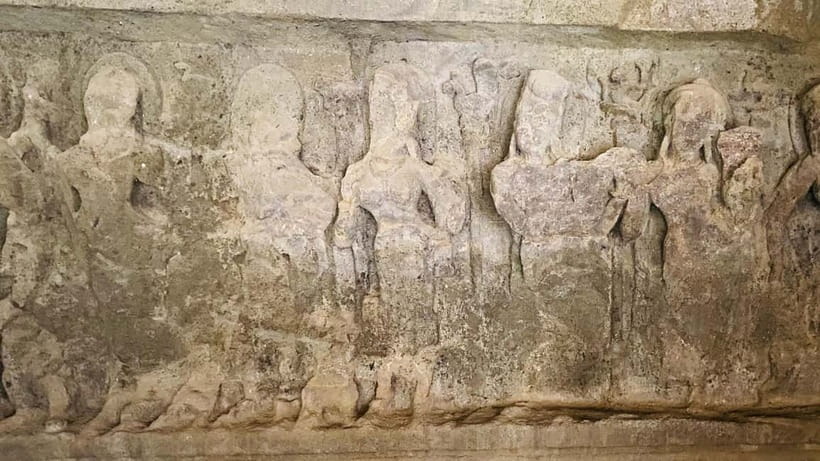
Elephanta Caves are not a “grab a selfie and go” site. The caves reward slow attention: the scale is huge, the carvings are dense, and the symbolism matters. A good guide makes a big difference here, because you’re not just looking at sculptures—you’re learning how Hindu mythology and temple design worked together.
I especially liked the way the tour uses the ferry ride as a warm-up. You leave Mumbai near the famous waterfront, get a calm hour on the water, and then the island shifts the mood fast: greenery, quiet walking paths, and fewer city distractions. By the time you reach the caves, your eyes are already adjusted to the slower pace.
The hands-on part is the caves themselves. You spend about 1.5 hours on a guided visit inside the main cave, where the Trimurti sculpture is the highlight. Then you also have time for smaller caves, connected by paths that let you breathe, look around, and not feel rushed in one single cavern.
You can also read our reviews of more private tours in Mumbai



The real itinerary: how the 5 hours tend to play out
This tour is built around a simple rhythm: city views, boat ride, island walking, guided caves, then back by ferry. Knowing that rhythm helps you pack your energy wisely.
You typically start at a pickup point that depends on the option you choose. Some options offer hotel lobby pickup, while others start with you meeting your guide closer to the city center. You then get a short guided orientation around Gateway of India (about 10 minutes), which is mostly about setting the timeline and helping you get your bearings before boarding.
Next comes the ferry. The ride takes about 1 hour, and it’s your main chance to enjoy Mumbai’s skyline plus the open Arabian Sea during daylight. The ferry time can stretch or change if weather is rough, so if you’re the kind of person who hates surprises, keep your schedule flexible on the day you book.
On Elephanta Island, there’s a walk of about 1 hour before you enter the caves. That part matters more than you might think. It’s not just transfer time—it gives you a chance to settle, see the island paths, and appreciate that this site isn’t in the middle of a shopping area. You’re moving from the city to a more spiritual, calm environment.
Once you’re at the caves, you get around 1.5 hours of guided exploration of the main cave. Then you’ll return via ferry (about 1 hour). Drop-off is split into two locations depending on the option—one named stop is Taj Mahal Palace, Mumbai, and the other varies by booking.
Gateway of India ferry: the best “warm-up” you’ll get
A lot of Mumbai day trips skip the transition. This one doesn’t. The ferry ride is one of the most enjoyable parts because it gives you context: you see the coastline, the city against the water, and then the gradual shift toward the island.
Practical tip: bring sunglasses and something for sun protection. The itinerary calls for sunglasses, hat, and sunscreen, and those aren’t random suggestions. The deck can get bright, and you’ll also be under sun during the island walking.
You should also plan mentally for the weather angle. The tour notes that the ferry is weather-dependent, and the experience may be rescheduled or canceled if conditions are adverse. That’s not a flaw in the tour—it’s the ocean doing its thing. The best move is to treat this as a day trip you schedule with some slack time nearby.
Inside the caves: Shiva, the Trimurti, and carved storytelling
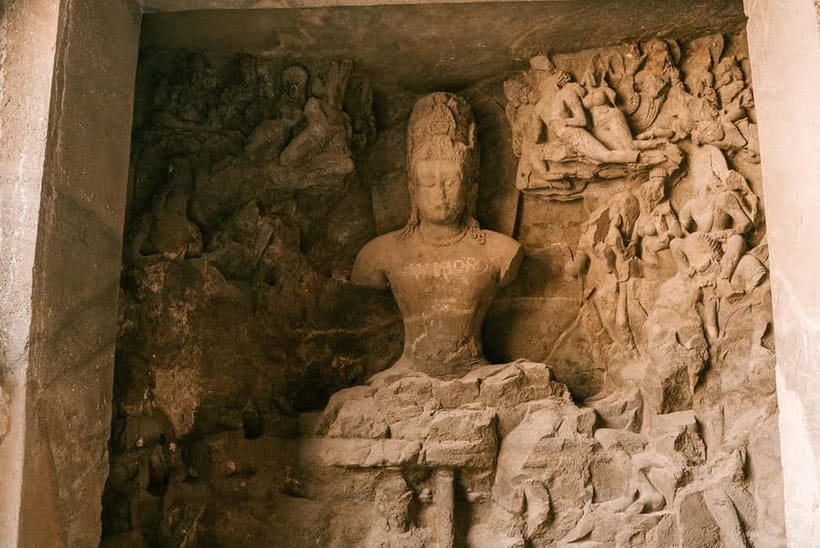
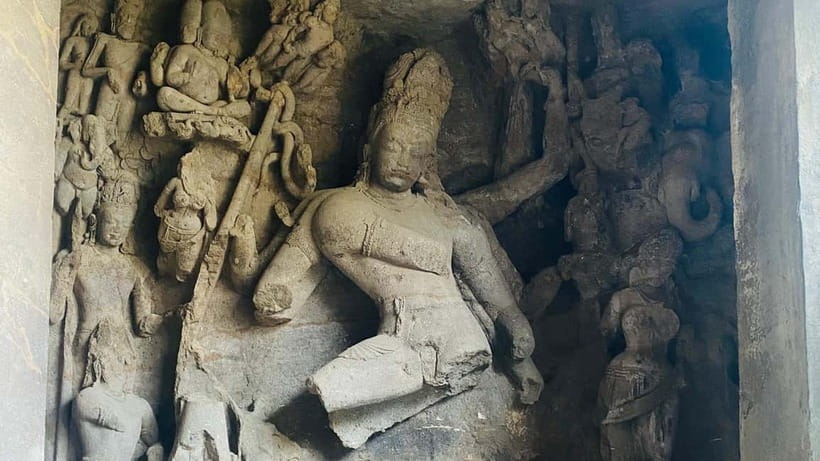
The core payoff is the 5th-century rock-cut cave complex dedicated to Lord Shiva. Inside, the guide explains both the art and the meaning behind it, and that’s where your visit becomes more than architecture spotting.
The centerpiece is the Trimurti—a three-headed depiction of Shiva. The symbolism is practical to know before you go because it frames what you’re seeing: Shiva as creator, preserver, and destroyer. When you keep that in mind, the carvings feel less random and more like a deliberate visual language.
You’ll move through different shrines and halls within the cave system. Expect stairs and uneven walking where you have to take your time. If you come with a comfortable attitude toward slow movement, the cave visit becomes calm and focused instead of stressful.
One thing I appreciate is that the tour doesn’t just point at sculptures. The tour style is guided, and the guide shares mythology and historical context so you’re not staring at faces and wondering what you’re supposed to feel. Named guides in past tours like Eklavya and Milind have been called out for clear explanations of details in the caves, which lines up with what makes the experience work.
More than one cave: why the smaller ones are worth your time
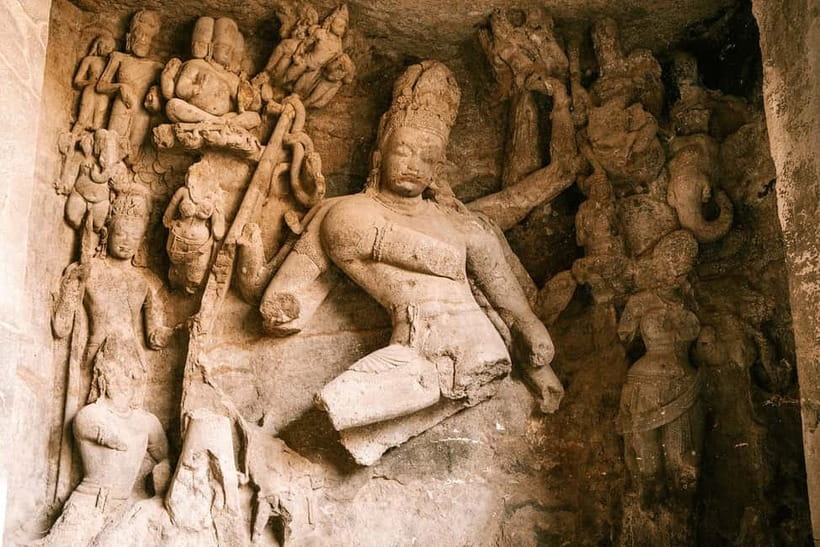
Many Elephanta visits stop after the main cave and call it a day. This tour includes the main cave plus smaller caves with their own carvings and historical importance. That extra time matters because it gives you a more complete view of how the complex developed and how different sections reflect different artistic focuses.
The smaller caves are often quieter and less crowded in spirit, even if they’re not empty. You also get pathways connecting the caves, with views of the surrounding areas as you walk. Those breaks are useful because they reset your attention and let you absorb what you just saw without feeling like you’re constantly moving from one tight room to another.
If you’re an art and archaeology fan, you’ll likely enjoy the way multiple cave sections create a bigger picture. If you’re coming for spirituality or sheer scale, the smaller caves still help because they slow your pace and reduce the feeling of checklist sightseeing.






Group vs private options: what to weigh before you choose
The tour offers both group and private (or small group) options. That means the experience can feel either social and structured or more tailored—depending on what you book.
Group format usually means smoother logistics and less cost pressure. You’re also more likely to get a steady, time-tested pace: ferry, walk, main guided cave, return. If you like traveling with others and just want the plan to run, group makes sense.
Private can feel better for comfort and flexibility, but the trade-off is price. One piece of feedback flagged that a private transfer can be uncomfortable if the vehicle is too small and bumpy enough to make someone feel unwell. That’s not guaranteed, but it’s a smart reason to ask what the vehicle is like in your specific private booking.
Before you pay extra, I’d focus your questions on three things:
- How many people are in your vehicle
- What the transfer plan includes besides the caves themselves
- Whether your schedule gives you enough rest time between ferry, walking, and stair climbing
If your priority is comfort over cost, private can be worth it. If your priority is value, group at the listed $40 per person can be a strong deal—especially because the tour includes guide time plus core logistics like tickets and ferry transport.
What’s included—and why that matters for value
At $40 per person for a 5-hour outing, you’re not just paying for the sights. The tour includes a few key elements that add real cost if you try to DIY it.
Included items are:
- English-speaking tour guide
- Caves entry tickets and taxes
- Ferry boat ride tickets
- Bottled mineral water
Skipping ticket lines is also listed, which can save you time and hassle at the start. The bottled water detail is small but useful because you’ll be outside and walking before the cave visit.
The big value point is that you’re paying for a coordinated day: ferry timing, island walking, ticket handling, and guided interpretation. If you’ve ever planned ferry + tickets + guide on your own, you know how quickly “simple” turns into coordination stress.
Pace, comfort, and the stuff you should pack
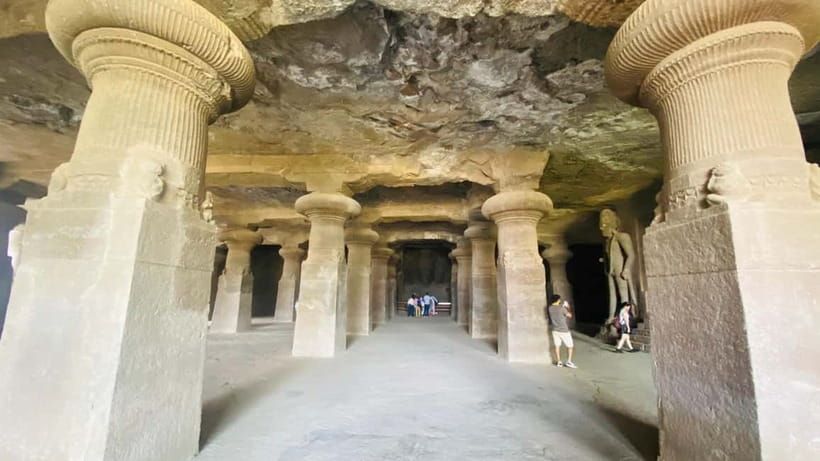
This is not a zero-steps day trip. The tour involves walking and climbing stairs in and around the caves, and the guidance is to wear comfortable footwear. If you normally tolerate uneven steps without thinking about it, you’ll probably be fine. If you don’t, take it slower than you want to.
The tour also notes short skirts are not allowed. That’s an easy fix: wear something that feels respectful and practical for stairs and a warm walk on the island.
For the weather, plan for sun. The tour lists sunglasses, hat, and sunscreen, and I agree with the logic. Even on mild days, the deck and island walking can feel bright.
Camera note: bring it if you love detail shots. The carvings are a big part of why this place is famous, and you’ll want something flexible for both wide views and closer sculpture details.
Weather reality: what happens when the ferry can’t run
The itinerary depends on the ferry. That’s the part you can’t fully control. If conditions are poor, the tour may be rescheduled or canceled.
My advice is to book this earlier in your Mumbai trip if possible, so you still have a backup day. If it’s your only chance and the weather looks risky, consider booking a backup activity in the city that won’t fall apart if the boat ride changes.
If you want a calmer day, check forecasts and keep an eye on sea conditions as the day approaches. Even if you don’t obsess over it, having flexibility can save you from a forced schedule.
So, should you book it?
Yes, if your goal is a guided Elephanta Caves visit that saves you from ticket-line hassle and gives you interpretation you can follow. I’d especially recommend it if you care about understanding Shiva symbolism like the Trimurti, and you want the main cave plus the smaller cave sections.
Be cautious if you need step-free movement, since the tour is not suitable for wheelchair users. Also, if you’re choosing a private option and comfort in transport is a big deal for you, confirm vehicle size and transfer comfort before you lock it in.
For most people, the combination of ferry logistics, entry tickets, and an English-speaking guide for around 5 hours makes this one of the more straightforward ways to experience Elephanta Island without turning the day into problem-solving.
FAQ
How long is the Elephanta Caves tour?
The tour duration is about 5 hours.
What does the tour include in the price?
It includes an English-speaking tour guide, caves entry tickets and taxes, ferry boat ride tickets, and bottled mineral water.
Where do we start from in Mumbai?
The start point can vary by the option. You’ll also have a guided segment at Gateway of India (about 10 minutes).
Do I need to buy tickets for the caves and ferry separately?
No. Caves entry tickets and ferry boat ride tickets are included, and the tour also lists skip-the-ticket-line service.
What should I bring for the trip?
Bring sunglasses, a hat, and sunscreen.
Is the tour wheelchair accessible?
No. The caves and visit are not suitable for wheelchair users, and the tour notes that cave access may not be fully accessible for mobility issues.