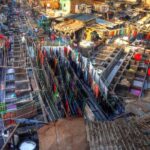
REVIEW · MUMBAI
Dharavi Slumdog Millionaire Tour
Book on Viator →Operated by Dynamic Mumbai · Bookable on Viator
Dharavi is real, not a movie set. This walk shows how people here make a living through plastic recycling and other small industries tied to the wider city. One consideration: the setting can feel crowded and emotionally intense, so you’ll want a respectful mindset and comfortable shoes.
What I like most is that you go with a private guide (not a big bus crowd), which makes the stories and the “why” easier to follow. And you can often use pickup from select hotels, which keeps the start simple even if Mumbai traffic is doing its own thing.
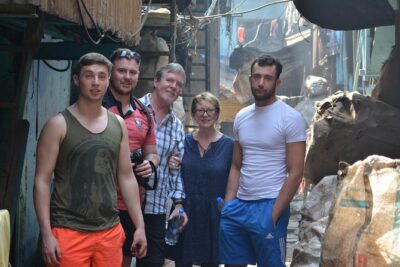
You’ll spend time on tight alleys and inside working spaces tied to recycling, leather manufacturing, color dyeing, pottery, and more, with bottled water included and no air-conditioned vehicle promised. The tour is designed for most people to join, but if you dislike close quarters or uncomfortable streets, this is the part to think about first.
In This Review
- Key points worth knowing before you go
- How This Dharavi Walk Works in 3 to 4 Hours
- Entering Dharavi: Plastic Recycling and the Logic of Work
- Leather Manufacturing and Color Dye: Seeing Materials Become Products
- Past Workshops: Small Alleys, Houses, and Schools
- Pottery and Cardboard Recycling: How Many Trades Fit Together
- Your Guide Matters: Nick/Nikesh, Dev, and the English Advantage
- Price, Value, and What You’re Really Paying For
- Practical Tips: How to Prepare for a Sensitive, Real Place
- Who This Dharavi Slum Tour Is Best For
- Should You Book This Dharavi Slum Tour?
- FAQ
- How long is the Dharavi Slum walking tour?
- Is pickup available?
- Where do I meet for the tour?
- Is this a private tour?
- What’s included and what’s not included?
- Can I cancel for a full refund?
Key points worth knowing before you go
- A private guide with local context: Guides like Nick/Nikesh and Dev are described as fluent in English and familiar with Mumbai from growing up there.
- You see the full recycling chain: Plastic recycling, can recycling, and cardboard recycling are part of the walk, not just a quick photo stop.
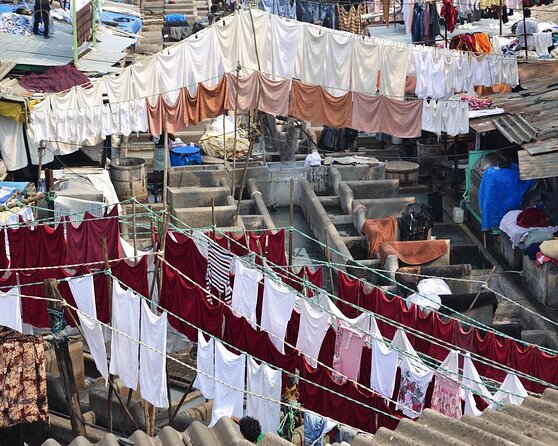
- Leather and color dye are real work: You’ll learn how materials get processed right where people live and work.
- It’s not only workshops: You also pass small alleys and houses, plus schools in the neighborhood.
- Hotel pickup can be available: It’s offered from select hotels, with a clear backup meeting point at Café Coffee Day.
- Included water, walking time on the ground: Bottled water is provided; the experience is primarily a walking visit.
How This Dharavi Walk Works in 3 to 4 Hours
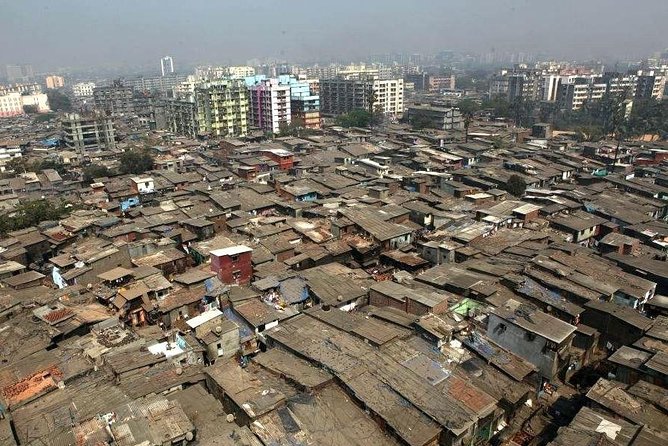
This is a walking tour focused on one neighborhood: Dharavi in Mumbai. Plan on about 3 to 4 hours total, with around 2 hours of active time on the ground in the area. That timing matters because you’re not rushing through with a checklist—you’re moving slowly enough to understand the work and ask questions.
A private format is a big deal here. When it’s just your group, your guide can steer the pace and explain what you’re seeing without trying to keep 20 people together. Based on what people report after doing it, the guide factor is usually the difference between a confusing walk and a meaningful one—especially in a place with so many overlapping trades.
Expect the tour to be straightforward in logistics. You can get pickup from select hotels, or you’ll meet at Café Coffee Day, Unit No. 58, Ground Floor, Ram Mahal Building, Senapati Bapat Marg, T.P. Road, Station, Marinagar Colony, Navjivan Society, Mahim, Mumbai, Maharashtra 400016, India. It ends back at that meeting point, which helps you plan the rest of your day.
One practical note: there’s no air-conditioned vehicle included. That doesn’t mean you’ll be stuck outside the entire time, but it does mean you should dress for Mumbai conditions and expect some open-air walking and waiting.
You can also read our reviews of more tours and experiences in Mumbai.

Entering Dharavi: Plastic Recycling and the Logic of Work
The heart of the experience is what people actually do here. You’ll follow your guide through the working areas of Dharavi and learn how different trades connect. The tour is famous for showing plastic recycling, and that’s not just one station—it’s presented as a whole system of sorting, processing, and reuse.
You also see other recycling-related work, including recycling of cans and cardboard recycling. When you connect these together, you start to understand Dharavi as an informal supply chain. Waste becomes input. Input becomes products. And the cycle keeps running because people here depend on it.
If you’re the kind of traveler who likes “how does this happen?” questions, this portion tends to land well. You’re not only looking at the final objects; you’re being guided through the steps that make those objects possible. Even if you don’t know anything about recycling before you go, your guide’s explanations are built for first-timers.
The ethical question often shows up in your mind before you book, and it’s fair to think about it. This tour’s value is in the way it frames work as livelihoods and community life—not as a spectacle. Still, it’s a place where you’ll feel close to real circumstances, so don’t treat it like a sightseeing event you can mentally switch off halfway through.
Leather Manufacturing and Color Dye: Seeing Materials Become Products
After recycling, the tour moves into trades that require materials-handling and processing. You’ll learn about leather manufacturing and color dye work. These are the kinds of industries where the process matters as much as the product, because the raw material changes through preparation and treatment.
Why this matters for you: it turns Dharavi from a name you’ve heard into a functioning neighborhood economy. Instead of thinking only about density or poverty, you start paying attention to skills, workflow, and what different jobs contribute. Your guide’s job is to connect those dots as you walk.
You might notice that these trades create different sensory moments than recycling. Color dye can bring strong visual cues, and leather work can involve different handling and workspace layouts. You’re walking through places where people’s work and their homes are close, so keep your awareness on what your guide is pointing out and how they’re describing the role of each industry.
The best tours are the ones that help you see cause and effect, and this one is built that way. By the time you reach later stops, you’ll likely understand why materials get processed here instead of elsewhere and how many small businesses and workshops keep the neighborhood’s economy moving.
Past Workshops: Small Alleys, Houses, and Schools
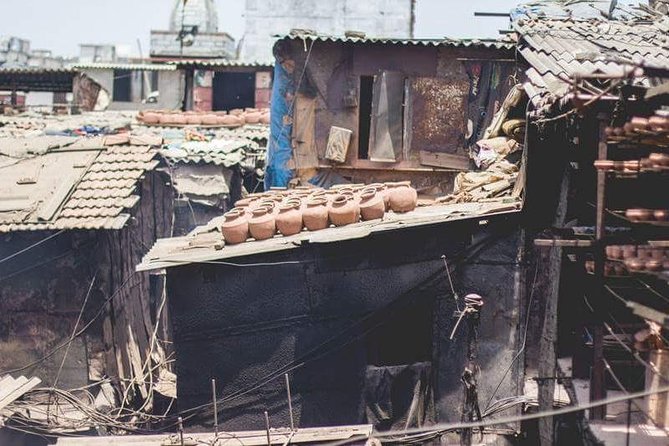
Dharavi isn’t only workstations. One of the most important parts of the walk is moving through small alleys and houses, plus seeing schools in the area. This is where the neighborhood stops feeling abstract.
Why I think this is valuable for you: it prevents a one-note visit. If the tour only focused on industries, you’d be left with a narrow view. But once you see the domestic side and the presence of schools, you get a fuller sense of how daily life continues alongside labor.
The alleys and close streets can also help you understand why the tour uses a private guide. A guide helps you navigate without turning it into a chaotic photo run. You’re not wandering. You’re following someone who knows how to move through the area while keeping the context intact.
A drawback to consider: some streets may feel tight, and the environment can be active. You’ll be walking with other people around, and that can be mentally tiring. If you’re visiting with kids, elders, or anyone who struggles with confined spaces, plan for breaks and a calmer pace with your guide.
Pottery and Cardboard Recycling: How Many Trades Fit Together
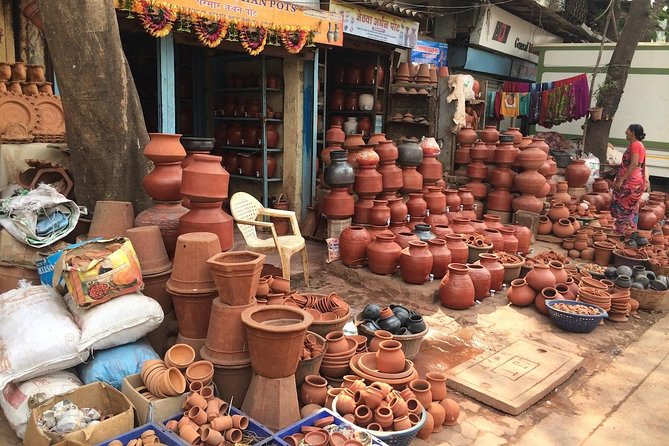
During the Dharavi walk, you’ll also cover pottery and additional recycling work like cardboard recycling. These items matter because they show that Dharavi’s economy isn’t a single-theme operation. It’s a mix of different trades that create different outputs.
Pottery, for example, adds a craft element to the tour. Even if you only spend a short time learning about it, it helps you understand that not every “workshop” experience here is purely industrial. Some of it depends on skill, form, and the ability to turn materials into durable goods.
Cardboard recycling rounds out the story of reuse. It shows another layer of the recycling network, and it reinforces the bigger point: this neighborhood plays a role in waste recovery that extends beyond Dharavi. The industries you see are part of a larger market system, even if your tour only takes you through a small portion of it.
This is also where your guide’s communication style makes a difference. If they explain how each trade supports the next—through inputs, outputs, and local connections—you’ll leave with a clearer mental map of what you saw.




Your Guide Matters: Nick/Nikesh, Dev, and the English Advantage
A recurring theme in people’s experiences is the quality of the guiding. Names like Nick, Nikesh, and Dev come up, and the descriptions are consistent: guides who speak perfect English, know the area well, and can explain the neighborhood in a way that feels respectful rather than performative.
If you’re thinking about booking and you care about understanding what you’re seeing, this is one of the best reasons to choose a private tour. In a place where you could easily get lost in your own assumptions, a guide gives you structure.
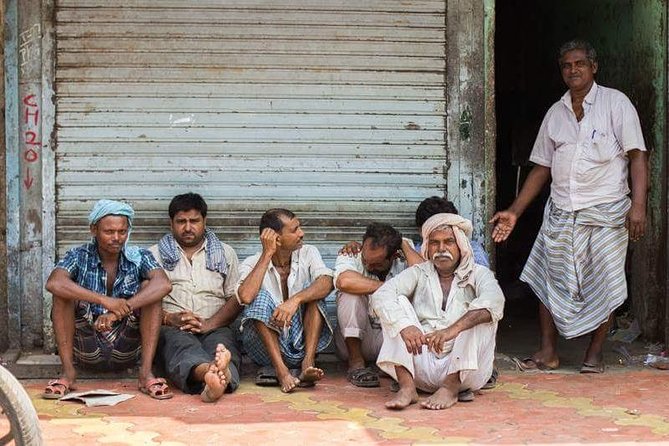
People also describe the experience as feeling safe and welcomed. That’s not something you should ignore, especially if you’re coming from a country where slum visits feel intimidating on paper. Here, the guide’s role is practical as well as emotional: they help you feel oriented, they choose when to stop, and they keep the walk grounded in conversation.
One more thing I appreciate: some guides are described as growing up in the area. When a guide has that kind of personal familiarity, it changes how the story sounds. Instead of learning from a script, you’re hearing lived context and local pointers.
Price, Value, and What You’re Really Paying For
The price is $39.63 per person, with a duration of 3 to 4 hours and bottled water included. That might feel low if you compare it to a typical “tour bus” experience, but it makes sense for a walking format with a private guide.
Here’s the value equation I’d use before booking:
- You’re paying for time with a private guide who can translate a complex neighborhood into something understandable.
- You’re paying for access to multiple industries in one loop (plastic recycling, leather manufacturing, color dye, can and cardboard recycling, plus pottery).
- You’re getting a tour that ends back where you started, which reduces planning stress.
You should also notice what you don’t get. There’s no air-conditioned vehicle included, so you’re paying for guiding and walking—not for comfort transport. If you want a chauffeured ride and a climate-controlled tour, this likely won’t match your style.
On the other hand, if you want a genuine street-level view of how people earn a living, the price-to-experience ratio is strong. And because it’s a private tour, you’re not sharing your guide with strangers who might slow you down or pull the focus away from your questions.
Practical Tips: How to Prepare for a Sensitive, Real Place
This tour is designed to be doable for most people, but you’ll still want to prepare smart. Dharavi is active and dense. You’ll be walking through close quarters where people live, work, and move around every day.
What helps:
- Wear comfortable shoes with grip, since you’re on narrow streets and in working areas.
- Dress for heat and sun, since you shouldn’t expect air-conditioned transport.
- Keep your camera habits respectful. Ask your guide what feels appropriate before you shoot a lot of photos.
- Bring a calm, curious attitude. If you go expecting a theme-park, the experience will feel harsher than it needs to.
One more small point: the tour uses a mobile ticket, and confirmation is received at booking. So you’ll want your phone ready and charged, especially if you’re meeting at a specific place in the city.
Who This Dharavi Slum Tour Is Best For
This experience tends to work well if you like street-level travel, real-world economies, and guided context. It’s also a strong fit for groups who want a private guide to ask questions and keep the pace human.
Families can work here too. One family of five with children aged 3, 8, and 10 reportedly loved both the food tour and the slum tour together. That suggests the walking portion can be managed with the right expectations and a good guide.
It might not be for you if:
- You need everything to be comfortable and controlled (air-conditioned transport, open space, low sensory input).
- You prefer tours that focus only on polished sights and not on daily realities.
- You’re uncomfortable with tight alleys and the idea that your visit will be close to people’s workplaces.
The sweet spot is curiosity plus respect. If you bring that, you’re likely to leave with a deeper understanding of Mumbai’s recycling and manufacturing engine—and how communities shape their own survival and skill-building.
Should You Book This Dharavi Slum Tour?
I think you should book it if you want an honest, guided look at how multiple industries actually function inside a real neighborhood. The biggest selling point for me is the combination of private guiding and the clear focus on trades like plastic recycling, leather manufacturing, and color dyeing—plus the everyday side, like schools and home alleys. It’s the kind of tour that can stay with you because it teaches through walking and conversation, not through vague storytelling.
But if the idea of crowds, close quarters, and emotionally heavy context makes you uneasy, consider whether you’re ready for that kind of street-level experience. Go prepared, ask questions, follow your guide’s cues, and treat the area as someone’s home—not a set for your visit.
If you’re deciding between this and a more general Mumbai sightseeing day, choose this one when you want meaning over scenery. It’s not about checking a box. It’s about seeing how work, materials, and community life connect in the same streets.
FAQ
How long is the Dharavi Slum walking tour?
It runs for about 3 to 4 hours total.
Is pickup available?
Pickup is available from select hotels.
Where do I meet for the tour?
The meeting point is Café Coffee Day, Unit No. 58, Ground Floor, Ram Mahal Building, Senapati Bapat Marg, T.P. Road, Station, Marinagar Colony, Navjivan Society, Mahim, Mumbai, Maharashtra 400016, India. The tour ends back at the meeting point.
Is this a private tour?
Yes. It is a private tour/activity, and only your group participates.
What’s included and what’s not included?
Bottled water is included. An air-conditioned vehicle is not included.
Can I cancel for a full refund?
Yes. You can cancel up to 24 hours in advance of the experience for a full refund. If you cancel less than 24 hours before, the amount paid is not refunded.