REVIEW · MUMBAI
Mumbai: Private Kanheri Caves Guided Tour
Book on GetYourGuide →Operated by Beautiful Bombay Tours · Bookable on GetYourGuide
This is one of Mumbai’s best history-and-recovery breaks. The Kanheri Caves drop you into Buddhist rock-carved life inside Sanjay Gandhi National Park, without you doing the logistics math.
I like two things a lot here: the English-speaking private guide who helps you make sense of what you’re seeing, and the inscriptions in multiple scripts (not just decorative writing) that connect the caves to real people and eras.
One thing to plan around: busy park entry queues can be brutal on peak days, so if you’re traveling around major holidays, expect delays unless you start early.
In This Review
- Key Things I’d Notice Right Away
- Why Kanheri Caves Feel Like a Real Escape From Mumbai
- Getting to Sanjay Gandhi National Park (and Avoiding the Stress)
- The 109 Basalt Rock Caves: Viharas and Chaityas Made Clear
- The Buddha Hall: 7-Meter Scale and the 34 Pillars
- Eleven-Headed Avalokiteshwara: A Distinctive Master Image
- Inscriptions in Multiple Scripts: Reading History Without Being a Scholar
- Meditation Cells: Seeing Monks’ Daily Life in Stone
- Timing, Tickets, and How to Plan a Smooth Visit
- What You Actually Get for Around $21 (Value That Makes Sense)
- Who This Tour Fits Best (and Who Might Want Something Different)
- Should You Book This Private Kanheri Caves Guided Tour?
- FAQ
- How long is the Kanheri Caves private guided tour?
- Does the tour include hotel pickup and drop-off?
- Are entry tickets included in the price?
- What transportation is included?
- What language is the guide?
- What should I bring?
- Is free cancellation available?
Key Things I’d Notice Right Away
- Air-conditioned hotel pickup saves time and keeps you comfortable on the ride to the park
- 109 caves carved from basalt—you’ll learn how the site is organized into viharas and chaityas
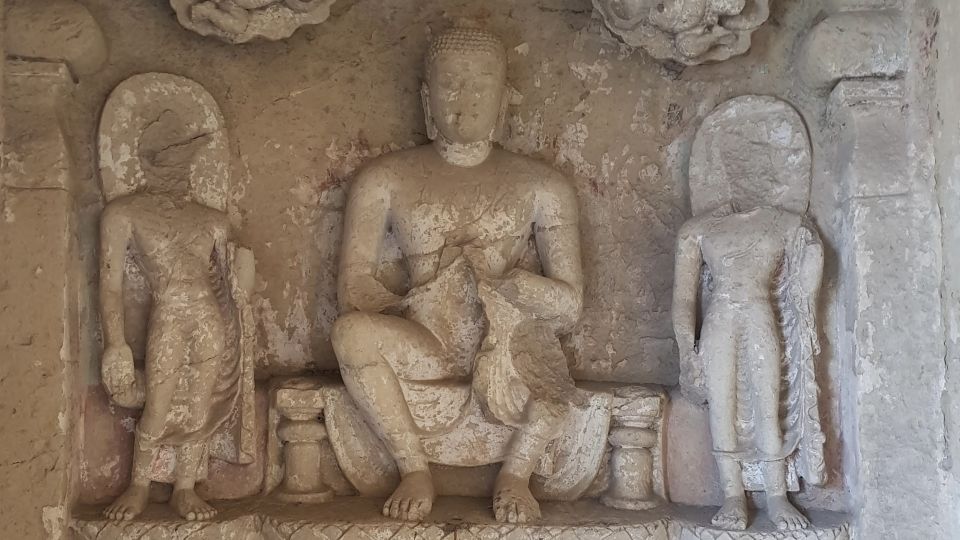
- A Buddha hall with 34 pillars and 7-meter statue gives you instant scale and drama
- Eleven-headed Avalokiteshwara is a standout image you won’t forget
- About 100 inscriptions in scripts like Brahmi, Devnagri, Pallavi, and Sanskrit helps history feel grounded
- Meditation cells help you picture day-to-day monastic routine
Why Kanheri Caves Feel Like a Real Escape From Mumbai
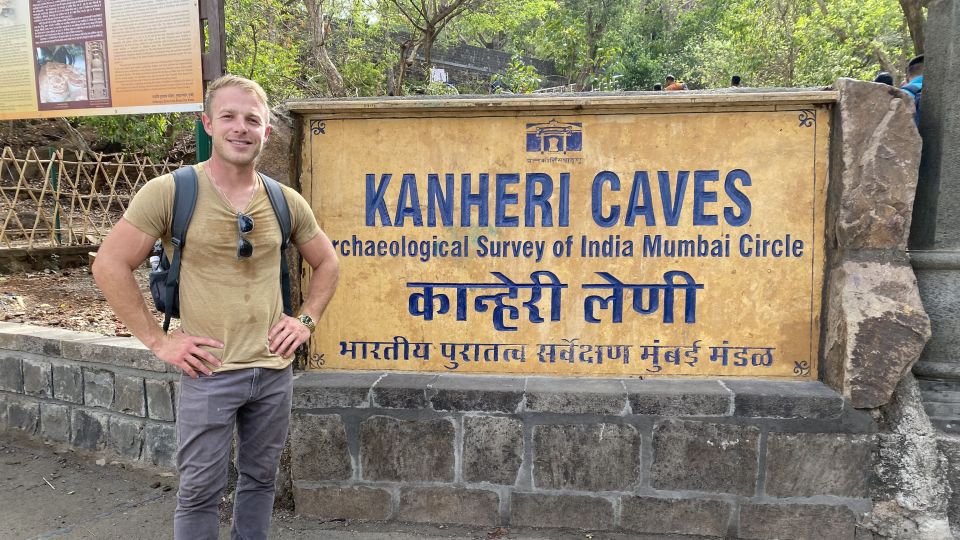
Kanheri isn’t a quick roadside stop. It’s deep in Sanjay Gandhi National Park, which means you trade city noise for stone, shade, and a slower pace. Even with a private guide, you don’t just get marched from point A to point B—you get time to stand, look, and absorb.
The big value is that you’re not only seeing caves. You’re learning how they worked. Once you understand viharas as resting spaces for monks and chaityas as worship spaces with sculptural decoration, the whole place stops feeling random. It starts feeling like a functioning spiritual campus from long ago.
And yes, it’s still practical. You’ll get hotel pickup and drop-off, an AC car, and an English guide. That’s what makes it easy to do well, even if you’re short on time.
You can also read our reviews of more guided tours in Mumbai



Getting to Sanjay Gandhi National Park (and Avoiding the Stress)
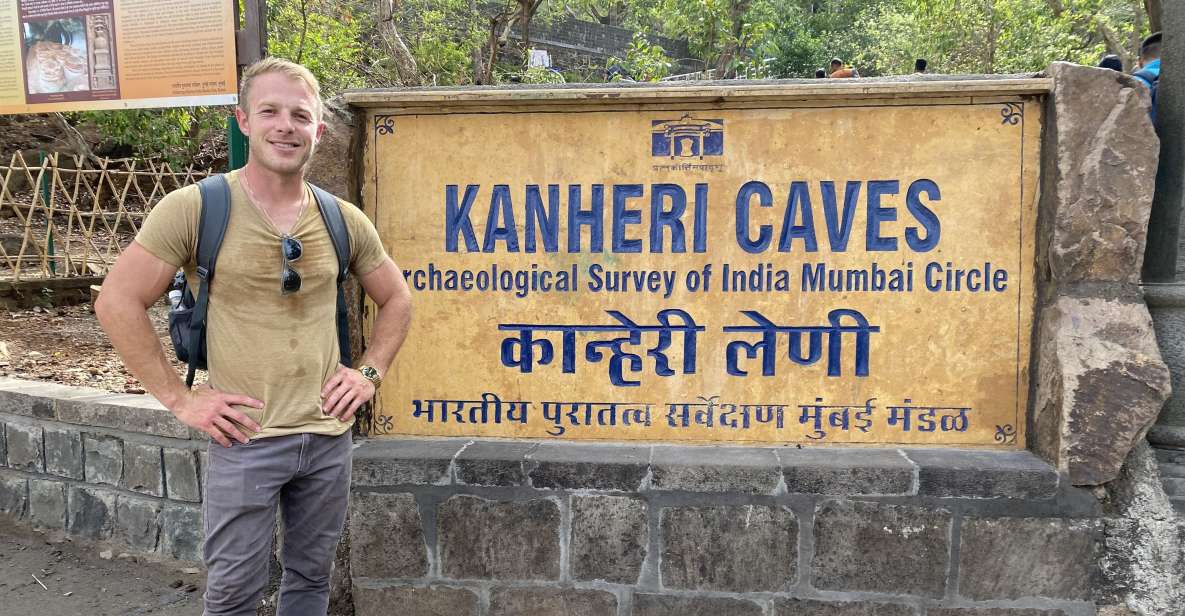
The tour starts with pickup from your Mumbai accommodation and a drive of about 1 to 1.5 hours, depending on your location and traffic. The ride is in an air-conditioned car, which matters more than you’d think when you’re heading into a park where walking starts early.
There’s also a scheduled short vehicle transfer listed in the plan (around 15 minutes at a time). In plain terms: the day is structured so you don’t arrive confused, and you don’t waste energy figuring out how to reach the entrance area.
One practical tip: wear comfortable shoes. The caves are reached by walking around the cave complex and paths inside the park area, and you’ll be happier if your feet don’t feel like the main character by hour two. Also, if you’re sensitive to crowds, build in buffer time for entry—more on that below.
The 109 Basalt Rock Caves: Viharas and Chaityas Made Clear
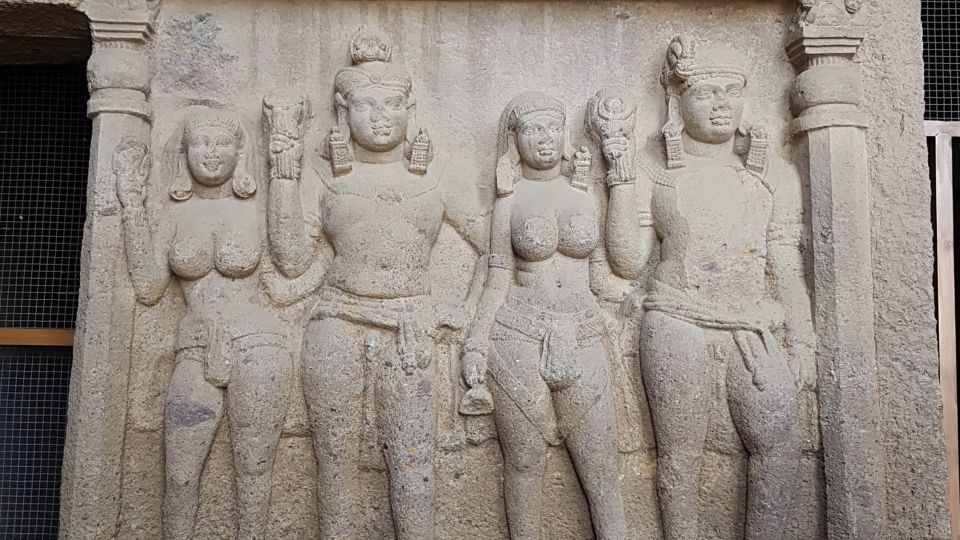
Kanheri is carved out of one massive basaltic rock outcrop, with 109 caves in total. That’s the headline. The part that makes it memorable is the guide’s focus on how the site is laid out and used.
Here’s the mental model I’d want you to take with you:
- Viharas: smaller caves used by monks, more tied to resting and daily life
- Chaityas: larger caves used for worship, often with carved sculptures and a more ceremonial feel
During your guided time, you’ll visit five of the most significant caves. The rest of the complex is yours to roam, which is useful because you’ll likely notice details you didn’t catch at your first stop. The guide helps you pick up the right cues early, then you get to explore without feeling lost.
If you like sites where the architecture actually teaches you something, this is a strong fit. You’ll leave with a sense of purpose, not just photos of stone doorways.
The Buddha Hall: 7-Meter Scale and the 34 Pillars
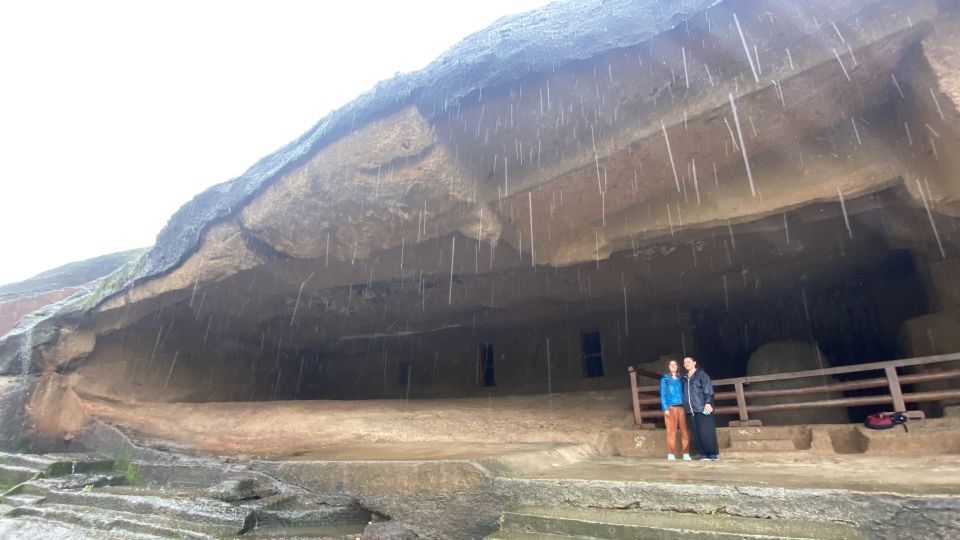
One of the main visual anchors is inside the main hall: a 7-meter-high figure of Lord Buddha. That scale hits differently when you’re standing in the room, not scrolling past it on a screen.
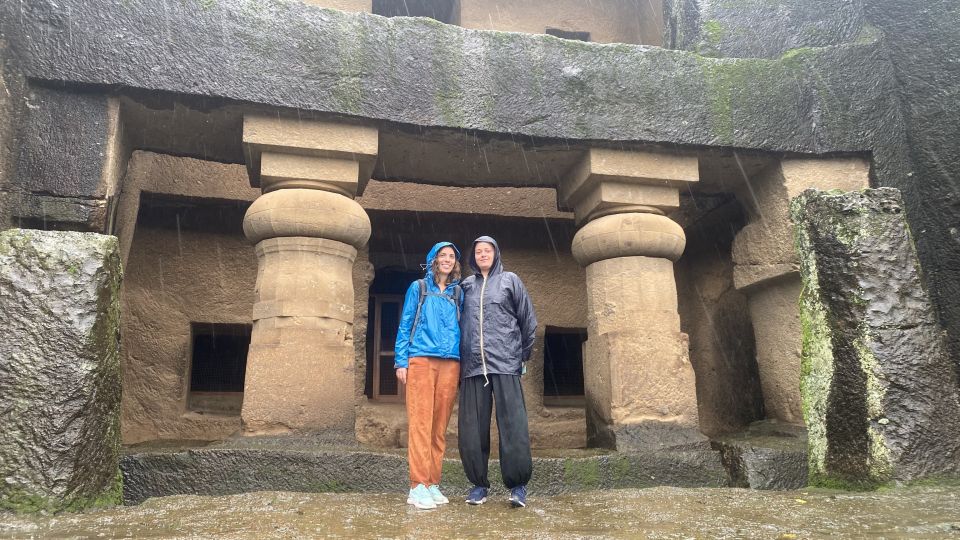
Around the Buddha you’ll see a colonnade of 34 beautifully carved pillars. These pillars are more than decoration—they frame the space and help explain how the area functioned visually as a worship setting. It’s the kind of detail you can miss if you rush, which is why a guided visit helps.
Take a minute here and slow down. Look upward, then scan around the pillars. You’re trying to understand how the artists guided your attention toward the central figure.
Eleven-Headed Avalokiteshwara: A Distinctive Master Image
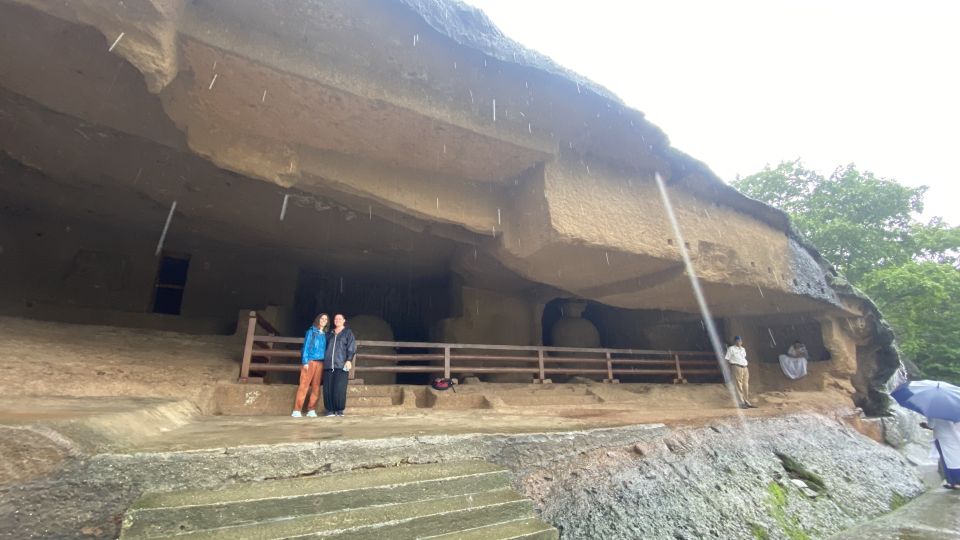
Another standout feature is the eleven-headed Avalokiteshwara. This is the kind of image that makes you stop and stare because it’s both unusual and expressive. The guide’s interpretation helps you connect it to the spiritual world of the caves, rather than treating it as a random carving.
In a place like Kanheri, a single signature sculpture can do a lot of work: it gives your memory a clear label. Later, when you walk past other carvings, you’ll start seeing patterns and themes instead of isolated art pieces.
You can also read our reviews of more private tours in Mumbai





Inscriptions in Multiple Scripts: Reading History Without Being a Scholar
Kanheri includes about 100 inscriptions across different scripts. That’s a lot. The big win is that your guide will point them out and explain what you’re looking at, so it doesn’t become a visual puzzle you can’t solve.
Scripts listed include Brahmi, Devnagri, Pallavi, and Sanskrit. The fact that you’ll see multiple writing systems at the same site is part of what makes Kanheri so interesting: it hints at how long the site’s cultural world extended and changed.
What this means for you on the ground: you won’t just see carvings. You’ll understand that the caves were documented—by people trying to communicate, record, or mark spiritual and community life.
If you’re the kind of traveler who loves inscriptions but hates boring lectures, you’ll likely appreciate the way the tour is structured: short, guided focus, then space to explore.
Meditation Cells: Seeing Monks’ Daily Life in Stone
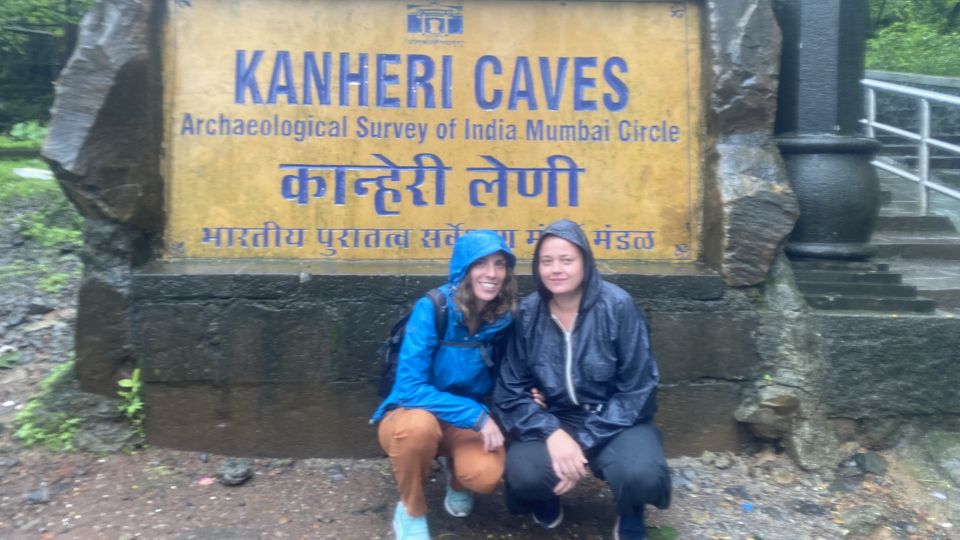
The tour’s quieter magic is the serene meditation cells. These are not about grand spectacle. They’re about routine—small, focused spaces that help you imagine how monks might have lived and practiced.
This part is easy to overlook if you’re only chasing the big statues. Don’t. The meditation cells are where the site starts to feel personal. You’re looking at the architecture of concentration.
When you combine that with what you learn about viharas and chaityas, the overall experience becomes more complete: the caves weren’t only for visitors. They were built for lived spiritual discipline.
Timing, Tickets, and How to Plan a Smooth Visit
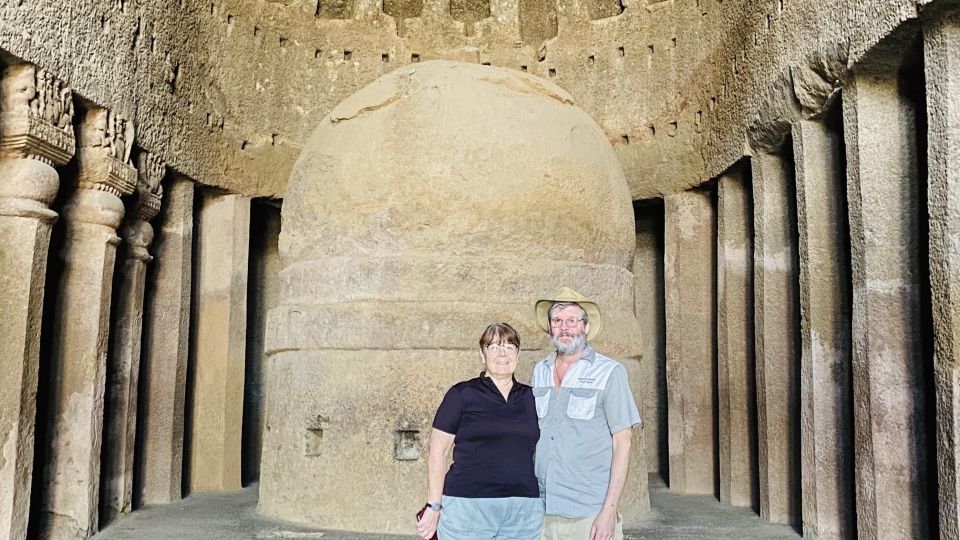
Your tour time ranges from 2.5 to 5 hours, depending on the starting time and how you pace your exploration. Most days, that’s enough time to do the guided highlights (five caves) and still wander a bit on your own.
Here are the practical points that affect your experience:
- Entry tickets are not included (approx INR 500)
- Food and drinks are not included, so plan your snack timing around the visit
- Comfortable shoes are a must
Now for the biggest real-world caution: crowding. One guide experience from around New Year’s highlighted long queues—over an hour waiting to enter the park—and busier conditions. If you’re traveling near major holidays, choose an earlier start if possible, and don’t treat the entrance as instant. Build in patience.
A private tour helps here because your guide can keep the day moving once you’re inside, but queue time is queue time.
What You Actually Get for Around $21 (Value That Makes Sense)
At about $21 per person, this is priced like a serious “workable day trip” rather than a fancy add-on. What you’re buying isn’t just entry access—it’s:
- Hotel pickup and drop-off
- An English-speaking guide
- An air-conditioned car
Entry tickets are extra, but even so, you’re not paying to rent a guide for nothing. The guide is the difference between seeing caves as pretty rock and understanding them as a functioning religious space with inscriptions and monastic design.
Because it’s private group available, you also get flexibility in how you move through the site. That matters at places like Kanheri where the pacing can change depending on how long you want to linger at the Buddha hall or the inscriptions.
Who This Tour Fits Best (and Who Might Want Something Different)
This tour is a good fit if:
- You want a guided intro to Kanheri without guessing what each cave is
- You like Buddhist art and rock-cut architecture, especially with explanation tied to use
- You prefer comfort and convenience, with pickup and an AC vehicle
- You want time to explore on your own after the main story is set
It might be less ideal if:
- You dislike waiting in lines and you’re visiting on the busiest calendar dates
- You want a super-fast hit-and-go (the visit works best when you take time inside)
- You’re hoping the tour includes food—plan snacks because it doesn’t
Should You Book This Private Kanheri Caves Guided Tour?
If you want an organized, comfortable way to see Kanheri Caves with an English guide who can explain viharas, chaityas, the Buddha hall scale, the eleven-headed Avalokiteshwara, and the inscriptions in multiple scripts, I think it’s a smart booking. The price feels fair for the guide + pickup + AC car combo, and the guided highlights give you context you can’t easily get from wandering alone.
Just make your decision with one mindset: queues can happen, especially on big holiday dates. If you can go earlier and you’re okay with a little waiting at the park entrance, this private tour is the kind of day that leaves you with more than photos—it leaves you with a clearer picture of how the place functioned.
FAQ
How long is the Kanheri Caves private guided tour?
The duration is listed as 2.5 to 5 hours, depending on the starting time and how you pace the visit.
Does the tour include hotel pickup and drop-off?
Yes. Hotel pickup and drop-off are included, and you meet your guide at the entrance of Sanjay Gandhi National Park near the ticket counter.
Are entry tickets included in the price?
No. Entry tickets are not included and are approximately INR 500.
What transportation is included?
You get an air-conditioned car as part of the tour, including pickup and drop-off.
What language is the guide?
The guide is English speaking.
What should I bring?
Bring comfortable shoes for walking inside the park and around the cave area.
Is free cancellation available?
Yes. You can cancel up to 24 hours in advance for a full refund.