REVIEW · MUMBAI
Mumbai Slum Tour –An insight of Dharavi Slum with Local Guide
Book on Viator →Operated by MUMBAI EXPERIENCES · Bookable on Viator
Dharavi is real life, not a brochure. I like that this walk is led by a local resident guide and built as a safe, responsible, respectful experience that gets you off the generic track. I also love the focus on work you can actually watch up close—plastic recycling, textiles, bakery production—so it feels grounded, not staged. One consideration: it’s a working neighborhood, so it moves through tight lanes and active workshops, and food and drinks aren’t included.
The logistics are simple. You’ll start near Third Wave Coffee in Mahim, you can use a mobile ticket, and pickup is offered. The tour is capped at a maximum of 50 people, which helps keep the group manageable for a 2-hour walk.
At $10.04 per person for about two hours, it’s one of the more budget-friendly ways to see the area with a guide who can explain what you’re looking at. Bottled water is included, and the tour finishes at Kumbhar Wada with help getting transport back by car/Uber/taxi or train.
In This Review
- Key highlights you’ll care about
- First stop: finding the meetup near Mahim
- Why a local guide is the whole point in Dharavi
- Stop-by-stop: plastic recycling units and the work behind reuse
- Textile workshops: stitching, dyeing, and printed clothing
- The bakery stop: khari biscuits, bread, and local snacks
- Narrow lanes, homes, and neighborhood places of worship
- Leather tanneries and export-quality goods
- Markets and essentials: daily life beyond factories
- Community schools and welfare work: education as part of the picture
- Price and time: is $10.04 good value?
- Who this tour fits best
- Things to plan for before you go
- Should you book the Dharavi slum tour with a local guide?
- FAQ
- How long is the Mumbai Dharavi slum tour?
- How much does the tour cost?
- What’s included in the tour?
- What’s not included?
- Where do I meet, and where does the tour end?
- How big is the group?
- What is the cancellation policy?
Key highlights you’ll care about
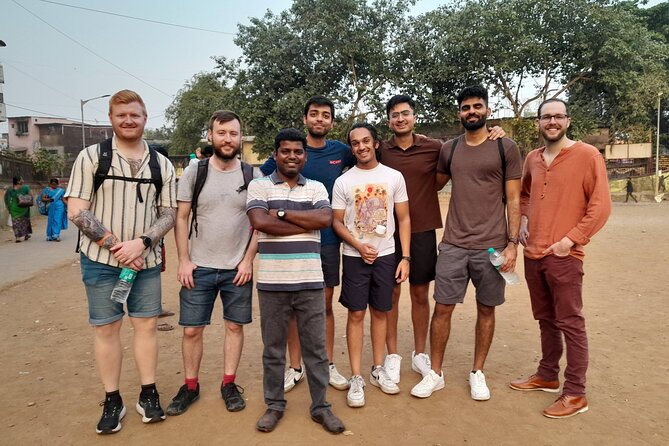
- Local resident storytelling, not one-size-fits-all facts
- Hands-on views of small-scale industry like recycling, textiles, and baking
- Street-level life in the lanes, with homes and neighborhood religious spaces
- Tanneries and export-quality production you can see as part of everyday work
- Schools and welfare work so you get the full picture, not only industry
- Great value for time: about 2 hours with bottled water included
First stop: finding the meetup near Mahim
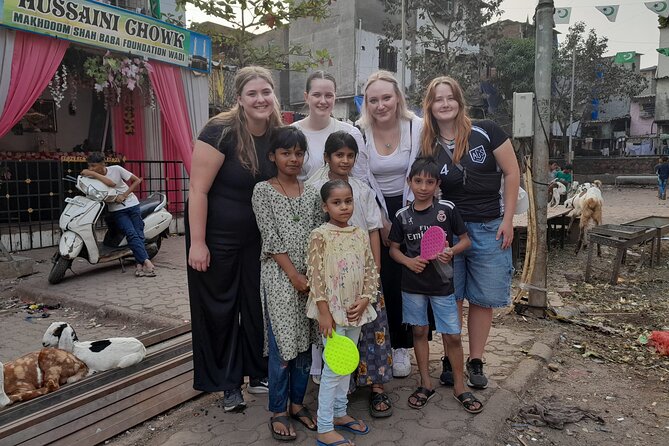
Your tour begins at Third Wave Coffee, Tip Road, Unit no. 58, Ground, Ram Mahal, Senapati Bapat Marg, Marinagar Colony, Station, Mahim, Mumbai, Maharashtra 400016. For me, a clear meetup like this matters because Dharavi-area routes can feel confusing if you’re figuring them out from scratch.
This start point is also described as near public transportation, which is handy if you’re not using the pickup option. If you are using pickup, confirm the details when you book so you don’t lose time showing up early and waiting.
You can also read our reviews of more guided tours in Mumbai


Why a local guide is the whole point in Dharavi
The best part of this experience is the way a resident guide frames what you see. Not as a headline, not as a tragedy pitch, and not as a spectacle. Instead, you hear daily-life stories that explain why the neighborhood works the way it does—through recycling, craftsmanship, small production lines, local markets, and education efforts.
One guide name that stood out in the feedback I saw is Ruqaiyya. Her reputation is tied to safety and comfort, especially for people who might not feel confident walking unfamiliar streets on their own. That kind of guidance changes the experience fast. You’re not just walking; you’re making sense of the place while someone who lives there helps you read what you’re seeing.
This is also positioned as a safe, responsible, and respectful walking experience. That matters because you’ll be moving through narrow lanes lined with homes and religious spaces, and you’ll be passing working units where production is ongoing.
Stop-by-stop: plastic recycling units and the work behind reuse
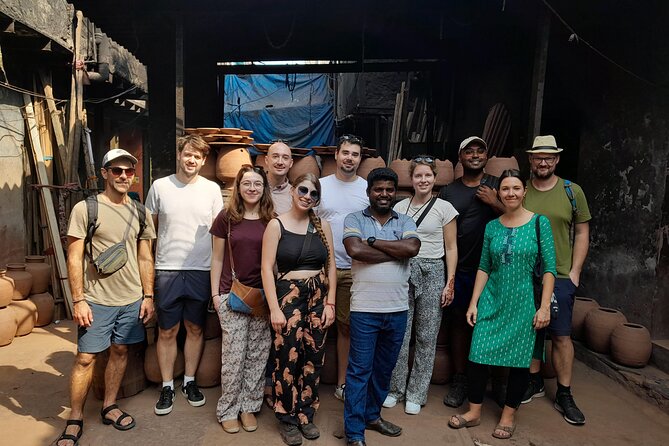
The tour’s first major focus is plastic recycling. You’ll see units where waste is melted, molded, and reused. For visitors, this is often the first moment when Dharavi shifts from an idea into an economic system you can point at.
Here’s what you’ll want to watch for: the steps. Waste doesn’t become something useful in a single leap. You’ll see how material is processed and then turned into new forms. Even in two hours, that sequence helps you understand why recycling is more than a side activity—it’s a business model that supports jobs and production.
A practical note: because this is real production, it can feel like you’re walking through active workshops rather than a museum stop. Pace yourself, ask questions, and let the guide explain what you’re looking at before moving on.
Textile workshops: stitching, dyeing, and printed clothing
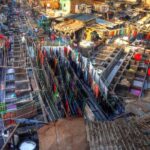
Next come textile workshops where clothes are stitched, dyed, and printed. This is where Dharavi’s reputation for industry starts to look very concrete. Instead of abstract claims, you’ll see multiple stages of garment work tied together in small units.
What I like about this stop is that it teaches you to look beyond the finished product. You get a sense of the workflow: creation, treatment (dyeing), and finishing (printing), then stitching that brings it together. Even if you don’t know the technical side, the guide can connect what you see to how output gets made and moved.
Potential drawback: if you’re uncomfortable with close-up views of production work, this portion may feel intense. The tour is designed to be respectful and safe, but it’s still an industrial environment.
The bakery stop: khari biscuits, bread, and local snacks
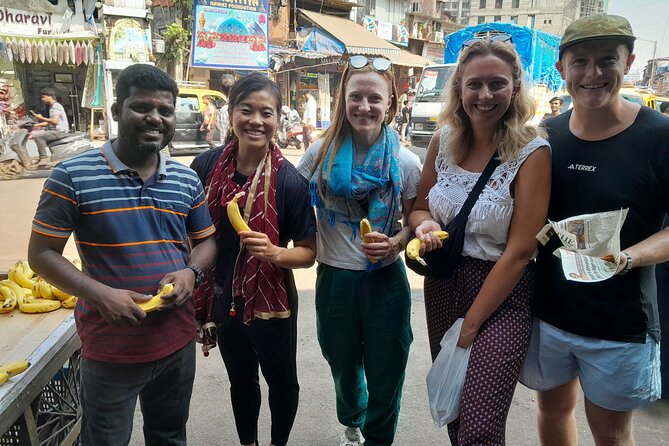
One of the most memorable segments is the bakery units making khari biscuits, bread, and local snacks. This is a smart addition because it balances the heavier industrial stops with everyday food production.
Why this matters for your understanding: food is part of local life, and a bakery isn’t only about eating. It’s also about consistency, timing, and a pipeline from ingredients to ready-to-sell goods. If you’re the type who likes travel experiences that connect people to the simplest parts of daily routines, this stop usually lands well.
Also note: food and drinks aren’t included on the tour. So if you want to taste anything, plan to do it on your own before or after the walk, or bring snacks if that’s your style.


Narrow lanes, homes, and neighborhood places of worship
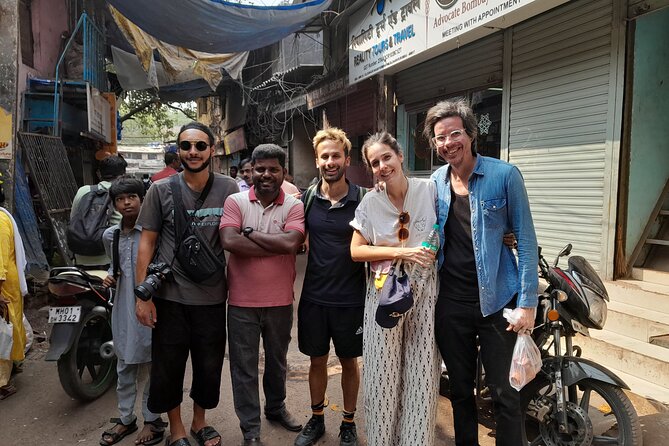
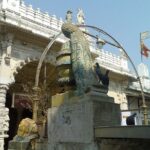
As you move through colorful narrow lanes, you’ll pass small homes along with local temples and mosques. This is one of those parts where the tour becomes more than industry. You see that Dharavi isn’t only workplaces—it’s also a neighborhood where people live, worship, and support community life.
This is also one of the reasons the guide’s role matters so much. Walking through lanes with religious spaces nearby is not just about navigation; it’s about respectful behavior and understanding what’s around you.
A consideration: tight lanes can mean less room to pause. Keep close to the group and let the guide handle the timing, especially if you like taking photos or stopping for long looks.
Leather tanneries and export-quality goods
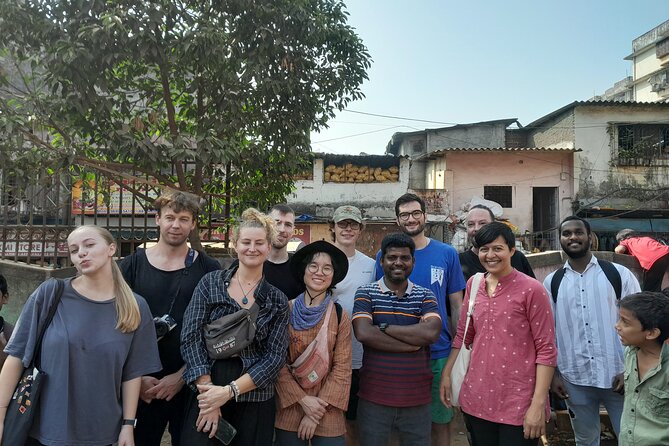
You’ll also see leather tanneries and small factories producing export-quality goods. This is a major industry theme in Dharavi, and the tour is structured to show it as part of a larger production ecosystem.
What I think is valuable here is the connection between local work and wider markets. When you hear that the output is used for export-quality goods, it reframes Dharavi from a stereotype into a place with manufacturing capability and buyer demand.
At the same time, this section is where you’ll likely notice the working character of the neighborhood most. If you’re sensitive to strong industrial conditions, give yourself a moment to steady your expectations: this is an active work zone, not a controlled viewing area.
Markets and essentials: daily life beyond factories
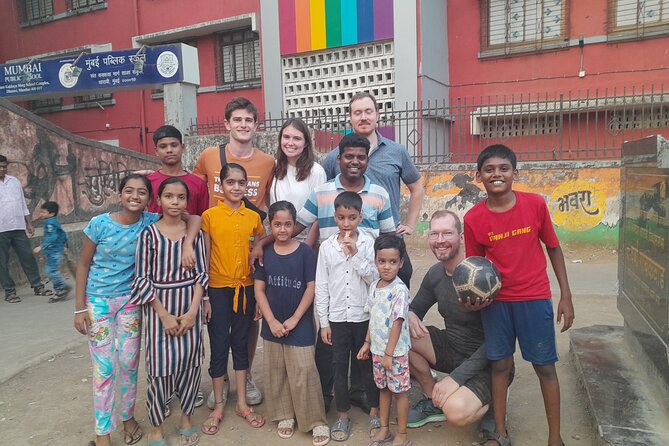
The itinerary includes local markets selling daily essentials and fresh produce. This is the stop that often answers the question visitors don’t always ask: where do people shop, and what keeps daily life running?
Markets are also an easy way to understand how industry connects to living. Production doesn’t happen in a vacuum; goods have to be used, sold, and turned into ordinary routines like meals, household purchases, and errands. Seeing fresh produce and essentials listed as part of the route helps broaden the story beyond industrial workshops.
If you’re traveling with a mindset of “I want to understand how people live, not just what they do for work,” this portion is a strong match.
Community schools and welfare work: education as part of the picture
The tour also includes community schools and welfare work for education and support. I appreciate this because it avoids the usual trap of only showing work and poverty headlines. You get a sign of forward motion: schools and welfare efforts that point to what the neighborhood is building, not just what it has survived.
This is also where the tour becomes more emotionally balanced. You see industry, homes, and markets—and then you see education and community support as part of daily priorities.
Price and time: is $10.04 good value?
For about $10.04 per person, you get roughly 2 hours with an English-speaking local guide, bottled water, and an admission ticket included. For Mumbai tours that aim to be educational and guided, that price is low enough to feel like a real deal—especially because the content focuses on multiple categories of work and daily life.
Here’s the tradeoff: the tour is short. Two hours can’t cover everything in a neighborhood as complex as Dharavi. But as a first guided walk, it gives you a clear framework—recycling, textiles, bakery production, lanes and religious spaces, tanneries, markets, and schools—so you leave with a structure your brain can use later.
If you’re planning only one Dharavi experience, this format is a smart way to get orientation fast.
Who this tour fits best
This walking tour is described as suitable for most people and it’s led by an English-speaking guide. It also includes pickup, which helps if you don’t want to manage the whole route yourself.
I’d especially recommend it if you want:
- A responsible, respectful explanation of what you’re seeing
- A first look that balances work sites with community spaces
- A guide who can reduce stereotypes by sharing real daily context
If you’re already very comfortable reading a neighborhood on your own and you want a purely self-guided wander, this might feel structured. But if you’re the type who likes context and guided interpretation, the format is designed for that.
Things to plan for before you go
A few simple prep points based on what’s included and what isn’t:
- Bring a plan for food: food and drinks aren’t included.
- Use comfortable shoes. The tour is a walking route through narrow lanes and active work areas.
- Expect active neighborhoods, not quiet sightseeing.
The tour ends at an office at Dharavi, and your guide helps you get transport back to your place by car, Uber, taxi, or train. That end support is a nice “don’t leave you stranded” touch, especially if the area feels unfamiliar when you finish.
Should you book the Dharavi slum tour with a local guide?
I’d book this if you want a short, guided, respectful way to understand Dharavi beyond headlines. The biggest reasons: the emphasis on local resident storytelling, the clear lineup of what you’ll see (recycling, textiles, bakery production, tanneries, markets, and schools), and the consistent high rating and recommendation rate.
Skip it if you only want a relaxed, low-intensity walk with zero awareness of industrial work. This tour is designed to show the neighborhood as it functions, which means it won’t feel like a staged attraction.
FAQ
How long is the Mumbai Dharavi slum tour?
It’s approximately 2 hours.
How much does the tour cost?
The price is $10.04 per person.
What’s included in the tour?
You get an English-speaking local guide, bottled water, and an admission ticket is included.
What’s not included?
Food and drinks are not included.
Where do I meet, and where does the tour end?
You start at Third Wave Coffee near Mahim (Tip Road, Unit no. 58, Ground, Ram Mahal area). The tour ends at Kumbhar Wada, Dharavi, and the guide helps you arrange transport back.
How big is the group?
The tour has a maximum of 50 travelers.
What is the cancellation policy?
You can cancel for a full refund up to 24 hours before the experience starts. If you cancel less than 24 hours before the start time, the amount paid isn’t refunded.