REVIEW · MUMBAI
Mumbai: Dhobi Ghat Tour with Dharavi and Train Ride Options
Book on GetYourGuide →Operated by Mumbai Dream Tours · Bookable on GetYourGuide
One of Mumbai’s most unusual workplaces is still running. A guided visit to Mahalaxmi Dhobi Ghat shows how hundreds of dhobis keep an open-air laundry operating for over a century, and I love how hands-on it feels. I also like that you learn the history and significance while you’re watching the daily work up close. The one thing to watch for is timing: the experience is often sold as about an hour, and you should confirm the time window in writing so you don’t end up with a shorter-than-expected walk.
If you want to link this to more of the city, you can add a Dharavi tour and a train ride when those options are selected. That pairing can make your day feel efficient, but it also means you’ll want to keep a bit of flexibility for transit and pacing.
In This Review
- Key things I’d focus on before you go
- Mahalaxmi Dhobi Ghat is more than a photo stop
- What your guided walk looks like at the laundry
- The dhobi shift system: what to look for while you’re there
- Why Mahalaxmi Dhobi Ghat feels different from other Mumbai tours
- Optional Dharavi tour: what it adds to the day
- Optional train ride: a fast, local way to connect dots
- Price and value: why $11 can be a good deal, and how to protect it
- Meeting point, timing, and how to keep the day smooth
- Who this Mumbai experience suits best
- Should you book the Mahalaxmi Dhobi Ghat tour with Dharavi and train options?
- FAQ
- How much does this Mumbai Dhobi Ghat tour cost?
- Is the tour available in English?
- What’s included if I choose the Dharavi option?
- What’s included if I choose the train ride option?
- Where do I meet, and where does the tour end?
- Is there a cancellation option?
Key things I’d focus on before you go
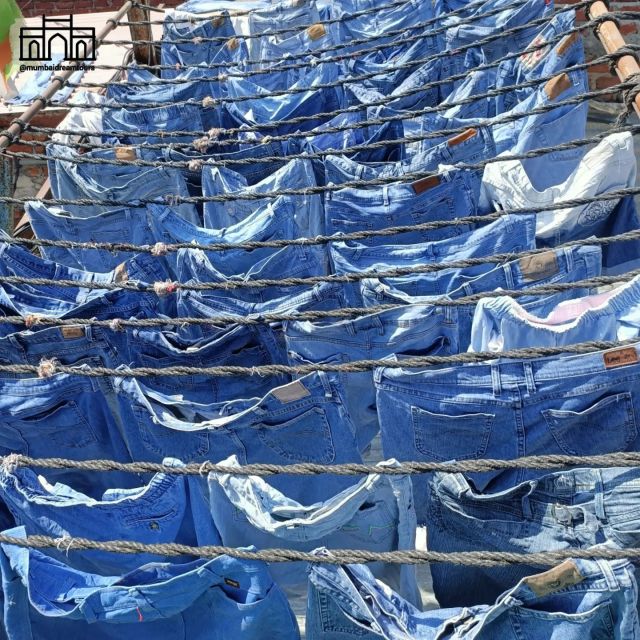
- See hand work, not just displays: washing troughs, drying, and bulky charcoal ironing are part of the routine.
- Photography-friendly geometry: rows of bright color and repeating patterns are perfect for quick, satisfying shots.
- Learn the dhobi system: you’ll hear how families split roles across the day’s tasks.
- Back-lane walking: the route can include narrow lanes you probably wouldn’t choose on your own.
- Optional city add-ons: Dharavi and train ride options can turn a laundry visit into a fuller Mumbai sampler.
Mahalaxmi Dhobi Ghat is more than a photo stop
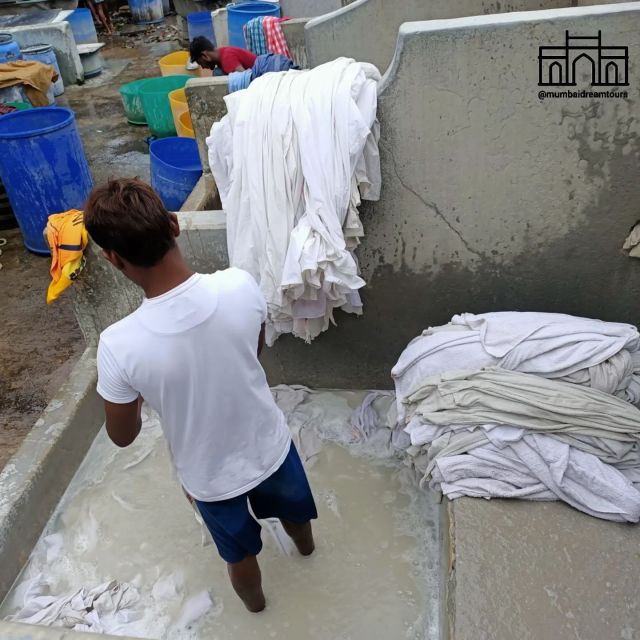
Mahalaxmi Dhobi Ghat is Mumbai’s biggest open-air laundry, and it’s been operating for over a hundred years. The scale is part of what hits you: you’re not watching one family’s hobby. You’re watching a working system that serves people across the city.
This matters because it changes how you should think about the tour. Yes, it’s iconic and it’s used by photographers, but the point isn’t to treat it like a museum. The dhobis are on shift. Clothes are moved, washed, dried, and pressed using traditional methods where many steps are still done by hand.
You also get a good sense of why Mahalaxmi Dhobi Ghat is such a landmark. It’s often described as the world’s largest open-air laundry, and whether you take that wording literally or not, the “living workplace” vibe is real. You’re seeing a city service that has grown strong enough to be repeated day after day for generations.
You can also read our reviews of more tours and experiences in Mumbai.



What your guided walk looks like at the laundry

Your tour is led by a local guide in English, and the heart of the experience is a guided visit through the laundry area. You’ll start at a meeting point that can vary depending on which options you book, and the tour ends back at that same meeting point.
Once you’re inside, the structure is simple: walk through the working space, pause to understand what you’re seeing, then move to the next stage of the process. Instead of just pointing at laundry lines, a good guide explains how the work actually flows.
Here’s what the tour experience is built around:
- Washing: people work clothes in troughs as part of the day’s cycle.
- Drying: clothes are hung out to dry in open-air conditions.
- Pressing: bulky charcoal irons are used for ironing, which keeps the traditional method visible and concrete.
That order helps you see the ghat like a sequence, not a jumble of activity. If you’re the type who likes clear causes and effects, you’ll appreciate how your guide ties it all together.
The dhobi shift system: what to look for while you’re there
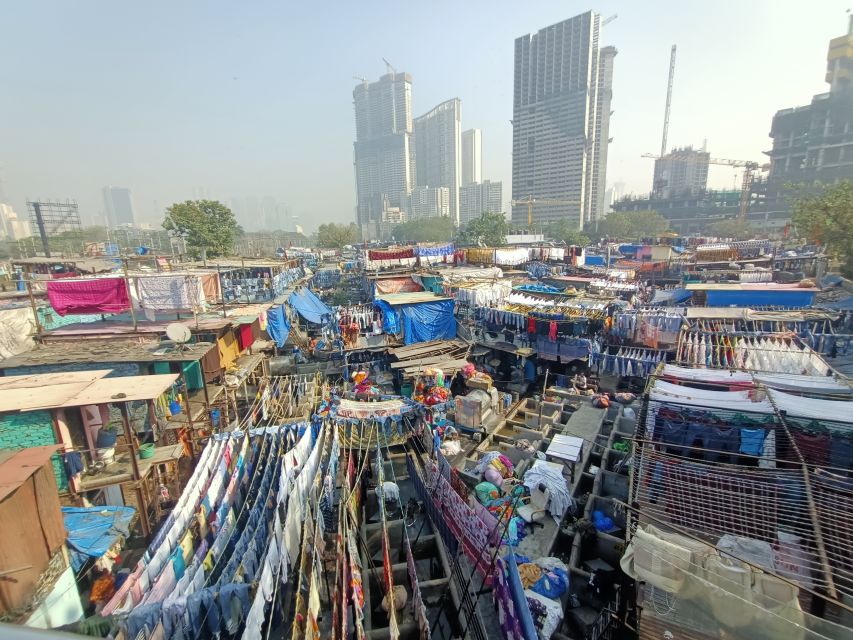
One of the best parts of this experience is understanding that this isn’t a single job. It’s usually a family-based system, where roles are split. During the tour, you’ll learn that much of the activity is handled by hand, with family members taking care of different steps.
Even if some families use machines too, the tour’s focus is the traditional side of the process. And that’s where you’ll get the most “wow” value, because the steps make sense even if you’ve never seen them before.
As you walk, look for the working rhythm:
- Someone manages the washing stage in the trough.
- Others focus on hanging clothes out to dry.
- Someone handles the heavy, charcoal-driven ironing steps.
This is also where the tour becomes more than sightseeing. You start noticing that the ghat is a workplace that runs on timing. Clothes need to move from one stage to the next, and that’s why you’ll see people keeping the flow going rather than treating any single step as a standalone task.
If your guide is Rakesh, it’s worth leaning into the Q&A. He’s specifically noted for answering questions and keeping a relaxed pace, which helps you absorb what you’re seeing without feeling rushed.
Why Mahalaxmi Dhobi Ghat feels different from other Mumbai tours
Plenty of Mumbai tours focus on monuments, viewpoints, or big-name landmarks. This one feels like it’s about something quieter and more practical: how city life functions.
I like that the experience includes the history and significance of the Dhobi Ghat while you watch day-to-day labor. That combo matters because it gives context to the visuals:
- You’re not just looking at laundry lines.
- You’re seeing a long-running service that has shaped routines and livelihoods.
It also helps you respect the place as work. If you come in treating it like a pure show, you’ll miss the point. The best way to enjoy this is to watch closely, keep your distance when it’s crowded, and ask questions when your guide invites them.
And yes, it’s a photographer’s scene. The tour notes highlight how it’s popular among photographers, and you can see why: the repeating shapes and rows of color create strong compositions fast. Even if you’re only taking casual phone photos, the setting is structured in a way that makes it easy to get satisfying images.
Optional Dharavi tour: what it adds to the day
If you select the Dharavi option, the experience expands beyond the ghat. A Dharavi neighborhood tour is included only when that option is selected, and that can be a big reason to book this combo package rather than doing separate tours.
Think of it this way: Mahalaxmi Dhobi Ghat gives you one window into Mumbai’s labor and daily systems. Dharavi adds another window—more about community life and how people navigate dense, real-world neighborhoods.
The main practical consideration: you should expect the combined day to feel more intense. You’ll move between different types of environments—open-air laundry work, then a more neighborhood-focused experience—so you’ll want comfortable shoes and a calm mindset.
If you’re someone who likes understanding cities through how people live and work, the Dharavi add-on makes a lot of sense. If you’re hoping for a calmer, strictly visual outing, skip it and keep the day focused on the dhobi ghat.




Optional train ride: a fast, local way to connect dots
If you choose the train ride option, it’s included only when selected. The idea here is to add a more local transit element so your day isn’t just walking from place to place.
A train ride can change the feel of a tour. It’s not just transportation; it’s part of how you experience a city’s rhythm. It also helps break up a day that might otherwise be mostly on foot.
Since details like route and duration aren’t specified here, the smartest approach is to plan like this is a working transit moment:
- Bring what you need but keep your hands free for safety and convenience.
- Keep your camera/phone secured when you’re moving or crowded.
- Wear layers if Mumbai weather shifts during your time outside.
If you like the idea of blending “working Mumbai” with “how Mumbai moves,” the train add-on is a strong fit.
Price and value: why $11 can be a good deal, and how to protect it
The listed price is $11 per person, and the tour includes the Dhobi Ghat portion. It can also include a Dharavi tour and a train ride depending on which options you select.
That’s the good news: for the scale and the fact that you’re getting a guide and access to a working site, the value can be excellent. Open-air laundry isn’t something you stumble into like a casual attraction, and the guided explanation is what turns it from viewing into understanding.
Still, you should be smart about how you judge value:
- First, make sure you understand what you’re paying for: Dhobi Ghat only versus Dhobi Ghat plus Dharavi and/or train ride.
- Second, verify the expected duration. One ticket confirmation stated a 1-hour tour, but there have been cases where the tour ended far earlier than that expectation.
So here’s my practical advice: before you go, confirm your duration and the time it starts in your booking details, and ask your guide at the beginning how the schedule is supposed to flow. If the tour feels like it’s ending too quickly, it’s better to clarify immediately rather than wait.
If you see a price much higher than the typical level for the same experience, don’t assume it’s automatically better. Use duration and included options as your reality check.
Meeting point, timing, and how to keep the day smooth
Your meeting point can vary depending on the option you book, and the tour ends back at the meeting point. That means you don’t have to solve the whole logistics puzzle, which is a relief in a big city.
But in practice, the biggest timing issue isn’t where you meet. It’s whether the day’s experience matches what you planned for. Because the tour is generally short, even small changes can feel big.
Here’s how to keep it smooth:
- Arrive a bit early so you’re not stressed when the group assembles.
- If you booked add-ons, mentally treat the day as a chain: Dhobi Ghat first, then whatever transport or neighborhood portion follows.
- Plan to be flexible. Optional train rides and extra tours can affect the pace.
If you’re the type who hates being rushed, you’ll probably enjoy this more with a relaxed schedule around it. Put it somewhere you don’t feel like you’re sprinting to the next thing.
Who this Mumbai experience suits best

This tour is ideal if you want:
- A guided look at a working place, not just a staged attraction.
- A practical, human story about city labor.
- Great photo opportunities without needing special equipment.
- A short activity that still includes context and explanation.
It’s also a strong pick for curious travelers who like getting answers. In particular, guides like Rakesh are noted for being easy to talk to and responsive to questions.
You might want to skip the combo if you prefer fewer moving parts. If you don’t want the added intensity of Dharavi or the logistics of a train ride, sticking to the Dhobi Ghat tour only can keep the experience focused.
And for anyone sensitive to close-up human workspaces: remember this is an active laundry. Keep your respect level high, keep a thoughtful distance, and let your guide set the pace.
Should you book the Mahalaxmi Dhobi Ghat tour with Dharavi and train options?
I think this is worth booking if you want a real slice of Mumbai life and you’re happy to spend an hour (or whatever the confirmed time is) learning how the laundry system works. The best value is when you combine the Dhobi Ghat portion with the optional add-ons, because you get a broader sense of the city in one day: a working open-air service plus an additional neighborhood and/or a local transit experience.
My main caution is timing. Before you commit, confirm the duration and what’s included in your exact selection. Then show up ready to learn, watch, and ask questions. If you do that, you’ll come away with more than photos—you’ll understand why Mahalaxmi Dhobi Ghat is such an enduring Mumbai landmark.
FAQ
How much does this Mumbai Dhobi Ghat tour cost?
The price is listed at $11 per person.
Is the tour available in English?
Yes, the tour language is English.
What’s included if I choose the Dharavi option?
A Dharavi tour is included if that option is selected.
What’s included if I choose the train ride option?
A train ride is included if that option is selected.
Where do I meet, and where does the tour end?
Your meeting point may vary depending on the option booked, and the activity ends back at the meeting point.
Is there a cancellation option?
You can cancel up to 24 hours in advance for a full refund.