REVIEW · MUMBAI
Private Mumbai Sightseeing Tour Including Dharavi Slum
Book on Viator →Operated by Mystical Mumbai · Bookable on Viator
Mumbai packs two cities in one day. This private tour is interesting because you get Dharavi’s lane-by-lane reality first, then you switch gears to Mumbai’s grand colonial sights without wasting time. I also like that it’s private and guided, so the day feels organized even when the streets get complicated.
The one thing to consider is that Dharavi is emotionally intense. You’re walking through a working community with close-knit quarters, and you should go in with respect, patience, and an open mind.
In This Review
- Key things you’ll notice fast
- Why this Mumbai mix works: Dharavi plus colonial landmarks
- Timing and getting around in a private air-conditioned car
- Dharavi Slum walk: what to see, what to ask, how to stay respectful
- Chhatrapati Shivaji Terminus: the UNESCO rail icon on your route
- Colonial Mumbai landmarks: Rajabai Clock Tower, Gateway of India, and the Taj
- Gandhi-era and everyday city life: Mani Bhavan and dhobi ghat
- Marine Drive, parks, and the skyline: Queens Necklace and Hanging Gardens
- Art, temples, and heritage streets: Jain temple, Kala Ghoda, and Sassoon Library
- Value and price: what $184.62 per group really buys
- Who this private tour suits best (and who might not)
- Should you book this private Mumbai tour with Dharavi?
- FAQ
- How long is the Mumbai sightseeing tour with Dharavi?
- What is the price for this private tour?
- Does the tour include hotel or transport pickup?
- Are entrance fees included?
- Is food included in the tour price?
- Is this a private tour?
Key things you’ll notice fast
- A full-day storyline: Dharavi’s industries and Kumbharwada lamps, then big-name landmarks
- Private car + English guide: you’re not stuck figuring out routes or timing
- Dharavi’s recycling and pottery: watch how work and craft mix into daily life
- Major colonial markers: Gateway of India, the Taj, Rajabai Clock Tower, and UNESCO rail architecture
- Gandhi-era stops and dhobi ghat: you see more than postcard views
- No food included: plan snacks or an early meal before you go
Why this Mumbai mix works: Dharavi plus colonial landmarks
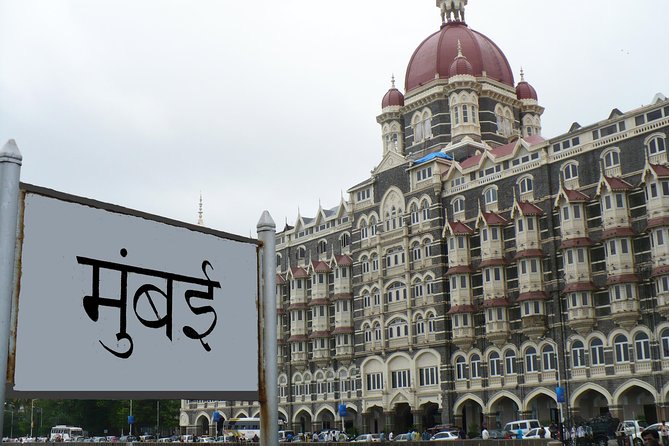
This tour is built for people who have limited time in Mumbai and still want the full picture. You start with Dharavi—Asia’s biggest slum area—home to nearly a million people, and then you move into the city’s colonial and modern center. The payoff is contrast you can actually understand: how people live and work side by side with how Mumbai was shaped by trade, empire, and architecture.
I like that the day isn’t just sightseeing. It’s framed as how Mumbai functions. In Dharavi, you’re shown huts and small manufacturing spaces, plus a recycling yard where materials are sorted for reuse. Then, outside Dharavi, you’re guided to landmarks tied to royalty, British-era institutions, and Mumbai’s identity as a port city.
The tone is practical, but not cold. The guide is there to connect dots: British rule from the 18th to the 20th century, Mumbai’s scale (about 18.4 million people), and why places like the train station and the clock tower matter. You finish the day with a better sense of the city’s layers instead of just photos.
You can also read our reviews of more private tours in Mumbai


Timing and getting around in a private air-conditioned car
The tour runs about 6 hours, with hotel, cruise port, or railway station pickup and drop-off. That matters in Mumbai because traffic and distances can chew up time quickly. With a private, air-conditioned car, you’re not juggling public transit schedules or waiting around.
You also get a mobile ticket, which usually makes check-in smoother on the day. And since this is private, only your group participates (up to 5 people per booking), so you can move at a pace that feels comfortable.
One heads-up: the day includes several short stops and a longer walking segment in Dharavi. Wear comfortable shoes and plan for some time on foot. If you’re the type who gets restless in cars, you’ll still probably enjoy this format because the route has rhythm: walk, view, drive, walk, view.
Dharavi Slum walk: what to see, what to ask, how to stay respectful
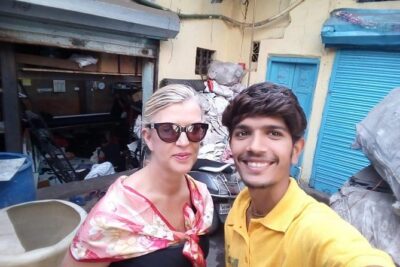
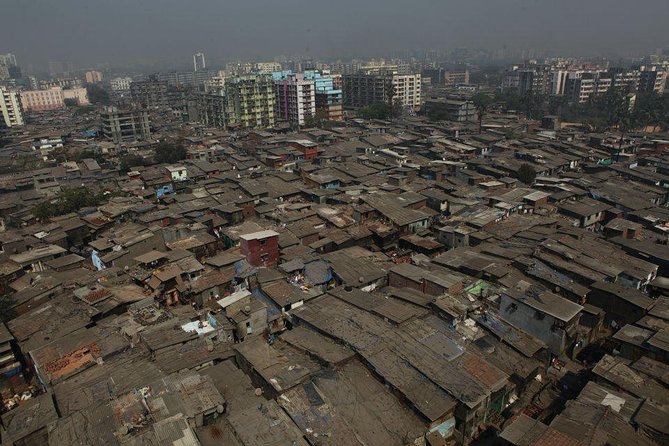
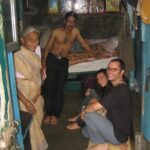
Dharavi is the heart of the experience, scheduled for about 2 hours. You’ll begin in the slum area with narrow lanes and by-lanes, and you’ll notice how everyday life mixes with small-scale production. The tour is designed to show you more than poverty as a concept. You see huts, cottage industries, dim manufacturing units, and small shops—bread and sweets are specifically mentioned as part of what you might smell and pass.
What impressed me in this kind of guided approach is that it focuses on systems: work, community routines, and the way neighborhoods function like towns within a town. You’re also guided to the plastic and metal recycling yard, where workers sort materials for reuse. That’s an eye-opening stop because recycling here isn’t an abstract “green” idea—it’s practical labor feeding jobs and output.
Then you move to Kumbharwada, described as the community of clay potters and the city of lamps. This is where craft becomes visible: you’ll walk through lanes where thousands of hand-made, kiln-fired pots are crafted as oil lamps for festivals. It’s a different kind of learning than museums provide. You see how skill, repetition, and local demand keep the craft alive.
Respect matters most on a place like this. You’re walking through tight quarters where people are living and working. Keep your questions thoughtful, avoid disrupting production, and treat cameras like you’re borrowing permission—not buying access. The goal is to understand, not to rubberneck.
Chhatrapati Shivaji Terminus: the UNESCO rail icon on your route
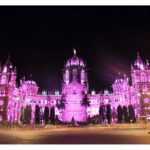
After Dharavi, the tour heads to Chhatrapati Shivaji Terminus, a UNESCO-listed train station. The stop is about 25 minutes, and you’re in the station environment that Mumbai is famous for: constant movement, busy platforms, and the sense that the city runs on rail lines.
Even if you don’t plan to ride trains, this is a strong stop because it shows Mumbai’s modern heartbeat in a historic wrapper. It’s also one of those places where a good guide helps you notice details you might otherwise miss—architecture, the station’s importance, and why it has shown up in films over the years.
Keep this stop in mind if you like photography, because stations give you a different kind of texture than streets do. Just remember you’ll be on time pressure for other sights, so don’t get stuck chasing one perfect angle.
Colonial Mumbai landmarks: Rajabai Clock Tower, Gateway of India, and the Taj
Once you leave the Dharavi area, the itinerary leans into Mumbai’s big colonial-era set pieces.
Rajabai Clock Tower (about 20 minutes) is tied to the University of Mumbai and its Gothic style. It’s often compared to Big Ben-style architecture, and the point here isn’t the comparison—it’s that you’re seeing how British-era design shows up in Mumbai’s institutions. You’ll get to look closely at the structure while your guide explains what it represents.
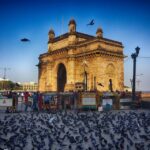
Next is the Gateway of India for about 15 minutes. This monument is built to commemorate the 1911 visit by King George V and Queen Mary. If you’ve only seen it from outside, the guided context helps you read it as more than a landmark. It connects the monument to the idea of Mumbai as a stage for empire, arriving royalty, and maritime power.
Then you’ll pass the Taj Mahal Palace, Mumbai for about 10 minutes. The hotel’s original building was commissioned by Jamshedji Tata and opened for guests on 16 December 1903. Even with a short stop, it’s worth paying attention to what the building signals about Mumbai’s status as a global destination.
One practical note: these stops are quick by design. You’re gaining variety, not deep museum time. If you want slower pacing, plan extra time on your own in the areas that grab you most.




Gandhi-era and everyday city life: Mani Bhavan and dhobi ghat
This tour doesn’t only do monuments. It also adds a couple of stops that feel more human-scale.
Mani Bhavan Gandhi Museum is included (about 20 minutes). It was the focal point of Gandhi’s political activities in Mumbai between 1917 and 1934. This is one of those places that helps you understand the city through politics and ideas, not just architecture and commerce.
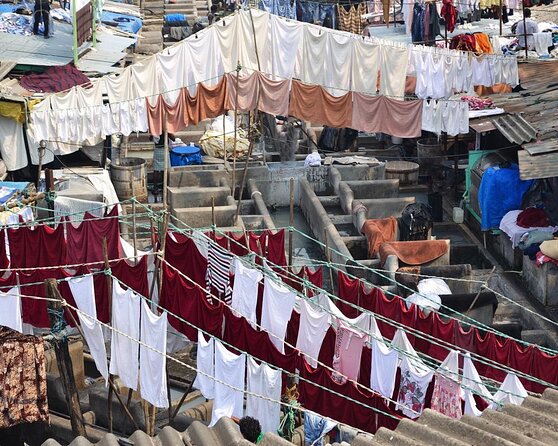
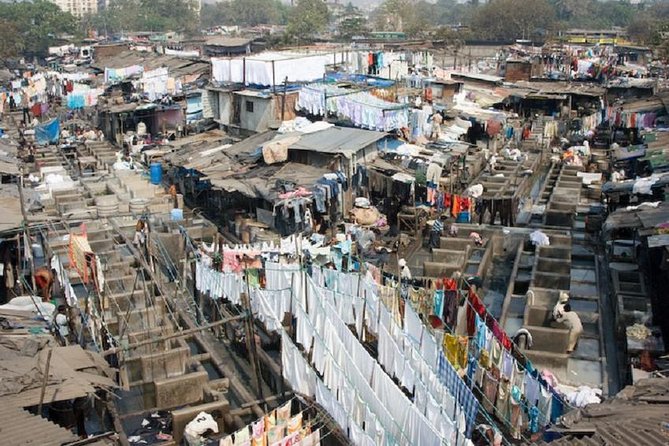
Then there’s dhobi ghat, scheduled for about 20 minutes. It’s described as Asia’s biggest open-air laundry area, where dhobis work under the sky to clean hotel and hospital linens. This is one of the most “watch the process” moments of the day. You get a sense of labor rhythms and how essential services move through a city at scale.
If you’re sensitive to heat, laundry areas can feel more intense in the middle of the day. Try to keep water on you (even though food and drinks aren’t included), and don’t feel rushed. A quiet walk and observation here can be more meaningful than any single photo.
Marine Drive, parks, and the skyline: Queens Necklace and Hanging Gardens
After the inner-city stops, you’ll spend time on viewpoints and waterfront style scenery.
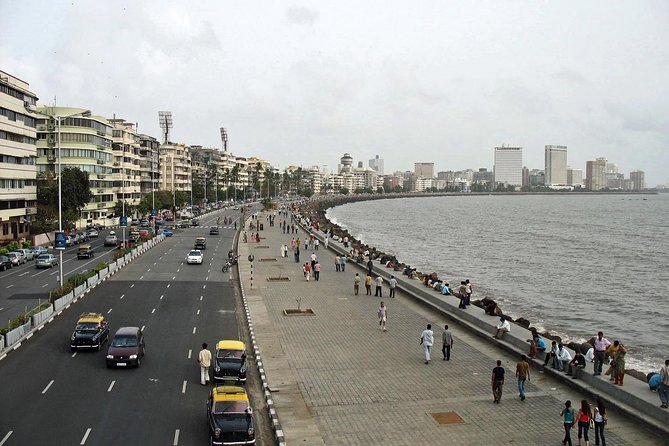
Marine Drive is also known as Queens Necklace. The tour includes time here as a driving/view segment, so you’ll probably see it from the road or nearby vantage points while passing colonial buildings such as the Prince of Wales Museum and Flora Fountain. Marine Drive works well because it’s Mumbai’s “postcard” view—but with the guide’s commentary, it becomes part of the city’s planning story.
You’ll also catch Flora Fountain at Hutatma Chowk. The monument is described as sculpted architectural heritage. Even in a quick stop, the idea is to connect public space with identity, not just admire a structure and move on.
For viewpoints, Kamala Nehru Park is included for about 15 minutes, with a skyline view and the old woman’s shoe viewpoint. That old woman’s shoe marker is one of those Mumbai details you’ll remember because it gives you a way to frame the skyline instantly.
Finally, you reach Hanging Gardens (about 10 minutes), built on top of water tanks near the Tower of Silence (Parsi burial place). This stop adds a practical twist: the gardens are tied to infrastructure, not just aesthetics. It’s a reminder that Mumbai’s scenery often grew from utilitarian planning.
Art, temples, and heritage streets: Jain temple, Kala Ghoda, and Sassoon Library
As the day winds down, you’ll get small but meaningful cultural stops.
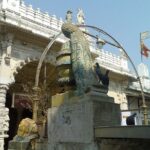
Jain Temple – Mumbai is scheduled for about 10 minutes. It’s described as a historic place of worship with intricate stone carvings and a dome painted with the zodiac. Even with limited time, it’s a powerful pause because it changes the visual and spiritual texture of the day.
You’ll also pass through Kala Ghoda, described as a creative area with designer cafes, indie galleries, and sidewalk art stalls. There’s no need to treat it as a shopping stop. Think of it as a “creative district” label—useful when you want to understand where Mumbai’s arts crowd tends to hang out.
The itinerary also includes the David Sassoon Library, described as a famous library and heritage structure in Mumbai, with the idea linked to Albert Sassoon. This is another “quick but context-rich” stop. A short visit gives you the feel of a city where public knowledge spaces are part of the streetscape.
Value and price: what $184.62 per group really buys
At $184.62 per group (up to 5 people), this tour can be good value if you’re a small group and you care about time. If you’re traveling solo, the “per group” model can feel pricier, because you’re still paying for a private guide and private vehicle. But for couples and small families, the math often works better.
Here’s what you’re actually paying for:
- Private air-conditioned transport with pickup and drop-off
- An English-speaking guide focused on both sides of the city
- A route that includes the big central landmarks plus Dharavi’s walking segment
- Entrance fees included in the tour structure (with Mani Bhavan explicitly listed as included)
Also, your day is set up so you don’t burn hours coordinating between far-apart neighborhoods. In Mumbai, that coordination is the hidden cost of DIY touring. Paying for the organized route is what makes it possible to cover so much in about 6 hours.
The one “value gap” is food: food or drinks aren’t included. That’s not a deal-breaker, but it’s something you should plan for. If you want a full meal, eat before the tour starts or carry simple snacks and water.
Who this private tour suits best (and who might not)
This is a great match if you want:
- A first-time Mumbai orientation in one day
- A tour that balances colonial landmarks with working-community reality
- A private guide who can explain what you’re seeing, including Dharavi’s industries and recycling
You might want to think twice if you:
- Know you struggle with emotionally heavy settings
- Prefer fully sightseeing-only days with no longer walking segments
- Don’t like moving quickly between many places (this is a “cover highlights” style day)
If you like structured itineraries and you’re okay with short stops supported by good commentary, you’ll likely feel like you got your money’s worth.
Should you book this private Mumbai tour with Dharavi?
I’d book it if you want a single day that teaches you how Mumbai works—industrial, religious, political, and architectural—without wasting time on logistics. The standout strength here is the pairing: Dharavi’s recycling and pottery craft plus central landmarks like the Gateway of India, Rajabai Clock Tower, and the Taj. You’re not just seeing two different neighborhoods. You’re seeing how the city’s identity is built from both.
Book it if your group is small enough to benefit from private pacing and you’re prepared for the Dharavi walk to be intense and human. If you’re hoping for a laid-back day with lots of free time, you’ll probably find the schedule a bit tight.
If you do book, do one simple thing: go in with respect, comfortable shoes, and a small snack plan. You’ll see more, remember more, and feel better about the contrast.
FAQ
How long is the Mumbai sightseeing tour with Dharavi?
The tour is about 6 hours.
What is the price for this private tour?
It costs $184.62 per group, with a maximum of 5 people per booking.
Does the tour include hotel or transport pickup?
Yes. Pickup and drop-off are included from your Mumbai hotel, the cruise port, or the railway station.
Are entrance fees included?
Yes. Entrance fees are included as part of the tour.
Is food included in the tour price?
No. Food or drinks are not included.
Is this a private tour?
Yes. It’s a private tour/activity, and only your group participates.