REVIEW · MUMBAI
The Colourful Early Morning Tour
Book on Viator →Operated by Amaze Mumbai Tour · Bookable on Viator
Waking up early pays off here. This 3-hour Mumbai tour is built for the cooler morning air and the city before it gets loud, with real local rhythms like flower garland-making and temple offerings.
I especially like the way it mixes faith and daily work. You get to offer flowers at Hindu temples, then switch gears to markets and the docks where Mumbai feeds itself. The stops are also simple and efficient, so you’re not spending your morning stuck in transit.
One possible drawback: you’ll need to be ready for the 5:30 am start and a fast pace through busy places like the flower market and fish dock areas. If you hate early mornings or crowds, this may feel like a lot before breakfast.
In This Review
- Key points that make this morning tour worth it
- Why Mumbai at 5:30 AM Changes Everything
- Dadar West Flower Market: Marigold Garlands and Real Wholesale Life
- Girgaon Iskcon Temple: Spiritual Mumbai and Flower Offerings
- Chhatrapati Shivaji Maharaj Terminus (CSMT): India’s Rail-Station Architecture in Motion
- Sassoon Dock: Koli Fisherfolk Life and the Morning Fish Arrival
- Marine Drive at Dawn: A Short, Calm Reset After the Markets
- Price and Logistics: Is $35 Good Value?
- What to Expect From the Guide and the Group Dynamic
- How to Dress and Behave for Markets and Temples
- Who This Tour Suits Best
- Should You Book the Colourful Early Morning Tour?
- FAQ
- What time does the tour start?
- How long is the tour?
- Is pickup included?
- What’s included in the tour price?
- Is the tour private?
- Can I cancel for free?
Key points that make this morning tour worth it
- Dadar West flower market color: see saffron marigolds and red roses show up in massive garlands
- Temple visit that’s hands-on: you learn what’s going on and practice offering flowers like locals
- CSMT’s rail-station intensity: quick look at one of India’s most striking railway buildings
- Sassoon Dock fish landing reality: watch large morning arrivals, including about 60 tonnes of fish
- Marine Drive in calm mode: a short early-morning view for balance after markets
- Pickup and bottled water included: private transportation plus an English-speaking guide, no fuss
Why Mumbai at 5:30 AM Changes Everything
Mumbai in the morning feels like a different city. Roads are quieter, the air is more comfortable, and many people are already out doing religious rituals or market errands. If you’ve already experienced afternoon traffic, this timing is a relief.
This tour is also structured for focus. In about 3 hours, you hit five meaningful stops—flower market, temple, a landmark rail station, the fishing docks, and Marine Drive—so you get variety without losing the morning to logistics.
And it’s not just sightseeing. The goal is to show you how Mumbai works: what people buy, where they gather, and how spirituality fits into everyday life. That’s why flower offerings and dock activity matter so much—they explain the city’s pulse, not just its looks.
You can also read our reviews of more tours and experiences in Mumbai


Dadar West Flower Market: Marigold Garlands and Real Wholesale Life
The day starts at Dadar West, known for its early flower market energy. You’re there long enough to take it in—about 20 minutes—but not so long that you get stuck when the action moves fast.
Look for the colors first. The market is famous for garlands made from saffron-colored marigolds and red roses. That’s not just pretty. It connects directly to how temples use flowers for daily worship and ceremonial decoration.
What you’ll appreciate most is the pace. Wholesale markets run on timing, and early is when the supply and demand are lining up. Even if you’ve seen flowers in shops back home, this is the source-level view—where garlands and bouquets begin before they reach temples and households.
Practical note: bring a camera you can handle quickly. The best scenes happen in short bursts—people lifting bundles, workers calling out orders, and piles of flowers arranged for rapid sorting.
Girgaon Iskcon Temple: Spiritual Mumbai and Flower Offerings
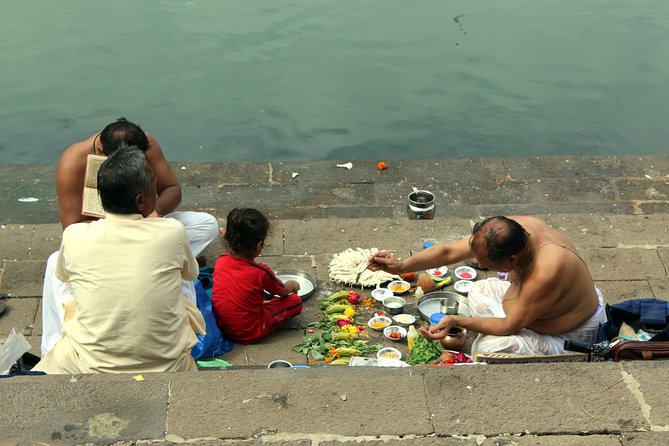
Next comes Girgaon, with a visit to the Iskcon Temple, also known as Hare Rama Hare Krishna Temple. The visit is about 30 minutes, which is enough time to understand the basics and take in the atmosphere without dragging your morning.
The tour framing here is smart: it’s not just a stop outside a temple. You’re guided through Hinduism, spirituality, and everyday life in Mumbai, and you also practice offering flowers. That makes the visit feel like participation, not passive watching.
If you’ve ever wondered what temple offerings actually mean, this is the kind of moment that clears it up. Flowers are practical and symbolic at the same time—something people can bring regularly, something that shows respect, and something that turns devotion into action.
A simple caution: dress comfortably, but also plan for temple expectations. The tour notes mention comfortable clothing, which is good advice for the whole day. You’ll be standing and moving through crowded places, and you’ll want fabric that’s easy to manage around worship spaces.
Chhatrapati Shivaji Maharaj Terminus (CSMT): India’s Rail-Station Architecture in Motion
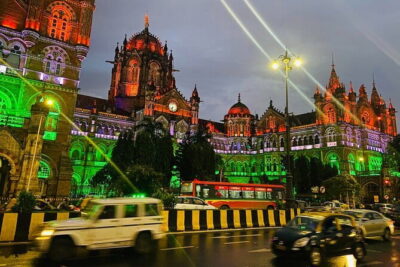
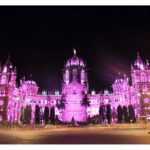
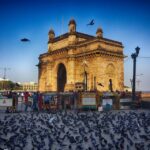
Around 20 minutes later, you reach Chhatrapati Shivaji Maharaj Terminus (CSMT). This is one of India’s most visually stunning railway buildings, and it’s also one of the busiest parts of the city in terms of foot traffic.
Why include a train station on a tour about Hinduism and markets? Because Mumbai’s daily life isn’t separate. Rail connects workers to docks, temples, markets, and homes. A morning station view helps you understand how people actually move—so the city’s spiritual and economic sides feel linked.
During your stop, don’t rush only for photos. Take a moment to notice details—how the building frames flow, how the station environment keeps things moving, and how quickly the area turns from quiet early-morning rhythm into full urban energy.
This stop can be the most surprising one for first-time visitors. It’s not a temple and it’s not a market, but it’s still part of how Mumbai functions. If you like architecture and city motion, you’ll likely enjoy it even if you’re not a rail fanatic.
Sassoon Dock: Koli Fisherfolk Life and the Morning Fish Arrival
Then the tour turns to the ocean side of Mumbai. At Sassoon Dock, you learn about the Koli fisherfolk, described as the original inhabitants of Mumbai. That context changes how you look at what’s happening. You’re not just watching fish come in—you’re seeing the work of a community tied to the shoreline.
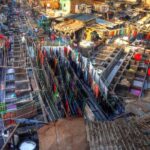
The dock stop runs about 30 minutes, and it’s built around a very concrete reality: the morning arrival of fish, with around 60 tonnes arriving daily. That number matters because it explains scale. This isn’t a small local scene; it’s a serious daily supply chain.
What I’d watch for here:
- the flow of activity as fish are brought in and graded
- how the dock area works like a fast workshop
- the human routines that repeat every morning
Even if you’re squeamish about seafood details, this is still worth it for the human element. Your guide is there to give context around how the work supports households and local food culture.
One practical consideration: docks can mean stronger smells and more mess than markets. The tour includes bottled water and a guide, but you should still be ready for morning dock conditions and wear something you don’t mind getting a little dusty.



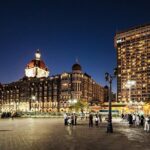

Marine Drive at Dawn: A Short, Calm Reset After the Markets
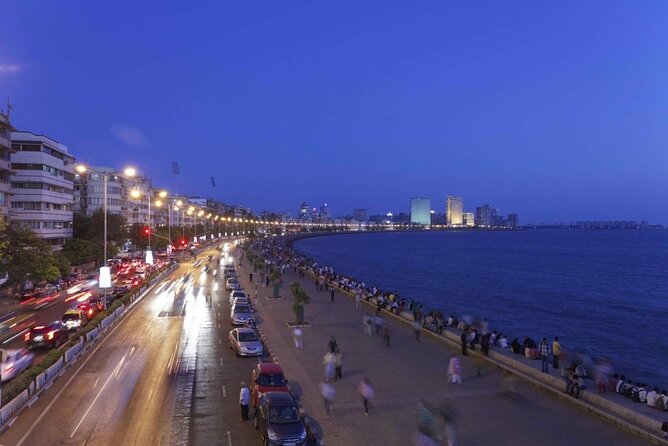
After the intense sights of flowers and docks, you get a breather at Marine Drive. The stop is short—about 10 minutes—but that’s exactly why it works. It’s a palate cleanser.
Morning Marine Drive gives you a quick sense of Mumbai’s coastline mood: open space, calmer air, and a view that helps you feel the city beyond the marketplaces. If you’re feeling overstimulated, this pause can do a lot of good.
It’s also a nice way to end the tour without finishing too abruptly. You’ll have already covered spiritual practice and daily work; Marine Drive finishes with a more reflective look at the city’s geography.
Price and Logistics: Is $35 Good Value?
At $35 per person for roughly 3 hours, this tour can be excellent value—mainly because it includes the parts that usually eat your time.
You get:
- round-trip hotel transfers (door-to-door practicality)
- private transportation
- an English-speaking guide
- bottled water
- free entry for the listed stops (admission tickets free)
Most “morning city” plans fail for one reason: you spend half the morning figuring out how to get from Point A to Point B. Here, the route is packed into a short window, and pickup reduces your stress.
It’s also run as a private tour/activity, meaning it’s only your group. That tends to make the experience feel calmer, and it’s easier for your guide to pace the morning for your needs.
One note on budgeting: food and drinks aren’t included unless specified. So if you want chai or a quick bite, plan to pay separately.
What to Expect From the Guide and the Group Dynamic
Guides are a big part of why morning tours work. In the experiences I’ve seen described, guides like Alam, Ganesh, Dawood, Naynish, Maze, Nano, and Arun show up prepared to explain what you’re seeing in plain language. The best part isn’t just facts—it’s safety, pacing, and context so you know what you’re looking at.
Because it’s private, you’re not stuck waiting while a big mixed group slowly figures out where to go. Your English-speaking guide can also point out what matters most at each stop—like what flower garlands are for, or how dock work moves quickly in the morning.
If you want a tour where you can ask questions and feel guided without being talked at, this format fits.
How to Dress and Behave for Markets and Temples
This tour moves through places with different rules and different energy. The basics matter: comfortable clothing and shoes you can stand in.
For markets:
- expect movement and close quarters
- plan for sensory intensity (smell, sound, crowds)
- keep bags zipped and hands free for photos
For temples:
- you’ll be offering flowers, so be ready for short periods of participation
- dress in a way that doesn’t make you constantly adjust clothing
- follow your guide’s lead on where to stand and how to proceed
The tour is designed so most people can participate, but your comfort is key. Early mornings plus active stops mean you’ll want to start the day feeling rested enough to enjoy it.
Who This Tour Suits Best
This is ideal if you want Mumbai that feels lived-in, not staged. You’ll likely enjoy it if you like:
- religious practice explained in context
- markets and working-city scenes
- seeing how the city starts its day
- a tight itinerary that doesn’t swallow your whole morning
It may be less ideal if you’re chasing only famous monuments or you prefer slow, unstructured strolling. The tour is purposeful, and the clock is part of the experience.
If you’re traveling with family, it can work well because the stops are short and guided, and you’re not expected to spend hours wandering on your own in crowded areas. Just remember the early start.
Should You Book the Colourful Early Morning Tour?
If you’re in Mumbai and can handle waking up early, I think this is a strong booking choice. The value comes from timing, not just content: you see flower markets and dock work when they’re at full energy, without the midday heat and traffic grind.
Book it if you want a morning snapshot that connects spirituality, commerce, and city life. With pickup, private transport, an English-speaking guide, and bottled water included, you’re set up to enjoy the experience instead of managing logistics.
Skip it only if the 5:30 am departure is a dealbreaker for you, or if you’re not comfortable moving through busy market and dock environments.
FAQ
What time does the tour start?
The tour starts at 5:30 am.
How long is the tour?
It runs for about 3 hours.
Is pickup included?
Yes. Round-trip hotel transfers are provided.
What’s included in the tour price?
The tour includes bottled water, private transportation, and an English-speaking guide. Admission tickets for the listed stops are free.
Is the tour private?
Yes. It’s a private tour/activity, and only your group participates.
Can I cancel for free?
Yes. You can cancel for a full refund up to 24 hours before the experience start time. Cancellation made less than 24 hours before start time isn’t refundable.